What the NN400 Conveyor Belt Is
The NN400 Conveyor Belt is a multi-ply fabric core belt built on nylon (NN) carcass fabric. In the strength grading used for fabric belts, the number indicates the nominal tensile strength of the carcass in newtons per millimetre per ply, so an NN400 belt sits in the higher range of nylon-reinforced constructions. It is the kind of belt specified when a conveyor must carry heavy, abrasive bulk material over long centres without stepping up to a steel cord design. Buyers often describe the same product as a 400 N/mm nylon fabric core conveyor belt, and both names refer to one and the same belt.
Because the carcass is nylon rather than polyester, the belt offers good elongation behaviour and resistance to fatigue under repeated flexing. That makes it a practical choice for primary and secondary haulage in mines, quarries, cement works, power stations and sand and gravel plants, where shock loads and continuous running are normal.
How the Belt Is Built
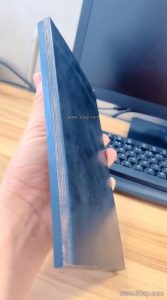
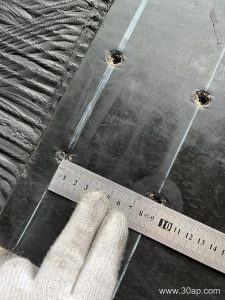
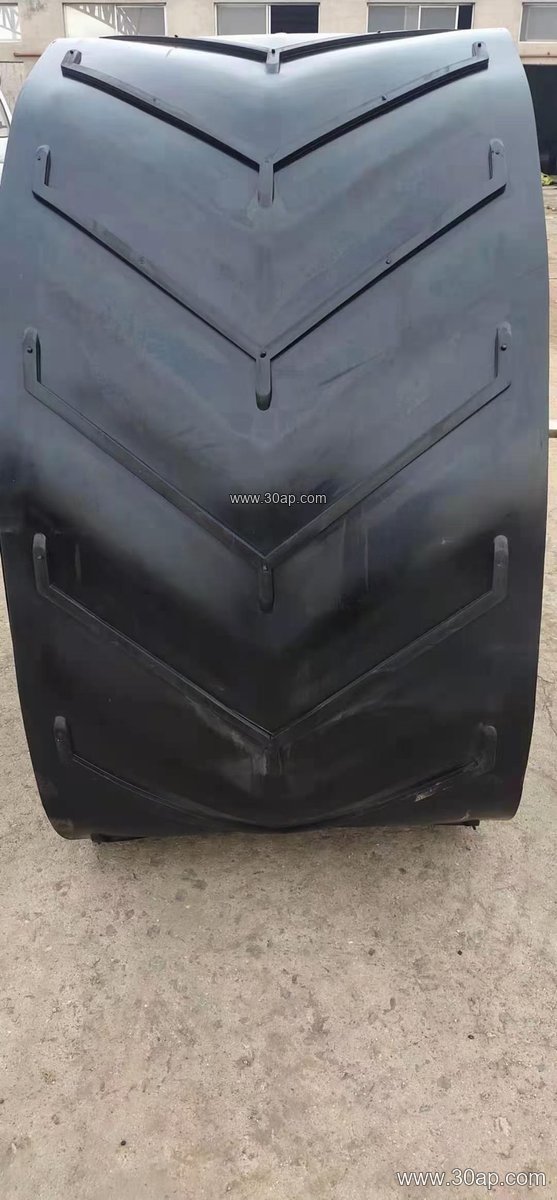
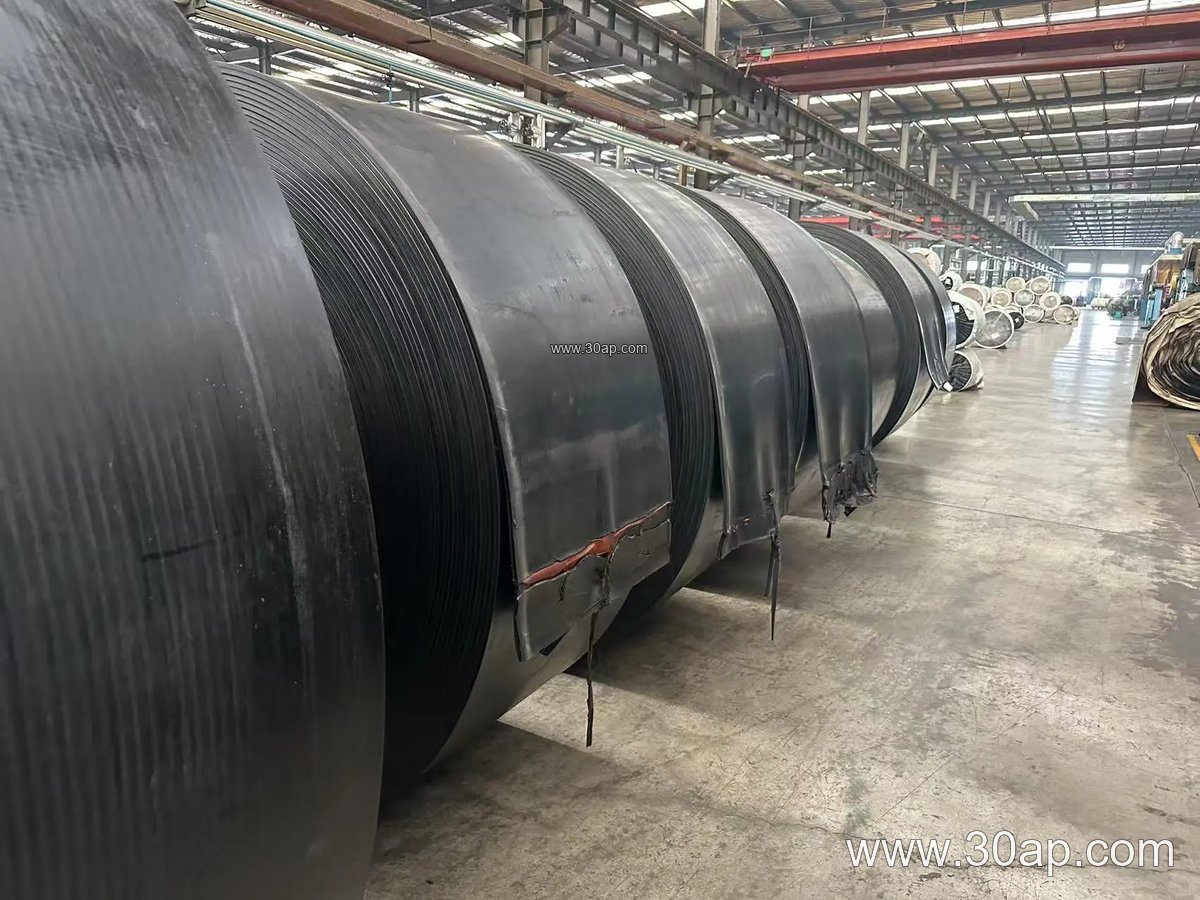
A typical NN400 construction combines several nylon fabric plies bonded under heat and pressure with skim and friction rubber, then covered on both faces with rubber that is selected for the duty. Common carcass builds run from two to six plies depending on the required strength and the pulley and transition geometry. Cover rubber grades are chosen to suit the material: abrasion resistant for rock and ore, flame retardant for coal mining and underground coal mining conveyors, heat resistant for clinker and sinter, oil resistant for certain mineral and recycled feeds, and anti-static where static build-up must be controlled.
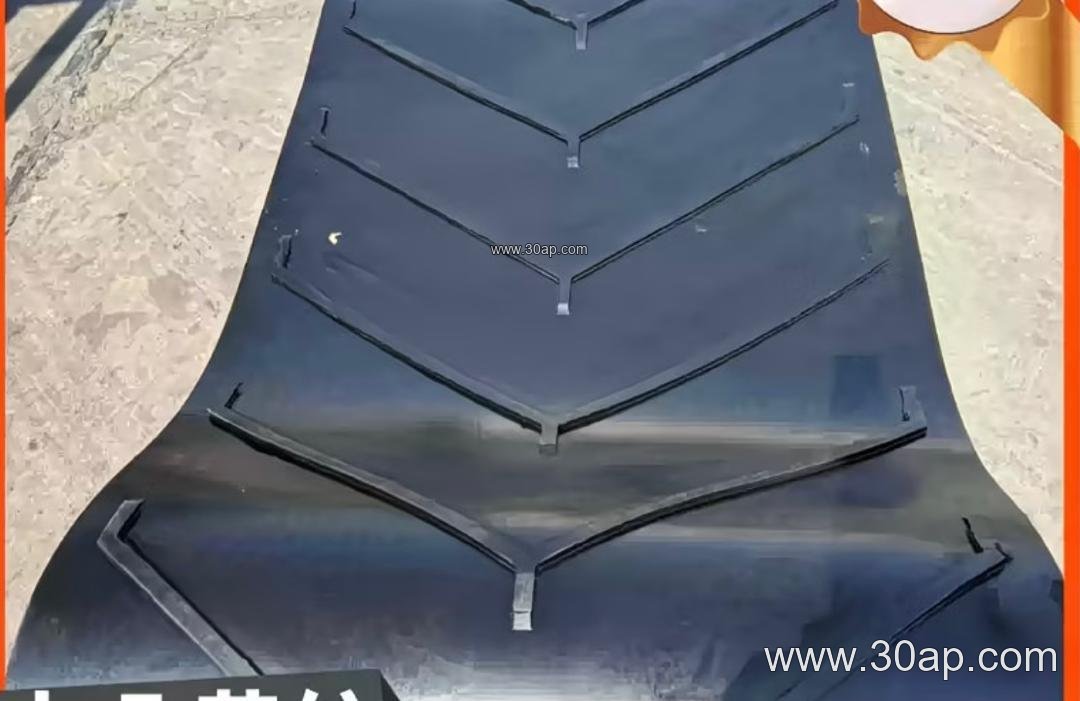
Cover thickness is usually quoted as a top and bottom pair, for example 4+2 mm, 5+2 mm, 6+2 mm or 8+3 mm. The right combination depends on lump size, impact energy and expected wear life rather than on belt width alone. Edge construction, splice preparation and cover grade all influence how the belt performs in service.
Where It Fits on the Conveyor
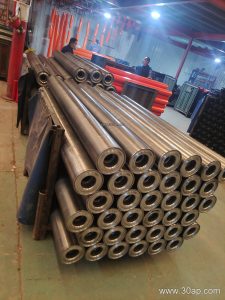
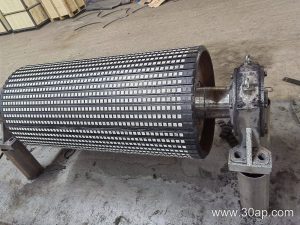
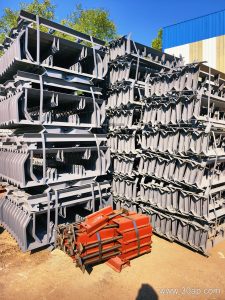
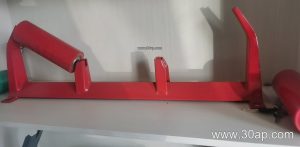
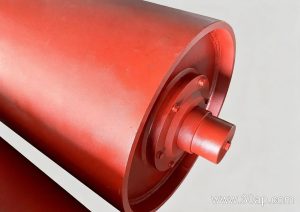
The belt is only one part of the machine. It runs over a drive pulley, tail pulley and bend pulleys, supported by idler rollers and held in line by conveyor brackets and frames. These parts are not interchangeable: a drive pulley transmits torque, a tail pulley returns the belt, and a bend pulley changes its direction. Matching the belt to the pulley diameters and troughing arrangement is a design decision, and no single belt width can only match one pulley diameter.
Typical applications include:
- Ore and waste rock haulage in iron ore, copper ore and gold mining operations
- Coal handling and underground coal mining duties where flame retardant grades are required
- Limestone, clinker and cement transport in cement plants
- Coal and ash handling in power plants
- Crushed stone and aggregate movement in quarries and sand making plants
- Port and ship loading conveyors handling bulk material
For very long, high-tension routes, a steel cord conveyor belt may be the better fit, while a pipe conveyor belt or a corrugated sidewall belt suits confined or steep paths. Those are alternatives for specific layouts, not replacements for the NN400 belt where a fabric carcass is appropriate.
Common Sizes and Reference Data
The table below gives indicative figures only. Actual values are confirmed by the manufacturer for each order.
| Parameter | Typical range |
|---|---|
| Belt width | B500, B650, B800, B1000, B1200, B1400, B1600, B1800, B2000 mm |
| Carcass | Nylon fabric, 2 to 6 plies |
| Nominal strength | NN400 grade (400 N/mm per ply class) |
| Cover thickness | 3+1.5, 4+2, 5+2, 6+2, 8+3 mm |
| Cover grades | Abrasion resistant, flame retardant, heat resistant, oil resistant, anti-static |
What Buyers Should Check
Start with the duty: material type, lump size, throughput, incline and the number of loading points. Confirm the belt width against the idler roller trough angle and the transition distance so the belt does not over-stress at the edges. Ask for the cover grade and thickness in writing, and check whether a flame retardant or anti-static specification is needed for underground mining or dusty coal handling. Review the splice method, since a poor joint shortens belt life more than cover wear does.
Finally, confirm that the drive pulley, tail pulley and bend pulleys are sized for the belt tension and carcass flexibility, and that the conveyor brackets and idlers are in good condition before fitting a new belt. For more information on matching belts, rollers and pulleys, visit conveyorbeltss.com and review the fabric core conveyor belt options alongside roller and pulley data.