What a Ceramic Pulley Is and Why It Matters
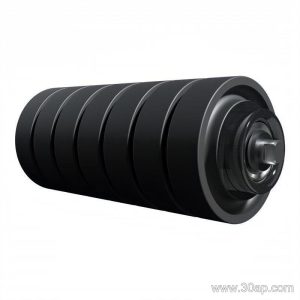
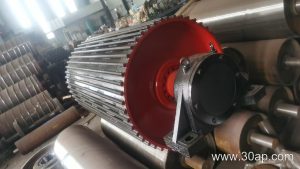
A ceramic pulley is a conveyor pulley whose shell is fitted with ceramic lagging tiles instead of plain rubber or bare steel. The ceramic surface is bonded to a rubber or polymer backing, and the hard tiles grip the conveyor belt while resisting the abrasive wear that quickly destroys softer lagging in dusty, gritty service. In a quarry, a limestone mine, a copper concentrator, or a coal handling plant, the drive position often sees slip and polishing; a ceramic pulley addresses that by combining high friction with a surface that keeps its profile far longer.
The same product is also called a ceramic-lagged pulley or a pulley with ceramic lagging. These are equivalent names for the same item. Drive, tail, and bend (take-up) pulleys are different functional positions and are not interchangeable, so a ceramic pulley should be specified for the duty it actually performs.
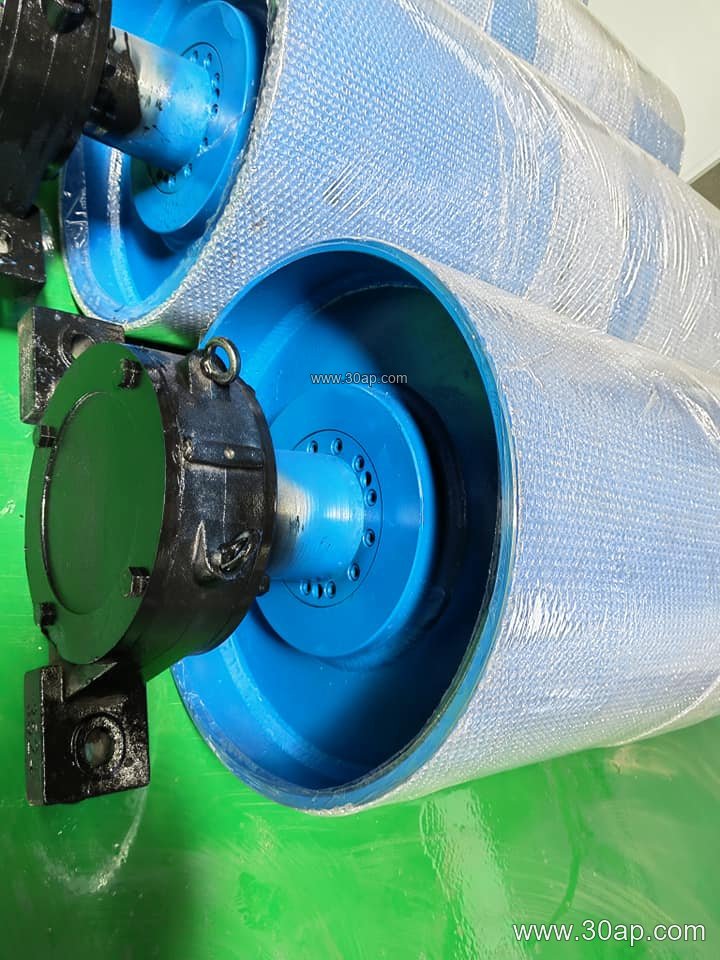
How the Ceramic Surface Is Built
The ceramic elements are usually small tiles or studs set in a patterned layout, leaving channels between them for water, fines, and slurry to escape. That drainage matters in wet or muddy conditions such as tunnel spoil or a wash plant, where smooth lagging can hydroplane. Tiles are commonly fixed into a rubber layer that is bonded to the pulley shell; the rubber absorbs shock and the ceramic provides the wear face.
Build quality comes down to bonding and pattern consistency. A tile that lifts at the edge becomes a starting point for belt damage, so the adhesive system and the tile spacing deserve attention during inspection.
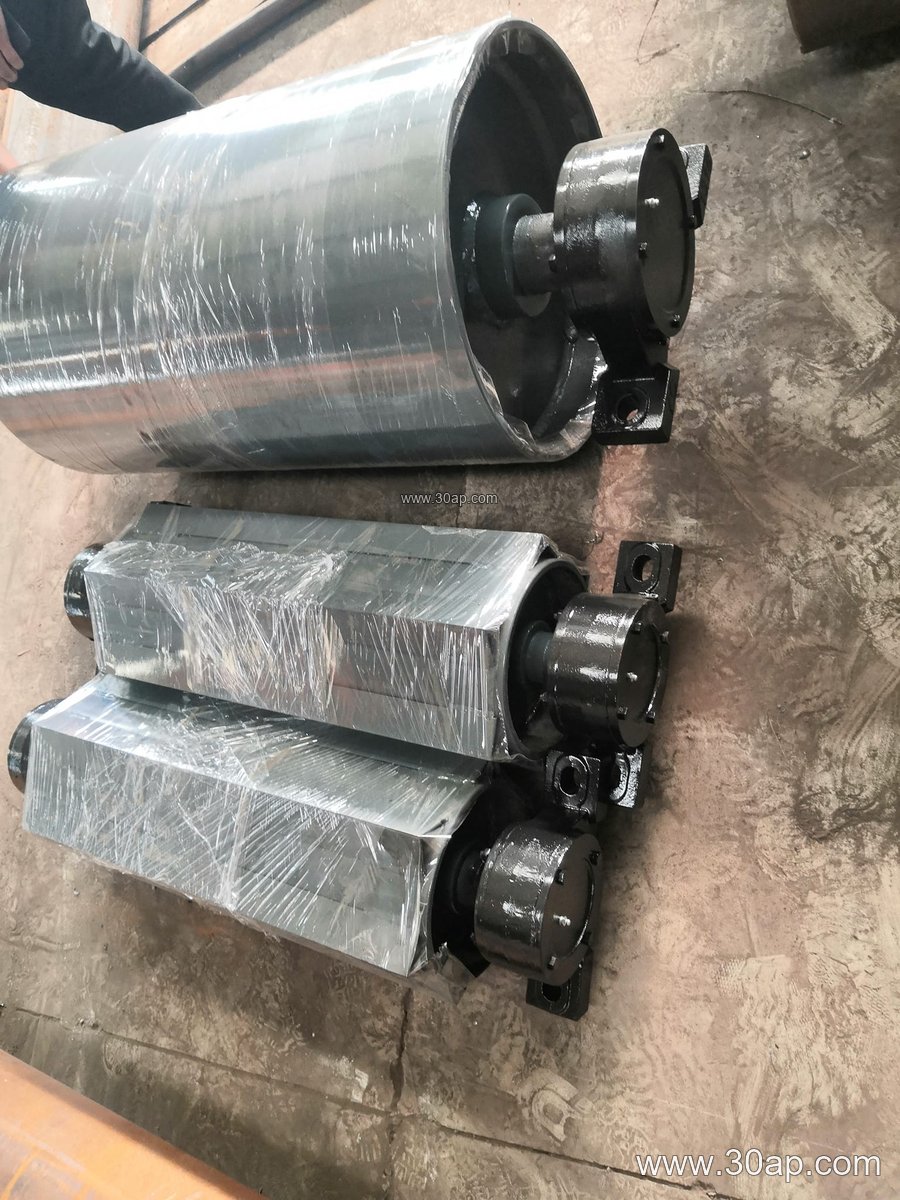
Where It Fits in the Conveyor
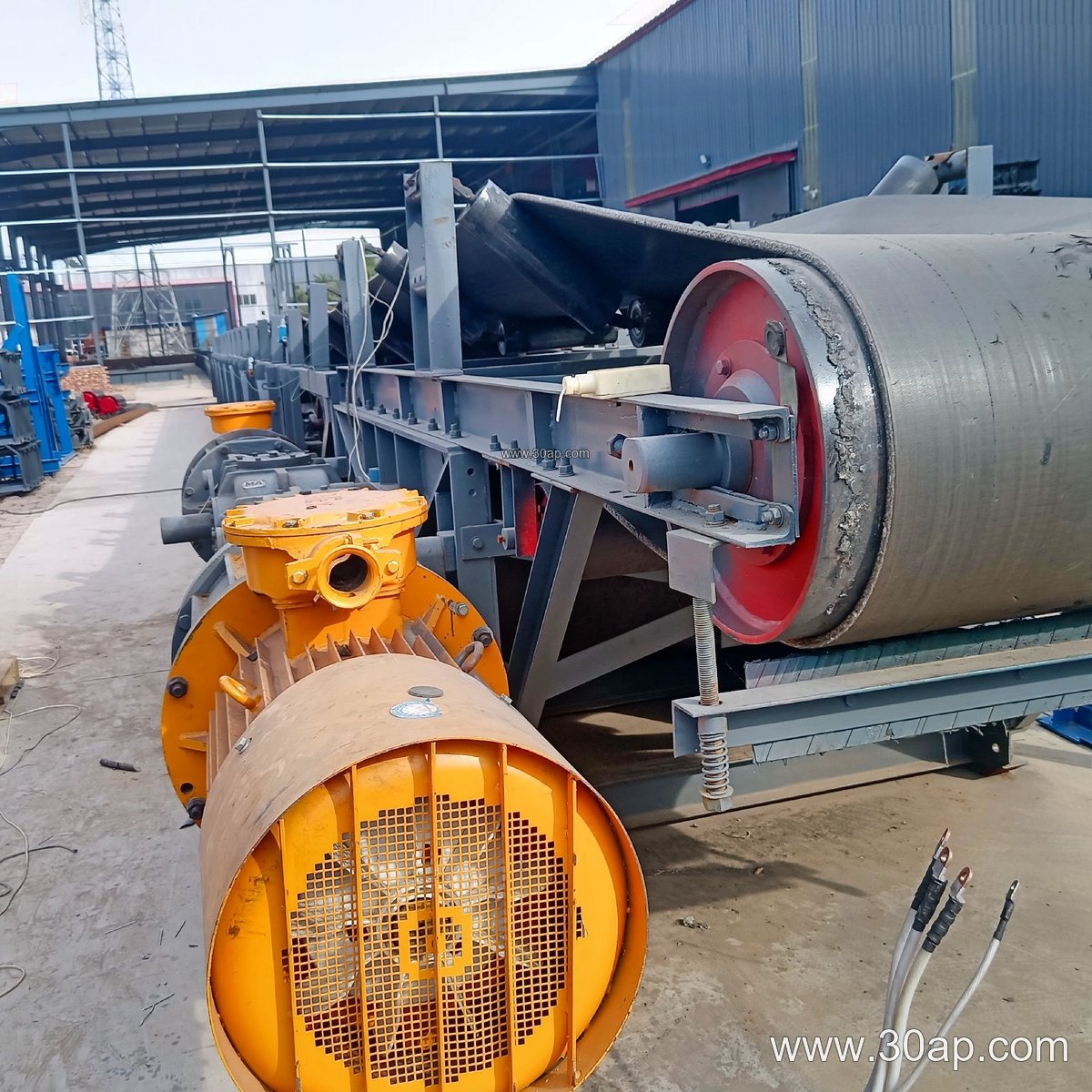
Ceramic lagging is most often considered for the drive pulley, where torque transfer depends on friction between shell and conveyor belt. It can also be used on a bend or take-up pulley in abrasive service, though the load and wrap angle differ from a drive position. A tail pulley usually has a different job, guiding the belt on its return, and a plain or lightly lagged surface may be enough there.
Typical industries include sand and gravel plants, cement works handling clinker, power station coal yards, sinter plants, and port bulk terminals. In each case the benefit is the same: a durable grip that reduces belt slip and the heat and wear that follow.
Reference Dimensions and Combinations
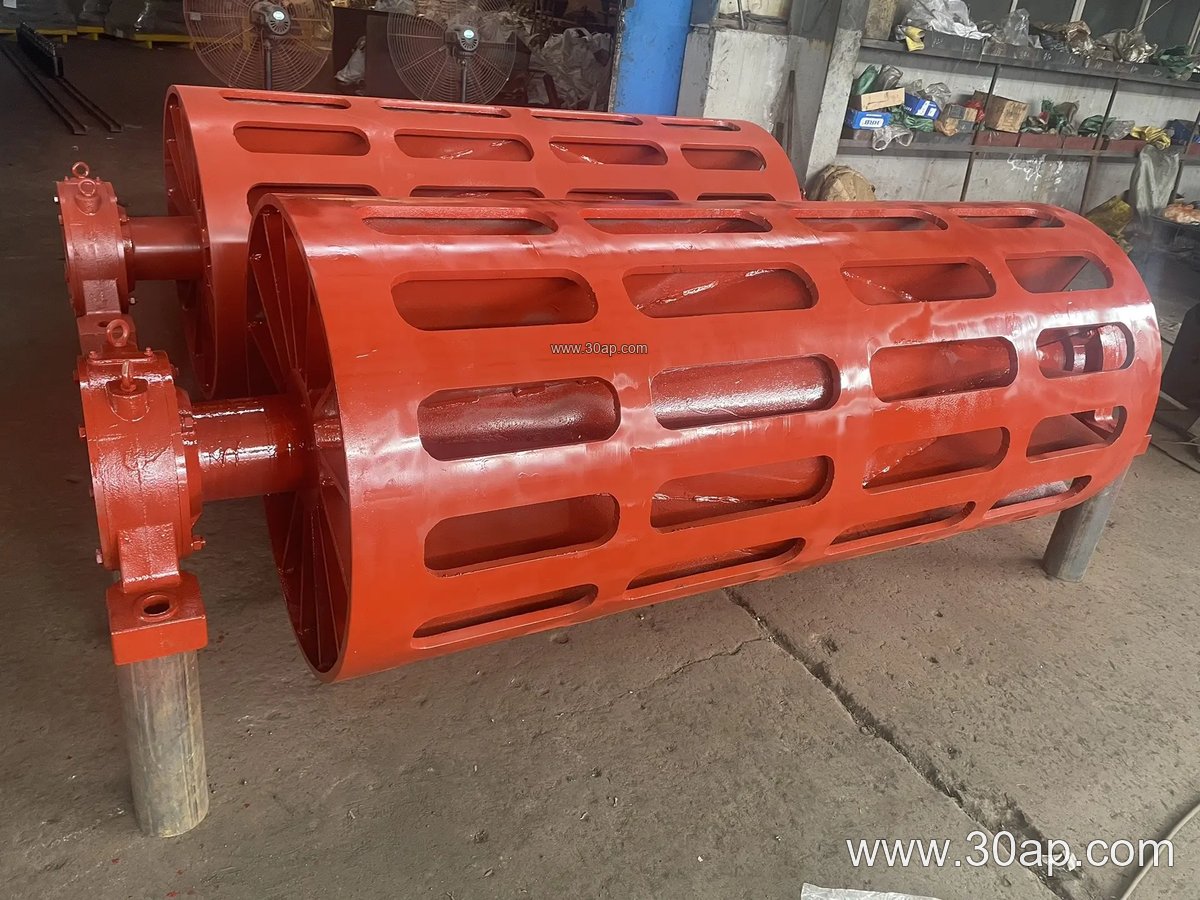
Ceramic pulleys are made across a wide range of belt widths and shell diameters. The table below lists common reference values, not fixed pairings; the final combination is set by the conveyor design, torque, and belt tension.
Belt width and typical face width
- B400 – face about 500 mm
- B500 – face about 600 mm
- B650 – face about 750 mm
- B800 – face about 950 mm
- B1000 – face about 1150 mm
- B1200 – face about 1400 mm
- B1400 – face about 1600 mm
- B1600 – face about 1800 mm
- B1800 – face about 2000 mm
Shell diameters commonly run from Ø200 up through Ø250, Ø315, Ø400, Ø500, Ø630, Ø800, Ø1000, Ø1250, and larger. Practical combinations such as B800 × Ø500, B1200 × Ø1000, or B1400 × Ø800 appear in real installations, but no single belt width is tied to one diameter.
Shaft ends are determined by torque and bearing load, not by belt width alone. Common shaft diameters include Ø50, Ø60, Ø70, Ø80, Ø90, Ø100, Ø120, Ø140, Ø160, Ø180, and Ø200. Ceramic lagging thickness is often 10, 12, 15, or 20 mm depending on the wear allowance required.
What Buyers Should Check
Start with the pulley’s role and the material being carried. Abrasive, wet, or oily conditions favor ceramic; a light-duty return position may not need it. Confirm the belt width, shell diameter, face width, shaft size, and lagging thickness against the conveyor drawing rather than assuming a standard match. Ask how the tiles are bonded and whether the pattern allows drainage.
Installation and maintenance also affect life. Check that the conveyor bracket and bearing alignment let the pulley run true, keep the belt tracking centred, and inspect tile edges for lifting during routine shutdowns. A ceramic pulley is a wear part, and its service life depends as much on alignment and belt condition as on the ceramic itself.