What an Iron Ore Conveyor Idler Does on the Line
An iron ore conveyor idler is the rotating roller that supports the loaded belt along the carrying run and the empty belt on the return run. In a typical iron ore conveyor line, dozens to hundreds of these idler rollers work together to keep the ore conveyor belt tracking smoothly, limit sag between support points, and reduce friction so the drive system does not waste energy dragging the belt over a stationary surface. Because iron ore is dense, sharp-edged, and often delivered in large lumps, the idler is one of the first components to feel wear.
The same roller family appears from the crusher discharge to the stockpile, from the ship loader to the sinter plant feed. A properly chosen idler keeps the belt centered, protects the splice, and reduces spillage. A poorly chosen one becomes a maintenance bottleneck within a few months.
How an Iron Ore Conveyor Idler Is Built
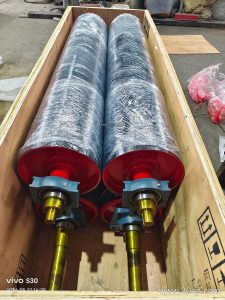
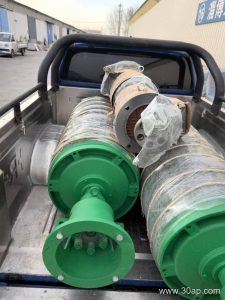
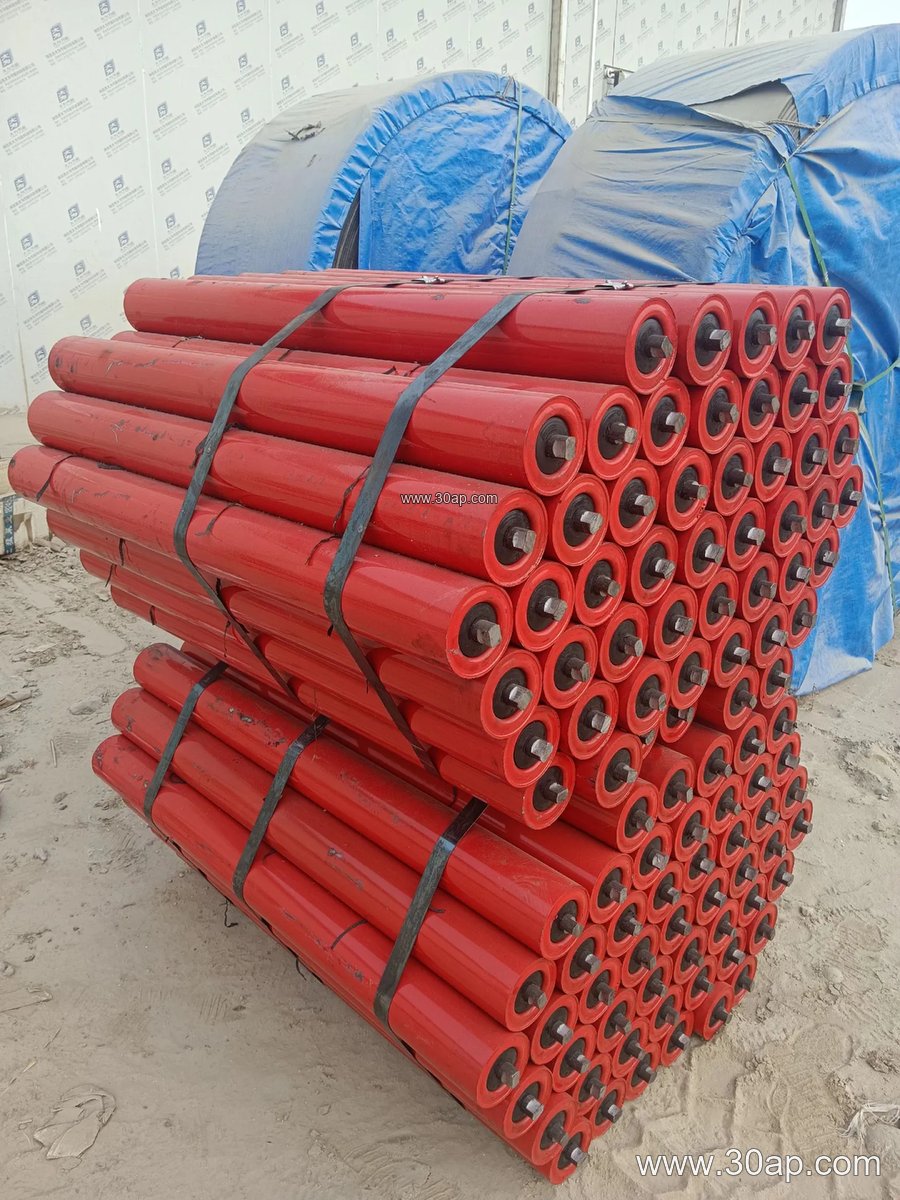
Most units share the same basic anatomy: a steel tube shell, two bearing housings pressed into the ends, a shaft that passes through the shell, labyrinth or contact seals, and a set of brackets that clamp the roller to the conveyor frame. The shell is usually welded steel tube with machined ends so the bearing seats run true. Surface options include plain steel, nylon coating for sticky fines, ceramic tiles for high-abrasion zones, and rubber discs for impact points.
Sealing is where quality shows. Dust from iron ore is fine, abrasive, and often slightly moist, so a multi-stage labyrinth seal combined with grease retention keeps grit away from the bearing. Common bearing sizes on this product include 6204, 6205, 6305, 6306, 6308, and 6310, but the correct bearing depends on load, speed, and roller diameter rather than on belt width alone.
Roller Diameter and Belt Width
Roller diameter is chosen together with belt width, belt speed, and load. Typical diameters in iron ore duty range from Ø89 and Ø108 up to Ø133, Ø159, and Ø194 for heavy carrying runs. Belt widths commonly seen include B800, B1000, B1200, B1400, B1600, and B1800, with wider lines reaching B2000 or more. A 1200mm wide conveyor belt may use a range of roller diameters depending on the trough angle and the load per meter, so no single pairing should be treated as fixed.
| Parameter | Common Reference Range | Notes |
|---|---|---|
| Roller diameter | Ø89, Ø108, Ø127, Ø133, Ø159, Ø178 | Chosen by load and belt speed |
| Belt width | B800 to B1800 | Wider lines use longer rollers |
| Trough angle | 20°, 30°, 35°, 45° | Affects material cross-section |
| Bearing | 6205, 6305, 6306, 6308, 6310 | Matched to load, not belt width alone |
| Roller surface | Steel, nylon, ceramic, rubber disc | Selected by wear and impact zone |
Trough, Impact, and Return Positions
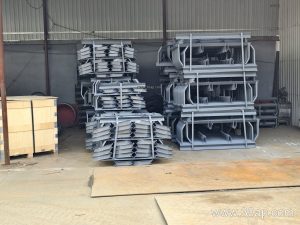
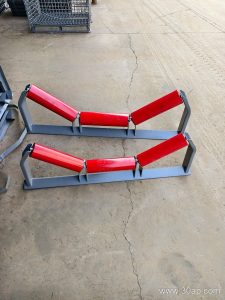
On the carrying side, three-roll troughing sets with 30° or 35° trough angles are common because they hold a deep material bed and reduce spillage. At the load point below the crusher, impact idlers with rubber discs absorb the energy of falling ore and protect the belt carcass; this matters especially where a heavy-duty mining conveyor belt carries lump ore. Transition idlers ease the belt from flat to troughed profile, and training idlers correct misalignment before edge damage starts.
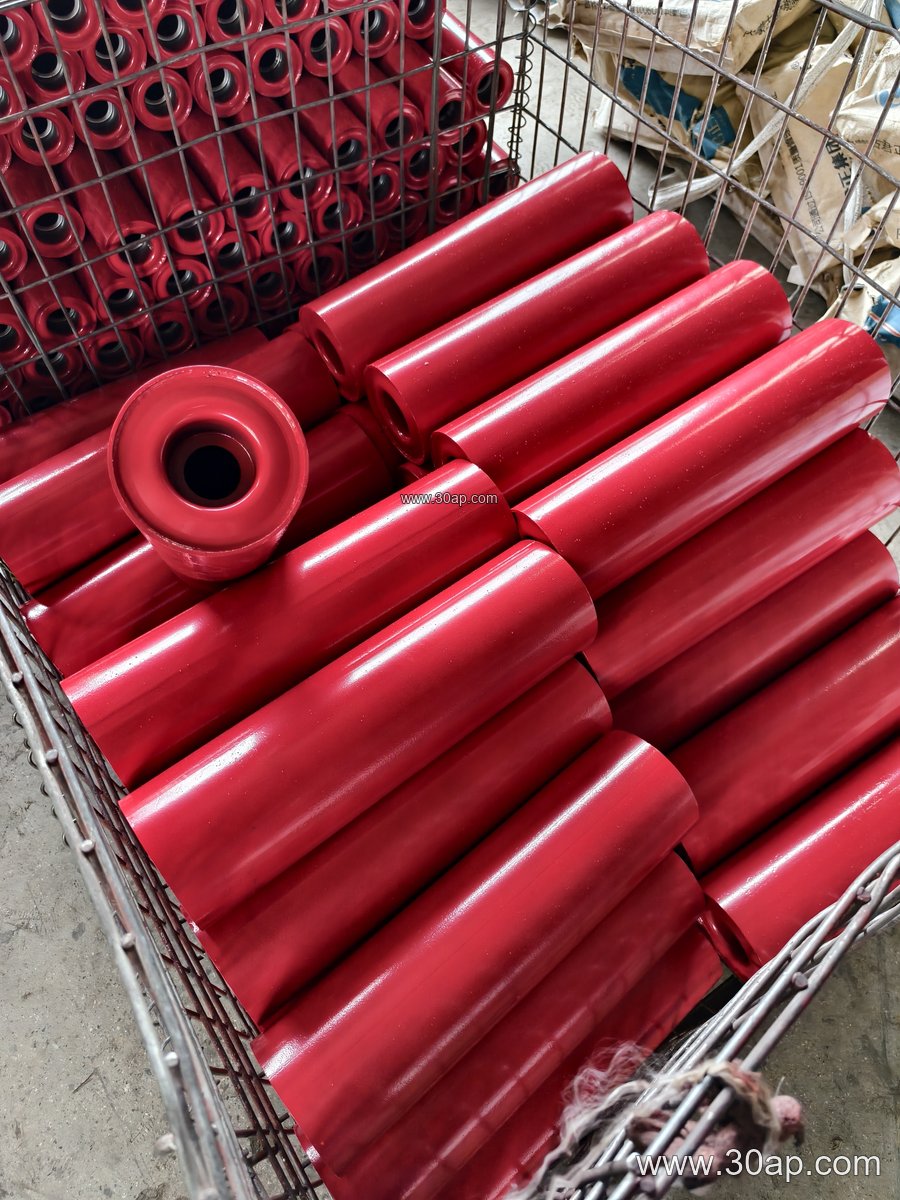
On the return side, flat or V-shaped return idlers support the empty belt. Spiral or disc return rollers help shed fines that would otherwise build up on the shell. These return positions are often overlooked, yet misalignment or a seized return roller can cut belt life quickly.
Where the Idler Fits in Iron Ore Handling
Iron ore moves through several demanding environments. At the mine and primary crushing station, impact and abrasion dominate. In the concentrator and pellet plant, fine wet material can stick to rollers. At a steel plant sinter line, elevated temperatures may call for heat-resistant belt grades and careful bearing lubrication. Port stockyards and ship loaders combine long conveyors, high capacities, and salty air, so seal quality and corrosion protection matter.
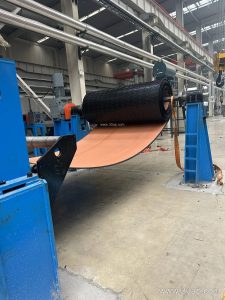
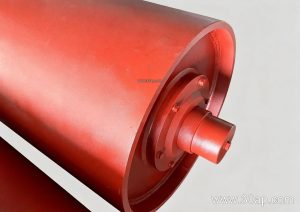
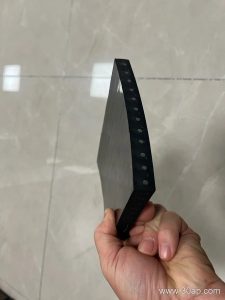
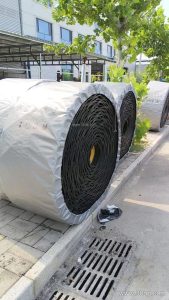
An idler also has to work with the rest of the system: the conveyor belt grade, the conveyor pulley alignment, and the conveyor bracket mounting height all influence tracking and wear. A heavy-duty conveyor belt such as a steel cord type may carry high tension, but the idlers still determine how evenly that belt is supported.
Buyer Checklist Before Ordering
- Confirm the belt width, trough angle, and roller length from the conveyor drawing, not from a catalogue assumption.
- State the material: lump ore, sinter, concentrate, or pellet fines, since each behaves differently on the shell.
- Identify the position: carrying, impact, transition, return, or training.
- Specify the required bearing class and seal type for the dust and moisture level.
- Check the shaft end and bracket interface so replacement rollers fit existing frames.
- Ask for the roller’s dynamic load rating and rotation test data rather than only a model number.
During operation, listen for squealing bearings, watch for belt drift, and inspect for shell wear at the edges. Replacing a worn idler roller early is far cheaper than repairing a torn belt or a damaged pulley. For any iron ore conveyor idler enquiry, match the roller to the actual duty, keep a small stock of common sizes, and record service life so the next order reflects real performance.