What a Large Pulley Does on a Conveyor
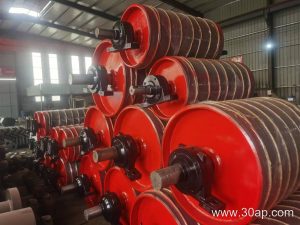
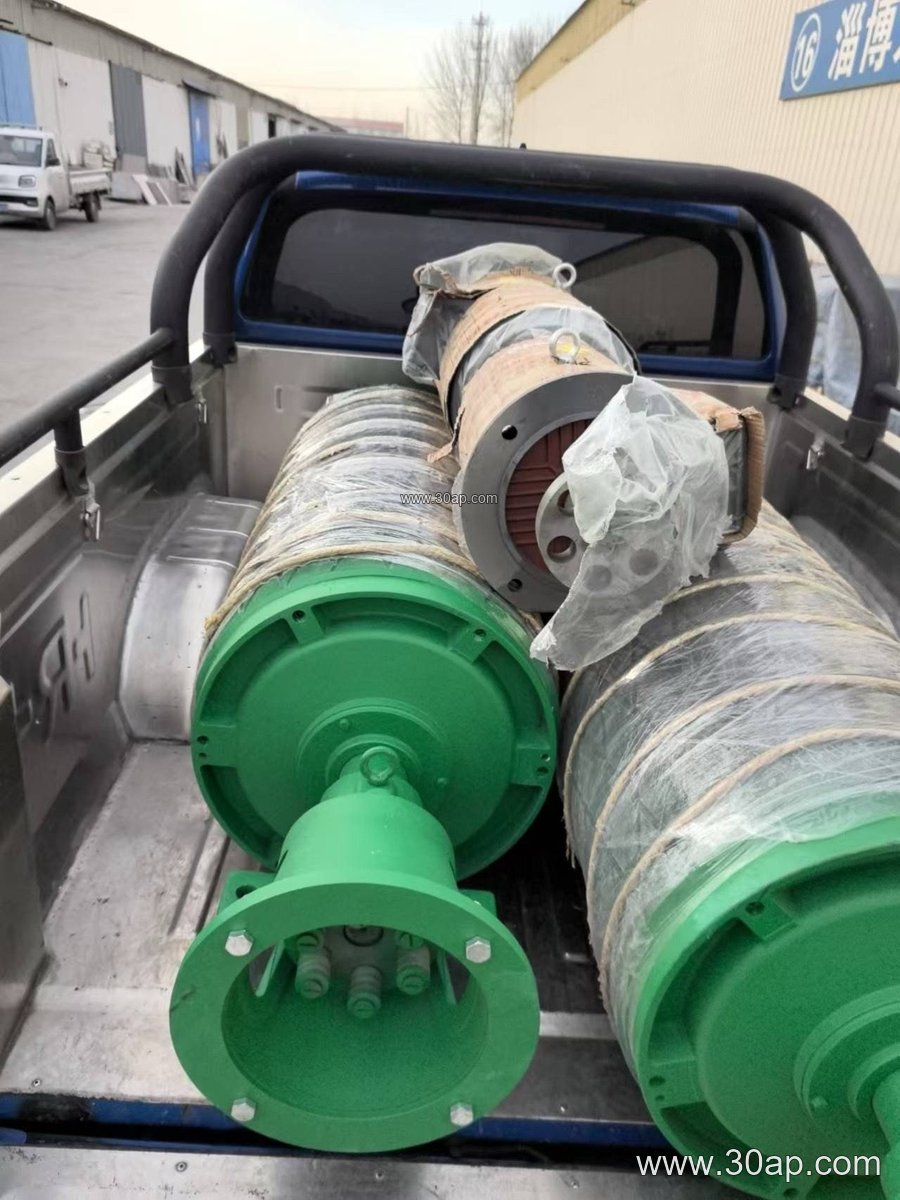
A large pulley is a high-capacity drum that drives, redirects, or tensions the conveyor belt in demanding bulk handling operations. In a cement plant clinker line or a copper mine, the head pulley often falls into this category because it must transmit high torque and support a wide, heavily loaded belt. The same product is also called a large conveyor drum or heavy-duty conveyor pulley; these are equivalent names for the same component, not different types. Drive, tail, and bend pulleys serve distinct functions and are not interchangeable, but a large pulley may be built for any of these positions when the duty calls for it.
Construction and Surface Options
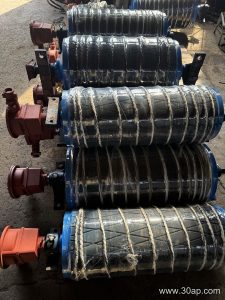
A large pulley typically combines a welded steel shell, reinforced end discs, and a shaft sized by torque and load rather than by belt width alone. Common shaft diameters for heavy units include Ø120, Ø140, Ø160, Ø180, and Ø200 mm, though the final value is determined by the drive design. The shell surface may be plain, rubber-lined, or ceramic-lagged. Rubber lagging thicknesses of 8, 10, 12, 15, and 20 mm are frequently specified, with diamond or herringbone patterns used to improve grip in wet or dusty conditions. For a coal handling system, cold-bonded rubber or ceramic lagging can help reduce slip on the drive pulley. A large pulley is often matched to belt widths such as B1200, B1400, B1600, or B1800, with the drum face width usually exceeding the belt width by roughly 100 to 200 mm.
Where It Fits in the Plant
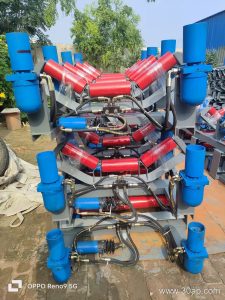
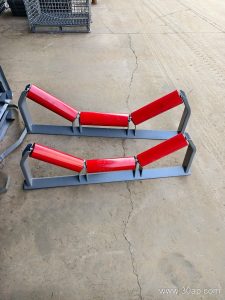
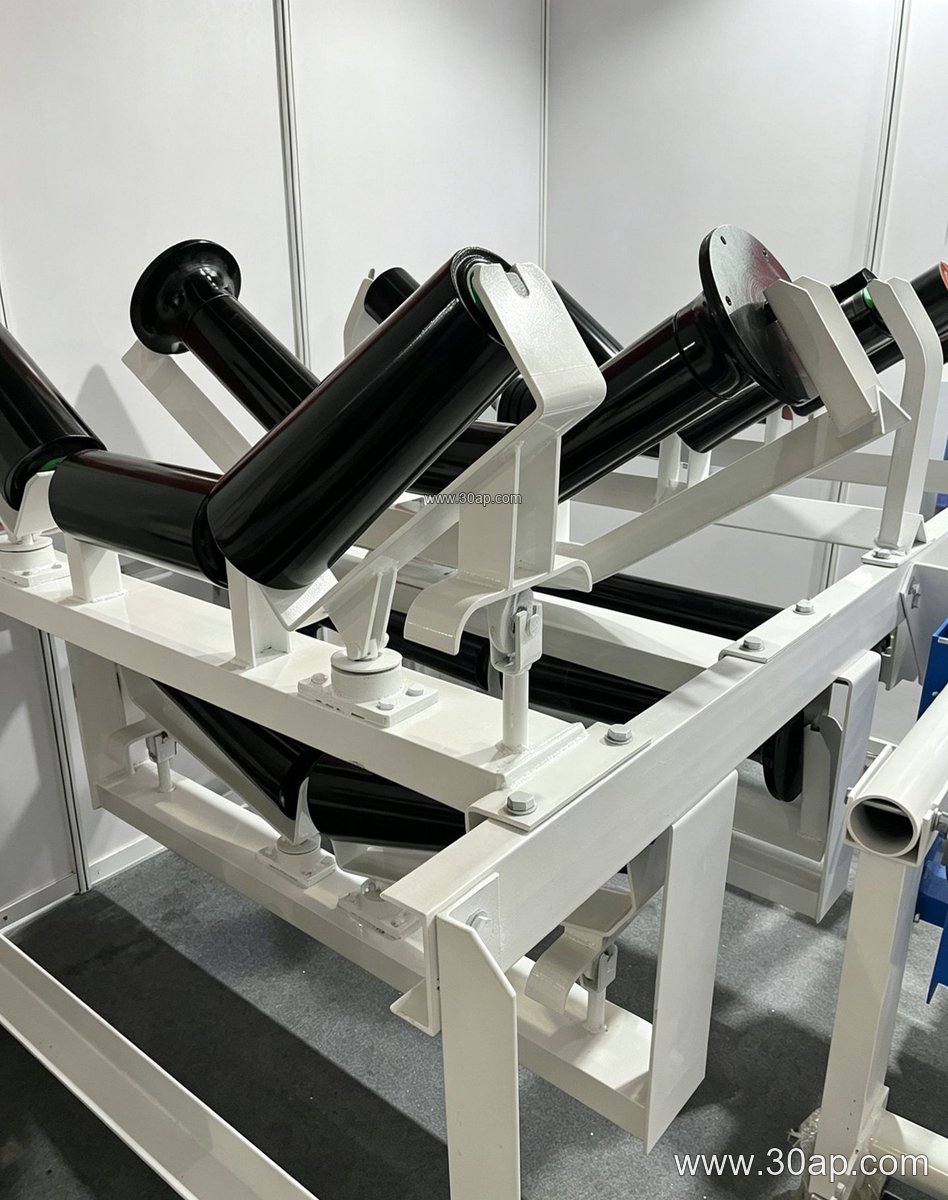
In a limestone quarry or a sand and gravel line, a large pulley may serve as the head pulley at the discharge point, where it must handle the full belt tension and abrasive dust. At a power plant coal yard, the same style of drum can act as a tail or tension pulley on a long overland conveyor. The choice between a drive position and a bend position changes the lagging, shaft, and bearing requirements, so the application should be defined before sizing. A large pulley works together with the conveyor belt, idler rollers, and conveyor brackets; it is not a standalone solution.
Key Dimensions and Reference Data
The table below lists common reference combinations. These are examples, not fixed rules; a B1200 belt can be paired with different pulley diameters depending on the conveyor design.
| Belt Width | Typical Pulley Face Width | Example Diameter | Common Shaft Diameter Range |
|---|---|---|---|
| B800 | 950 mm | Ø500 mm | Ø80–Ø120 mm |
| B1000 | 1150 mm | Ø630 mm | Ø100–Ø140 mm |
| B1200 | 1400 mm | Ø800–Ø1000 mm | Ø120–Ø160 mm |
| B1400 | 1600 mm | Ø800–Ø1250 mm | Ø140–Ø180 mm |
| B1600 | 1800 mm | Ø1000–Ø1400 mm | Ø160–Ø200 mm |
Diameter options for large pulleys often include Ø630, Ø800, Ø1000, Ø1250, Ø1400, and Ø1600 mm. Surface forms such as plain, diamond lagging, or ceramic lagging should be selected according to the material and moisture level. Do not assume that one belt width requires one specific pulley diameter; the drive calculation governs the match.
Buyer Checklist
- Confirm the pulley position: drive, tail, tension, or bend. Each has different load and lagging needs.
- Provide the belt width, belt speed, and material characteristics so the pulley diameter and shaft can be sized correctly.
- Specify the lagging type and thickness if slip resistance is important, especially in wet or dusty service.
- Check that the pulley face width suits the belt and that the shaft diameter is based on torque, not on a rule of thumb.
- Ask for the bearing type and mounting dimensions to ensure compatibility with the conveyor bracket.
A large pulley is a long-life component when matched to the duty. In a fertilizer handling facility or a grain silo, a properly selected drum reduces belt wear and keeps the conveyor running smoothly. The final specification should always come from the conveyor designer, using the actual load and tension data for the installation.