What a Trough Idler Bracket Set Does
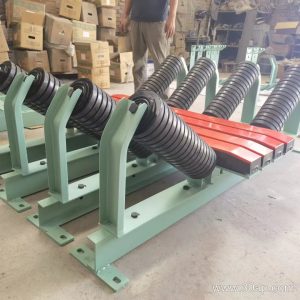
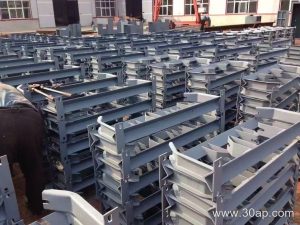
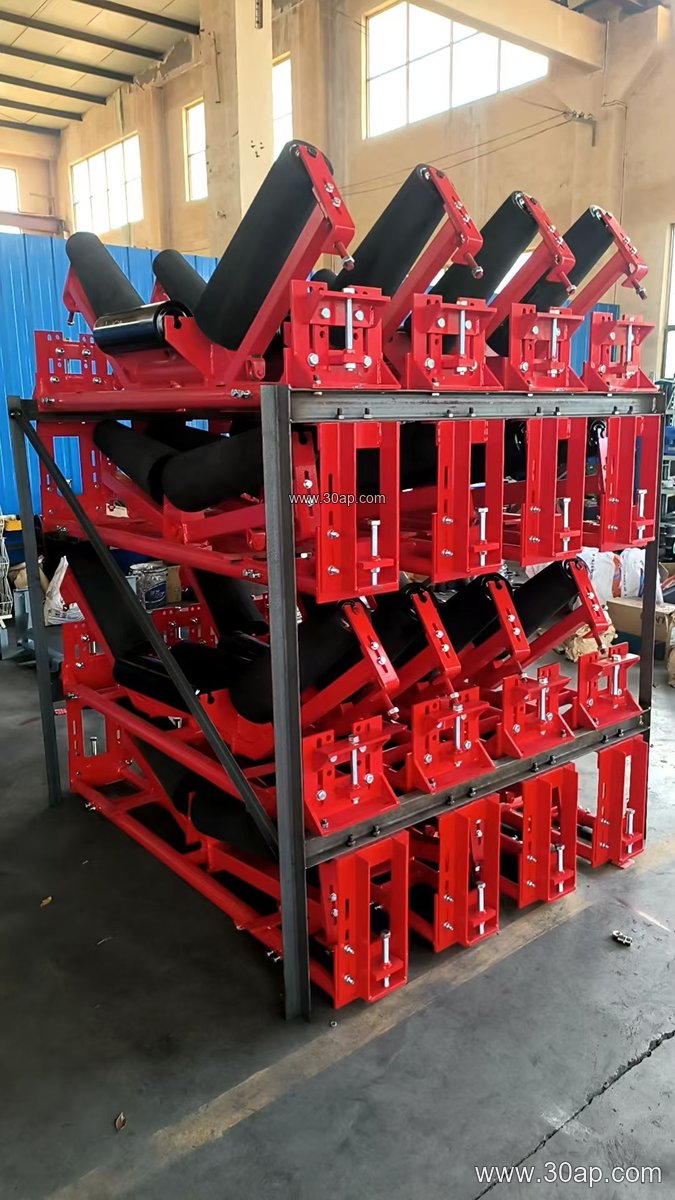
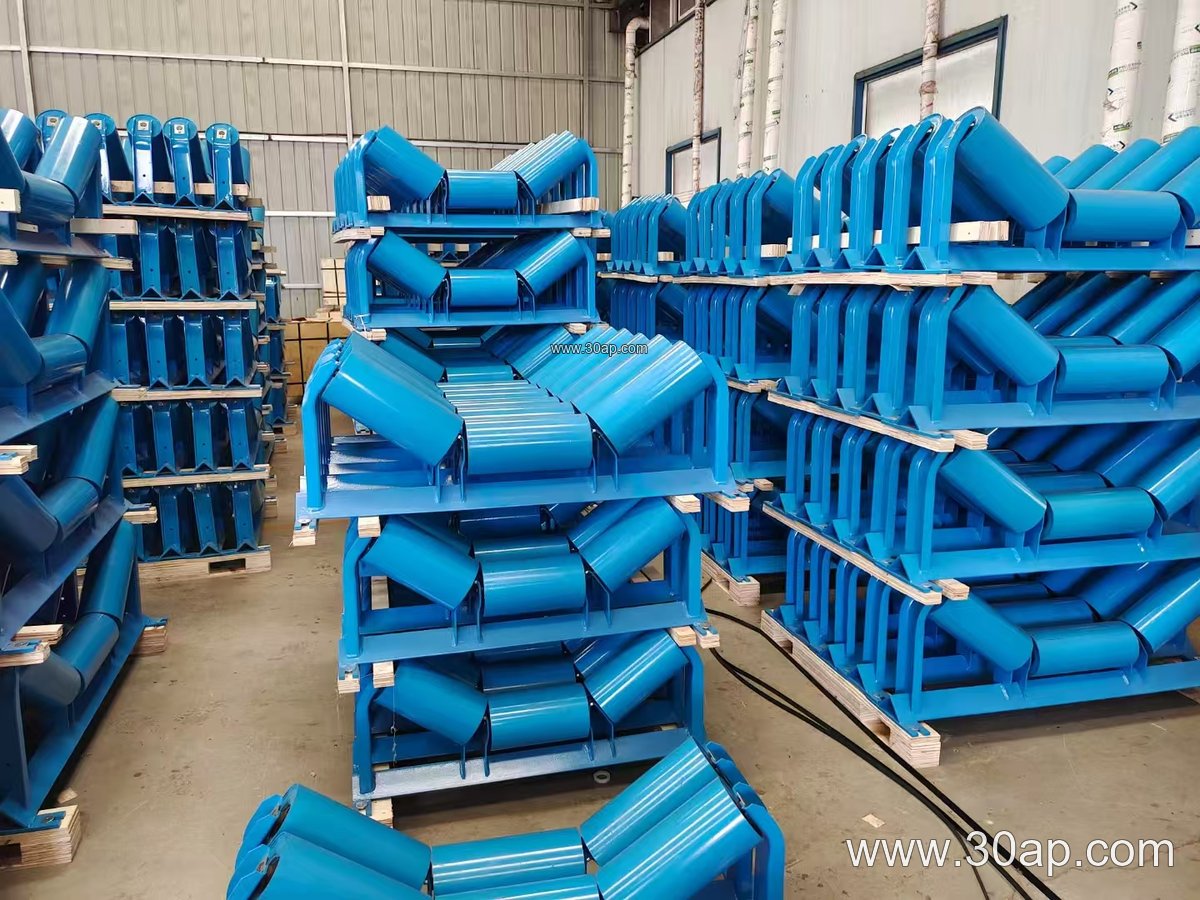
A trough idler bracket set is the mounting frame that holds the three rolls of a troughing idler in a conveyor system. It sets the trough angle, keeps the rolls aligned, and transfers the load from the belt and material into the conveyor structure. In a typical arrangement, the set includes a base frame, two side brackets angled upward, and the necessary mounting points for the idler rollers. The bracket set is usually bolted to the conveyor stringer or cross beam, and it can be fixed or adjustable depending on the design.
Where It Fits on the Conveyor
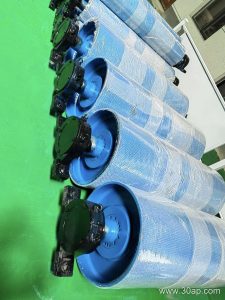
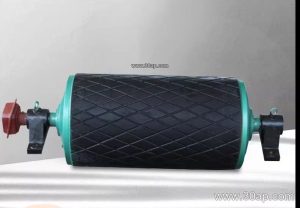
The set is installed on the carrying side of the conveyor, just ahead of the belt path. It works together with the conveyor belt and the idler rollers to form a trough shape that keeps bulk material centered. In a quarry or a cement plant, these bracket sets are common on main haulage conveyors and transfer points. They are not a replacement for a bend pulley or a tail pulley; those are separate components with different functions.
Construction and Materials
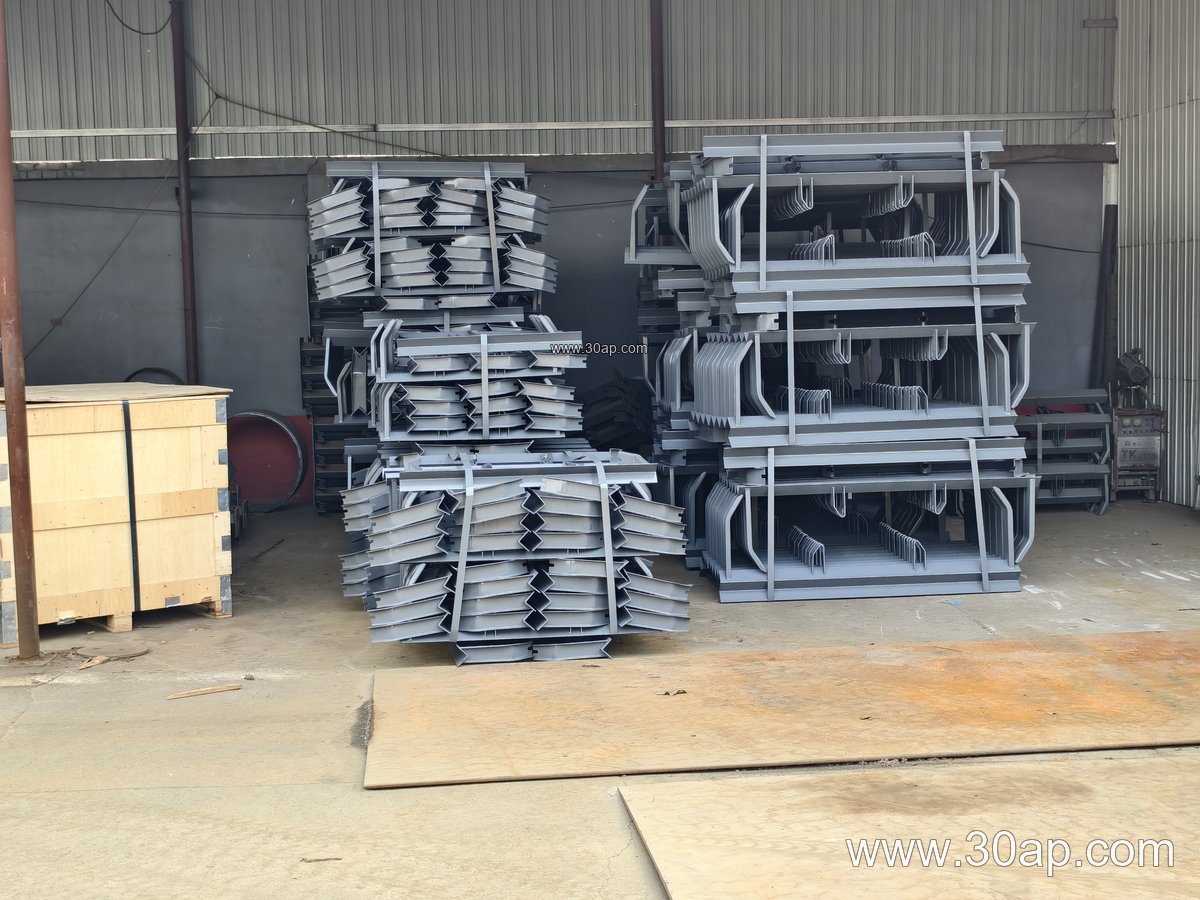
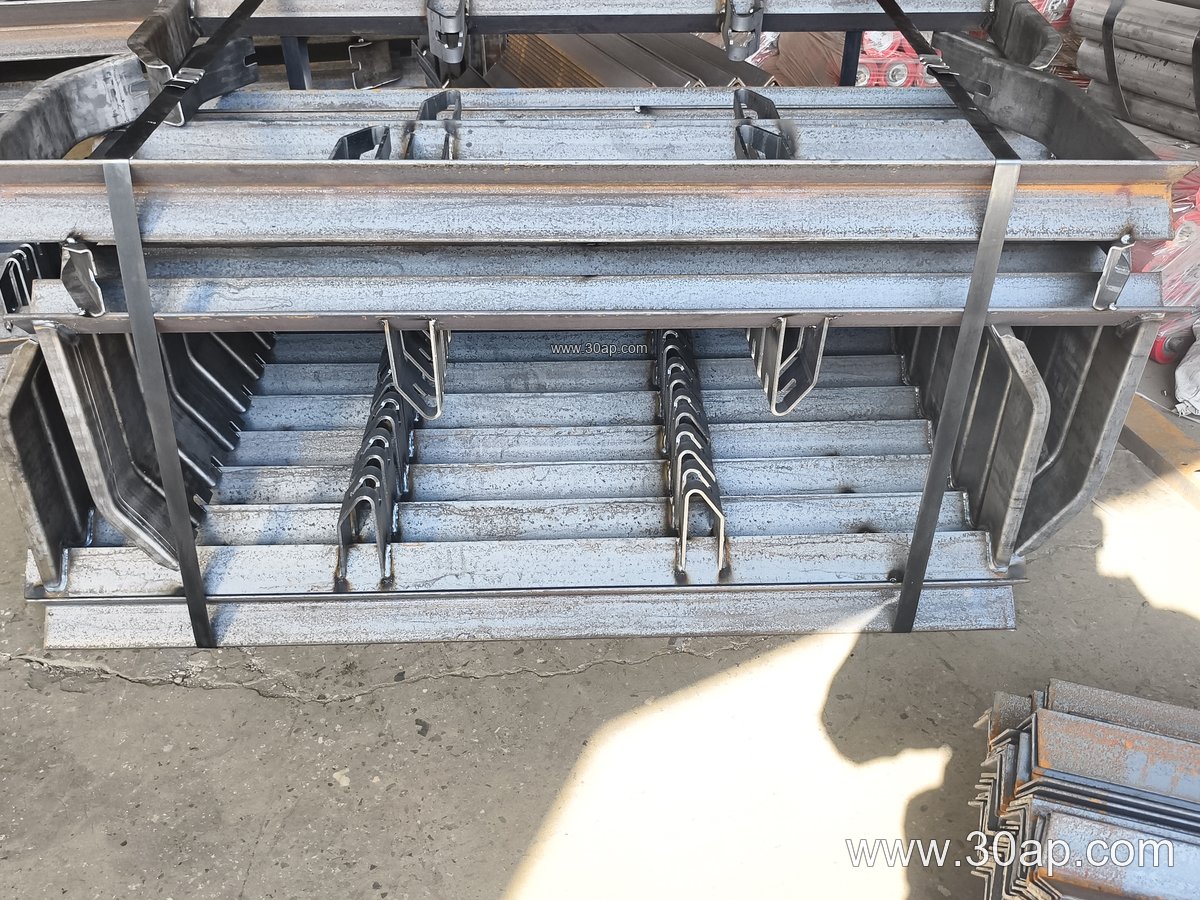
Most trough idler bracket sets are made from angle steel, channel steel, or folded steel plate. The material choice depends on the load and the environment. For heavy-duty mining conveyor belts, thicker channel steel is often used to resist vibration and impact. The bracket surfaces may be painted or galvanized, but the exact finish is specified by the conveyor designer. A set can be fixed or adjustable. Adjustable brackets allow the trough angle to be set between common values such as 20 degrees, 30 degrees, 35 degrees, and 45 degrees. Fixed brackets are welded or bolted at one angle, which is simpler and often more rigid.
Common Configurations
- Three-roll trough bracket set with fixed 35-degree angle
- Adjustable bracket set for 20 to 45-degree trough angles
- Heavy-duty bracket set for wide belts and high tonnage
- Bracket set with forward tilt of about 1.5 to 2 degrees for belt training
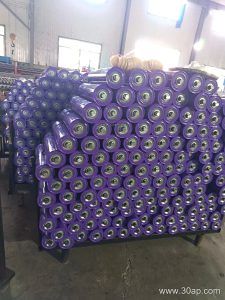
The bracket set is often paired with idler rollers of diameters such as Ø89, Ø108, Ø133, Ø159, or Ø194. The correct combination of belt width, trough angle, and roll diameter is determined by the conveyor design, not by a single rule. For example, a B800 belt may use a 35-degree bracket with Ø108 rolls, while a B1200 belt may use a 45-degree bracket with Ø133 rolls. These are reference examples, not fixed requirements.
Selection Points for Buyers
When selecting a trough idler bracket set, start with the belt width and the required trough angle. The bracket set must match the conveyor stringer spacing and the mounting hole pattern. Check the roll diameter and the bearing housing size to ensure the idler roller fits properly. For dusty or wet conditions, consider brackets with good drainage and corrosion protection. In coal mining or power plant coal handling, flame retardant conveyor belt and anti-static properties are important for the belt, while the bracket set should be robust enough to handle continuous operation. The bracket set does not need to match a specific brand of idler, but the mounting dimensions must be compatible.
Typical Reference Data
| Belt Width | Common Trough Angle | Common Roll Diameter |
|---|---|---|
| B500 | 20° or 30° | Ø89 |
| B650 | 30° or 35° | Ø89 or Ø108 |
| B800 | 35° | Ø108 |
| B1000 | 35° or 45° | Ø108 or Ø133 |
| B1200 | 35° or 45° | Ø133 |
| B1400 | 45° | Ø133 or Ø159 |
| B1600 | 45° | Ø159 |
| B1800 | 45° | Ø159 or Ø194 |
These values are common references. Actual selection depends on the conveyor design, material lump size, and load. For a quarry conveyor belt or an ore conveyor belt, the bracket set should be sized to the belt width and the idler roll diameter specified by the conveyor engineer.
Installation and Maintenance Notes
Install the bracket set so that the trough angle is consistent along the conveyor. Check that all mounting bolts are tight and that the bracket is square to the belt path. Misalignment can cause the conveyor belt to train to one side and wear the idler rollers unevenly. In a crusher conveyor belt or a screen plant, vibration can loosen bolts over time, so periodic inspection is recommended. Replace bent or cracked brackets promptly. A damaged bracket set can affect the trough shape and reduce the belt’s load capacity. Keep spare bracket sets on hand for critical conveyors in a port or a steel plant.
For more information on compatible conveyor components, visit our site at www.example.com/trough-idler-bracket-set. The bracket set works with standard idler roller and conveyor pulley arrangements, but the drive pulley, tail pulley, and bend pulley are separate items and should be specified independently.