What an Underground Coal Mining Conveyor Belt Has to Handle
An underground coal mining conveyor belt is the load-carrying element of a continuous haulage system that moves cut coal from the face area, transfer points, and development headings to the shaft or drift. Compared with surface installations, the underground duty is harsher: restricted headroom, dust, moisture, methane risk, and frequent starting under load. The belt must run quietly over idler roller sets, track well around conveyor pulleys, and resist cutting and abrasion without becoming a fire hazard. Because the whole system is a loop, the belt often takes the form of an endless conveyor belt spliced on site, which reduces mechanical joints and improves reliability.
Construction of the Belt
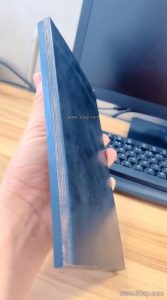
Most coal haulage belts are fabric-reinforced or steel-reinforced rubber composites. The carcass provides tensile strength and troughability; the covers protect it from wear and moisture. Common carcass options include EP conveyor belt (polyester warp, nylon weft), NN conveyor belt (nylon/nylon), and steel cord conveyor belt for long, high-tension runs. Multi-ply fabric core designs with two to six plies are widely used in gate roads and main haulage drifts, while steel cord constructions suit trunk conveyors with high capacity and long centre distances.
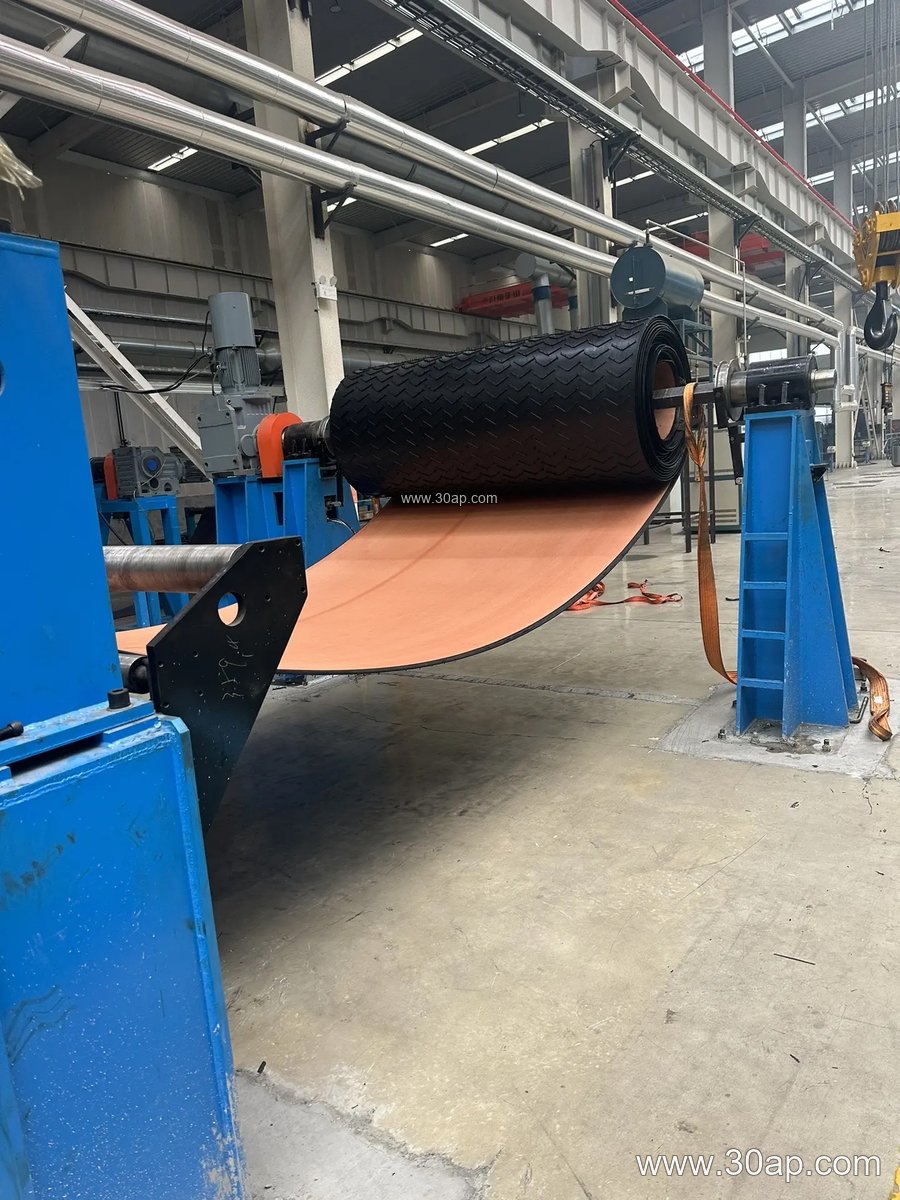
Cover compounds are selected by the dominant risk. A flame retardant conveyor belt is standard practice in coal seams, and fire resistant grades are specified where regulations or risk assessments demand them. Anti-static properties are usually built into the same compound. Where coal is dry and abrasive, an abrasion resistant conveyor belt with thicker covers lasts longer; where the seam is wet or the coal carries oil, an oil resistant grade helps. Cold resistant compounds matter in deep shafts with low temperatures and high humidity.
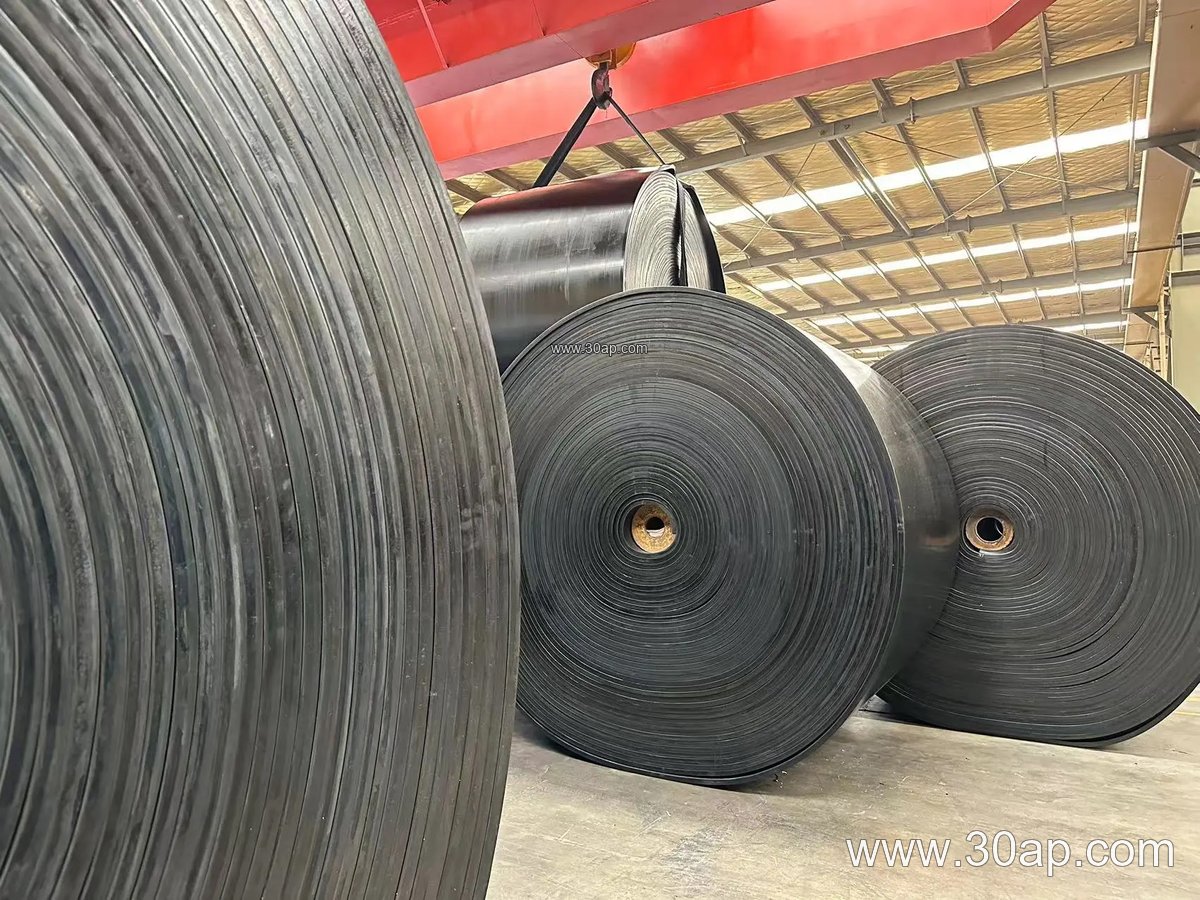
Typical Reference Data
The values below are common industry references, not fixed supply commitments. Actual construction depends on the conveyor design, and one belt width does not dictate one pulley diameter.
- Fabric types: EP200, EP315, EP400, EP500, EP630, EP800, EP1000, EP1250, EP1600, EP2000
- Steel cord grades: ST1000, ST1250, ST1600, ST2000, ST2500, ST3150
- Widths: B500, B650, B800, B1000, B1200, B1400, B1600, B1800, B2000
- Cover gauges: 3+1.5, 4+2, 5+2, 6+2, 8+3 mm
- Carcass plies: 2 to 6 for fabric core
Where It Fits in the Mine Layout
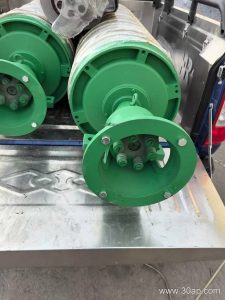
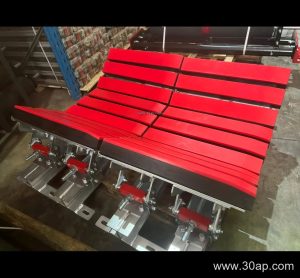
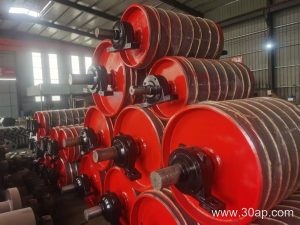
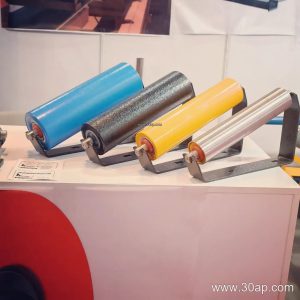
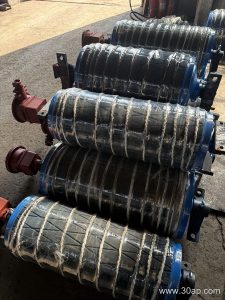
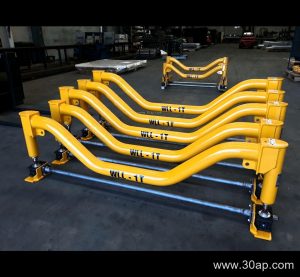
These belts are used in face gate roads, main drifts, incline shafts, and bunker discharge lines. A typical transfer point combines a conveyor pulley at the drive and tail, a bend pulley to route the return strand, idler roller frames for troughing and return support, and conveyor bracket assemblies that anchor the structure to the floor or roof. In longwall operations the belt may be shortened or extended as the face advances, so splice quality and spare belt availability matter as much as the original specification. Similar heavy-duty belt technology also appears in cement plants, power plant coal yards, and quarry conveyor lines, but underground service adds ventilation limits and stricter fire safety requirements.
Selection Points for Buyers
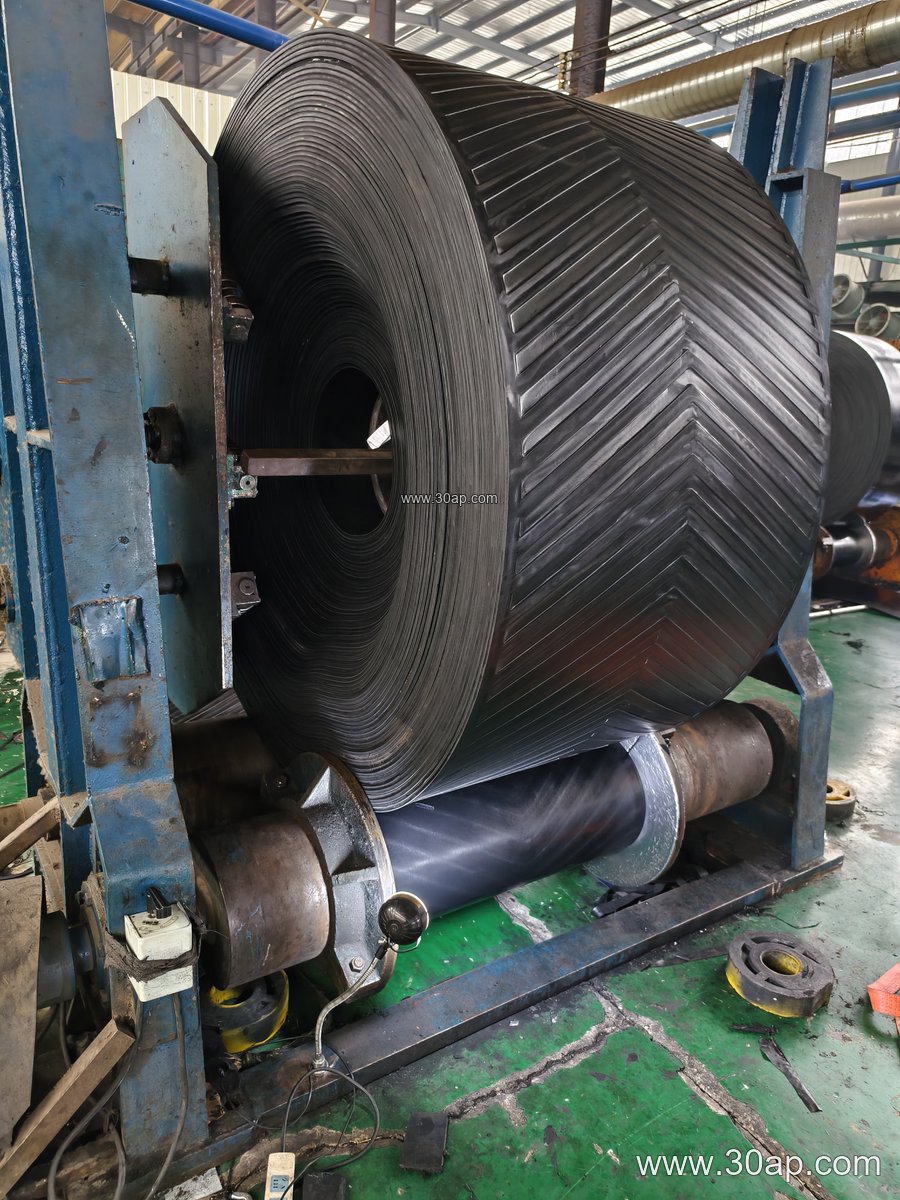
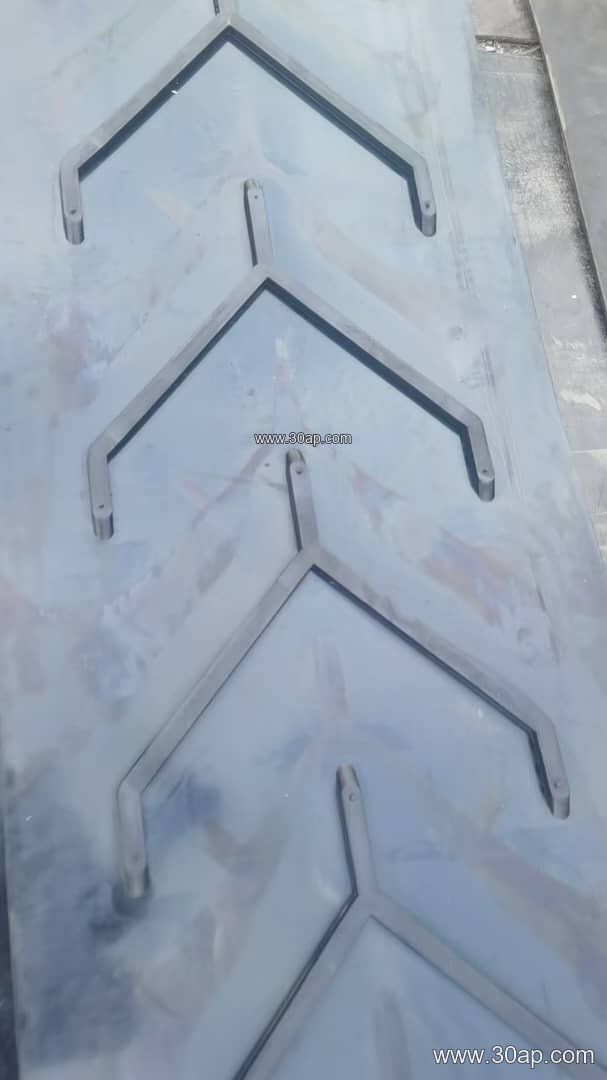
Start from the duty, not the catalogue. Confirm the peak tonnage, lump size, incline angle, and the tension the drive must develop. Then match the carcass grade to that tension with a sensible safety factor, and choose cover thickness by abrasion and impact rather than by habit. For steep inclines, a chevron conveyor belt or a corrugated sidewall belt may be considered, but these are alternatives for specific geometry, not replacements for a standard troughed belt on flat haulage.
Flame retardancy and anti-static performance should be stated in the purchase specification, along with the test method the supplier will follow. Ask how the belt will be joined: vulcanized splice, mechanical fastener, or factory endless. Check that the belt thickness and troughability suit the existing idler roller trough angle and that the pulley diameters are compatible with the carcass flexibility. Widths such as 1000mm, 1200mm, and 1400mm are common in main haulage, while 650mm and 800mm appear in gate roads and smaller drifts.
Installation and Maintenance Notes
Alignment is the first cause of edge damage. Check that the structure is square, that idlers are set at the correct height, and that the belt is centred before tensioning. Keep the return strand clean; coal spillage trapped under the belt grinds the carcass and wears the pulleys. Inspect splices regularly for open edges, and record cover thickness so replacement is planned rather than reactive. Store spare rolls under cover, away from ozone sources and direct sunlight, and rotate stock so the oldest belt is used first.
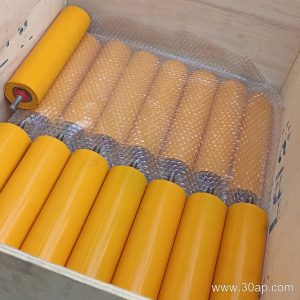
For a complete underground coal mining conveyor belt package, buyers often review the belt together with idler roller sets, conveyor pulley assemblies, and support brackets to ensure the whole loop is compatible. Further technical details on belt grades and widths are available at www.example.com/underground-coal-mining-conveyor-belt and related pages covering conveyor belt, idler roller, and conveyor pulley options.