What a Conveyor Ceramic Lagged Pulley Does
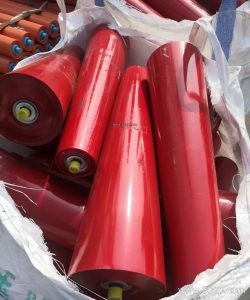
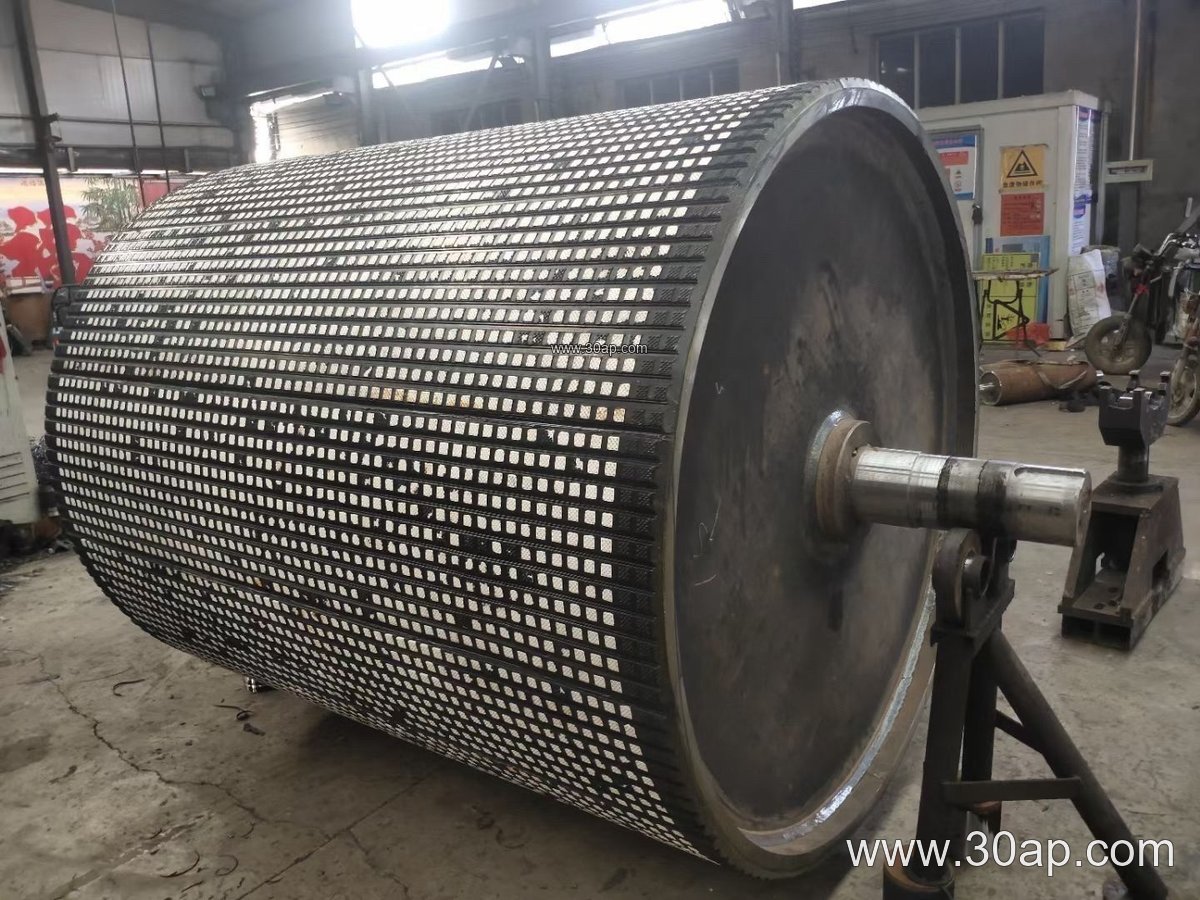
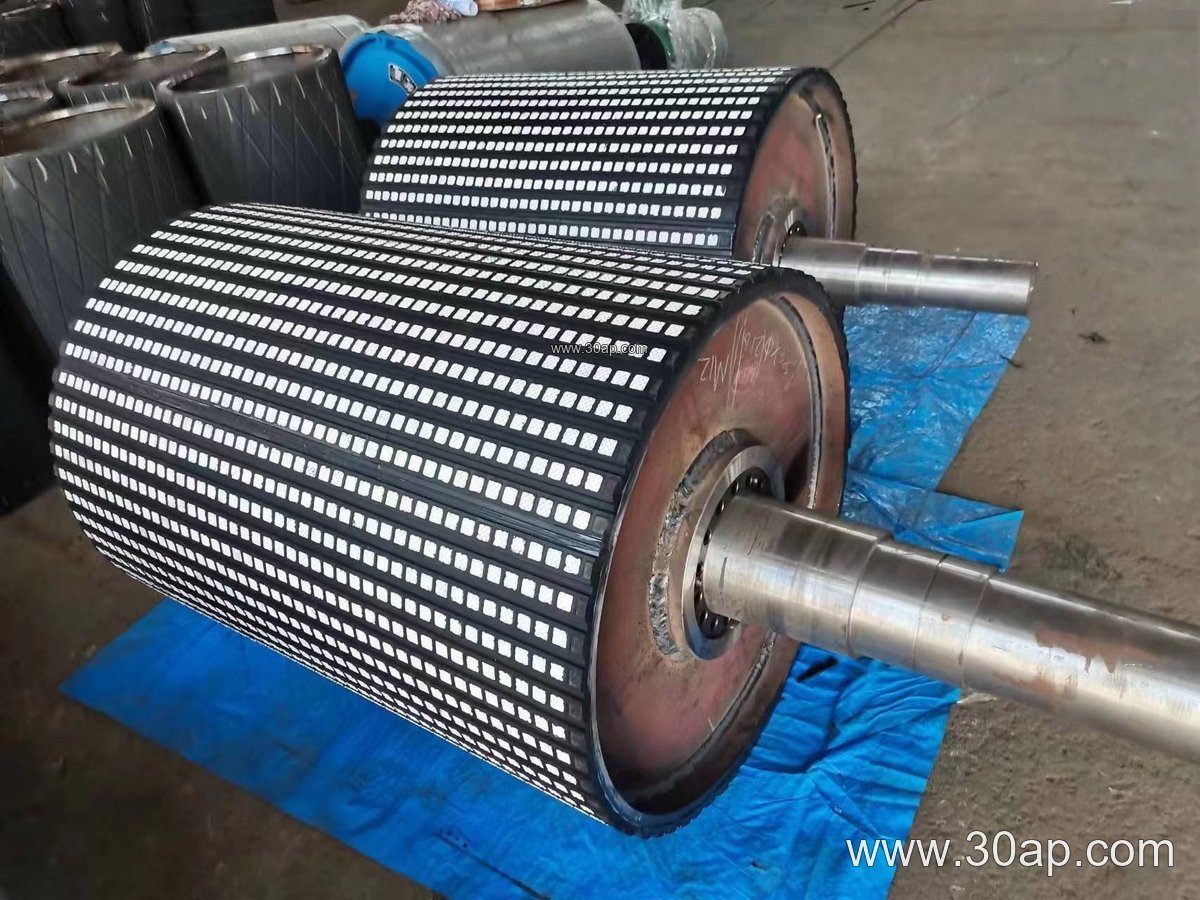
A conveyor ceramic lagged pulley is a conveyor pulley whose shell is covered with a rubber lagging that holds embedded ceramic tiles. The ceramic pieces sit proud of the rubber surface and give the pulley a rough, high-friction face. On a belt conveyor, that face matters most where the pulley must transmit torque without slipping. In a quarry, a limestone mine, or a cement plant running an inclined belt, a smooth steel shell can lose grip once dust or moisture gets between belt and pulley. The ceramic lagging is designed to bite through that film and keep the drive reliable.
The product is also called a ceramic lagged drum pulley or ceramic-coated pulley. It is still a conveyor pulley, not a substitute for a bend pulley, tail pulley, or tension pulley, although the same lagging approach can appear on those positions when extra grip is needed.
How the Lagging Is Built
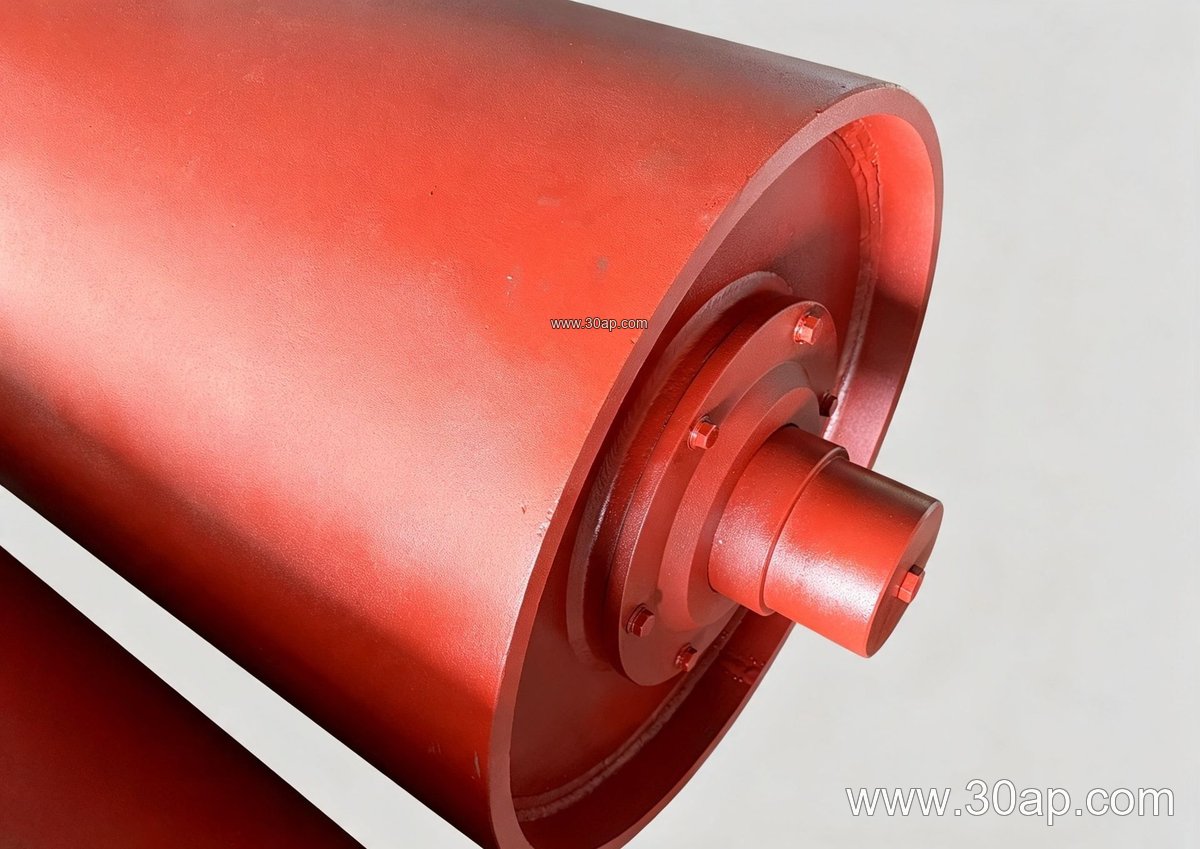
The base is a steel shell with end discs and a shaft, machined for the bearing housings and hub fit. Rubber lagging is bonded to the shell, usually by hot vulcanization so the bond survives repeated flexing and wet conditions. Ceramic tiles, often small rectangles or squares with chamfered edges, are pressed into the rubber before curing. The result is a surface where rubber provides cushioning and the ceramic provides hardness and abrasion resistance.
- Rubber layer: commonly 8 mm, 10 mm, 12 mm, 15 mm, or 20 mm thick, selected by duty
- Ceramic tiles: hard, wear-resistant inserts arranged in a regular pattern
- Shell: welded steel, with a face width that normally exceeds the belt width
- Shaft and hubs: sized by torque and radial load rather than belt width alone
Common pulley diameters run from about Ø200 mm for small units up to Ø1800 mm for large head drives. Face width follows belt width, so a B800 belt usually runs on a pulley face around 950 mm, and a B1200 belt around 1400 mm. These are reference figures, not fixed pairings. The correct diameter depends on belt tension, wrap angle, and shaft load, and a B1000 belt may reasonably run on more than one pulley diameter.
Where It Is Used
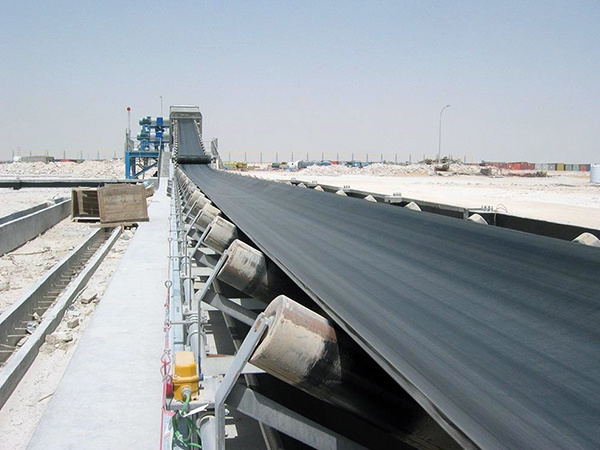
The most common position is the head or drive pulley, where the belt leaves the pulley under full tension and slip would quickly damage both belt and lagging. Coal washing plants, power plant coal handling, iron ore and copper ore lines, and aggregate crushing circuits all use ceramic lagging on heavily loaded drives. In a sand and gravel plant, a ceramic lagged pulley on the main incline often outlasts plain rubber, because grit does not polish the surface smooth.
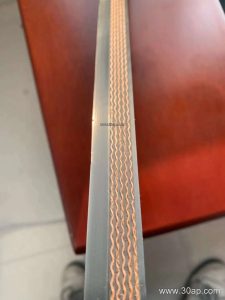
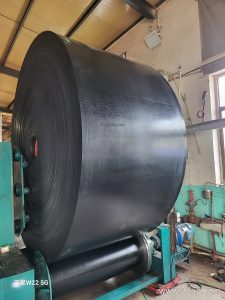
Other positions include tension pulleys that must hold grip while taking up stretch, and bend pulleys on long overland routes. On a big installation, the drive may work with a heavy-duty mining conveyor belt, such as an EP200 or EP300 fabric core belt, or a steel cord belt like ST1600 where the belt is long and the tensions are high. The pulley does not care which belt family is fitted, but the lagging hardness and tile pattern should suit the belt cover and the material being carried.
Matching the Pulley to the Belt Line
Buyers should treat the pulley as part of a system, not a standalone part. A few details decide whether the ceramic lagging performs:
- Belt width and pulley face width: confirm the face is wider than the belt, for example B650 with a face near 750 mm or B1400 with a face near 1600 mm
- Belt type and cover: a flame retardant conveyor belt used in underground coal mining may call for a different lagging compound than an abrasion resistant belt on dry stone
- Drive duty: starting torque, incline, and load profile determine shaft size, typically Ø80 to Ø200 mm on larger units
- Environment: wet, dusty, or oily service affects rubber hardness and tile spacing
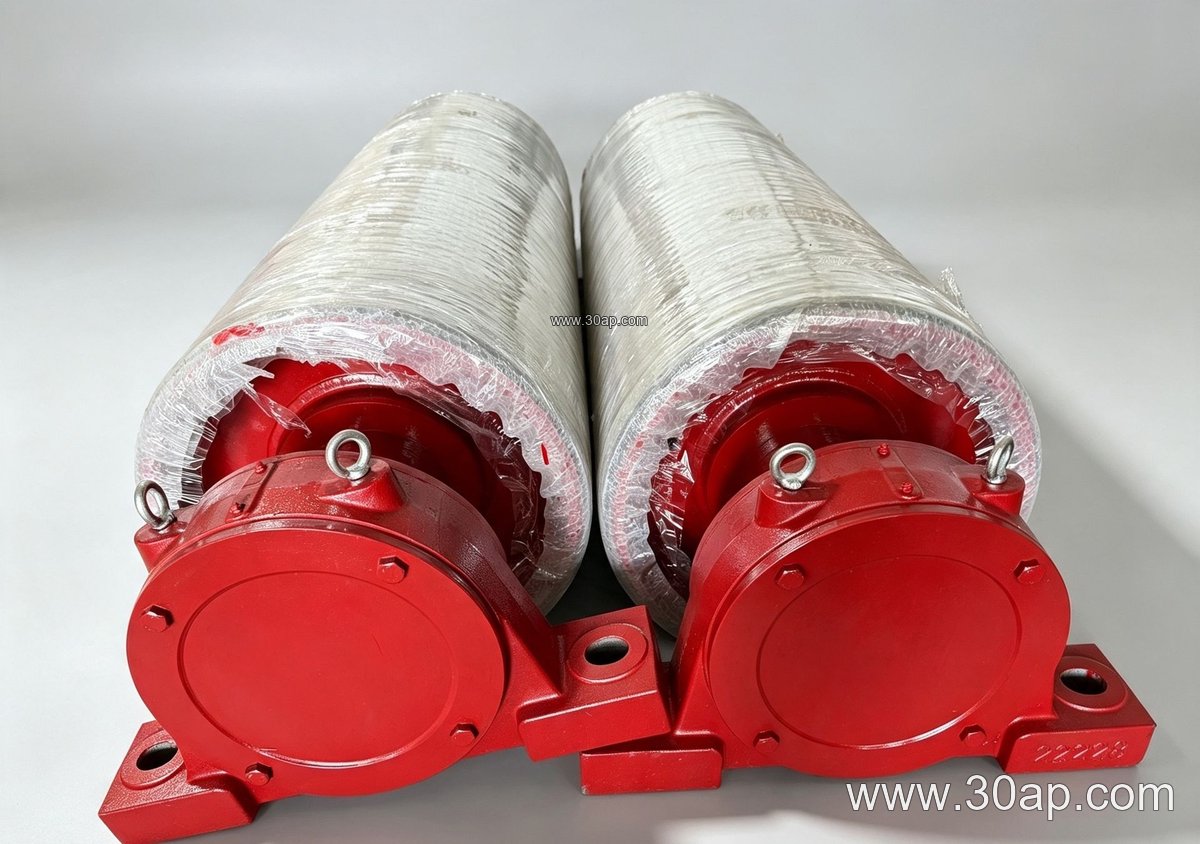
- Bearing and bracket interface: the conveyor bracket and bearing housing must match the shaft and mounting centers
Ceramic lagging is not the right answer everywhere. On a small tail pulley with a light load, plain rubber or a smooth face may be enough, and ceramic can add cost without benefit. On a reversing belt, check that the tile pattern works in both directions. For comparison, a bend pulley usually needs only a plain or lightly lagged face, while a drive pulley at the same plant may justify ceramic.
Inspection and Maintenance Notes
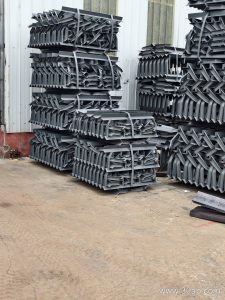
Ceramic lagging is durable but not indestructible. Tiles can crack if the belt carries large sharp lumps, and rubber can debond if the pulley runs misaligned or the belt slips for long periods. Inspect the surface for missing tiles, lifted edges, and polished patches at every shutdown. Keep the belt tracking straight so the load stays centered, and check that the conveyor idler roller frames and pulley brackets hold alignment. A worn lagging reduces friction and increases slip, which raises belt tension and heat.
When ordering, give the supplier the belt width, pulley diameter, face width, shaft diameter, bearing type, lagging thickness, and the position in the conveyor. That information, rather than a single size, is what makes a conveyor ceramic lagged pulley fit the job.