What a Rubber Ring Impact Idler Does
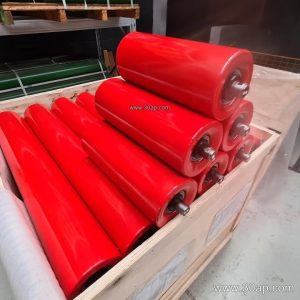
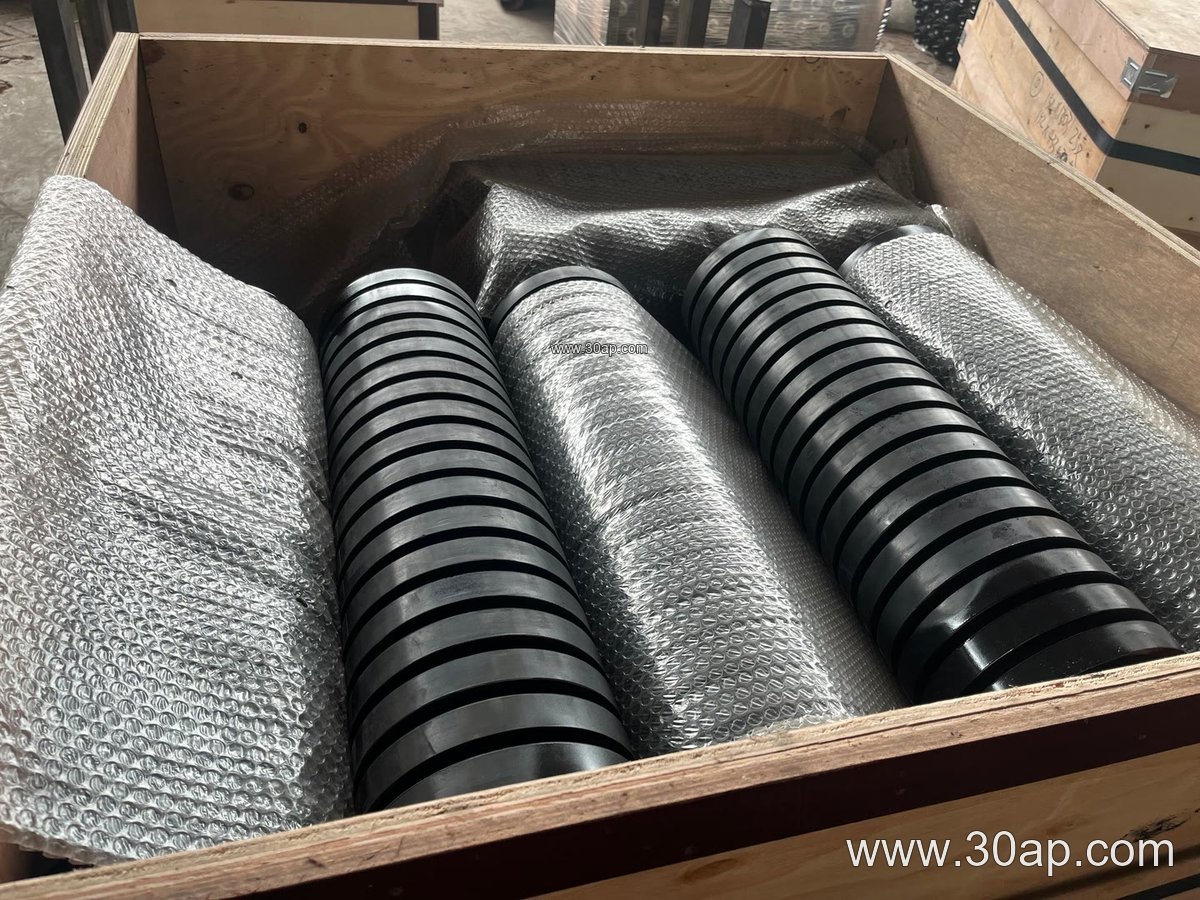
A rubber ring impact idler is a heavy-duty roller used at conveyor loading and transfer points where falling material hits the belt with force. Instead of a plain steel shell, the roller carries a series of thick rubber rings or discs that absorb shock, protect the conveyor belt, and reduce noise. In many plants the same product is called a rubber disc impact roller or rubber ring buffer idler, and it belongs to the buffer idler family rather than to standard carrying or return idlers.
The working principle is simple. The rubber rings flex under impact, spreading the load over a longer section of belt and softening the point where lumps of rock, ore, or clinker land. This helps limit belt surface damage, edge cracking, and splice fatigue. It also protects the idler roller itself from bent shafts and flattened shells.
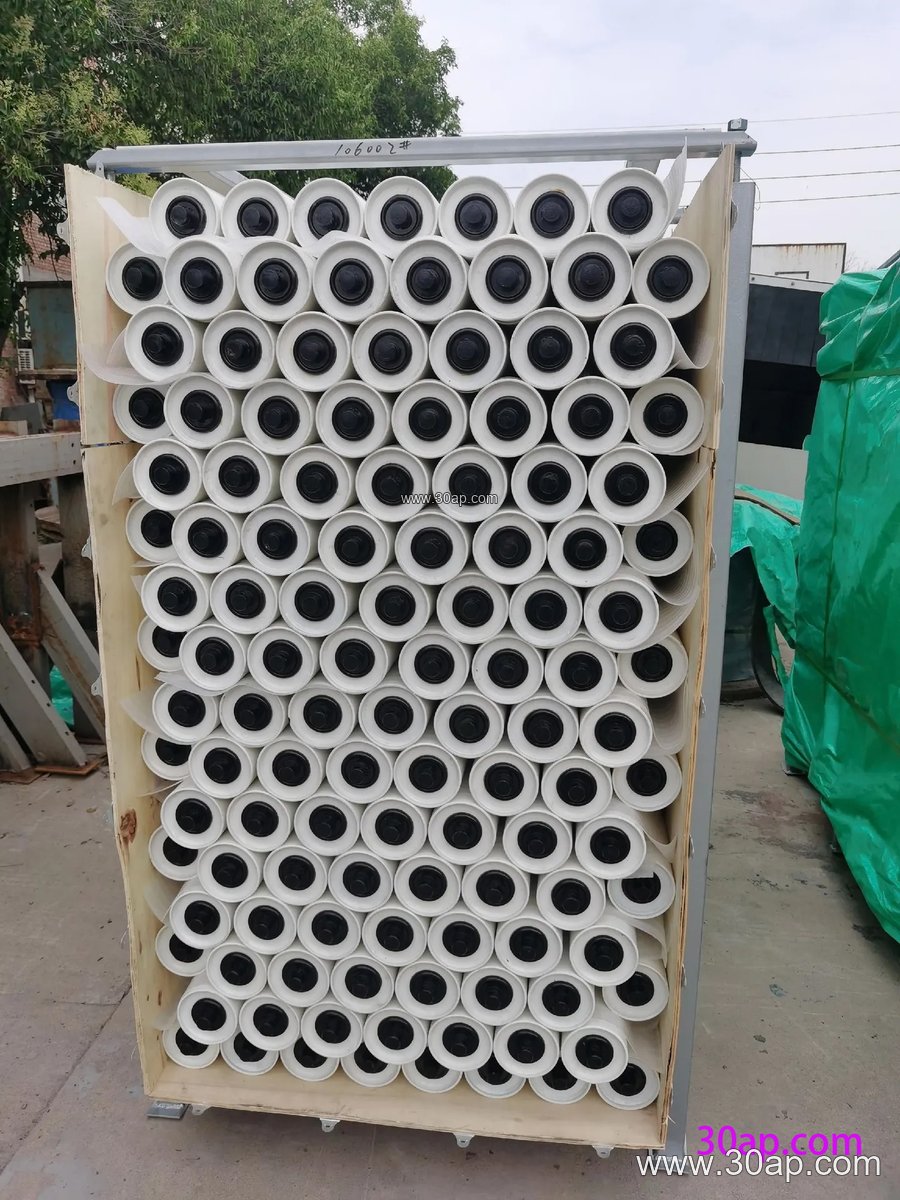
Construction and Key Parts
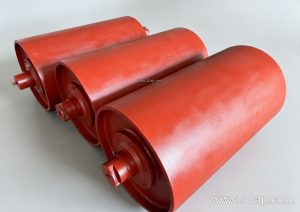
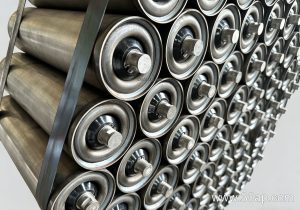
A typical unit is built around a steel shaft, sealed ball bearings, and a steel tube body. Rubber rings are fitted along the shell with spacers between them, and the whole assembly is mounted in a conveyor bracket or frame. Common bearing sizes include 6204, 6205, 6305, 6306, 6308, and 6310, matched to the shaft and load rather than to a single roller diameter. Roller diameters are usually chosen from a range such as Ø89, Ø108, Ø127, Ø133, Ø159, Ø178, or Ø194 mm, depending on belt width and impact energy.
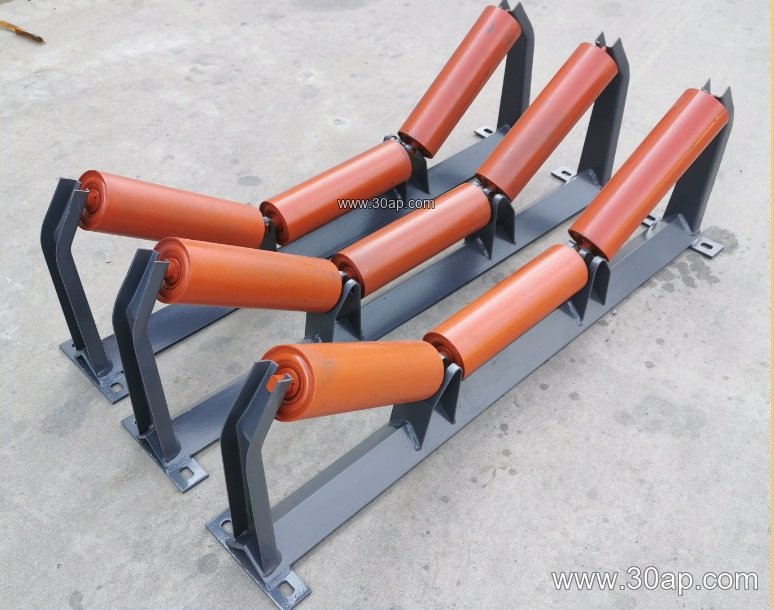
Rubber quality matters as much as ring thickness. A hard, brittle compound cracks; a soft one deforms and wears quickly. Buyers should ask about rubber hardness, ring spacing, and the sealing arrangement, because dust and fines are the main enemies of bearings at transfer points.
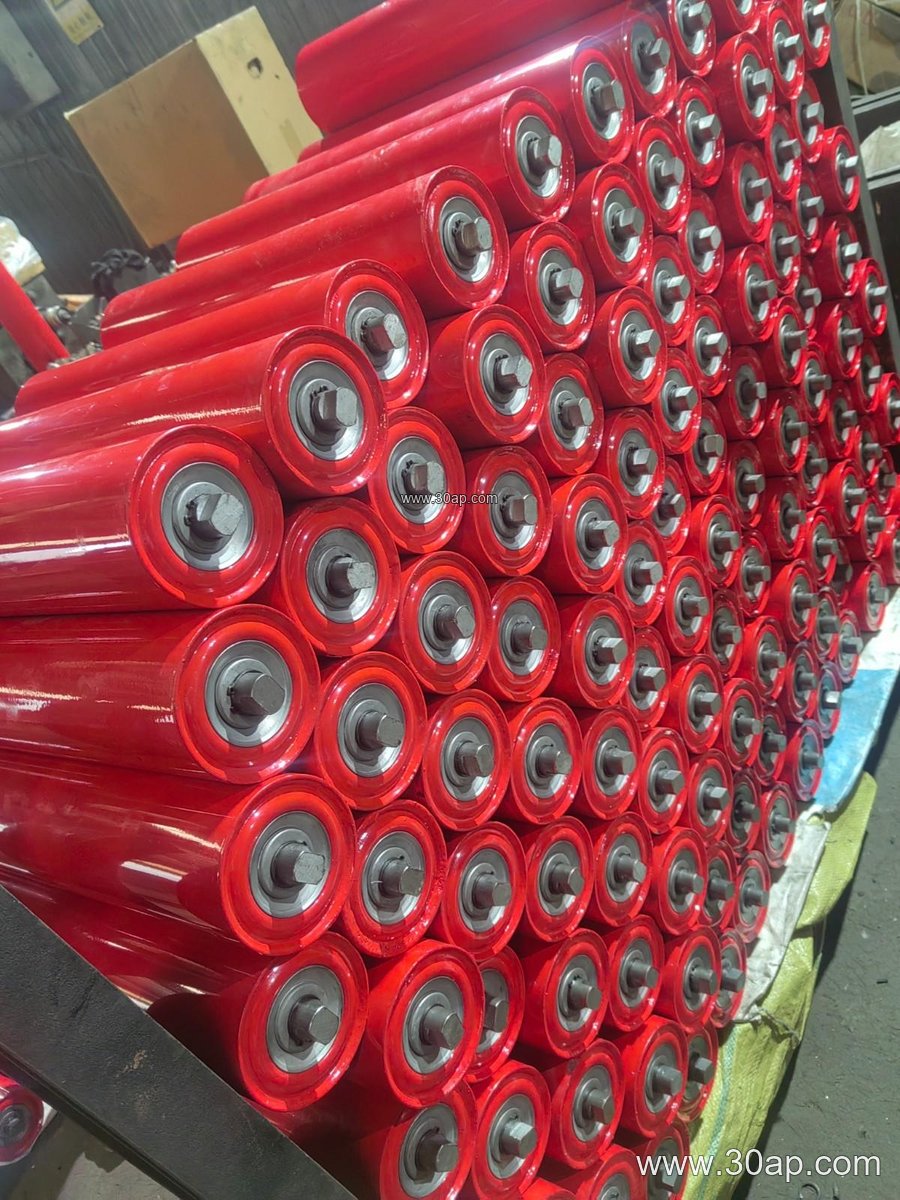
Where It Fits on the Conveyor
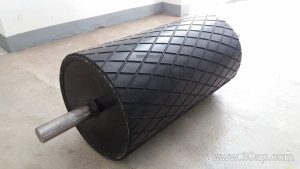
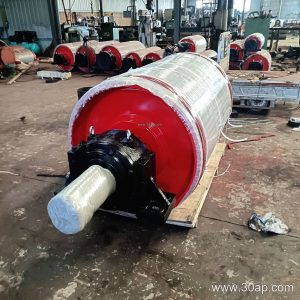
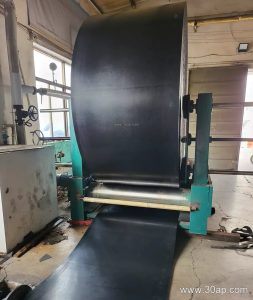
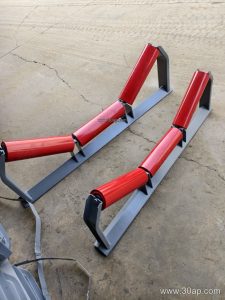
The rubber ring impact idler is normally installed in the impact zone under the loading chute, often as part of a three-roll troughing set or a two-roll set. It works together with the conveyor belt, the conveyor pulley at the head or tail, and the supporting conveyor bracket. It is not a replacement for a drive pulley, tail pulley, or bend pulley; those are different components with different duties.
Typical industries include coal mining, iron ore and copper ore handling, quarry and aggregate lines, cement plants, power plant coal yards, steel plants, and port bulk terminals. In a coal mining conveyor or a quarry conveyor, the first few idlers after the loading point often take the worst punishment, which is exactly where this buffer idler earns its place.
Common Sizes and Matching
Rubber ring impact idlers are made for standard belt widths, and the roller length changes with belt width, trough angle, and roll arrangement. The table below gives common reference examples, not fixed rules.
| Belt width | Common roller length (three-roll trough) | Typical roller diameter range |
|---|---|---|
| B500 | about 200 mm | Ø89–Ø108 mm |
| B650 | about 250 mm | Ø89–Ø127 mm |
| B800 | about 315 mm | Ø108–Ø133 mm |
| B1000 | about 380 mm | Ø108–Ø159 mm |
| B1200 | about 465 mm | Ø127–Ø159 mm |
| B1400 | about 530 mm | Ø133–Ø178 mm |
| B1600 | about 600 mm | Ø133–Ø194 mm |
| B1800 | about 670 mm | Ø159–Ø194 mm |
| B2000 | about 750 mm | Ø159–Ø219 mm |
Trough angles of 20, 30, 35, and 45 degrees are common, and the side rollers may differ from the centre roll. A 1200mm wide conveyor belt does not automatically dictate one shaft diameter; the shaft is set by the load and the idler design. The same applies to belt widths such as 650mm, 800mm, 1000mm, or 1400mm.
Buyer Checklist
- Confirm the belt width, trough angle, and whether the frame is two-roll or three-roll.
- State the material type and lump size so the rubber ring hardness and spacing can be chosen.
- Check bearing size, sealing type, and shaft end fitting against the existing conveyor bracket.
- Ask how the rings are retained and whether they can be replaced individually.
- Match the idler to the belt in use, whether it is an abrasion resistant conveyor belt, a flame retardant conveyor belt for underground service, or a heat resistant conveyor belt near hot material.
For heavy impact zones, a rubber ring impact idler is often a better choice than a standard steel roller. It is not a substitute for correct chute design or belt support, but it is one of the simplest ways to reduce belt damage and downtime at the loading point. For related conveyor components and belt options, visit www.example.com/conveyor-idler and www.example.com/conveyor-belt.