What Conveyor Pulley Lagging Does
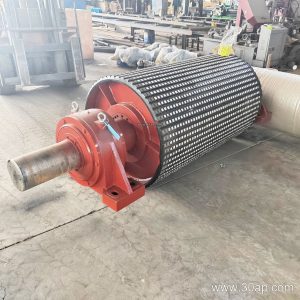
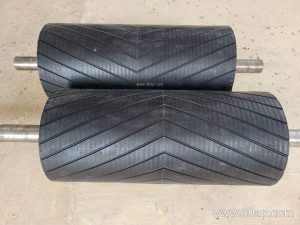
Conveyor pulley lagging is the rubber or ceramic layer bonded to the shell of a conveyor pulley to improve grip between the drum and the conveyor belt. Without it, a bare steel shell can slip once the belt carries wet, dusty, or oily material, and slip means belt wear, heat, and lost throughput. In a quarry, a cement plant, or a power plant coal yard, the lagging is often the difference between a drive that pulls steadily and one that keeps stalling.
The lagging is not the same thing as the pulley itself, and it should not be confused with an idler roller. It is a wear part fixed to the shell surface, and it can be replaced when worn.
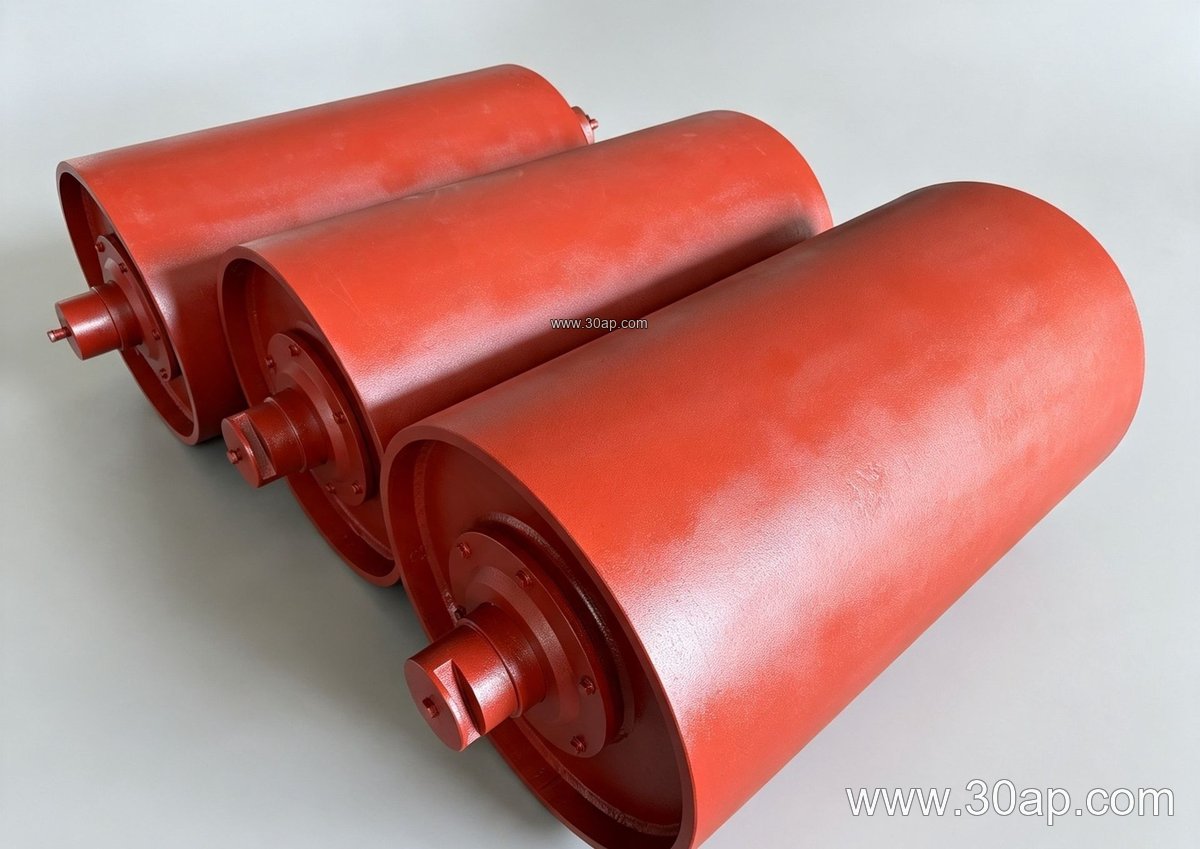
How the Lagging Is Built
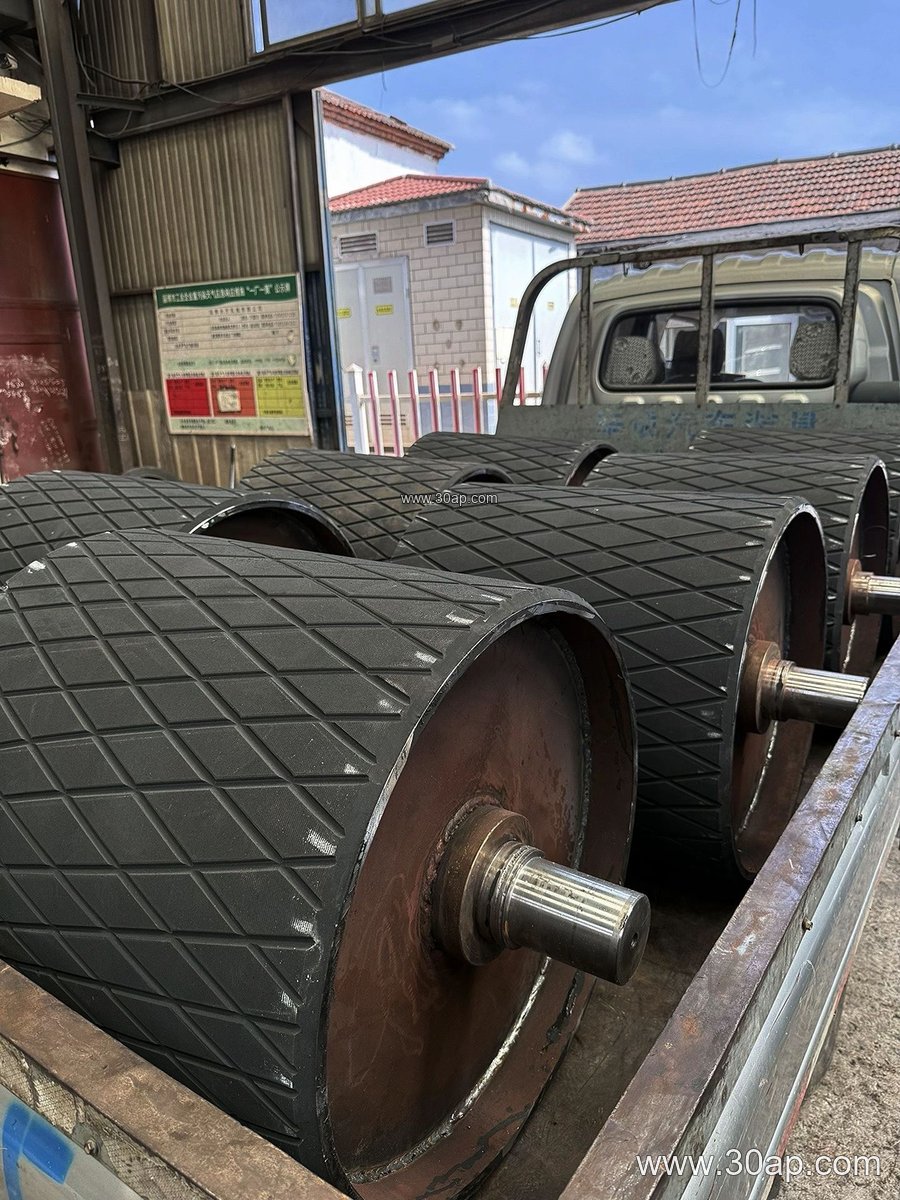
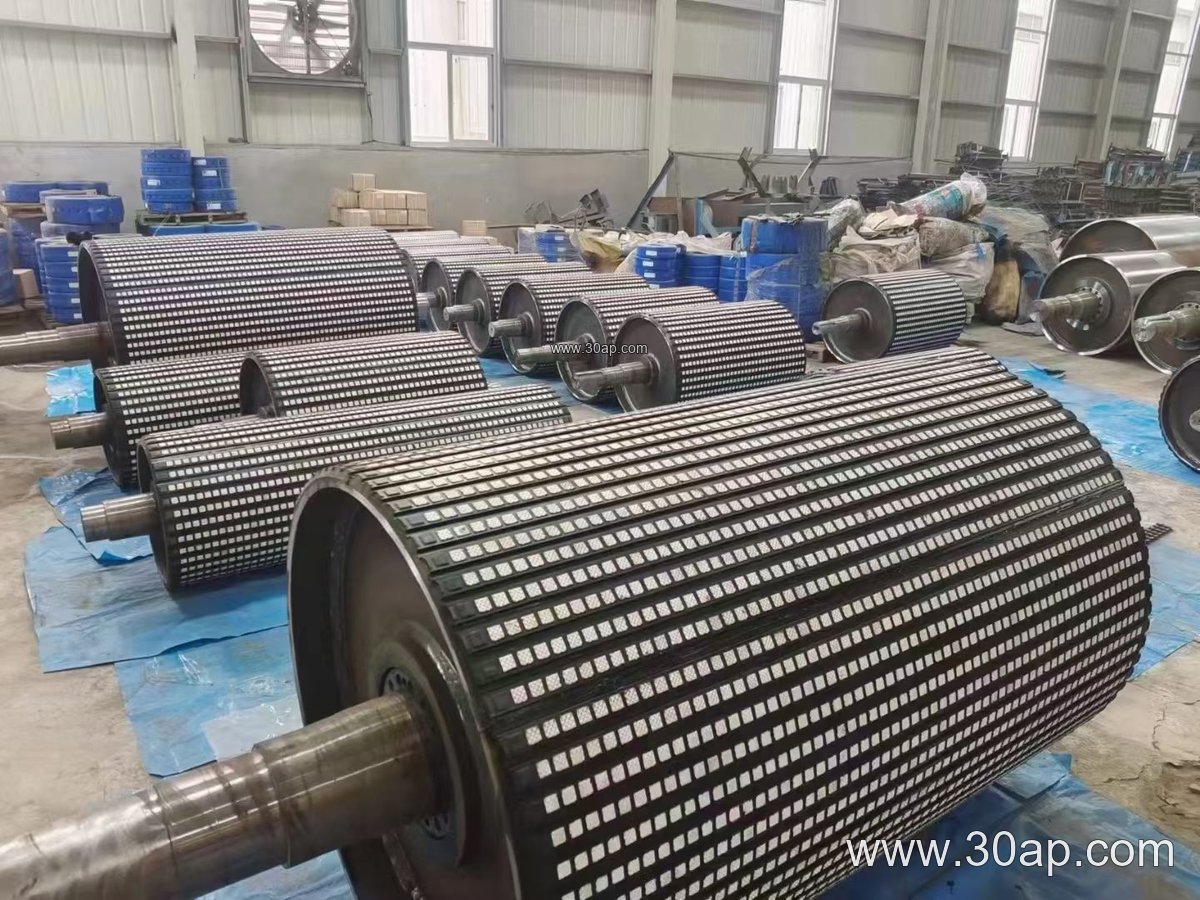
Most lagging starts as a rubber sheet, either plain or patterned, bonded to the pulley shell. Common build routes include cold-bonded rubber, hot-vulcanized rubber, cast rubber, and ceramic tiles set in a rubber base. A diamond or herringbone pattern helps water and fines escape from under the belt, while ceramic studs suit high-abrasion duty.
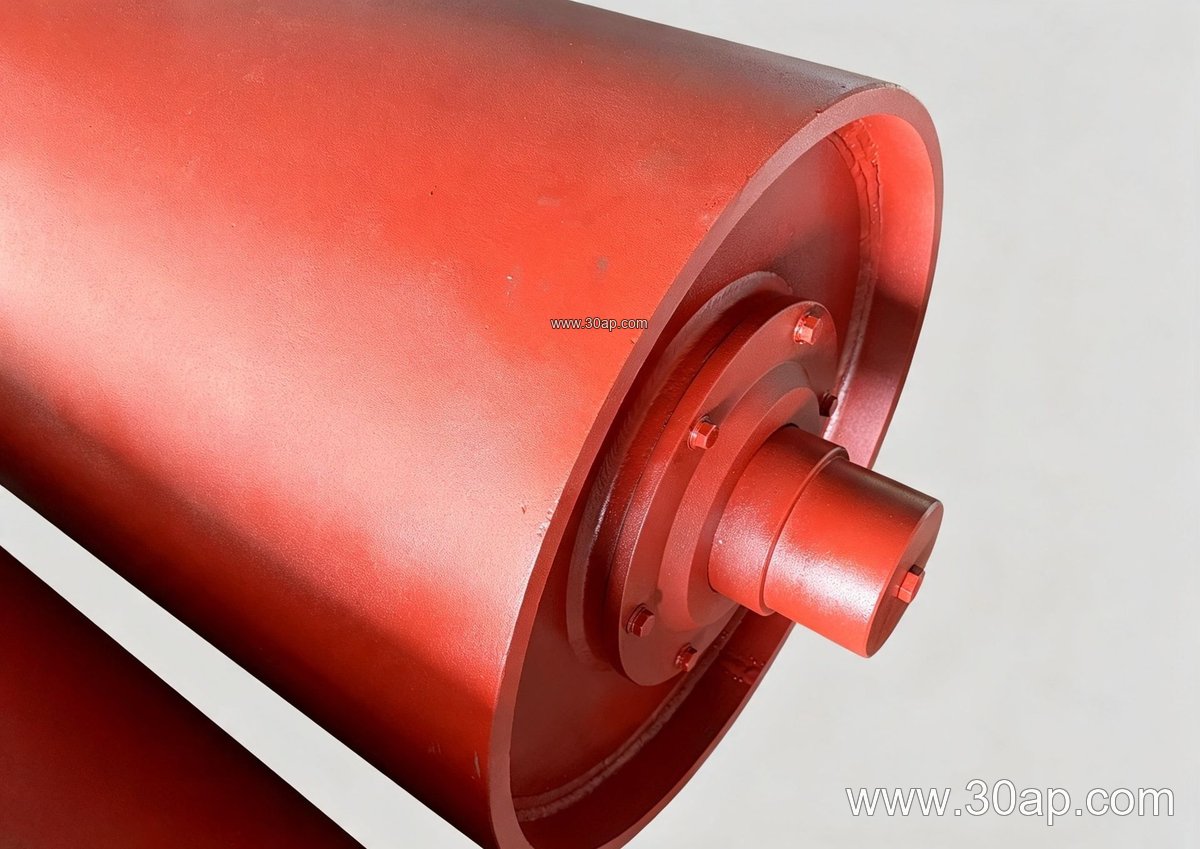
Typical lagging thicknesses are 8, 10, 12, 15, and 20 mm. Thicker does not always mean better; the drive duty and the belt cover grade decide the right figure.
| Build option | Common use |
|---|---|
| Plain rubber | Clean, dry bulk material |
| Diamond pattern | Wet or dusty conditions |
| Herringbone | Reversing or two-way belts |
| Ceramic | High abrasion, heavy ore |
Where It Fits on the Conveyor
Lagging appears on the drive pulley, the tail pulley, and bend pulleys, but each position plays a different role. The drive or head pulley needs the most grip because it transmits the torque. The tail pulley usually needs protection from fines and a little traction to keep the belt tracking. A bend pulley may use a thinner cover simply to reduce wear.
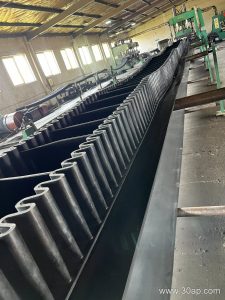
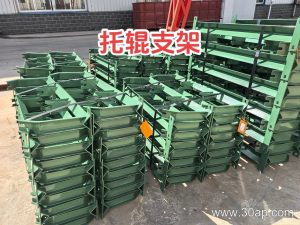
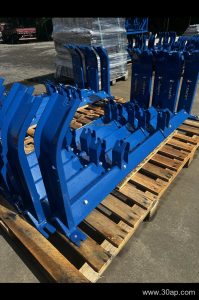
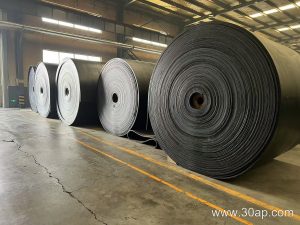
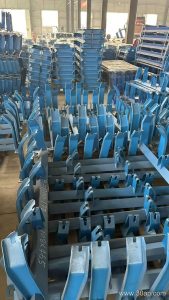
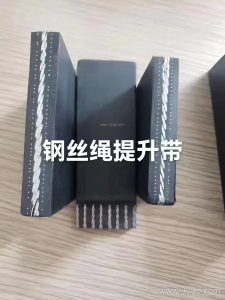
When a plant runs a heavy-duty mining conveyor belt with a steel cord carcass, the drive pulley lagging must match that higher tension. On a smaller aggregate conveyor belt line, a standard rubber cover is often enough. The conveyor belt, the conveyor pulley, and the conveyor bracket all work as one system, so lagging choice should follow the whole design.
Matching Lagging to Belt and Duty
Belt width and pulley diameter are linked by design, not by a fixed rule. A B800 pulley might run Ø500 in one plant and Ø630 in another, depending on tension and wrap angle. Shaft diameter is set by torque and load, usually somewhere in the Ø50 to Ø200 range, and is never chosen from belt width alone.
Material type matters too. An abrasion resistant conveyor belt on a crusher discharge line will wear a plain cover quickly, while a heat resistant conveyor belt in a cement kiln area may call for a cover that tolerates warmth. In coal mining, a flame retardant conveyor belt is common, and the lagging should not undermine that safety intent.
Buyer Checklist
- Confirm the pulley position: drive, tail, bend, or take-up.
- State belt width and pulley diameter, for example B1200 × Ø1000.
- Describe the material: wet, oily, abrasive, or hot.
- Choose surface form and thickness together.
- Ask how the lagging is bonded and how it is replaced.
A well-specified cover keeps the belt running true, protects the shell, and reduces downtime in plants handling ore, clinker, coal, or aggregate.