What a Skirted Conveyor Belt Is
A skirted conveyor belt is a fabric or steel reinforced belt fitted with raised side walls, usually rubber skirts, that run along both edges to keep bulk material inside the carrying area. The skirted conveyor belt is often called a sidewall belt or corrugated sidewall conveyor belt, and these names describe the same product family. The skirts work with the base belt to form a shallow trough, so material stays on the belt even when the conveyor is loaded heavily or runs at an incline. In quarry, cement, coal mining and power plant circuits, this design reduces spillage and keeps the working area cleaner.
How the Belt Is Built
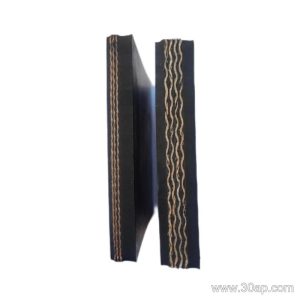
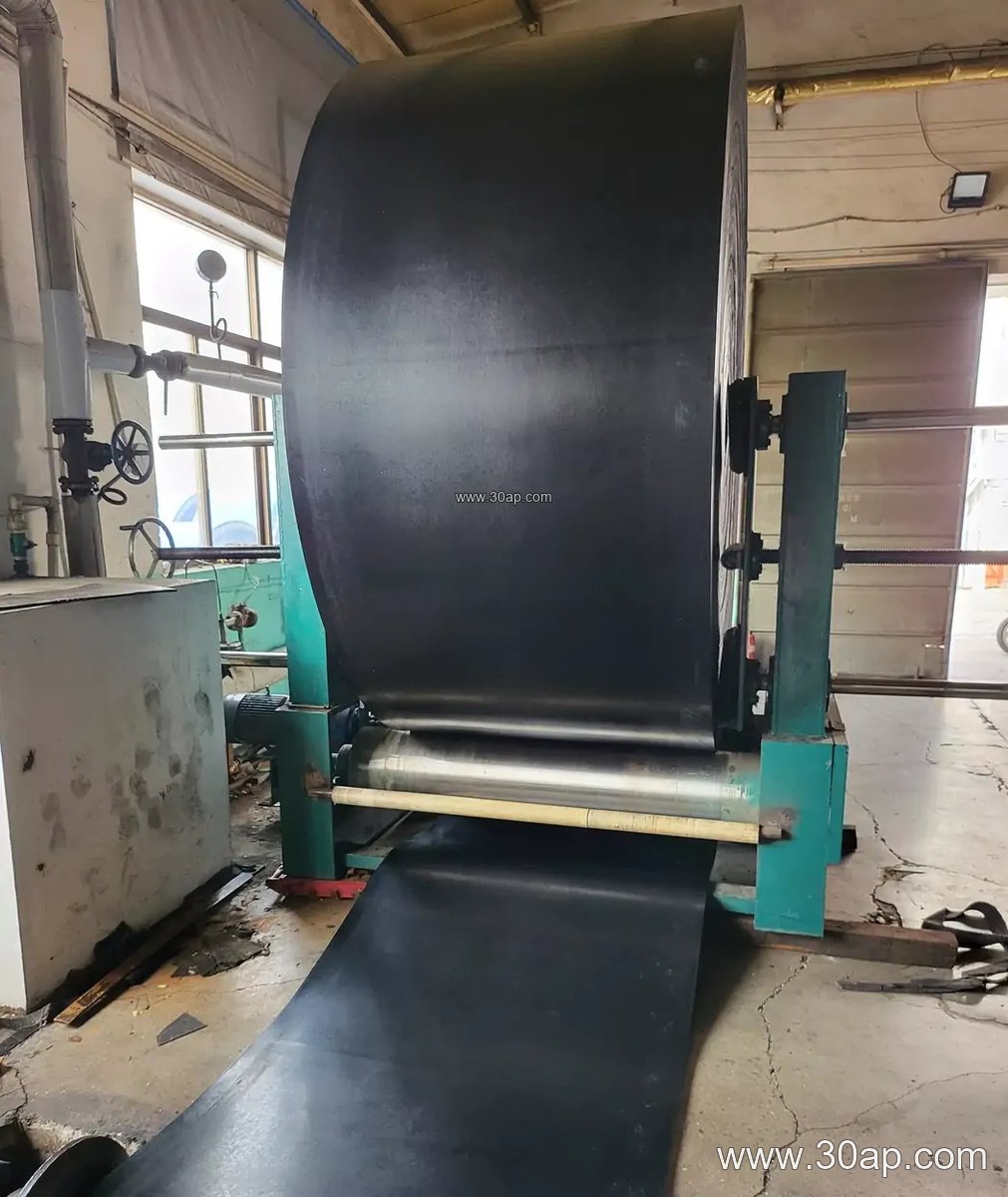
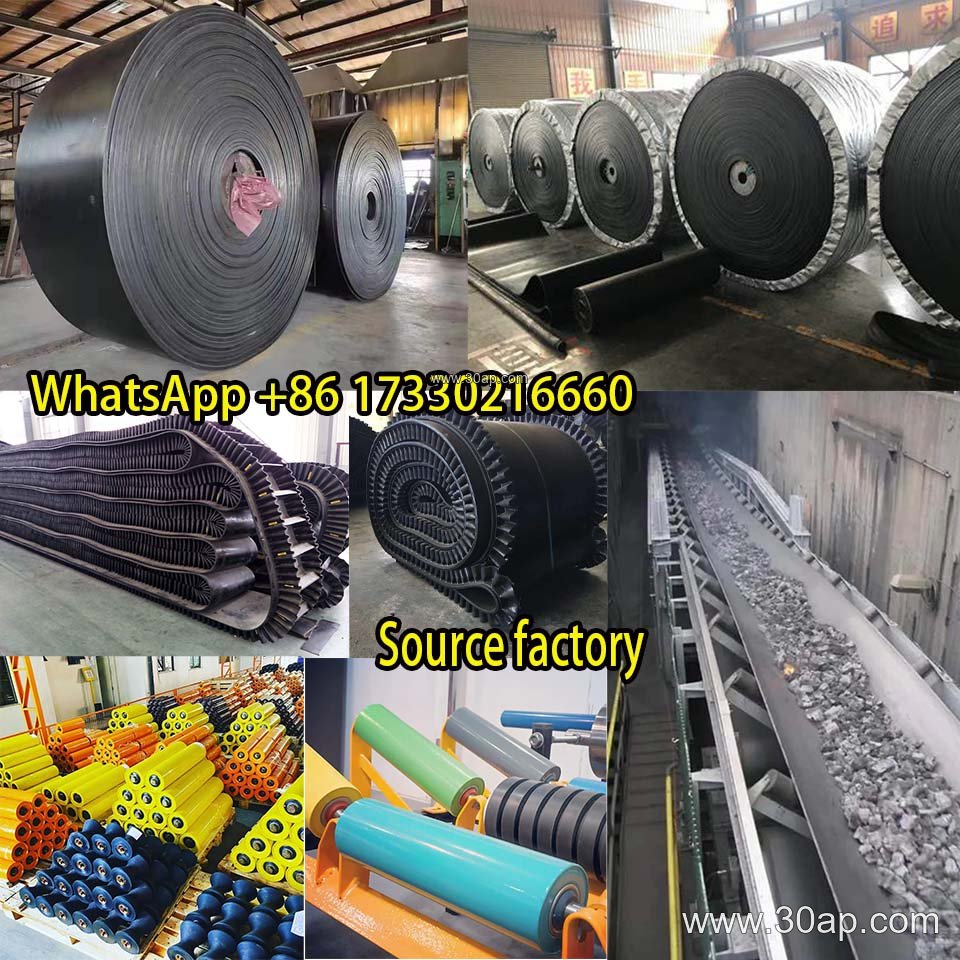
The base is a normal load-carrying belt, for example an EP conveyor belt or NN conveyor belt with two to six fabric plies, or a steel cord conveyor belt for long, high-tension runs. The skirt is bonded to the belt edges, and the joint quality matters as much as the rubber compound. A typical construction includes:
- Base belt with fabric or steel cord carcass
- Rubber side skirts, often 50 mm to 150 mm high, made to suit the material depth
- Cover rubber selected for abrasion, heat, oil or flame resistance
- Reinforced skirt base to resist tearing at the bond line
Common cover grades are 3+1.5 mm, 4+2 mm, 5+2 mm and 6+2 mm, and thicker covers are used where impact and abrasion are severe. Belt widths commonly range from B500 and B650 up to B1200, B1400 and wider, but the right width depends on the conveyor design and the required capacity, not on a single standard.
Where It Fits in the Plant
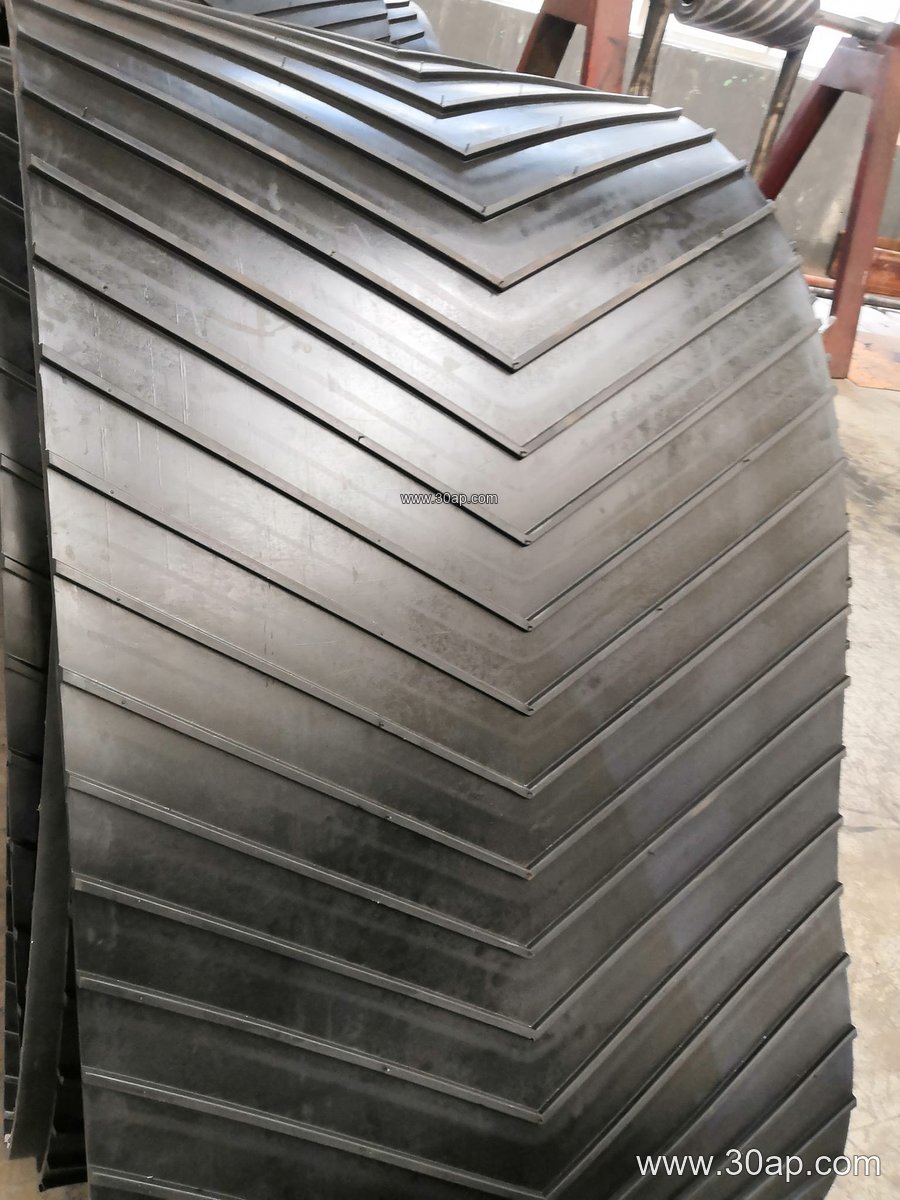
Skirted belts are common in cement plants, coal handling systems, iron ore and copper ore operations, aggregate yards and ship loading lines. They suit transfer points where a standard belt would spill, and they can handle fine dust, small lumps and mixed bulk material. A skirted conveyor belt is not a replacement for a pipe conveyor belt or a chevron conveyor belt; each solves a different problem. Chevron belts handle steep inclines, pipe belts enclose the material, and skirted belts keep material on an open belt with raised edges.
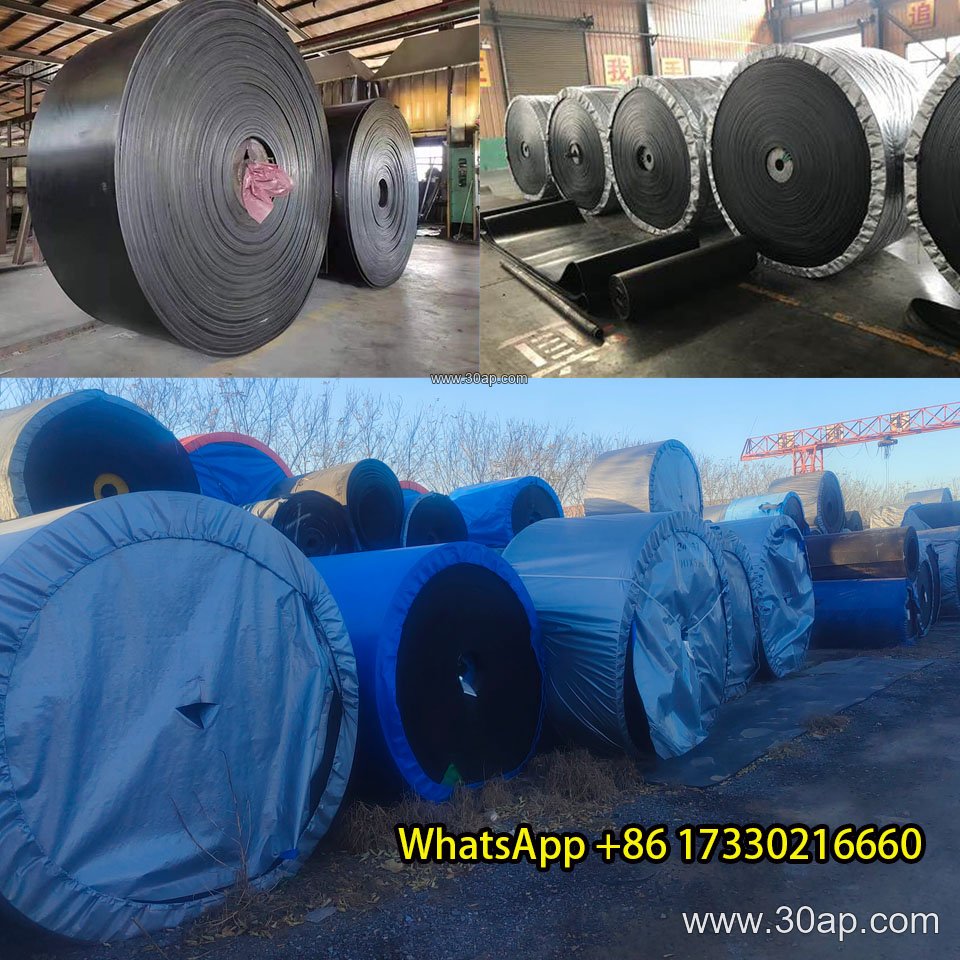
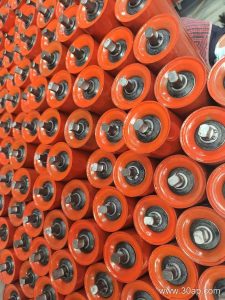
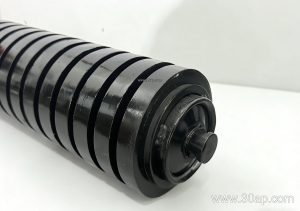
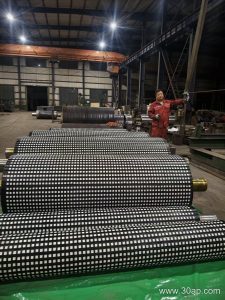
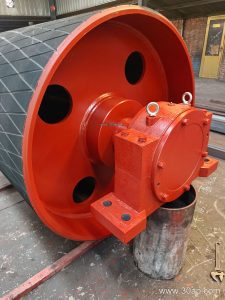
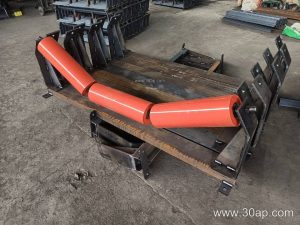
The belt runs on a conventional conveyor pulley at the head and tail, with idler rollers supporting the carrying side. Conveyor brackets and the frame must be aligned so the skirts do not rub the structure. In underground coal mining, a flame retardant conveyor belt grade is often specified, while heat resistant conveyor belt grades appear in clinker and sinter handling.
Selection Points for Buyers
Buyers should give the belt supplier the material type, lump size, capacity, incline, pulley diameters and ambient conditions. The skirt height and profile should match the material depth, and the base belt strength should follow the calculated tension. For a long overland run, an EP1000 or EP1250 belt may be enough, while a steel cord belt such as ST1600 or ST2000 may be needed for heavier duty. Do not assume that one belt width matches one pulley diameter; the pulley size is set by the conveyor design and the belt’s minimum bend radius.
Ask about skirt bond strength, cover grade, edge condition and joint method. A cold resistant conveyor belt may be needed in cold climates, and an anti-static conveyor belt is useful where dust ignition is a concern. Keep spare skirt sections and check the belt tracking regularly, because a misaligned skirted belt can wear the skirt rapidly.
Maintenance and Daily Checks
Inspect the skirt edges for cracking, check the bond line after every splice, and confirm that idler rollers turn freely. Clean material buildup from the return side and keep the conveyor pulley lagging in good condition. A skirted belt that runs true and is not overloaded usually gives long service in cement, sand and ore duty. For more belt, roller and pulley guidance, see the product pages at conveyor belt and idler roller references on the site.