What a Conveyor Self-Aligning Idler Does
A conveyor self-aligning idler is a training idler that keeps the belt centered on the conveyor frame. When a belt starts to drift toward one side, the self-aligning idler pivots or steers slightly and encourages the belt back toward the middle of the trough. It is not a drive pulley, tail pulley, or bend pulley; those parts transmit power and change belt direction, while a self-aligning idler only supports and guides the belt. In a quarry, cement plant, or power plant coal yard, a small tracking problem can become a spillage problem, so this idler is often placed at points where misalignment is likely.
How the Idler Is Built
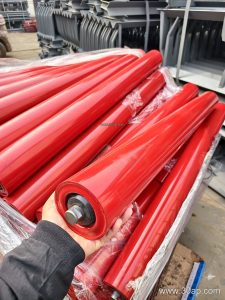
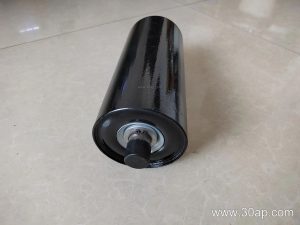
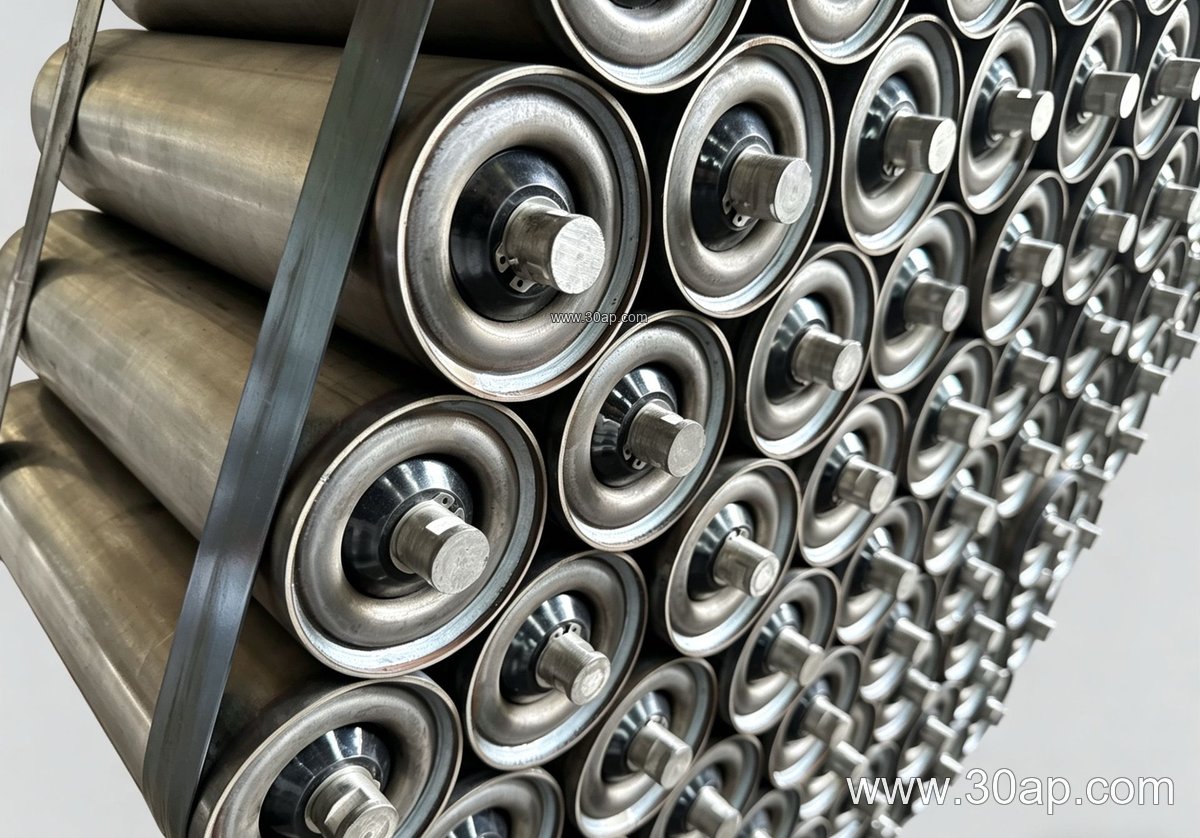
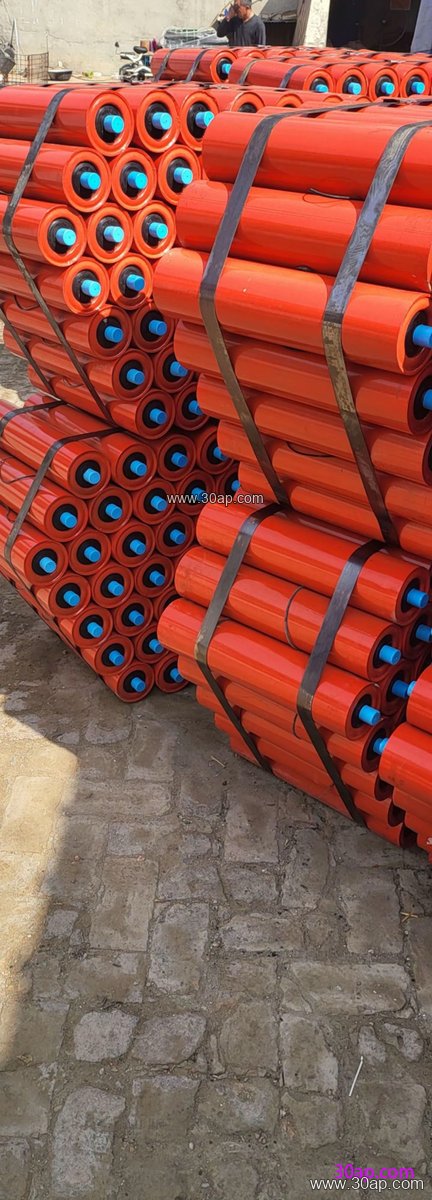
Most designs use a set of idler rollers mounted on a pivoting frame or bracket. The frame is connected to the conveyor bracket or stringer through a pivot, and the rollers may be arranged in a two-roller V shape or a three-roller trough shape. The roller shell is usually steel tube, and the surface can be plain steel, nylon, or rubber covered. Sealed bearings such as 6204, 6205, 6305, or 6308 are common, but the bearing size should match the roller diameter and load, not a single fixed rule. A friction self-aligning idler uses friction between the belt and the roller to trigger the correcting movement. A conical self-aligning idler uses tapered rollers that create a steering effect when the belt touches one side.
Common Reference Ranges
The following values are common examples, not a supply promise. Final dimensions depend on belt width, trough angle, load, and frame design.
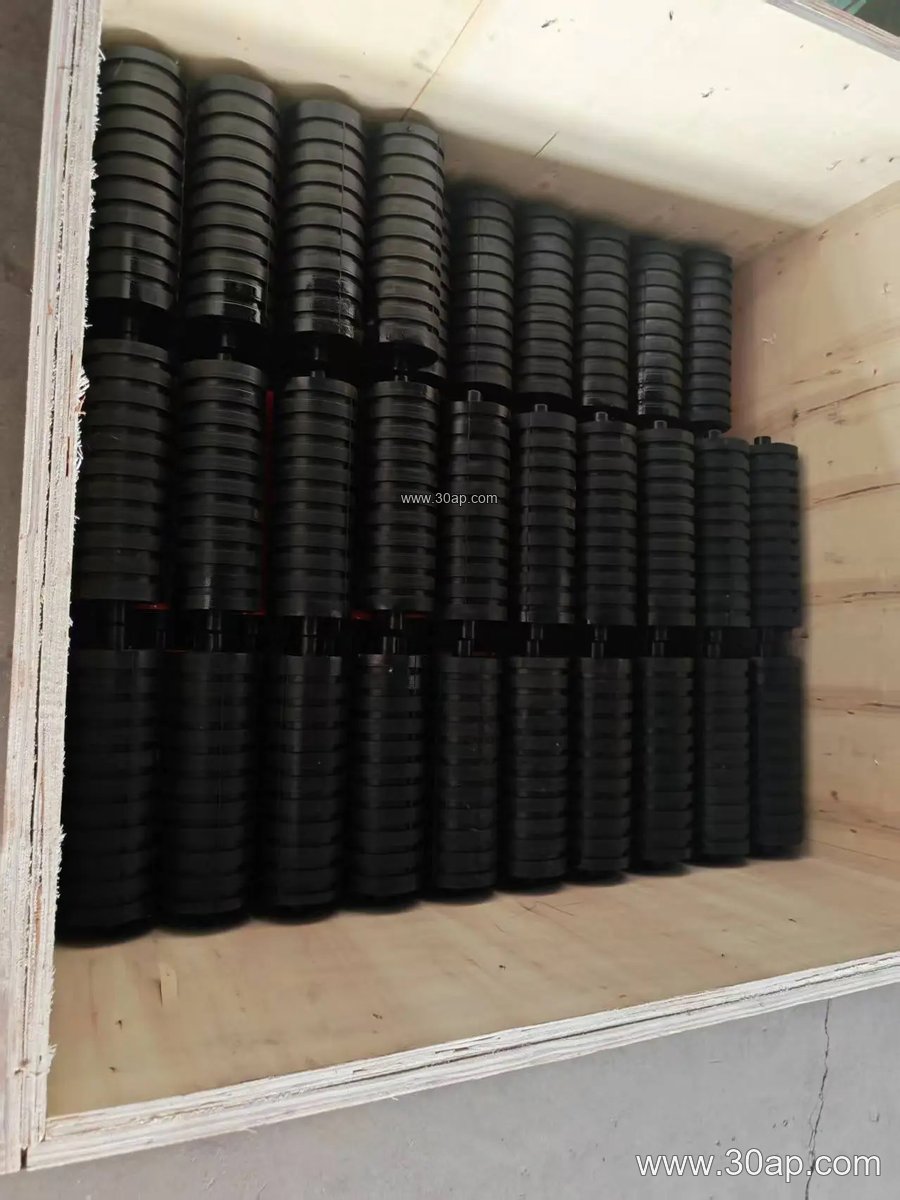
- Roller diameter: Ø89, Ø102, Ø108, Ø127, Ø133, Ø159, Ø178, Ø194
- Belt width: B500, B650, B800, B1000, B1200, B1400, B1600, B1800, B2000
- Trough angle: 20 degrees, 30 degrees, 35 degrees, 45 degrees
- Roller length for a three-roller trough set: about 250 mm at B650, 315 mm at B800, 380 mm at B1000, 465 mm at B1200, 530 mm at B1400, 600 mm at B1600
- Bearing options: 6204, 6205, 6305, 6306, 6308, 6310
Side rollers and center rollers can have different lengths, and a wide belt does not force one specific pulley diameter. The self-aligning idler group should be selected together with the conveyor belt, idler roller, and conveyor pulley rather than as an isolated part.
Where It Fits on the Conveyor
Self-aligning idlers are often installed on the carrying side after the feed point, on long straight runs, and before the discharge end where the belt is more likely to wander. In a coal mining conveyor or underground mining conveyor, they help control tracking where the frame may not be perfectly straight. In a limestone quarry or aggregate conveyor line, they reduce edge damage on an abrasion resistant conveyor belt carrying sharp rock. In a cement plant, they can support a heat resistant conveyor belt or a multi-ply fabric core conveyor belt on inclined sections. A food grade conveyor belt line may use a smaller self-aligning idler with smooth rollers, while a steel cord conveyor belt on a high capacity overland system usually needs a heavier frame and larger roller diameter.
Buyer Checklist
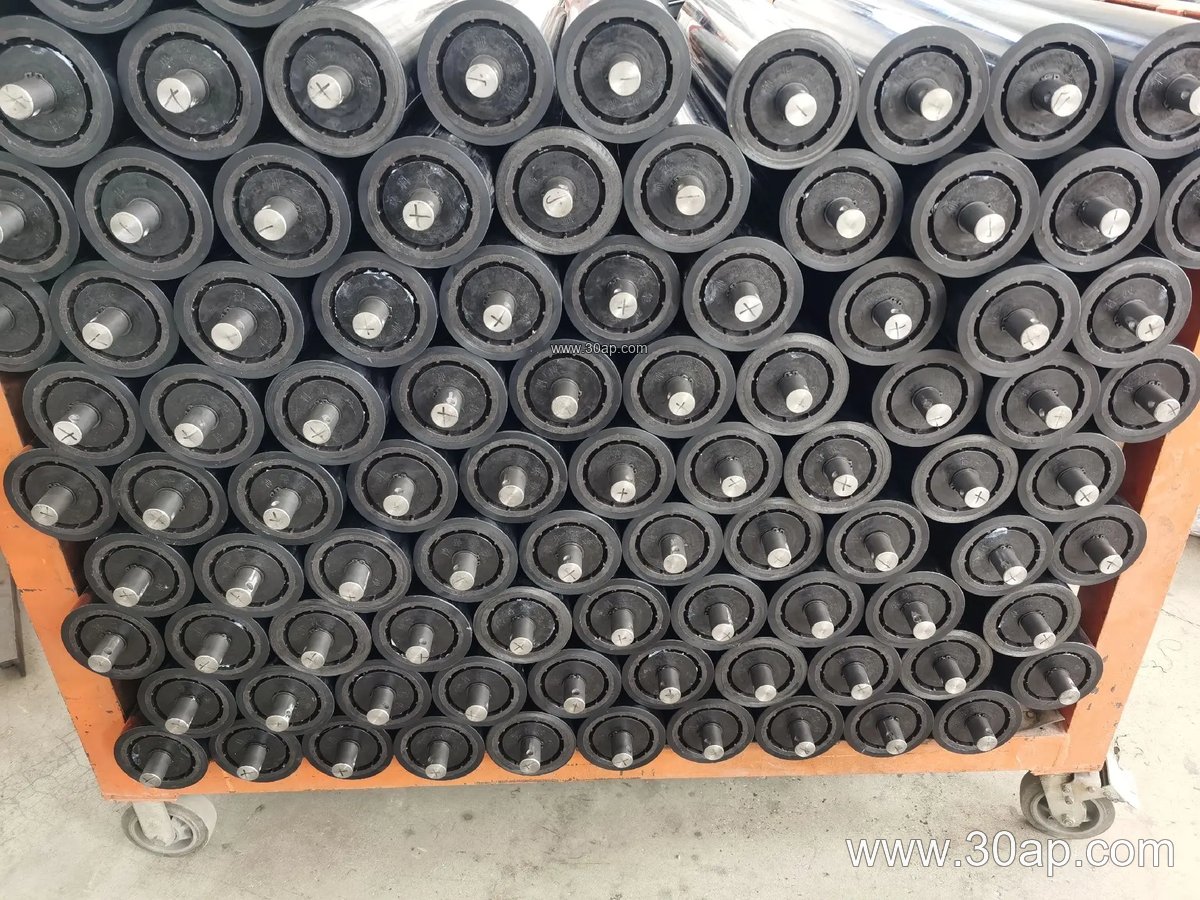
Before ordering, confirm the belt width, the trough angle, the roller diameter, the mounting bracket spacing, and the load per idler. Ask whether the frame is designed for a two-roller or three-roller self-aligning set and whether the pivot is friction type or conical type. Check the bearing seal against dust and water, especially in a crusher conveyor or a wash plant. A self-aligning idler cannot correct a badly loaded belt, a damaged conveyor pulley, or a seized return roller, so inspection of the whole conveyor is part of the selection. For more conveyor components, visit our site for conveyor belt, idler roller, and conveyor pulley information.
Installation and Maintenance Notes
Mount the self-aligning idler square to the belt centerline and allow the pivot to move freely. Do not overtighten the bracket, because the idler needs a small amount of movement to steer the belt. Check roller rotation and seal condition during routine inspections. In a port conveyor or ship loading line, salt air and dust can shorten bearing life, so sealed bearings and a protected pivot are practical choices. If the belt still drifts after fitting, check belt tension, pulley alignment, and loading position before adding more training idlers. A self-aligning idler is a useful tracking aid, but it works best as part of a well aligned conveyor system.