What a 315mm Diameter Conveyor Pulley Is
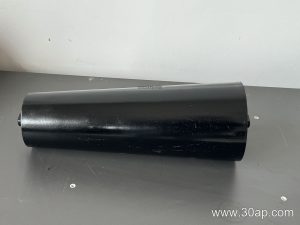
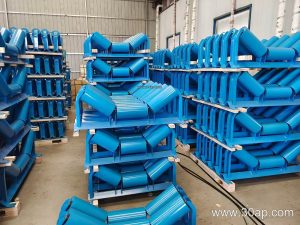
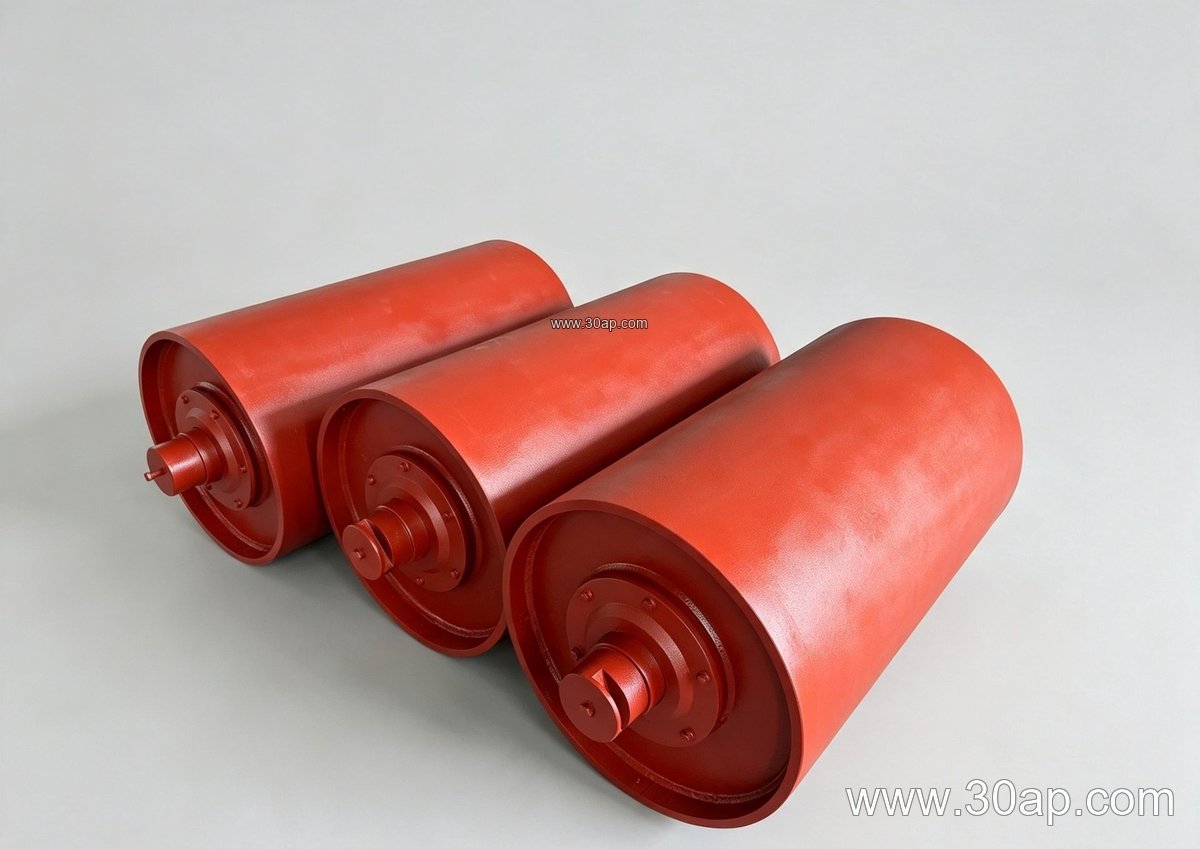
A 315mm diameter conveyor pulley is a mid-sized drum used to support and drive the conveyor belt in bulk material handling systems. With a nominal diameter of Ø315, it sits between smaller tail pulleys and larger drive pulleys, making it a versatile choice for medium-duty applications. This size is often found in quarry conveyor lines, aggregate plants, and cement kilns where space and load requirements demand a balanced solution. The pulley works together with idler rollers and conveyor brackets to keep the belt tracking smoothly.
While drive, tail, and bend pulleys serve different functions, the 315mm diameter can be adapted to several positions depending on the conveyor design. For example, a 315mm bend pulley might redirect the belt in a confined space, while a 315mm tail pulley could handle return-side tension. Each subtype has distinct design features, and they are not interchangeable.
Construction and Surface Options
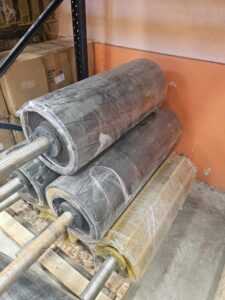
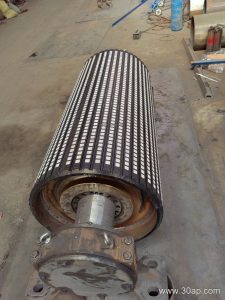
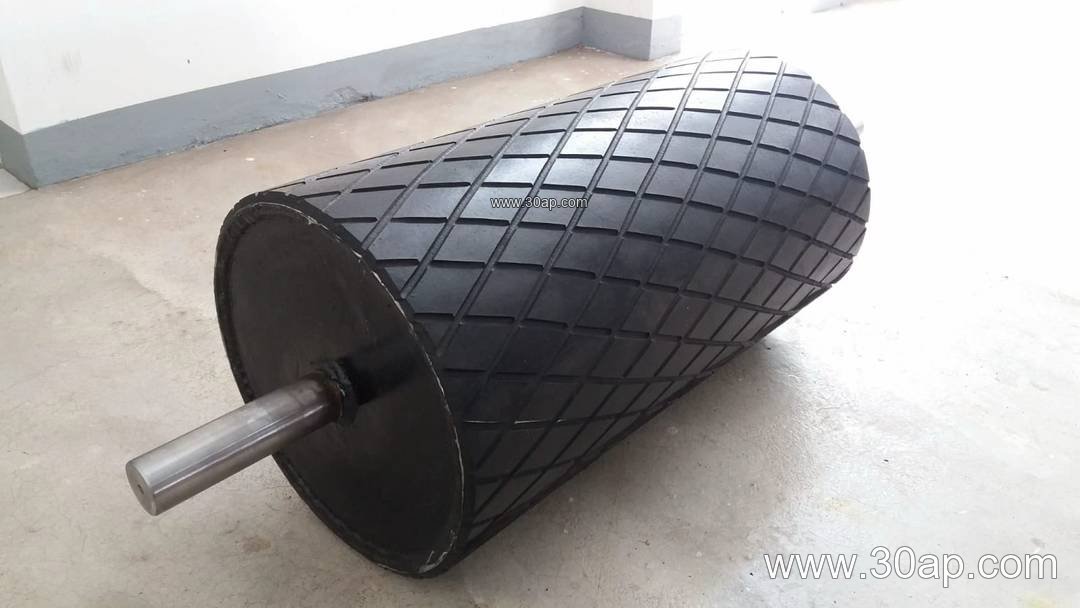
The pulley body is typically fabricated from steel pipe or plate, with welded end discs and a shaft that transmits torque. Common shaft diameters for this size range from Ø80 to Ø120, determined by the actual torque and load rather than belt width alone. Surface treatment plays a key role in grip and wear life. Available finishes include plain steel, cast rubber, cold-bonded rubber, hot-spliced rubber, diamond grooving, herringbone grooving, and ceramic lagging. Lagging thicknesses of 8 mm, 10 mm, 12 mm, and 15 mm are frequently specified.
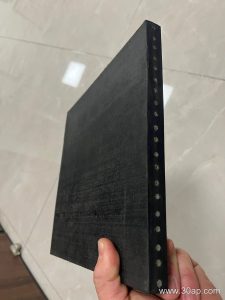
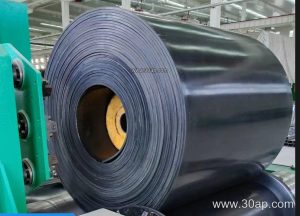
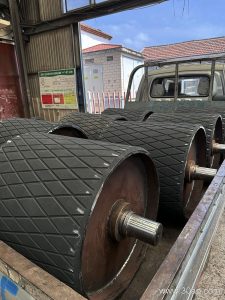
For abrasive environments such as iron ore or copper ore handling, a rubber lagged surface with diamond pattern improves traction and sheds material. In coal mining or underground coal mining, flame retardant and anti-static properties may be required for the lagging and belt. The pulley must also be compatible with the conveyor belt type—whether it is an EP conveyor belt, NN conveyor belt, or steel cord conveyor belt—to avoid slippage and premature wear.
Where It Fits in the Conveyor System
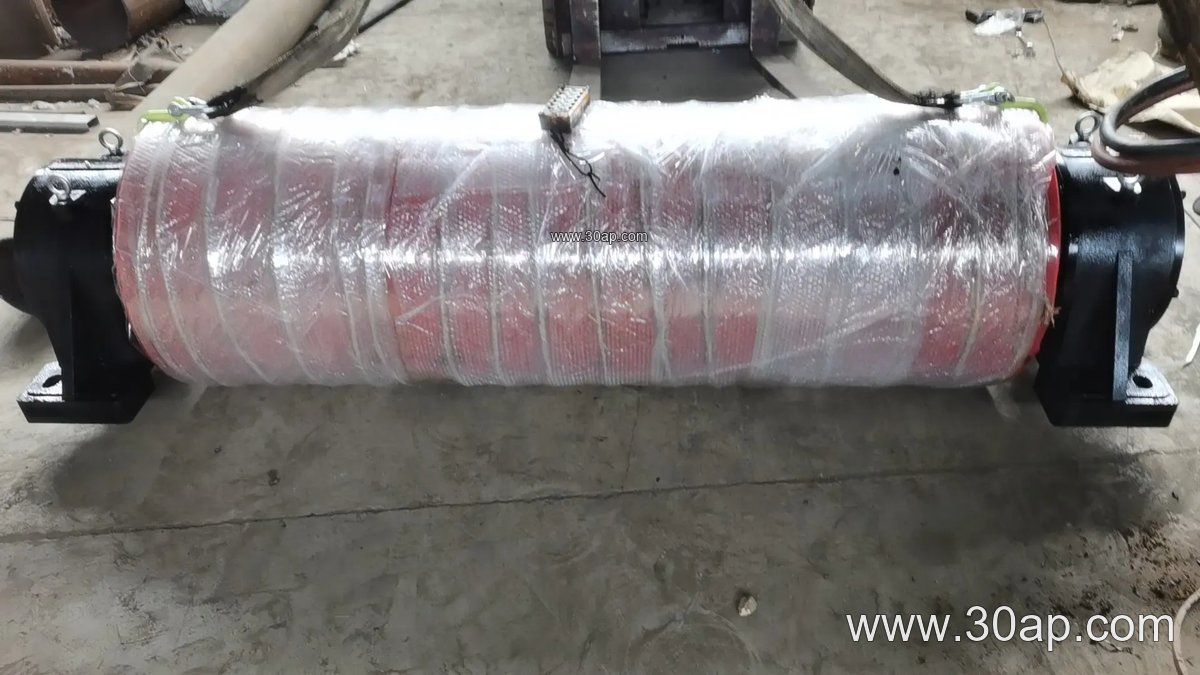
A 315mm diameter pulley is often used as a bend or tail pulley in sand and gravel lines, crushing and screening circuits, and power plant coal handling. Its moderate size allows it to fit into tight frames while still providing enough wrap angle for effective power transmission. In a typical setup, the pulley is mounted on a conveyor bracket and aligned with idler rollers to maintain belt tension. For heavier loads, such as in a cement plant or steel plant, a larger diameter like Ø400 or Ø500 might be selected, but the 315mm size remains popular for medium belt widths.
When used as a tension pulley, the 315mm diameter helps maintain consistent belt tension in start-stop operations. It can also serve as a snub pulley to increase wrap angle on the drive pulley. However, it is not a direct replacement for a drive pulley, which usually has a larger diameter and more robust shaft to handle higher torque.
Key Specifications and Selection Tips
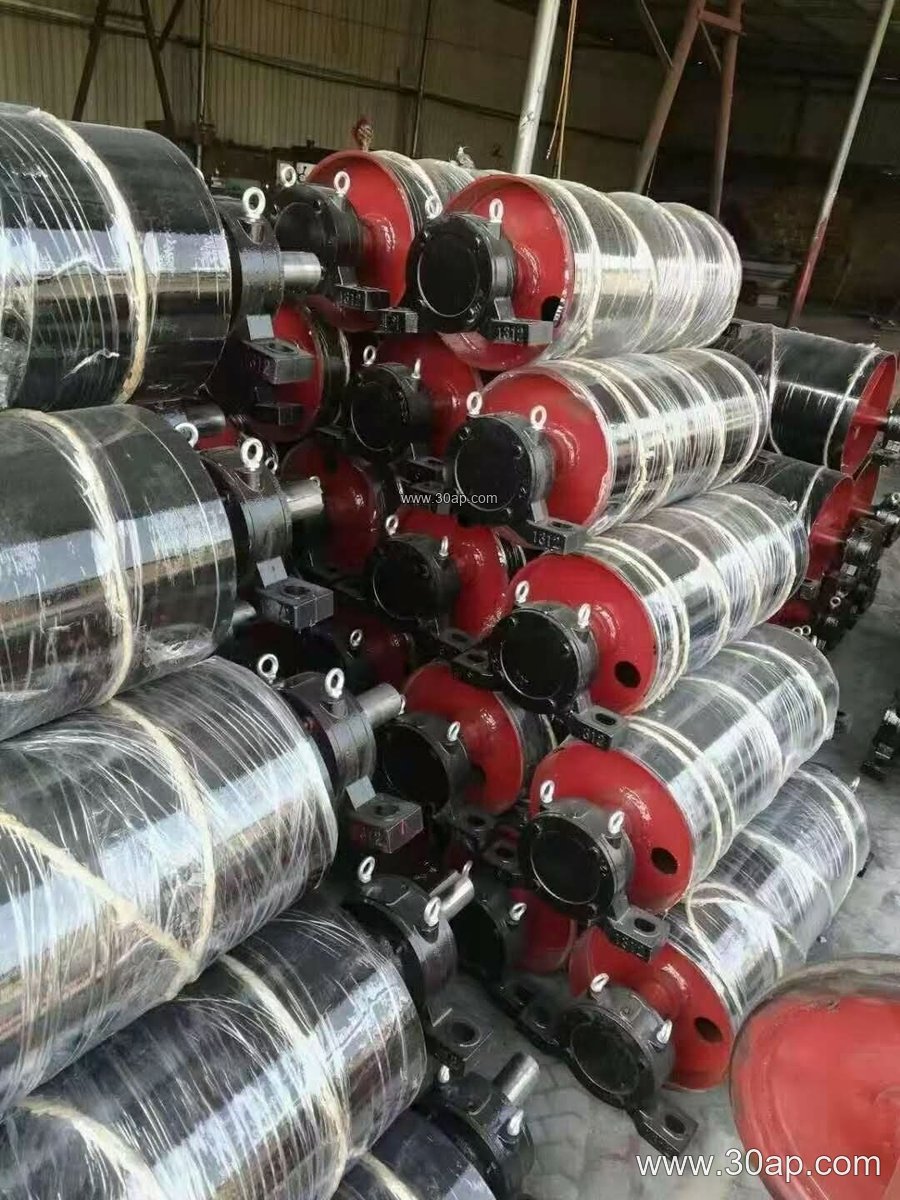
Buyers should consider belt width, pulley face width, shaft diameter, and lagging type. The face width is usually slightly wider than the belt to prevent edge damage. Below is a reference table for common combinations, but these are not fixed pairings—final selection depends on the conveyor design.
| Belt Width (mm) | Typical Pulley Face Width (mm) | Common Shaft Diameter (mm) |
|---|---|---|
| B500 | 600 | Ø60–Ø80 |
| B650 | 750 | Ø70–Ø90 |
| B800 | 950 | Ø80–Ø100 |
| B1000 | 1150 | Ø90–Ø120 |
| B1200 | 1400 | Ø100–Ø140 |
Note that a 315mm diameter pulley can be paired with various belt widths, and the shaft diameter must be calculated based on the actual torque and load, not simply derived from belt width. For high-tension applications, a larger shaft may be needed even with the same 315mm diameter.
Always verify the pulley’s dynamic balance and bearing selection for the intended speed. In dusty environments like a quarry or coal mine, sealed bearings and proper lubrication extend service life. When specifying a 315mm diameter conveyor pulley, state the belt type (e.g., abrasion resistant conveyor belt, heat resistant conveyor belt), operating conditions, and any required lagging pattern clearly.
Maintenance and Compatibility
Regular inspection of the pulley surface and lagging helps prevent belt slippage and tracking issues. Worn lagging can be re-coated or replaced depending on the method used. Ensure the pulley is aligned with the conveyor belt and idler rollers to avoid edge wear. In food grade or recycling applications, smooth or easily cleanable surfaces may be preferred.
For any conveyor system, the 315mm diameter pulley is a reliable component when matched to the belt and load requirements. Whether in a limestone mine, a fertilizer plant, or a ship loading facility, selecting the right subtype—bend, tail, or snub—and specifying the correct lagging and shaft size will ensure efficient operation. Consult your conveyor designer for final specifications, as site conditions vary widely.