What a High-Strength Conveyor Idler Does in a Tough Belt Line
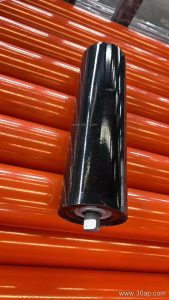
In a quarry, limestone mine, or iron ore plant, the conveyor belt carries more than rock. It carries impact, grit, and constant load. A high-strength conveyor idler is built for that duty. It is the roller assembly that supports the belt on the carrying side or the return side, and its job is to keep the belt tracking smoothly while absorbing the punishment of heavy bulk material. This is not a light-duty component. It is a load-bearing part of the conveyor structure, and it sits close to the conveyor belt, often between the conveyor brackets that hold the whole frame together.
Where the belt line runs from a crusher discharge to a screening station, or from a stockpile to a ship loader, the idler roller must resist wear and keep rotating freely. A high-strength conveyor idler is often specified in these positions because standard rollers may wear out too quickly under continuous abrasion and shock loading.
How the Roller Is Built for Strength
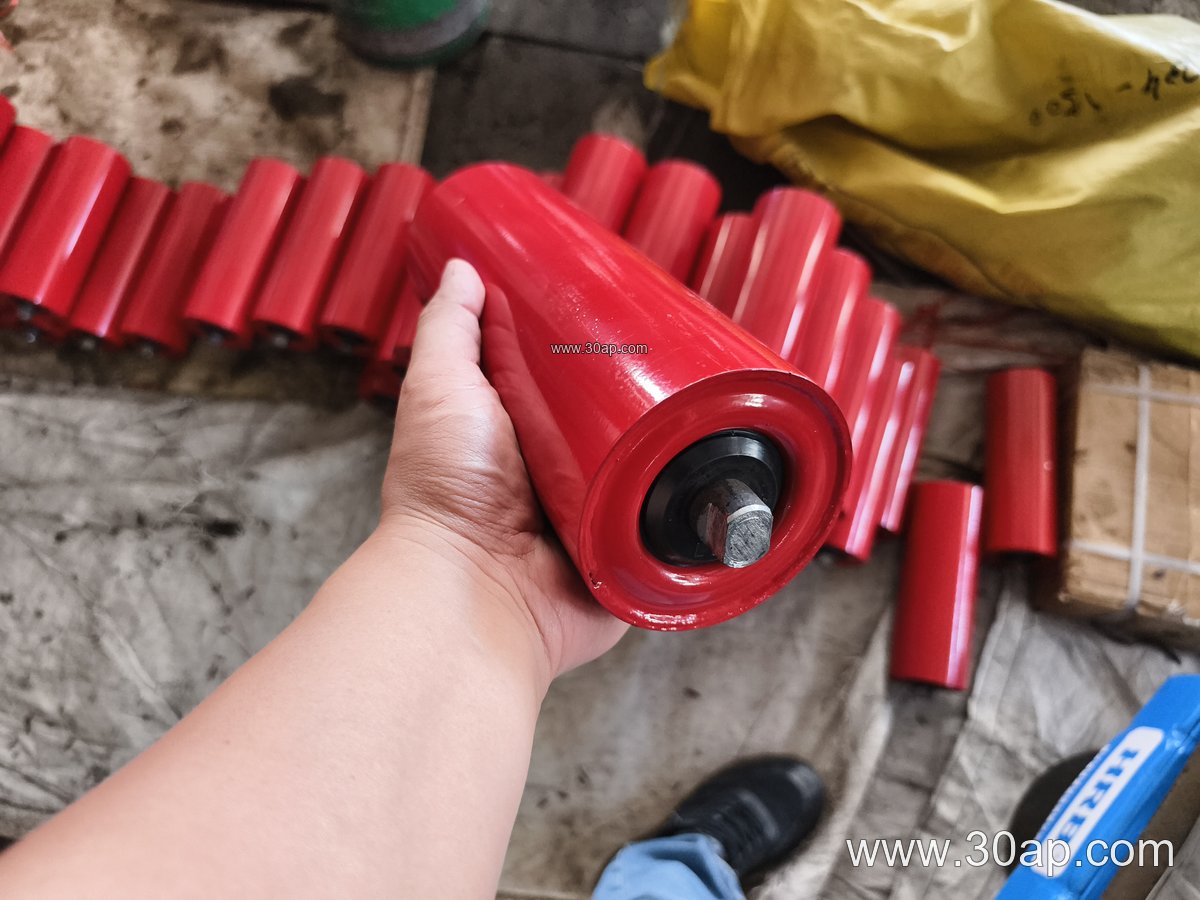
The strength comes from a combination of shell, shaft, bearing, and seal. The roller shell is usually a steel tube, and in high-strength designs the wall thickness and weld quality are controlled to resist bending and fatigue. The shaft runs through the shell and carries the bearings. Common bearing sizes in this class include 6205, 6305, 6306, 6308, and 6310, but the bearing is matched to the load and speed of the conveyor, not chosen by roller diameter alone.
Sealing is another point of strength. Dust and water are the main enemies of a conveyor idler roller in a cement plant or coal handling system. A high-strength conveyor idler typically uses a multi-stage labyrinth seal or a contact seal with a protective cap. The surface form can be plain steel, nylon, ceramic, or rubber rings. Rubber rings are useful in buffer positions where impact from large lumps is heavy, while ceramic or nylon surfaces may be chosen where abrasive fines cause rapid shell wear.
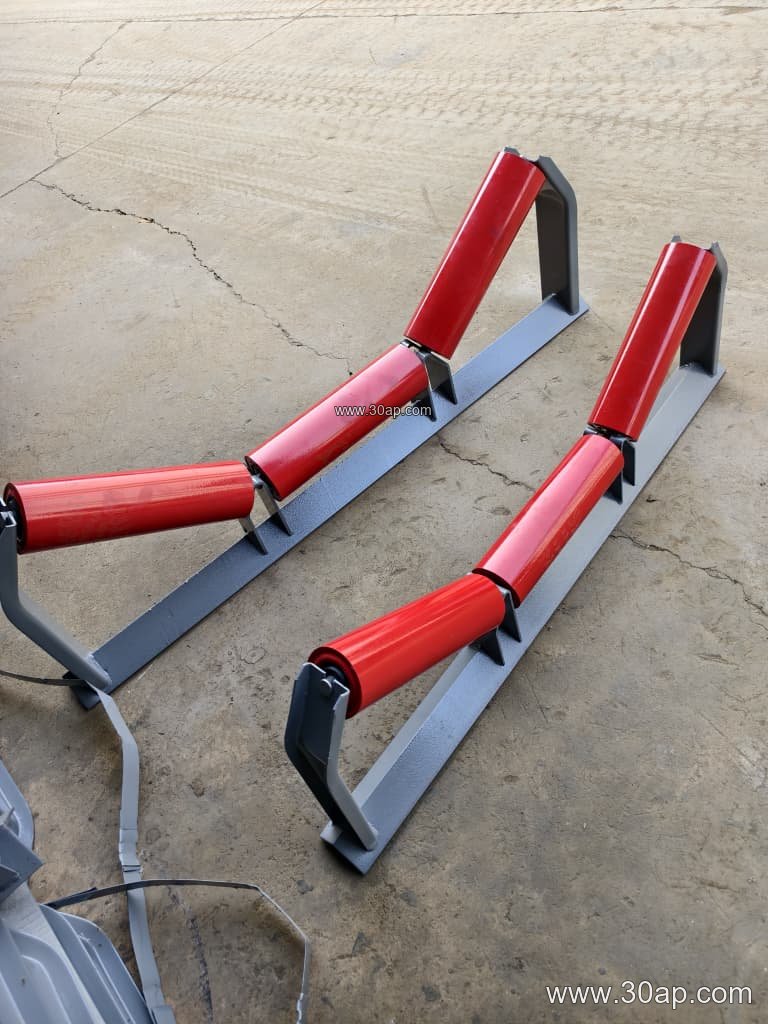
The roller group can be a single roller, a two-roller set, or a three-roller trough set. Trough angles are commonly 20, 30, 35, or 45 degrees. A three-roller trough set is common on the carrying side of a high-strength conveyor idler installation, while a flat or V-return roller is used on the return side. These are design choices, not fixed rules for every belt.
Where High-Strength Idlers Fit in the Plant
Two typical places show the value of this component. In a limestone mine or quarry, the primary belt after the crusher receives sharp, heavy rock. A high-strength conveyor idler with rubber ring buffer rollers can reduce shock on the belt and frame. In a coal-fired power plant, the coal handling conveyor runs long distances and must keep dust out of the bearings. A sealed high-strength idler roller helps maintain rotation and reduces the risk of belt misalignment.
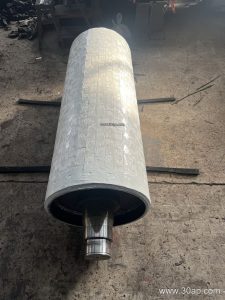
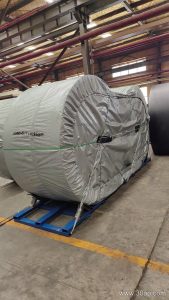
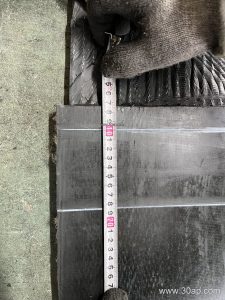
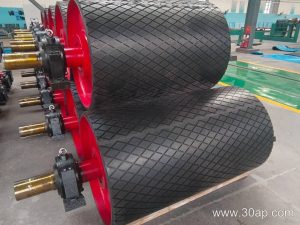
These idlers work alongside other conveyor components. The conveyor pulley at the drive and tail ends provides the motion, while the conveyor bracket supports the idler group. A high-strength conveyor belt, such as an abrasion resistant conveyor belt or a flame retardant conveyor belt, may run on the same structure. The idler does not replace the pulley or the belt, but it protects both by keeping the belt supported and aligned.
Reference Dimensions and Common Configurations
The table below gives common reference values for high-strength conveyor idlers. These are examples, not universal specifications. Roller length changes with belt width, trough angle, and roller group form, and side rollers may differ from the center roller.
| Item | Common Reference Range |
|---|---|
| Roller diameter | Ø89, Ø102, Ø108, Ø127, Ø133, Ø159, Ø178, Ø194, Ø219 |
| Belt width | B500, B650, B800, B1000, B1200, B1400, B1600, B1800, B2000 |
| Trough angle | 20°, 30°, 35°, 45° |
| Roller length example for three-roller trough | B500 about 200 mm; B800 about 315 mm; B1000 about 380 mm; B1200 about 465 mm; B1400 about 530 mm; B1600 about 600 mm |
| Bearing sizes | 6204, 6205, 6305, 6306, 6308, 6310 |
| Roller surface | Steel tube, nylon, ceramic, rubber ring |
For a heavy-duty mining conveyor belt or a high abrasion resistant conveyor belt, the idler diameter and bearing class should be checked against the actual load and belt speed. A larger diameter roller may be used where the belt is wide and the material is heavy, but the shaft and bearing must also be sized for the duty.
What a Buyer Should Check Before Ordering
- Confirm the belt width and the roller group form. A three-roller trough set on a B1200 belt needs a different roller length than a two-roller set.
- Match the idler to the material. In a cement plant or aggregate line, abrasive fines call for a wear-resistant shell and good sealing. In a coal mining conveyor belt system, flame retardant properties may be required for the belt, and the idler should be selected for dusty conditions.
- Check the bearing and seal class for the environment. Wash-down, dust, and humidity all affect bearing life.
- Review the conveyor bracket and frame dimensions so the idler group fits without modification.
- Ask for the roller length, shaft diameter, and bearing size as separate data. Do not assume one belt width fixes one shaft diameter.
Whether the plant handles iron ore, copper ore, sand and gravel, or tunnel spoil, the high-strength conveyor idler is a wear part that deserves the same attention as the belt and the conveyor pulley. A well-matched idler keeps the belt running true, reduces downtime, and protects the structure from unnecessary vibration.