What an Ore Conveyor Idler Does on the Line
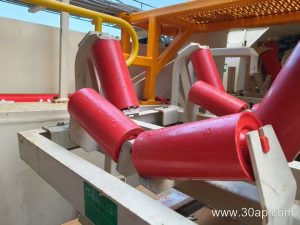
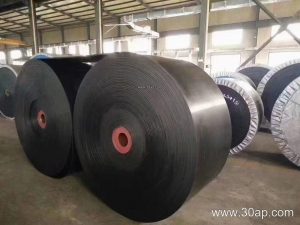
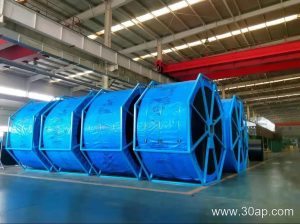
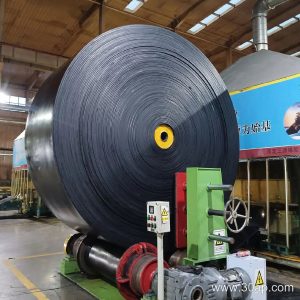
An ore conveyor idler is the rotating roller assembly that supports the loaded conveyor belt and keeps it tracking along the structure. In a crushing circuit, a limestone quarry, or an iron ore transfer house, these idlers carry some of the harshest loads in the plant. The belt may be a heavy-duty rubber conveyor belt or a steel cord conveyor belt running at high tension, and every idler beneath it has to absorb impact, resist abrasion, and keep turning freely. The idler roller itself is simple in shape, but its bearing, seal, and shell quality decide how often maintenance crews have to walk the line.
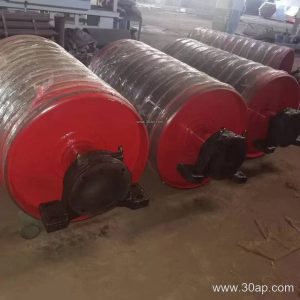
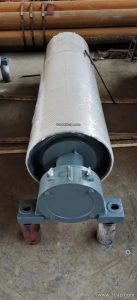
Unlike a conveyor pulley, which drives or redirects the belt at the head and tail, the idler only supports it. That distinction matters when specifying spare parts: drive pulleys, tail pulleys, and bend pulleys are separate components with their own shaft and lagging requirements and are never interchangeable with carrying or return idlers.
Construction Details That Matter Underground and Above Ground
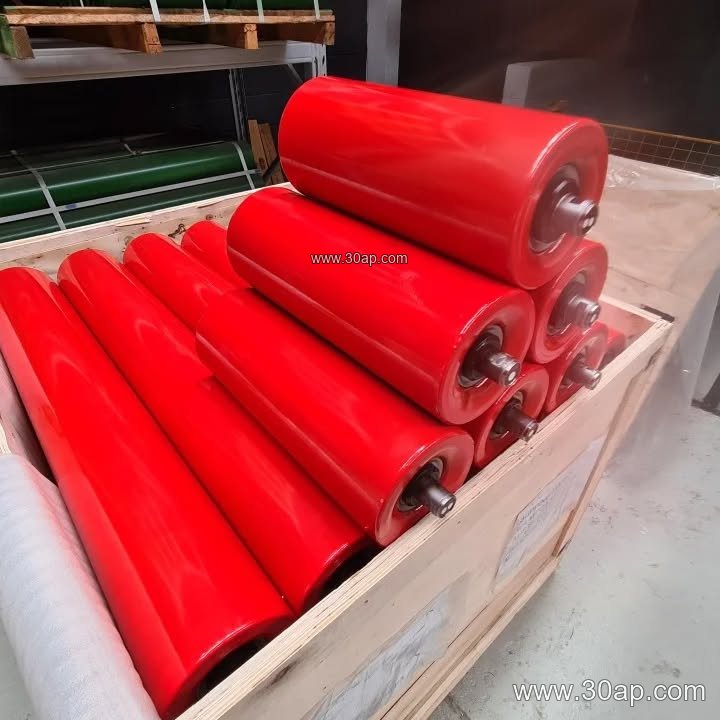
A typical idler roller combines a steel tube shell, a shaft, bearing housings, and a multi-stage seal. Roller surfaces vary: plain steel for general service, nylon for lighter running, ceramic for sticky or abrasive fines, and rubber rings for impact zones under a crusher discharge. Bearing sizes are chosen by load and speed rather than by belt width alone, and common sizes include 6204, 6205, 6305, 6306, 6308, and 6310.
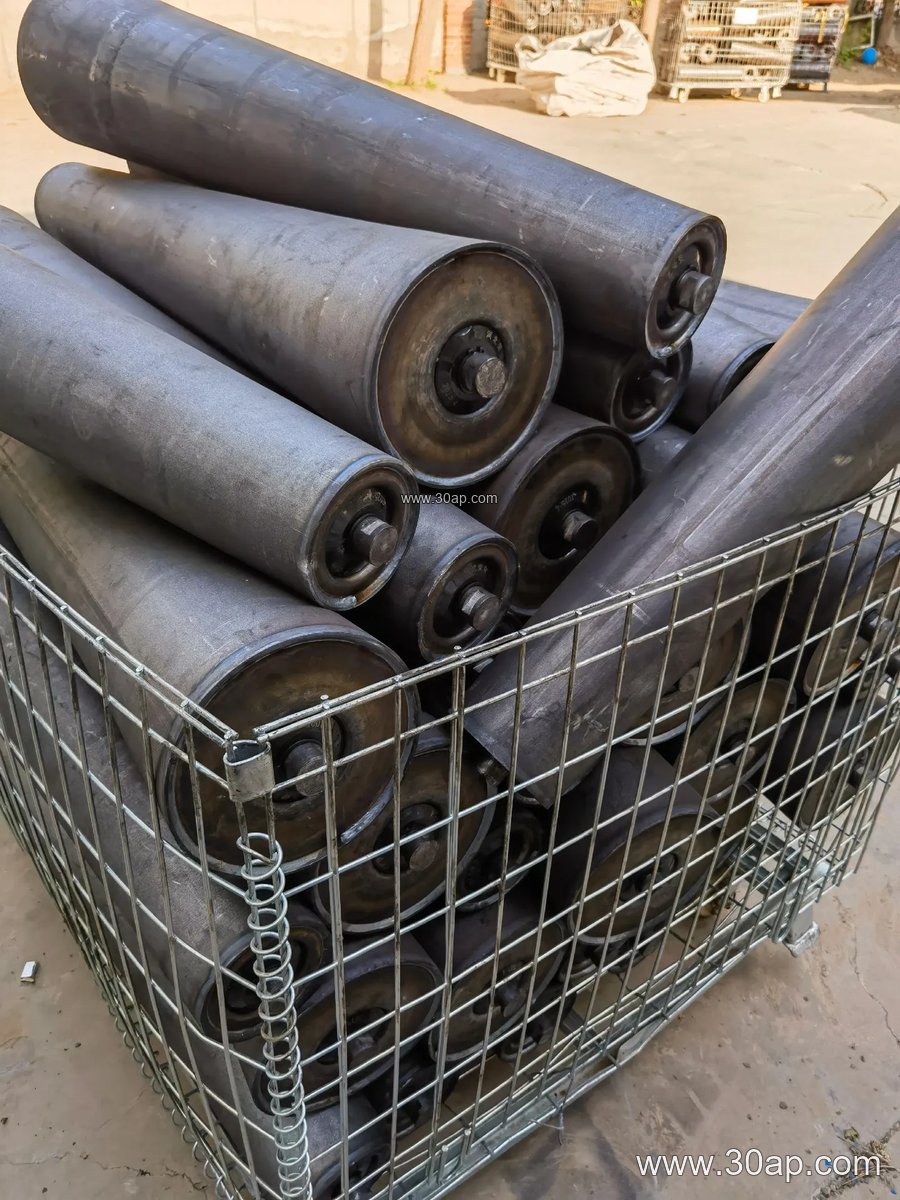
Sealing deserves attention in coal mining conveyor lines and underground mining conveyor systems where dust and moisture are constant. A labyrinth seal with grease retention keeps grit away from the bearing, and that is often the difference between a two-year idler and a six-month one.
Common Idler Types and Where They Sit
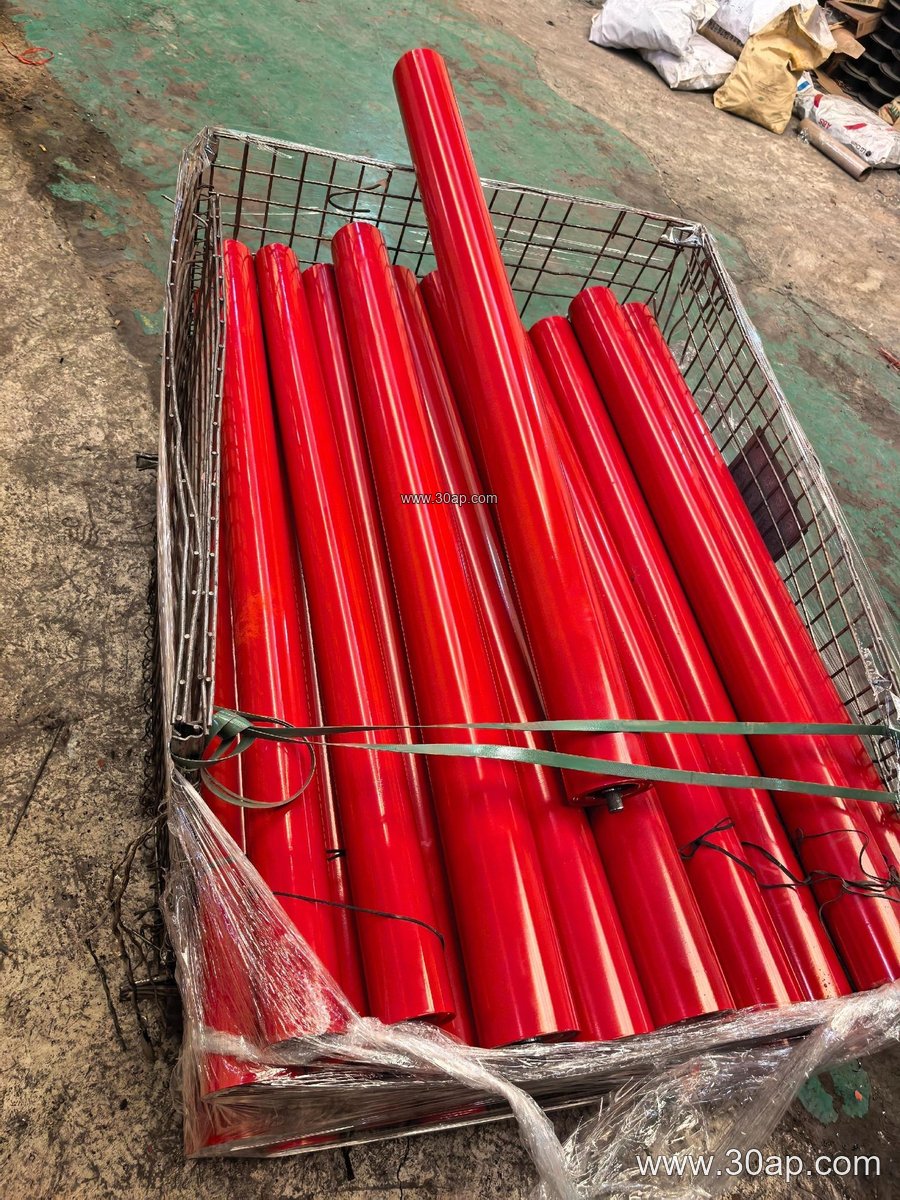
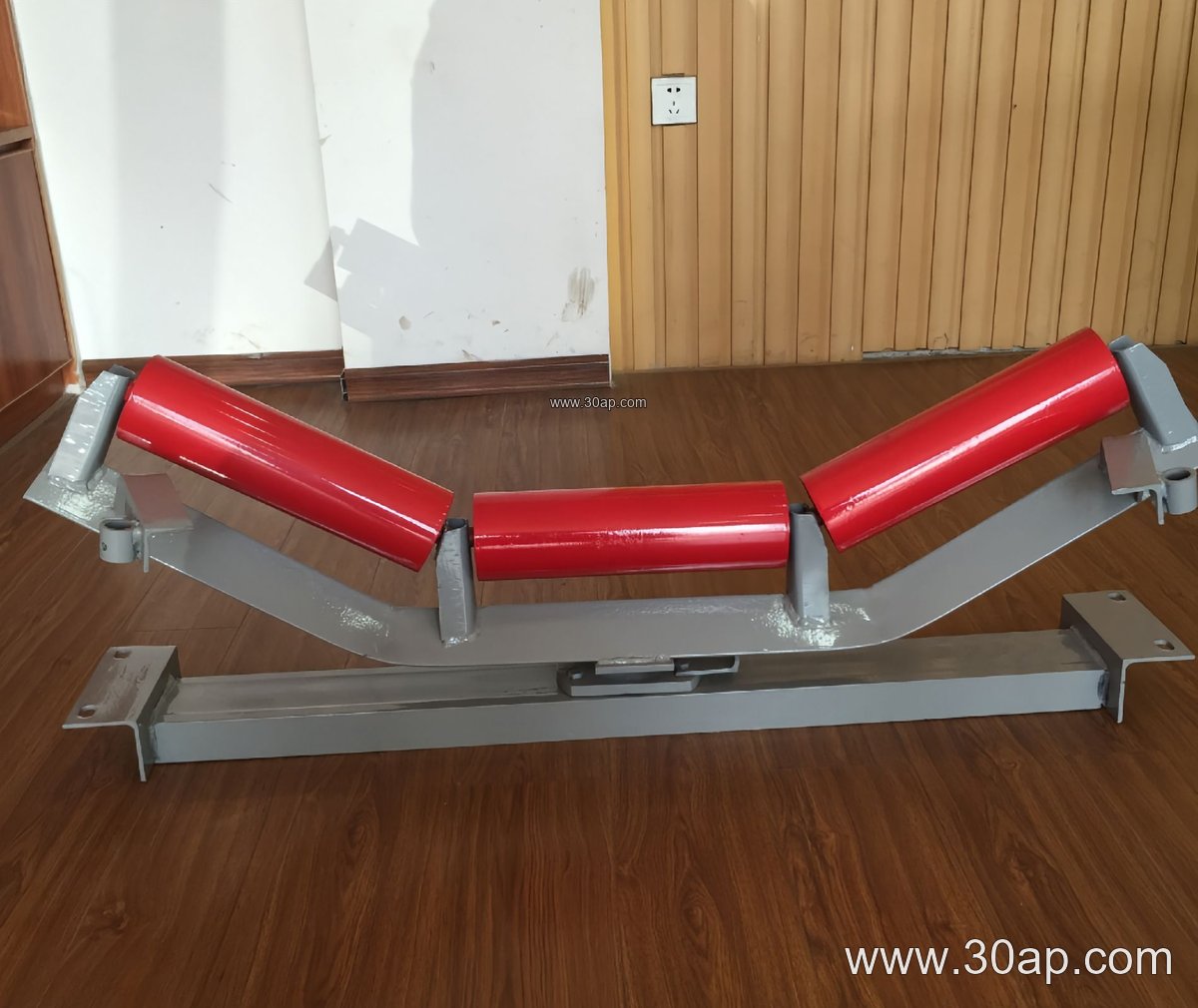
- Troughing idlers in two-roll or three-roll sets form the belt into a trough and carry the main load.
- Impact idlers with rubber rings sit under the loading point to cushion lump ore.
- Return idlers, including flat and V-type, support the empty belt on the return strand.
- Self-aligning idlers with tapered rolls correct belt drift on long conveyors.
- Spiral idlers help shed sticky material on the return side.
Trough angle is a design choice, commonly 20, 30, 35, or 45 degrees. A steeper trough holds material better on a wide belt, while a shallower angle suits certain lump sizes and transition zones. Forward tilt of about 1.5 to 2 degrees is sometimes used on troughing sets to assist tracking.
Matching Roller Diameter and Belt Width
Roller diameter and belt width are related through load, speed, and the idler set geometry, not through a fixed table. Common roller diameters include Ø63, Ø76, Ø89, Ø102, Ø108, Ø127, Ø133, Ø159, Ø178, Ø194, and Ø219 mm. Belt widths range from B400 up to B2400, and the roll length of a three-roll troughing set changes with width and trough angle. The following examples show typical roll lengths for reference only.
| Belt width | Typical roll length (three-roll troughing) | Common roller diameter examples |
|---|---|---|
| B500 | about 200 mm | Ø89, Ø102 |
| B650 | about 250 mm | Ø89, Ø108 |
| B800 | about 315 mm | Ø108, Ø127 |
| B1000 | about 380 mm | Ø108, Ø133 |
| B1200 | about 465 mm | Ø127, Ø133, Ø159 |
| B1400 | about 530 mm | Ø133, Ø159 |
| B1600 | about 600 mm | Ø159, Ø178 |
| B1800 | about 670 mm | Ø159, Ø178, Ø194 |
| B2000 | about 750 mm | Ø178, Ø194, Ø219 |
Side rolls and centre rolls can differ in length, and a single belt width does not lock the pulley diameter or shaft size. Buyers should confirm the idler set drawing, trough angle, and frame dimensions with the conveyor designer.
Buying Advice for Plant and Maintenance Teams
Start with the duty: ore type, lump size, belt speed, and whether the location is a wash plant, a port terminal, or a cement plant clinker line. Ask for the bearing brand and seal design, the shell wall thickness, and the welding quality at the bearing housing. Check that the idler frame and conveyor bracket fit the existing stringer spacing. On a coal handling system, specify flame retardant conveyor belt and anti-static properties for the belt, and match the idler’s sealing to the dust level. For a quarry conveyor belt or a crusher conveyor belt, rubber-ring impact idlers under the hopper reduce belt damage. Spare idlers should be stored upright and lubricated as recommended by the manufacturer.
Finally, keep records of roller diameter, roll length, and bearing number for each conveyor. That simple register makes future orders faster and avoids mismatched parts in a busy aggregate or power plant store.