What the Drive Pulley Does
The belt conveyor drive pulley is the powered drum that transmits motion to the conveyor belt. Often called the head pulley or main drive drum, it grips the belt on the carrying side and pulls the entire loop forward. In a typical conveyor, the drive pulley works with a gearbox and motor, while a tail pulley maintains tension and bend pulleys route the belt. These roles are not interchangeable: the drive pulley must handle high torque and provide enough friction to prevent slip, especially when moving heavy bulk materials in mining, coal preparation, cement plants, or power station coal yards.
Because the drive pulley is the primary traction component, its design directly affects belt life and conveyor reliability. A mismatch between pulley diameter, lagging, and belt type can cause premature wear on the conveyor belt or excessive stress on the conveyor pulley shaft.
Construction and Key Components
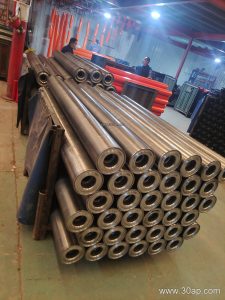
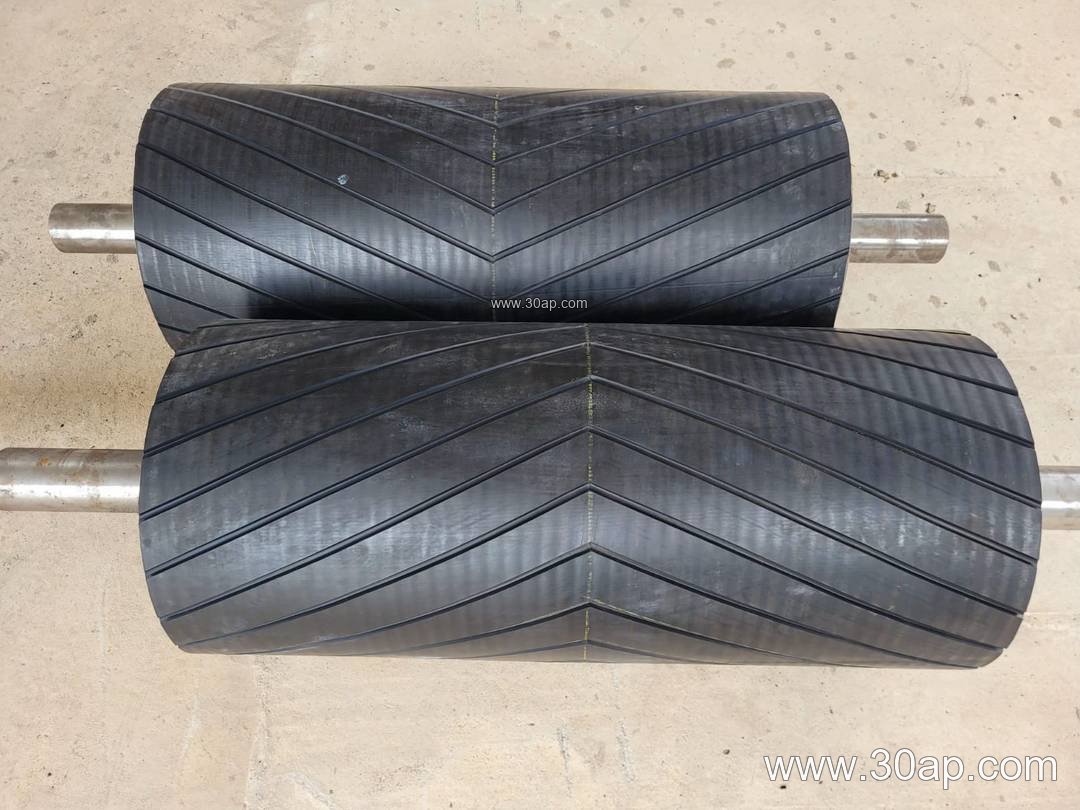
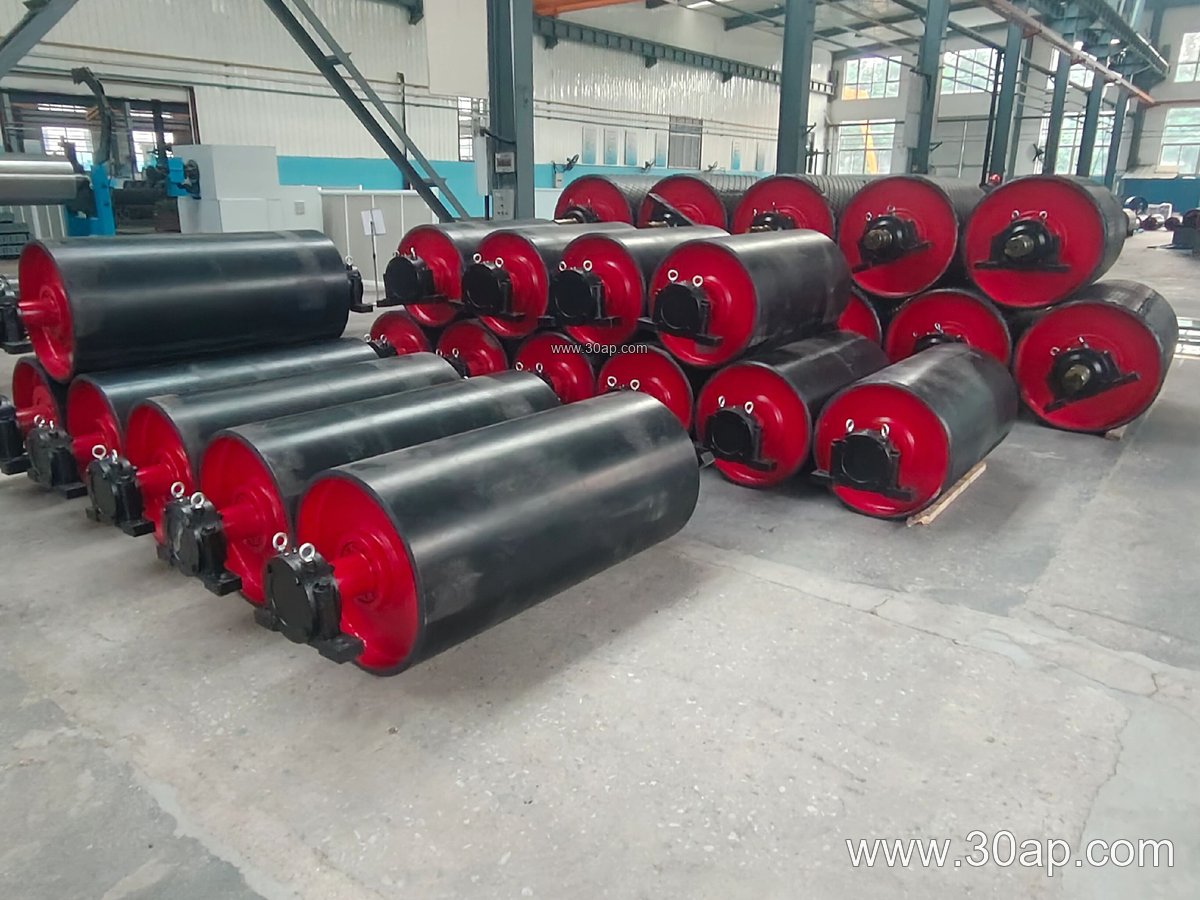
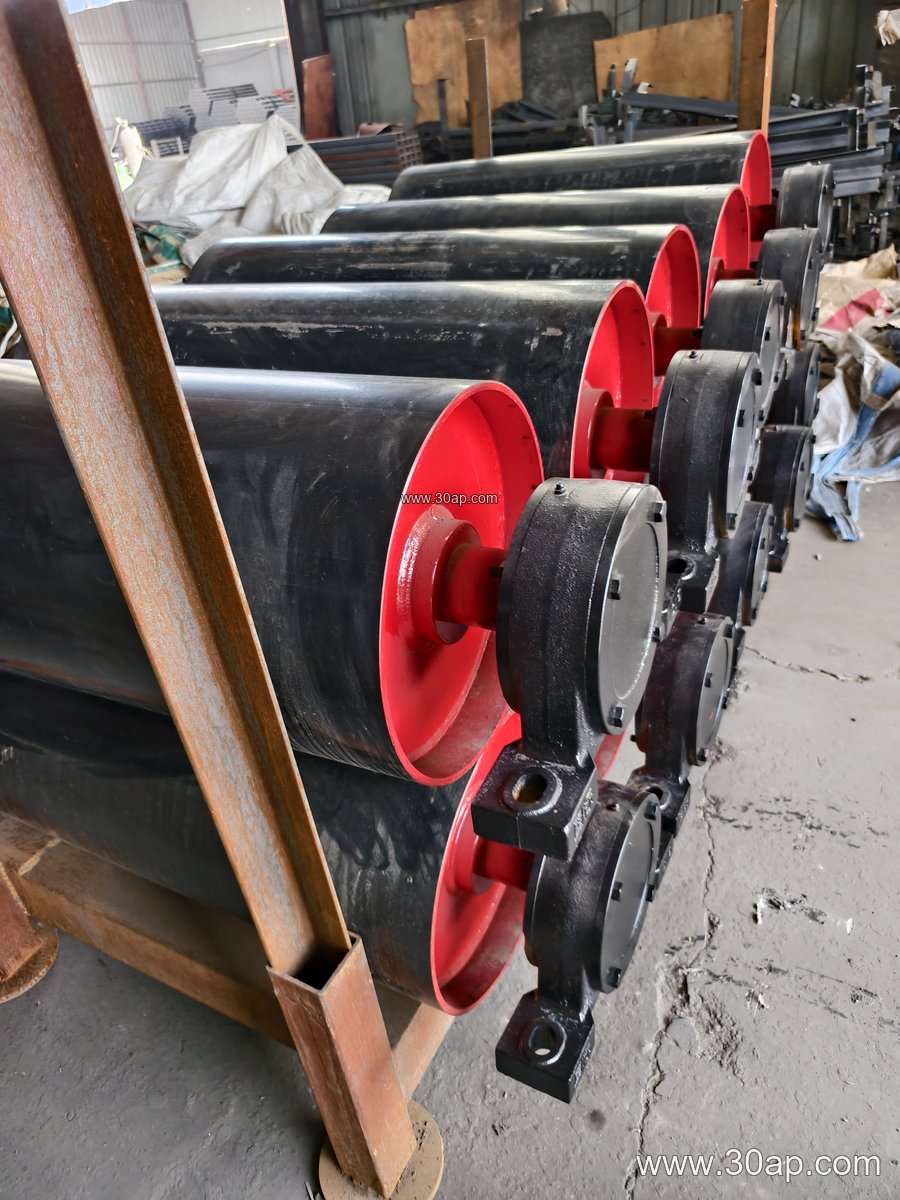
A belt conveyor drive pulley usually consists of a cylindrical shell, two end discs, a shaft, and bearing housings. The shell is often made from rolled steel plate, machined for balance and concentricity. The shaft is sized by torque and bending load, not simply by belt width; common shaft diameters include Ø80, Ø100, Ø120, Ø140, Ø160, and Ø180 mm, but final selection depends on the drive power and belt tension.
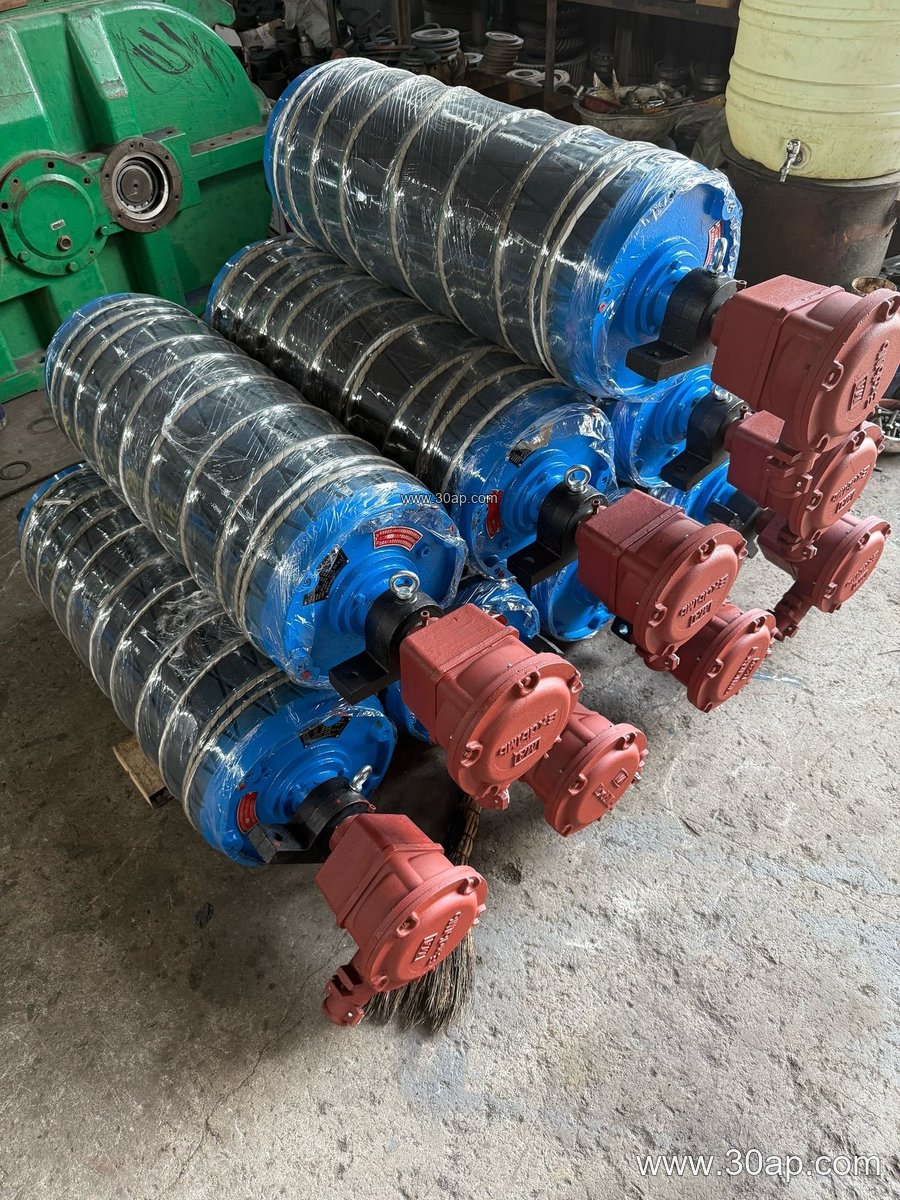
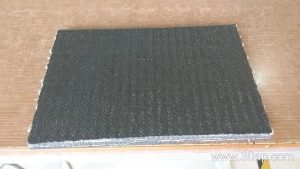
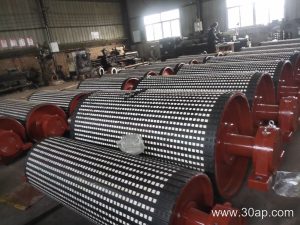
Surface treatment is critical. Plain steel shells are used in light-duty or non-slip-critical applications. Rubber lagging—applied by cold bonding or hot vulcanizing—improves friction and protects the shell. Diamond grooved lagging helps shed water and fines, while ceramic lagging offers high wear resistance in abrasive conditions such as iron ore or copper ore handling. Lagging thickness commonly ranges from 8 mm to 20 mm, with 10 mm and 12 mm being frequent choices for general bulk handling.
Bearing selection and sealing matter in dusty environments. Coal mining conveyor systems and quarry conveyor lines often require labyrinth seals or greased-for-life bearings to keep out fine particles.
Matching Pulley to Belt and Application
There is no fixed rule that one belt width must use one pulley diameter. A B800 conveyor might use a Ø500 drive pulley in a moderate-duty aggregate line, while a B1200 belt in a primary crusher discharge could require Ø1000 or larger to reduce belt bending stress and improve traction. The table below shows common reference combinations, but these are examples, not mandatory pairings.
| Belt Width | Typical Pulley Face Width | Example Diameter Range | Common Lagging |
|---|---|---|---|
| B650 | ≈750 mm | Ø400–Ø630 | 10 mm rubber |
| B800 | ≈950 mm | Ø500–Ø800 | 10–12 mm diamond |
| B1000 | ≈1150 mm | Ø630–Ø1000 | 12–15 mm rubber |
| B1200 | ≈1400 mm | Ø800–Ø1250 | 15 mm ceramic or rubber |
| B1400 | ≈1600 mm | Ø1000–Ø1400 | 15–20 mm rubber |
For high-tension circuits using steel cord conveyor belt or heavy-duty fabric core belt such as EP1000 or NN300, larger drum diameters help reduce cord stress. In contrast, a short transfer point with a lightweight PVC conveyor belt may work well with a smaller pulley. The drive pulley should be selected together with the conveyor belt specification—not in isolation.
Where It Is Used
Drive pulleys appear across many industries. In a limestone quarry or sand and gravel plant, they power primary and secondary conveyors moving crushed rock. In a coal washing plant, flame retardant conveyor belt and anti-static belt often run over rubber-lagged drive pulleys. Cement plants use them on clinker and raw meal conveyors, while power plants rely on them in coal handling systems. Port bulk terminals use large drive pulleys on ship loading conveyors, and underground mining operations use compact, robust drive drums in confined spaces.
Other conveyor components—idler roller, conveyor bracket, and bend pulley—support the belt and guide its path, but only the drive pulley provides motive force. A worn drive pulley lagging can cause slip, belt tracking problems, and increased energy consumption.
Buyer Checklist
- Confirm the required traction: calculate slack-side tension and choose lagging type accordingly.
- Check shaft diameter against actual torque, not just belt width. Provide motor power and speed to the supplier.
- Match pulley face width to belt width—typically 100–200 mm wider than the belt.
- Specify lagging thickness and pattern based on material: diamond for wet conditions, ceramic for high abrasion, plain rubber for general use.
- Consider environmental factors: heat resistant belt may need a heat-resistant lagging; oil resistant belt may require oil-tolerant rubber.
- Verify bearing type and sealing for dusty or washdown environments.
For more information on conveyor pulleys and related components, visit ExampleDomain.com/conveyor-pulley. A well-matched belt conveyor drive pulley reduces downtime and extends the service life of the entire conveyor system, from the conveyor belt to the idler roller and conveyor bracket.