What a Ø180 Conveyor Idler Is
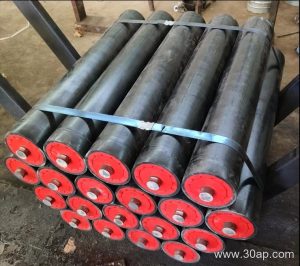
A Ø180 conveyor idler is a carrying or return roller with an outside diameter of 180 mm, built to support the conveyor belt along its run. In many belt conveyor layouts, the idler roller is the most numerous wear part, and the 180 mm size sits in the heavier end of the common range. It is typically matched with medium to wide belts and with structures where bearing life and roll stiffness matter, such as a quarry conveyor, a cement plant feed line, or a power plant coal handling circuit.
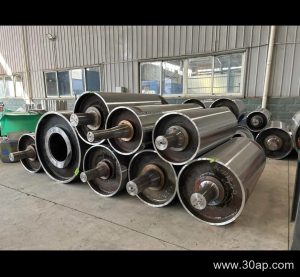
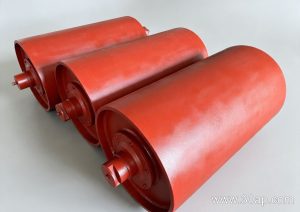
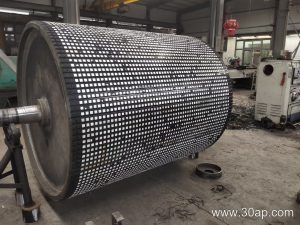
Although the number looks precise, a Ø180 idler is a family rather than a single item. The same nominal diameter can be supplied as a troughing roller, a return roller, an impact roller, or a self-aligning roller. Drive pulleys, tail pulleys, and bend pulleys are different components with different duties and are not interchangeable with idlers.
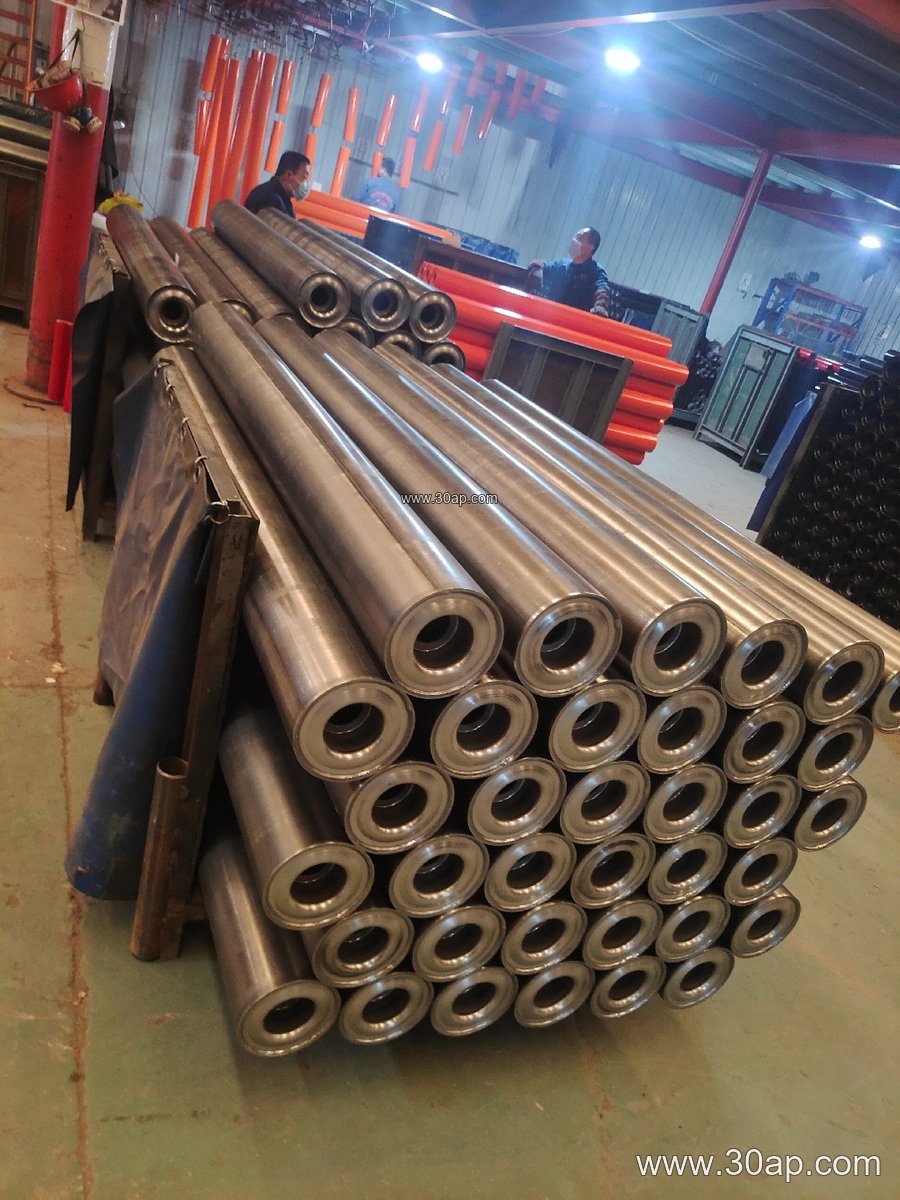
How the Roller Is Built
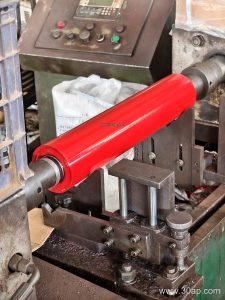
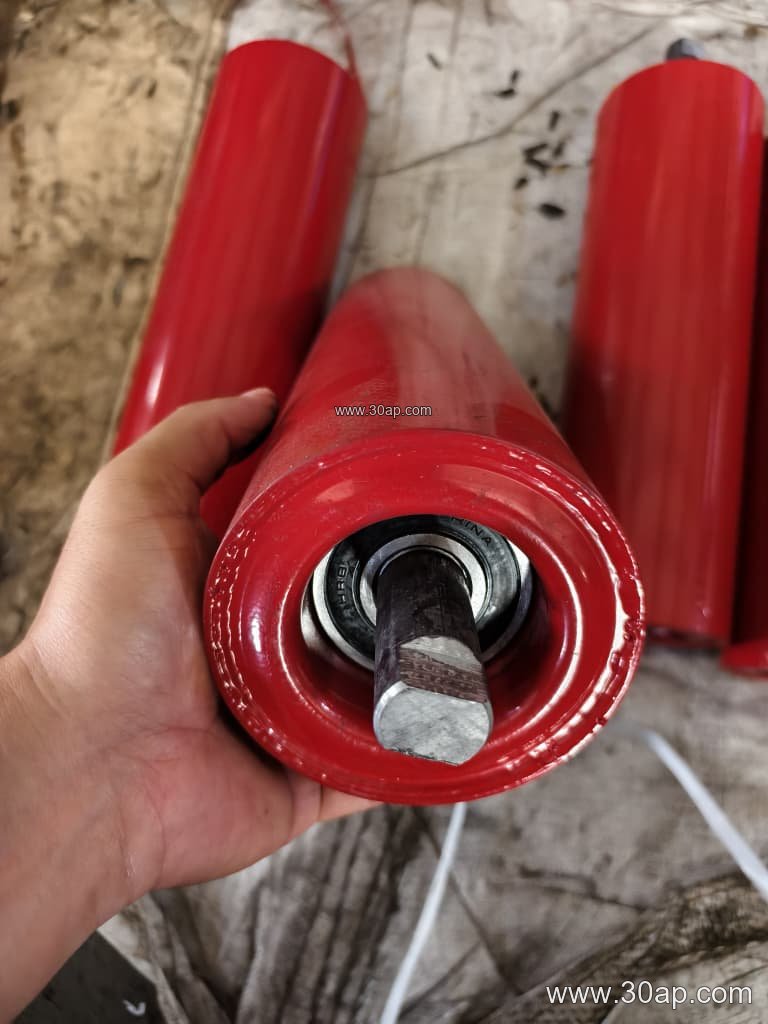
The body is usually a steel tube with machined bearing housings at each end. Shaft, bearings, seals, and end caps form the rotating assembly, and the seal design often decides service life in dusty conditions. Common bearing sizes in this class include 6308 and 6310, but the bearing is selected from load, speed, and seal arrangement rather than from diameter alone.
Surface options change with the duty. A plain steel shell suits clean, abrasive-light service. Rubber rings are used on impact rollers under a crusher discharge or transfer point. Nylon and ceramic covers appear where sticky material or fine slurry builds up on the shell. Roll length is set by belt width, trough angle, and the roller set form, so a 180 mm diameter can appear in several lengths.
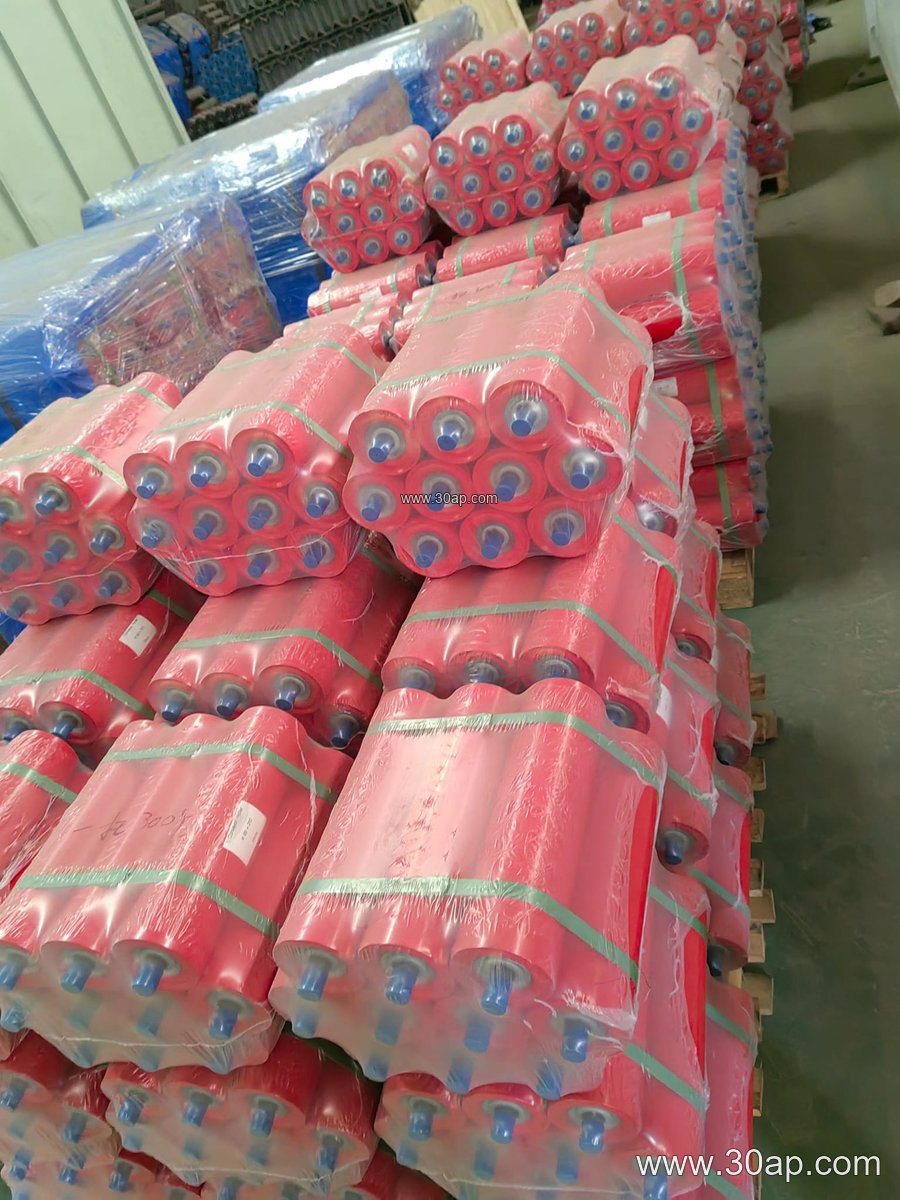
- Tube: steel, often with painted or coated finish
- Bearing housing: pressed or machined, greased or sealed-for-life
- Seal: labyrinth, contact, or combined type
- Shaft: through shaft or stub shaft, fixed by the conveyor bracket
Where It Fits on the Conveyor
Troughing sets are the usual home for this diameter. A three-roll troughing set on a wide belt spreads the load and keeps the belt in a stable trough. Return runs may use a single flat roller or a V-type return set, and transition zones near the head or tail may call for a smaller or specially angled roller to avoid belt stress.
Typical duties include limestone and clinker lines in a cement plant, coal yards and boiler feed systems in a power plant, and crushing and screening circuits in an aggregate plant. When the belt carries a heavy Mining Conveyor Belt or a thick EP Conveyor Belt, the idler frame and bearing selection should be checked against the actual load rather than assumed from diameter.
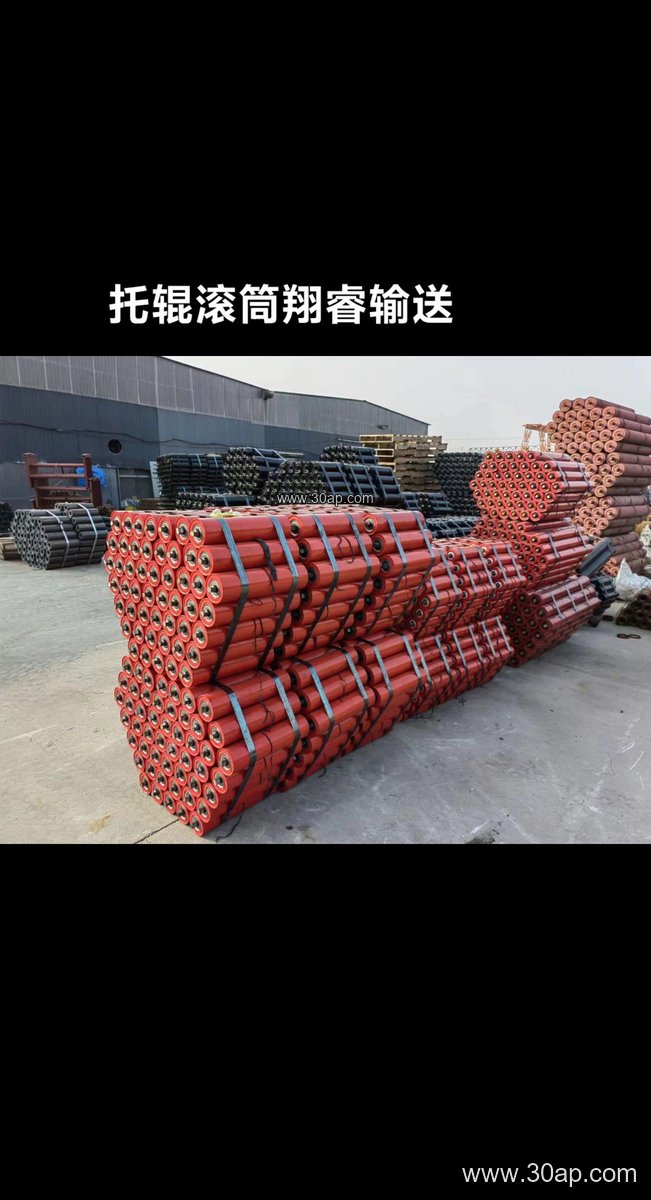
Matching Diameter, Belt Width, and Roll Length
Roll length is not fixed by diameter. In three-roll troughing sets, common roll lengths are roughly 315 mm for B800, 380 mm for B1000, 465 mm for B1200, 530 mm for B1400, and 600 mm for B1600. These are reference examples only; side rollers and center rollers can differ, and trough angle changes the geometry. A 180 mm idler should be confirmed against the frame drawing, the belt width, and the required trough angle of 20, 30, 35, or 45 degrees.
Belt width is likewise a design input, not a one-to-one rule. A B1200 conveyor may run 180 mm rollers in one section and a different diameter elsewhere. Buyers should avoid assuming a shaft size from belt width; shaft diameter follows the load calculation and the bracket design.
Buyer Checklist
- Confirm the roller type: troughing, return, impact, or self-aligning
- State belt width, trough angle, and roll length for each position
- Give the duty: material, lump size, belt speed, and ambient conditions
- Specify seal and lubrication preference for dusty or wet service
- Check that the conveyor bracket and frame accept the chosen shaft ends
- Ask for the bearing designation and housing fit, not just the diameter
For hot or oily service, a Heat Resistant Conveyor Belt or Oil Resistant Conveyor Belt may be paired with heat-tolerant idler seals. In underground coal work, a Flame Retardant Conveyor Belt is common, and the idler specification should still follow the same load and sealing logic.
Installation and Maintenance Notes
Align the idler frame square to the belt centerline and check that all rollers in a set sit at the same height. A roller that is out of line causes edge wear and belt mistracking. Keep the seal area clean, inspect for seized bearings, and replace rollers showing shell wear, noise, or grease loss. Spare rollers should match the original roll length and shaft end, since a 180 mm diameter alone does not define a replacement.
In a port or ship loading conveyor, corrosive salt air may call for coated housings. In a cold climate, low-temperature grease helps starting torque. These choices belong in the purchase specification, together with the roller type and the bracket interface.