What the EP1250 Conveyor Belt Is
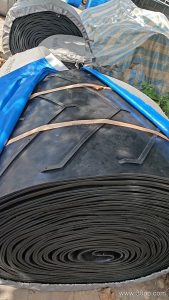
The EP1250 conveyor belt is a fabric-core belt built around polyester (E) and nylon (P) warp and weft yarns, with a nominal tensile strength of 1250 N/mm per ply. It sits in the mid-to-high range of EP belt ratings, above common EP1000 and below higher-rated EP1600 constructions. The abbreviation EP1250 is widely used in specifications and purchase enquiries, and the same product is often described as an EP1250 rubber conveyor belt or an EP1250 fabric core conveyor belt. It is not a steel cord belt and not a solid-woven PVC belt; it is a multi-ply fabric belt with rubber covers.
Construction and Build
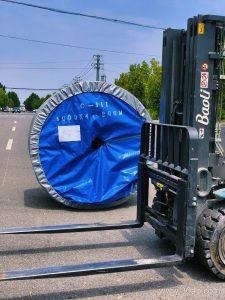
A typical EP1250 belt uses two to six plies of EP fabric, depending on the required strength and the number of plies the manufacturer specifies. The plies are bonded with rubber skim compound, and top and bottom covers protect the carcass from abrasion, moisture, and material impact. Common cover combinations include 4+2 mm, 5+2 mm, 6+2 mm, and 8+3 mm, with thicker covers usually chosen for coarse rock, ore, and aggregate. The belt can be supplied in widths from B500 up to B2000, and the width should be matched to the conveyor frame, pulley face, and loading conditions rather than selected on its own.
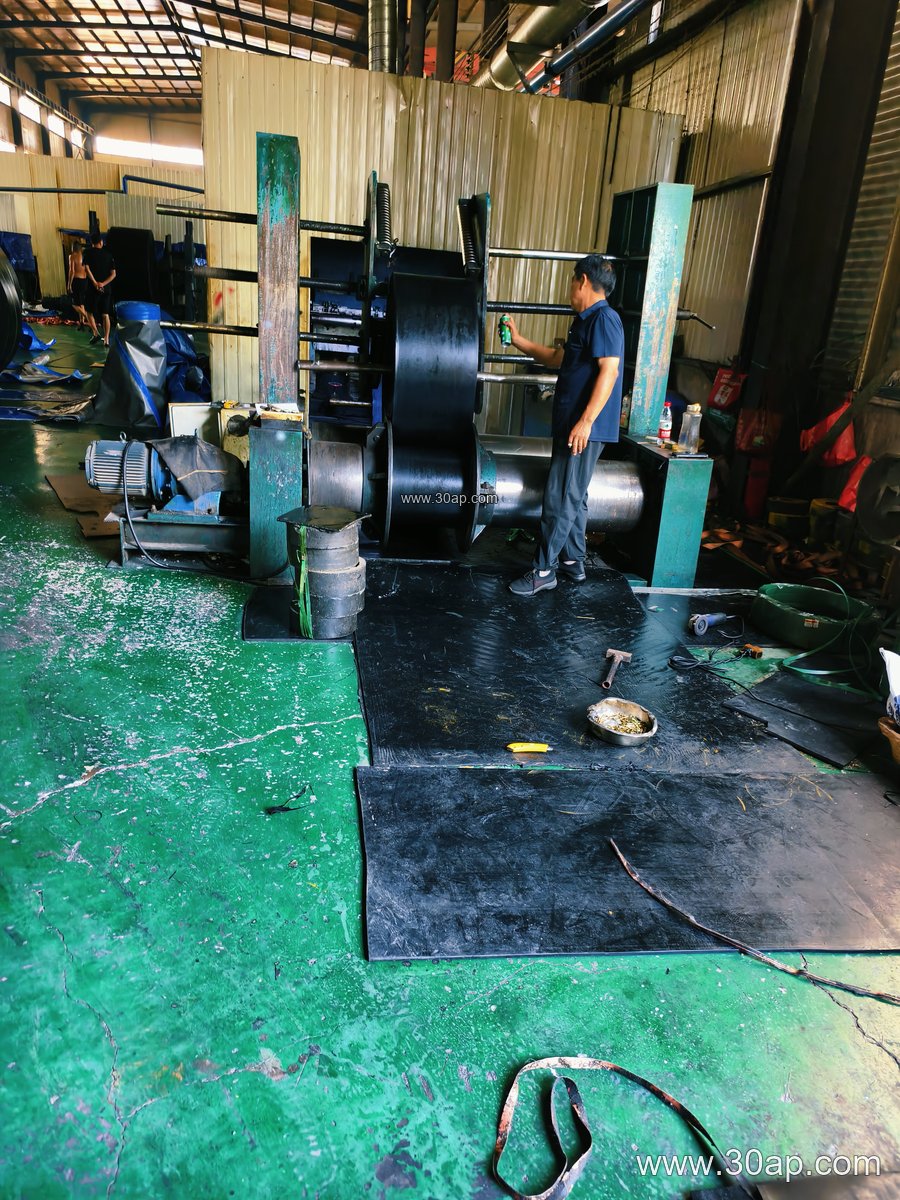
Common reference data for EP1250 belts
| Parameter | Typical reference values |
|---|---|
| Belt type | EP1250, EP fabric core, multi-ply |
| Nominal strength | 1250 N/mm per ply |
| Number of plies | 2 to 6, per design |
| Belt width | B500, B650, B800, B1000, B1200, B1400, B1600, B1800, B2000 |
| Cover thickness | 3+1.5, 4+2, 5+2, 6+2, 8+3 mm |
| Surface options | Plain, abrasion resistant, heat resistant, flame retardant, chevron, corrugated sidewall |
These figures are reference data. Actual ply count, cover gauge, and belt weight are set by the belt designer and can vary between manufacturers.
Where It Is Used
EP1250 belts are common in bulk material handling where a fabric belt offers good flexibility and troughing behaviour at a moderate strength level. They appear in crushing and screening plants, quarries, sand and gravel operations, cement plants, power plants, and port loading systems. In mining, an EP1250 conveyor belt may serve as a main haulage belt or as a transfer belt between crushers and stockpiles. Where the material is abrasive, an abrasion resistant conveyor belt cover grade is often specified; where coal dust or flammable atmosphere is present, a flame retardant conveyor belt grade may be required. For long overland routes or very high tension, a steel cord conveyor belt is usually compared, but the EP1250 belt remains a practical choice for many medium-duty and heavy-duty lines.
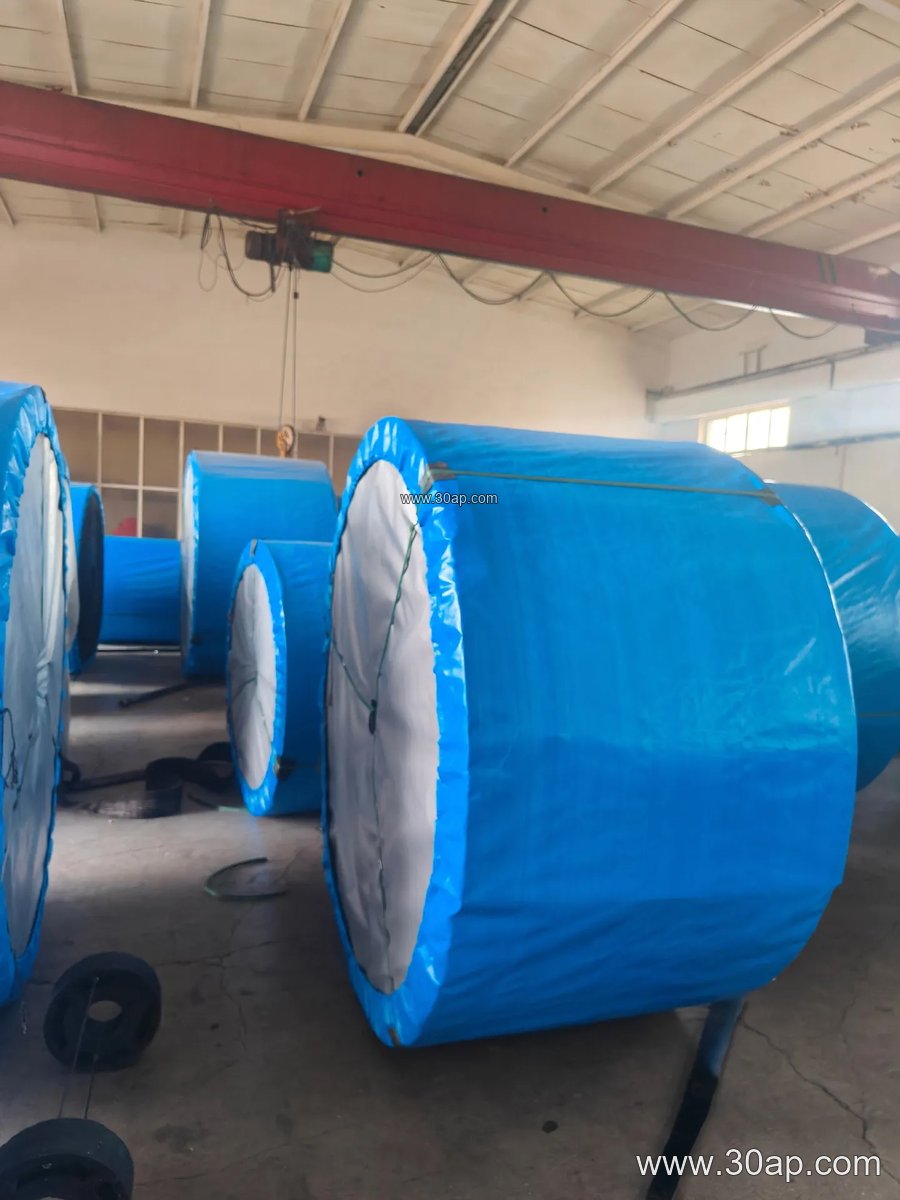
Selection Points for Buyers
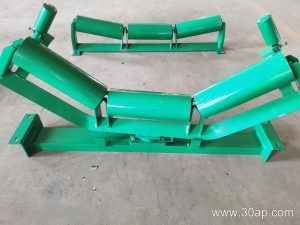
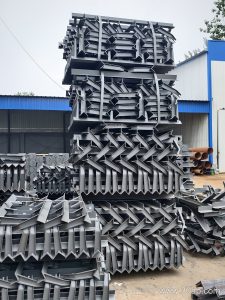
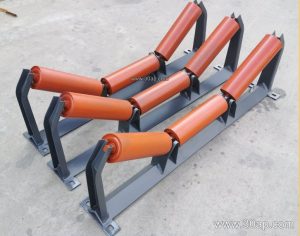
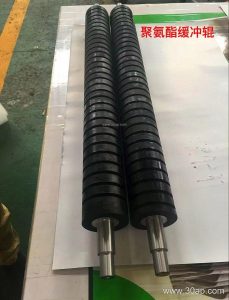
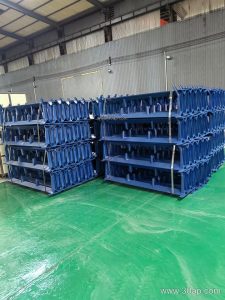
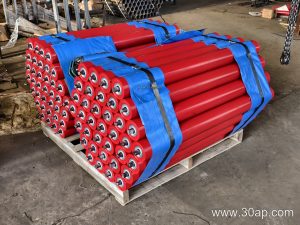
Begin with the actual duty: tonnage per hour, lump size, drop height, belt speed, and the distance between centres. A belt rated at EP1250 in a thin two-ply build is not the same as a four-ply or five-ply build, so the ply count and cover thickness should be stated on the order. Check the pulley diameters and the transition distance, because a stiff, thick belt may need larger pulleys than a lighter build. The conveyor pulley, idler roller, and conveyor bracket layout all affect belt tracking and wear. Confirm whether the belt needs an endless splice on site or an open-end delivery, and whether edge reinforcement is required for the loading zone. For hot clinker or sinter, a heat resistant conveyor belt cover grade is more suitable than a standard EP cover; for oily scrap or recycled material, an oil resistant grade may be needed. Buyers should also ask for the belt weight per square metre and the recommended minimum pulley diameter, since these figures vary by construction.
Maintenance and Handling Notes
Keep the idler rollers turning freely and check for material build-up on the return side. Misalignment at the tail pulley or a worn conveyor pulley lagging can cause edge damage that shortens belt life. Store belts in a dry, shaded area and avoid sharp bends during installation. When joining, follow the splice method recommended for the specific EP1250 construction, because the carcass and cover compounds differ between suppliers. A belt that is correctly matched to its conveyor frame, pulleys, and loading chute will generally give better service than an oversized belt run on undersized components.