What the PVG800S Conveyor Belt Is
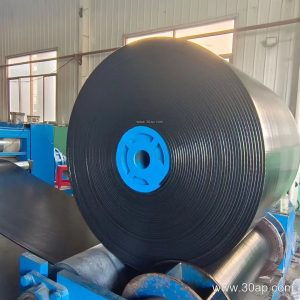
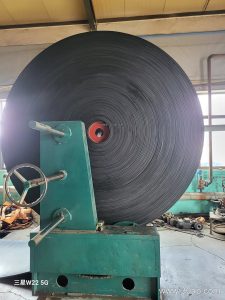
The PVG800S Conveyor Belt is a solid-woven, PVC-impregnated belt grade used where a tough, flame-retardant and anti-static carcass is needed. In practice, PVG is the family name for whole-core PVC belts, and 800S identifies the strength class within that family. The belt is made as a single homogeneous body rather than as a stack of separate plies, which gives it good resistance to impact, tearing and delamination in demanding conveying lines.
Buyers often meet this product under the equivalent name PVG800S solid woven conveyor belt, or simply as a PVG800 conveyor belt when the strength class is discussed in general terms. These names describe the same product; they are not different belt types.
How the Belt Is Built
The carcass is a woven fabric structure that is fully impregnated and covered with PVC. Because the cover and core form one body, there is no ply-to-ply interface where separation can start. The construction usually includes anti-static and flame-retardant additives, which is why this grade is common in coal and underground work.
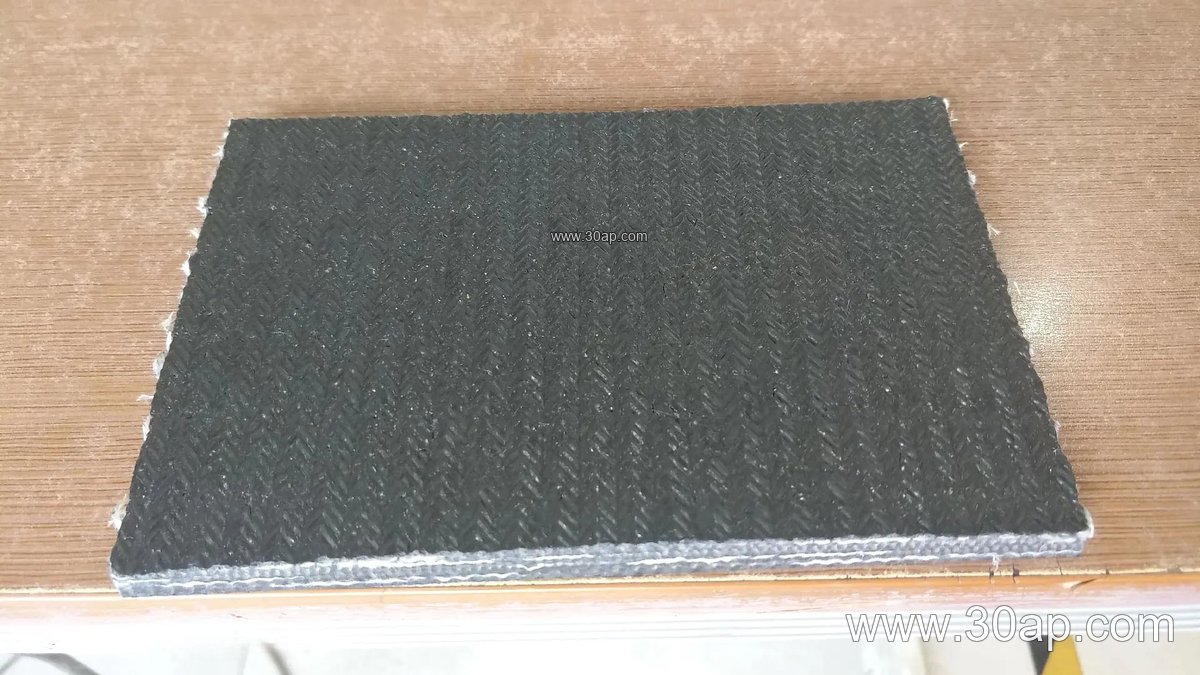
The “S” qualifier matters. It indicates a specific strength and property level within the PVG800 range, so a quotation should always state PVG800S rather than a generic PVG belt. Cover thickness, edge finish and splice design are normally agreed with the manufacturer for each conveyor.
Where It Fits in a Conveying System
This belt is typically found in underground coal mining conveyors, drift and incline haulage, and surface lines handling coal, rock, ore and other bulk materials. It also appears in cement plants, power plants, ports and quarry operations where flame retardancy and anti-static behavior are required.
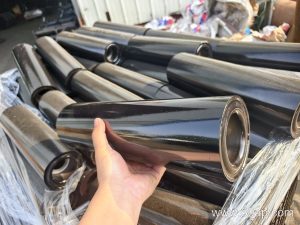
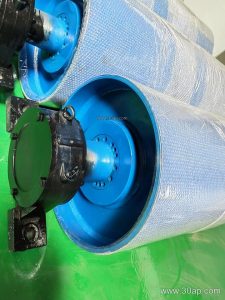
The belt does not work alone. A complete line pairs it with idler rollers that support the loaded strand, a conveyor pulley at the drive and tail positions, and conveyor brackets that hold the structure together. Drive, tail and bend pulleys each do a different job and are selected separately; the belt width does not dictate one fixed pulley diameter. Where fines or spillage are a concern, a skirted or corrugated sidewall design may be considered, but those are different belt constructions and should not be substituted for the PVG800S when the specification calls for solid woven PVC.
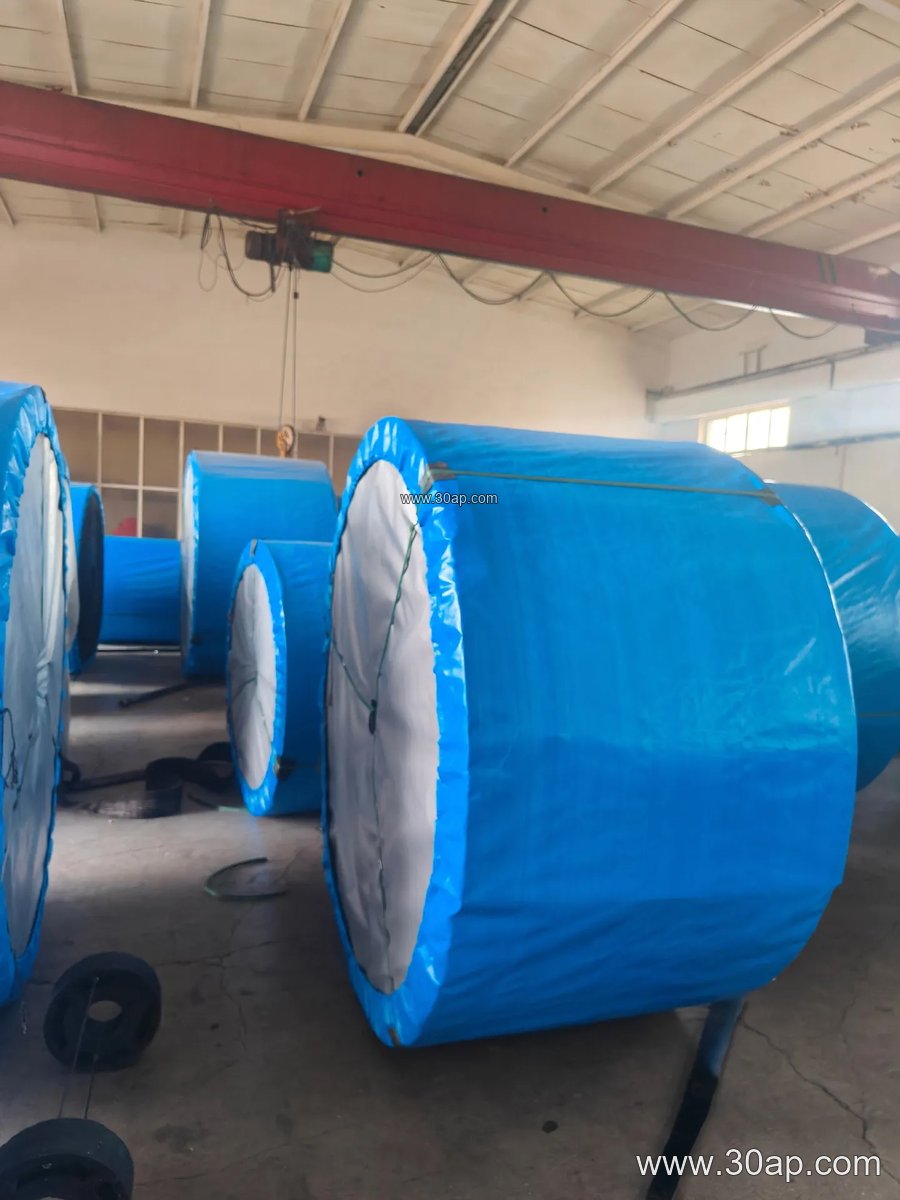
Typical Reference Data
The values below are common reference points, not universal specifications. Actual figures depend on the manufacturer and on the conveyor design.
| Parameter | Common reference |
|---|---|
| Belt grade | PVG800S |
| Belt widths | B650, B800, B1000, B1200, B1400, B1600 |
| Cover thickness | 3+1.5 mm, 4+2 mm, 5+2 mm |
| Carcass form | Solid woven, PVC impregnated |
| Property focus | Flame retardant, anti-static, impact resistant |
For comparison, an EP conveyor belt or NN conveyor belt uses layered fabric plies, while a steel cord conveyor belt uses steel wires for very high tension. Those constructions suit different duties and are not replacements for the PVG800S.
Selection and Use Notes
- Confirm the actual strength class and cover thickness with the supplier, since PVG800 and PVG800S are not interchangeable labels.
- Check that the flame-retardant and anti-static requirements of the site are stated clearly in the inquiry.
- Match the belt to the conveyor’s loading, incline and splice method; a wider belt does not automatically mean a larger pulley.
- Inspect idler rollers and pulley lagging regularly, because poor support shortens belt life more than cover wear does.
- Store belts away from sharp edges and direct sunlight, and follow the maker’s splicing instructions.
For buyers sourcing a PVG800S Conveyor Belt, the practical approach is to specify the grade, width, cover thickness and required properties, then let the conveyor design define the pulley, idler roller and bracket details. More belt guidance is available at www.beltconveyors.net, covering conveyor belt, idler roller and conveyor pulley selection topics.