What an 800mm Drive Pulley Does
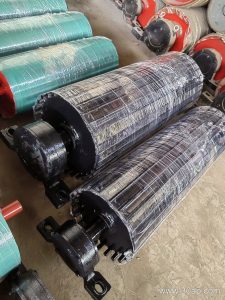
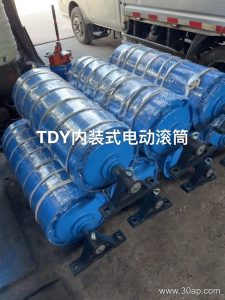
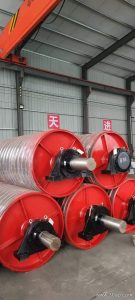
An 800mm drive pulley is a head pulley with a nominal diameter of 800mm that transmits power from the drive unit to the conveyor belt. In aggregate plants, cement kiln feed lines, and coal handling systems, this pulley is the main traction point that keeps the belt moving under load. Unlike a tail pulley, which mainly redirects and tensions the belt, the drive pulley must handle high torque and maintain grip without slipping. Its 800mm diameter gives a favorable wrap angle and reduces belt bending stress, making it a common choice for medium to heavy-duty conveyors.
Construction and Surface Options
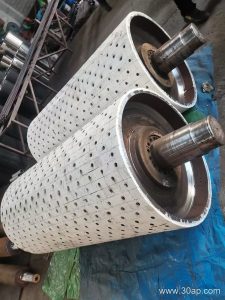
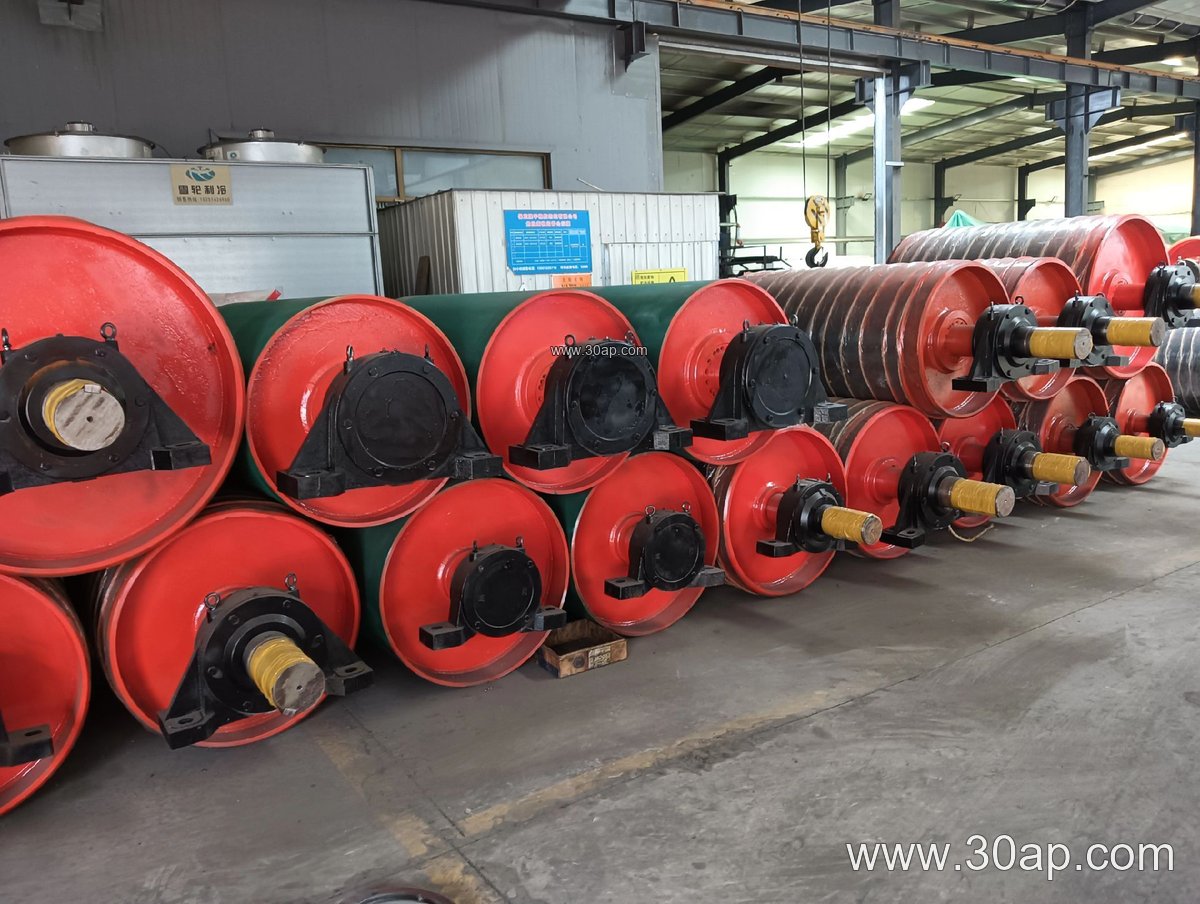
The pulley body is usually fabricated from rolled steel plate with welded end discs and a machined shaft. Common shaft diameters for this size range from Ø120 to Ø180, determined by torque and bearing load rather than belt width alone. Surface treatment directly affects traction and belt life. Plain steel is suitable for light duties, while rubber lagging is standard for most bulk applications. Available surface forms include:
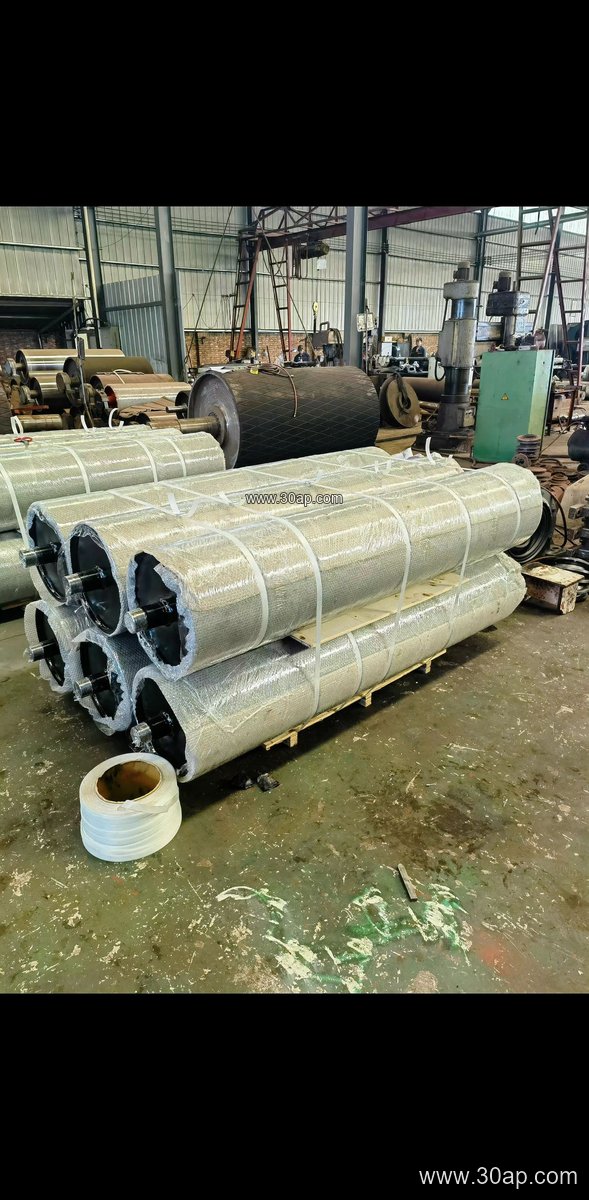
- Plain surface
- Cast rubber lagging
- Cold-bonded rubber
- Hot-vulcanized rubber
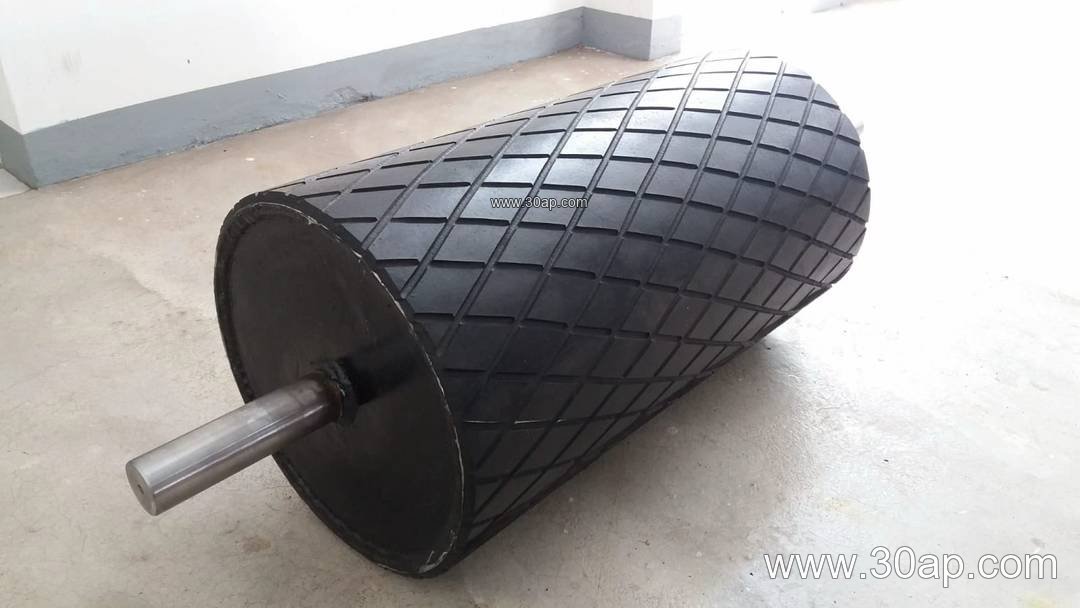
- Diamond grooved lagging
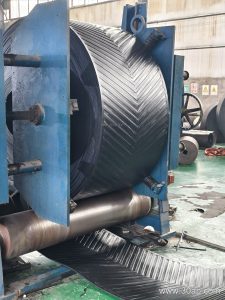
- Herringbone lagging
- Ceramic lagging
Lagging thickness commonly ranges from 8mm to 20mm. For abrasive materials such as iron ore or limestone, ceramic or thick rubber lagging helps extend service life. In coal mines, flame retardant and anti-static properties of the lagging and belt are important considerations. The pulley face width typically exceeds the belt width; for an 800mm belt (B800), the pulley face is often around 950mm to allow for belt tracking.
Where It Fits in the Conveyor
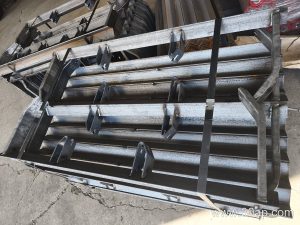
This drive pulley is typically installed at the head end of a conveyor, receiving torque from a gearbox and motor. It works together with the conveyor belt, idler rollers, and conveyor brackets to form a complete material handling system. In a quarry or sand and gravel line, an 800mm drive pulley might be paired with an EP conveyor belt or a multi-ply fabric core belt for transporting crushed stone. In a power plant coal yard, it may drive a flame retardant conveyor belt. For underground mining, a heavy-duty mining conveyor belt with steel cord reinforcement could be used, though the pulley size must be selected based on the actual belt tension and power requirements.
Matching Belt and Pulley
Belt width and pulley diameter are related but not fixed pairs. An 800mm drive pulley can be used with different belt widths depending on the conveyor design. For reference, common combinations include B800 × Ø500 and B1200 × Ø1000, but these are examples, not rules. The pulley diameter should be large enough to limit belt bending stress, especially for steel cord belts. The face width should match the belt width plus adequate margin. When selecting, consider the belt type: an EP conveyor belt, NN conveyor belt, or steel cord conveyor belt each has different flexibility and tension requirements. The drive pulley must also be sized for the starting torque and the load profile of the application.
Buyer Checklist
Before ordering an 800mm drive pulley, confirm the following:
- Belt width and type (e.g., EP1000, ST1600, PVG800S)
- Required shaft diameter based on torque calculation
- Lagging type and thickness for the material handled
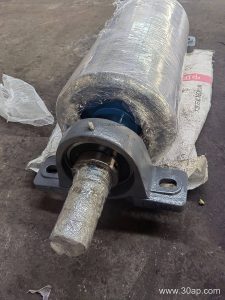
- Bearing size and housing arrangement
- Environmental conditions (dust, moisture, temperature)
For abrasive or high-impact service, specify abrasion resistant conveyor belt and impact resistant lagging. For hot materials such as cement clinker, a heat resistant conveyor belt may be needed, and the pulley should be protected from heat buildup. Always request dimensional drawings and material certificates from the supplier to ensure the pulley matches the conveyor structure and brackets.
Maintenance Notes
Regular inspection of lagging wear, shaft alignment, and bearing condition helps prevent unexpected downtime. Slippage often indicates insufficient lagging grip or improper tension. In dusty environments like a cement plant or coal yard, keep the pulley surface clean and check for material buildup that can cause belt misalignment. Properly maintained, an 800mm drive pulley can provide long service in demanding bulk handling operations.