Where the Sand and Gravel Conveyor Idler Fits in the Line
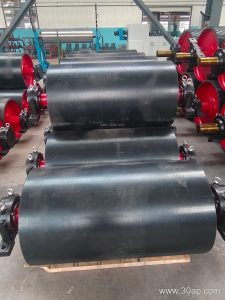
In a sand and gravel plant, the conveyor that leaves the crusher carries a heavy, abrasive, and often wet load. The Sand and Gravel Conveyor Idler is the rotating support under the belt that keeps that load moving without excessive sag, spillage, or belt wear. It is not a drive component. The drive pulley pulls the belt, the tail pulley returns it, and bend pulleys redirect it; the idler roller simply supports the belt between those points. For a quarry conveyor belt running crushed stone or washed aggregate at 800 mm to 1200 mm width, idler choice often matters as much as belt specification.
See related equipment options at www.example.com/conveyor-idler and belt matching notes at www.example.com/abrasion-resistant-conveyor-belt.
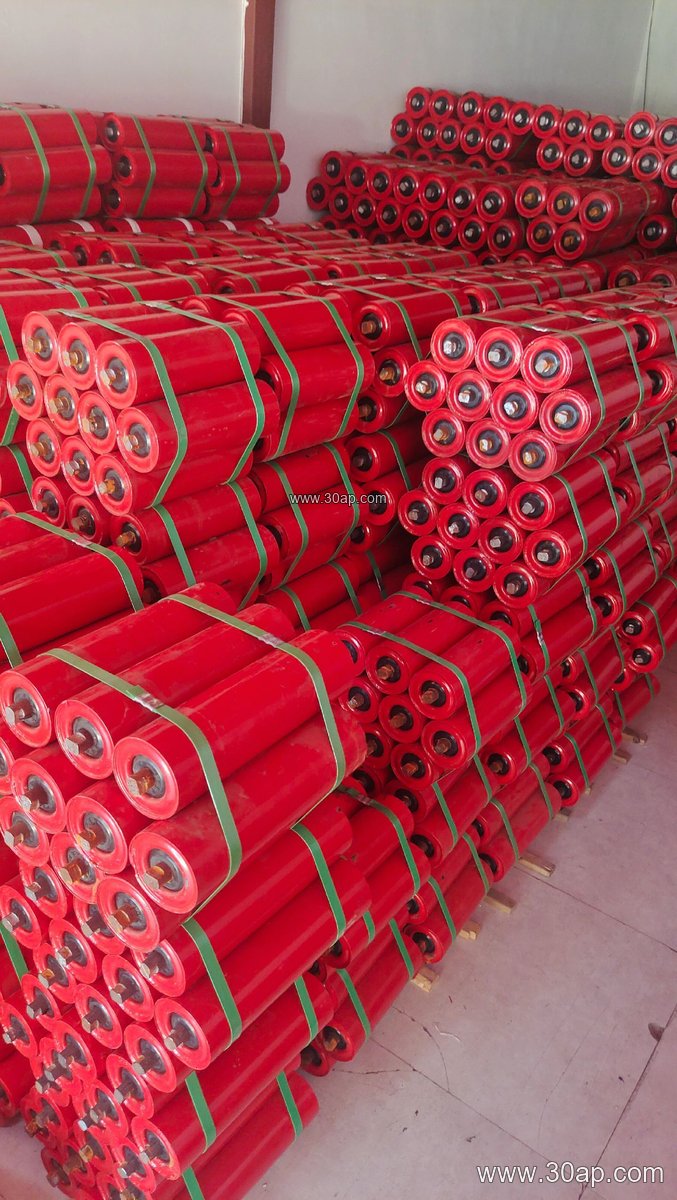
How the Idler Is Built
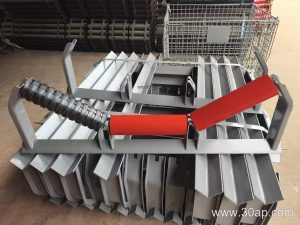
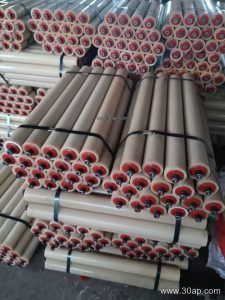
A typical unit has a steel tube shell, a shaft, bearing housings, and a sealing arrangement. The shell may be plain steel, nylon-coated, ceramic-covered, or fitted with rubber rings for impact zones. Bearings are commonly 6204, 6205, 6305, 6306, 6308, or 6310, selected by load and speed rather than by a single fixed rule. Roller diameter options include Ø63, Ø76, Ø89, Ø102, Ø108, Ø127, Ø133, Ø159, Ø178, Ø194, and Ø219, and the correct choice depends on belt width, load, and frame design.
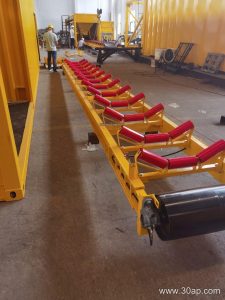
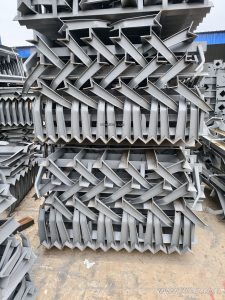
The troughing set is usually a three-roll arrangement with trough angles of 20, 30, 35, or 45 degrees. Return sides may use a single flat roll or a V-shaped return set. Transition idlers ease the belt from flat to troughed. Self-aligning types, including friction and tapered designs, help correct belt drift on long runs. In a sand and gravel quarry, impact idlers with rubber rings are often placed below the crusher discharge, while standard troughing idlers handle the main run.
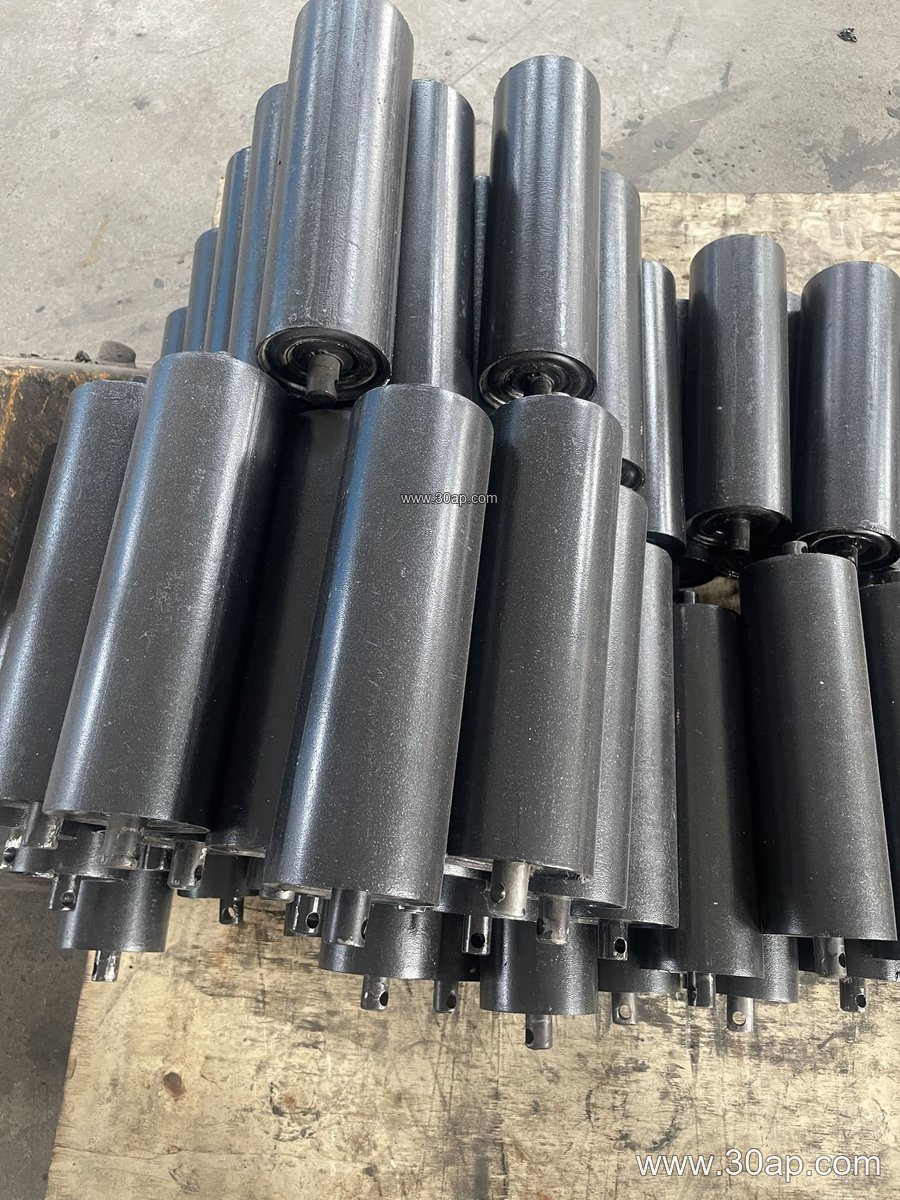
Common Sizes and Reference Data
The table below shows typical roll lengths for three-roll troughing sets. These are common examples, not fixed pairings; side rolls and center rolls may differ, and final dimensions are set by the conveyor design.
| Belt width | Typical roll length (three-roll set) | Common trough angle |
|---|---|---|
| B500 | about 200 mm | 20–35 degrees |
| B650 | about 250 mm | 20–35 degrees |
| B800 | about 315 mm | 30–35 degrees |
| B1000 | about 380 mm | 30–35 degrees |
| B1200 | about 465 mm | 30–35 degrees |
| B1400 | about 530 mm | 35–45 degrees |
| B1600 | about 600 mm | 35–45 degrees |
Belt width and pulley diameter are independent choices. A 1000 mm belt may run with different pulley sizes depending on tension and wrap requirements, and one belt width does not dictate one shaft diameter. Always confirm shaft, bearing, and frame dimensions with the conveyor builder.
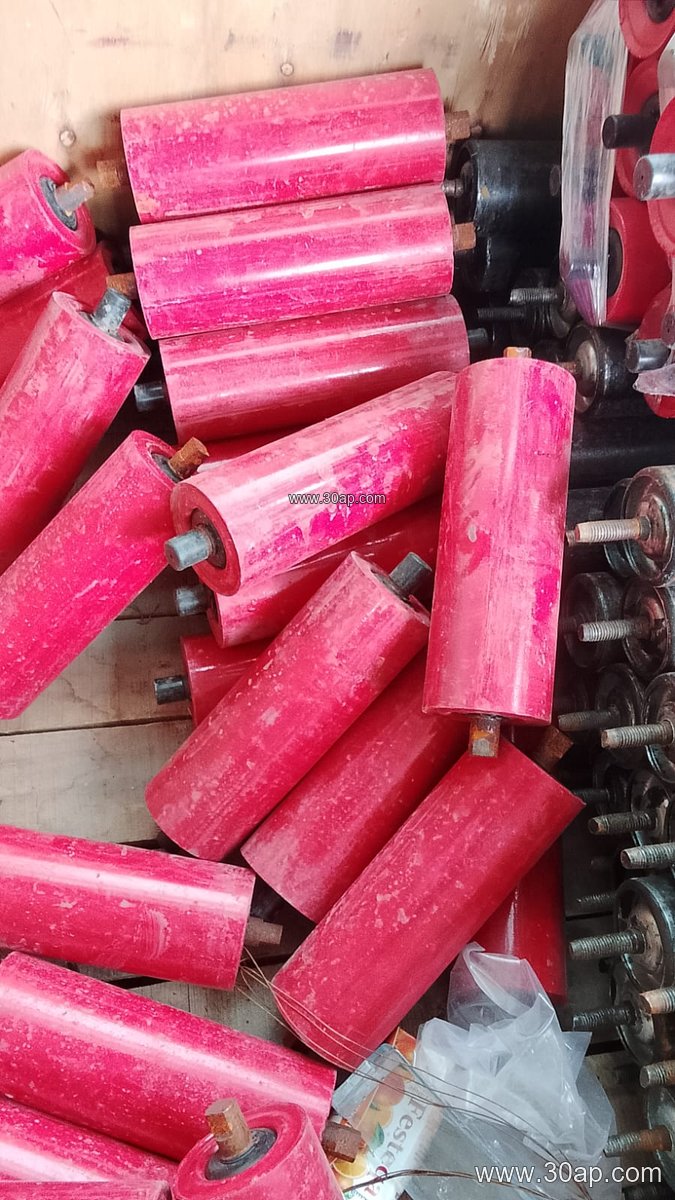
Applications Beyond the Pit
The same idler design appears in limestone quarries, iron ore and copper ore handling, coal preparation plants, cement plants, power plant coal yards, and port bulk terminals. In a concrete batching plant, short conveyors feed aggregate bins; in a tunnel muck line, impact and sealing performance matter most. Where belts carry hot clinker or sinter, heat-resistant conveyor belt grades are used, and the idler bearing grease must match the temperature. In dusty crushing circuits, a well-sealed idler reduces bearing failure and jamming.
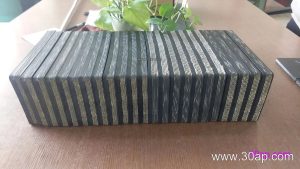
The idler must suit the belt it supports. An EP conveyor belt or multi-ply fabric core belt behaves differently from a steel cord conveyor belt under the same load. A chevron conveyor belt or corrugated sidewall belt may need special roll spacing to avoid contact with cleats. Skirted conveyor belt installations often require close idler spacing near the loading point.
What Buyers Should Check
- Roll diameter and shell thickness against the actual load and belt speed.
- Bearing size and seal type for dust, water, and wash-down conditions.
- Trough angle and roll length matched to the belt width and frame.
- Impact and transition zones identified separately from the main run.
- Spare parts availability and consistent mounting dimensions across the line.
For a sand and gravel operation, the practical goal is simple: keep the belt supported, keep the bearings sealed, and keep the aggregate moving from crusher to stockpile without stoppages. Review the full conveyor idler range at www.example.com/sand-gravel-conveyor-idler and pulley and bracket references at www.example.com/conveyor-pulley.