What a Thermal Power Plant Conveyor Pulley Does
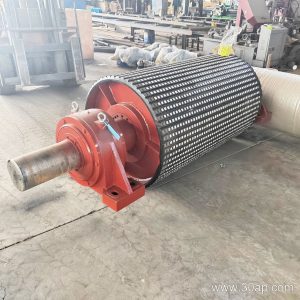
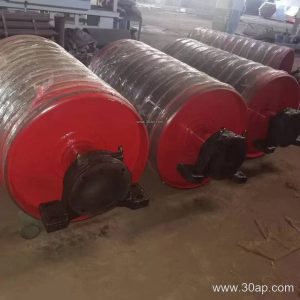
A thermal power plant conveyor pulley is the rotating drum that drives or guides the belt in a coal handling system. In a typical coal-fired station, the coal handling circuit moves fuel from the stockyard or unloading area to the bunkers above the boilers. The pulleys in that circuit carry the tension, transmit the drive torque, and keep the belt tracking properly. Because these units run for long hours in a dusty environment, the choice and upkeep of each thermal power plant conveyor pulley has a direct effect on availability of the coal supply line.
The same component is often called a conveyor drum in plant maintenance documentation. Both names refer to the same product, and engineers may use either term when ordering spares. Drive, tail and bend positions are not interchangeable names, however; each performs a different duty and must be specified separately.
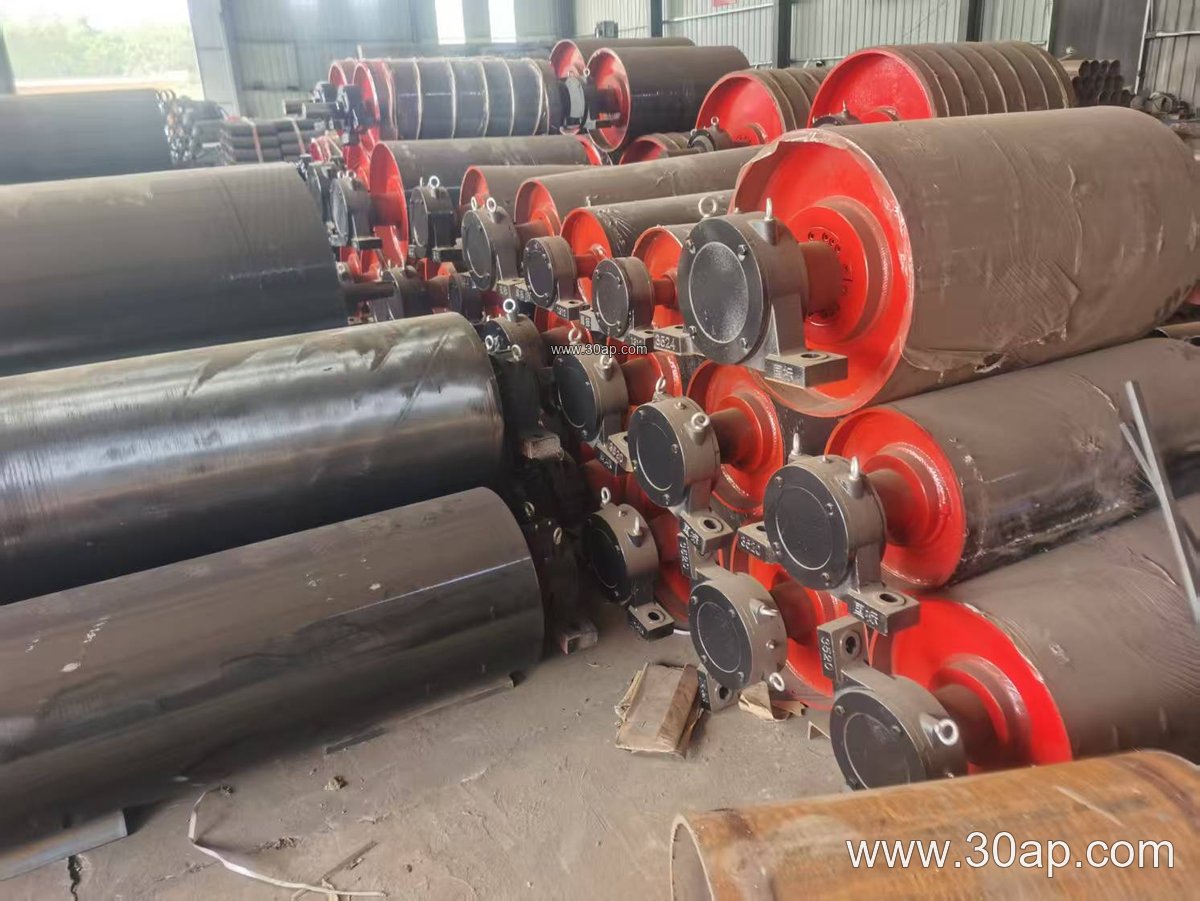
Construction and Surface Options
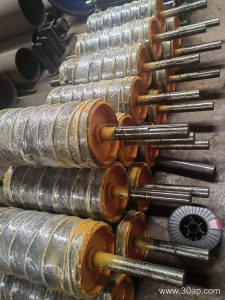
A typical drum is built from a rolled steel shell, welded end discs, a shaft, and bearing housings mounted in conveyor brackets. The shell is machined to reduce runout, and the shaft is sized by torque and radial load rather than by belt width alone. Surface treatment is one of the most important choices for coal handling duty.
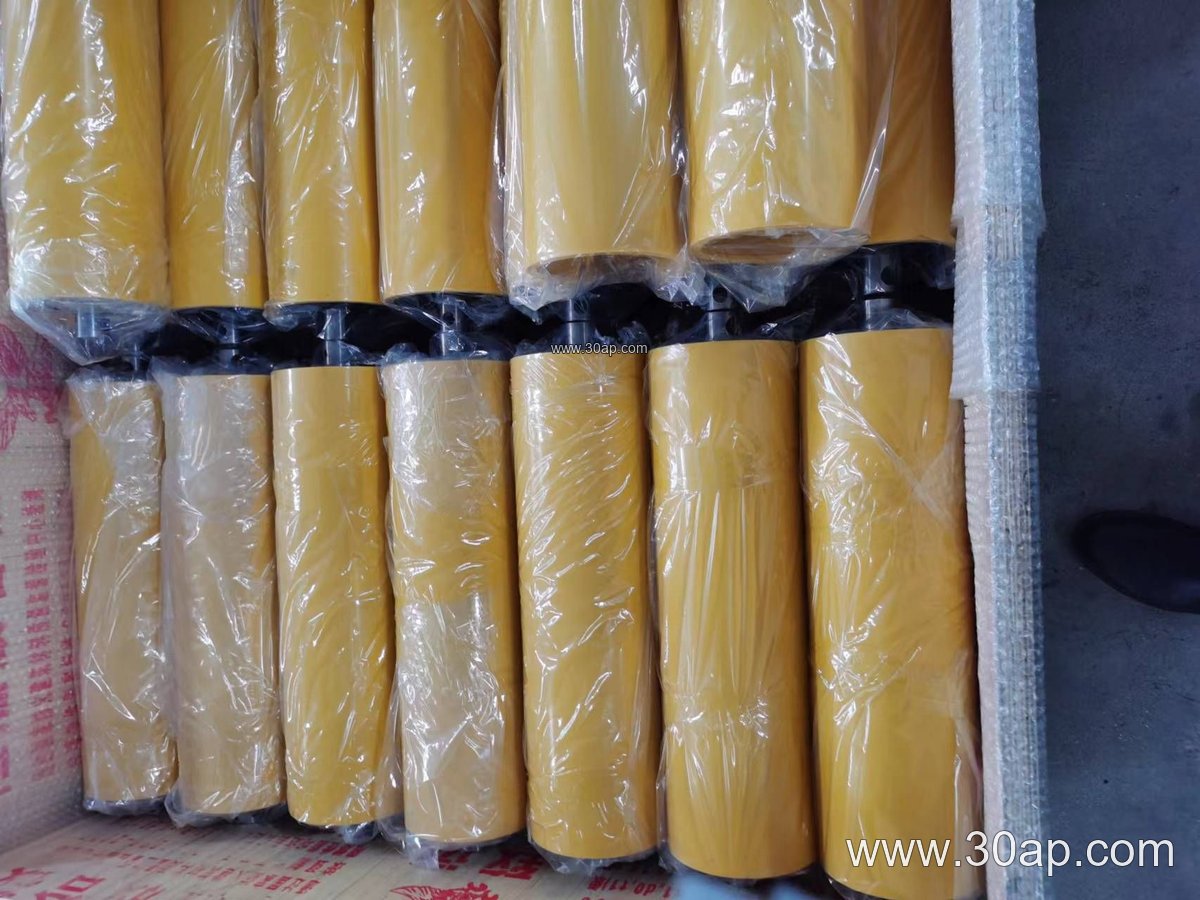
- Plain face for light, clean service
- Rubber lagging applied cold or vulcanized hot
- Diamond pattern lagging for wet or slightly slipping belts
- Herringbone lagging for reversible belts
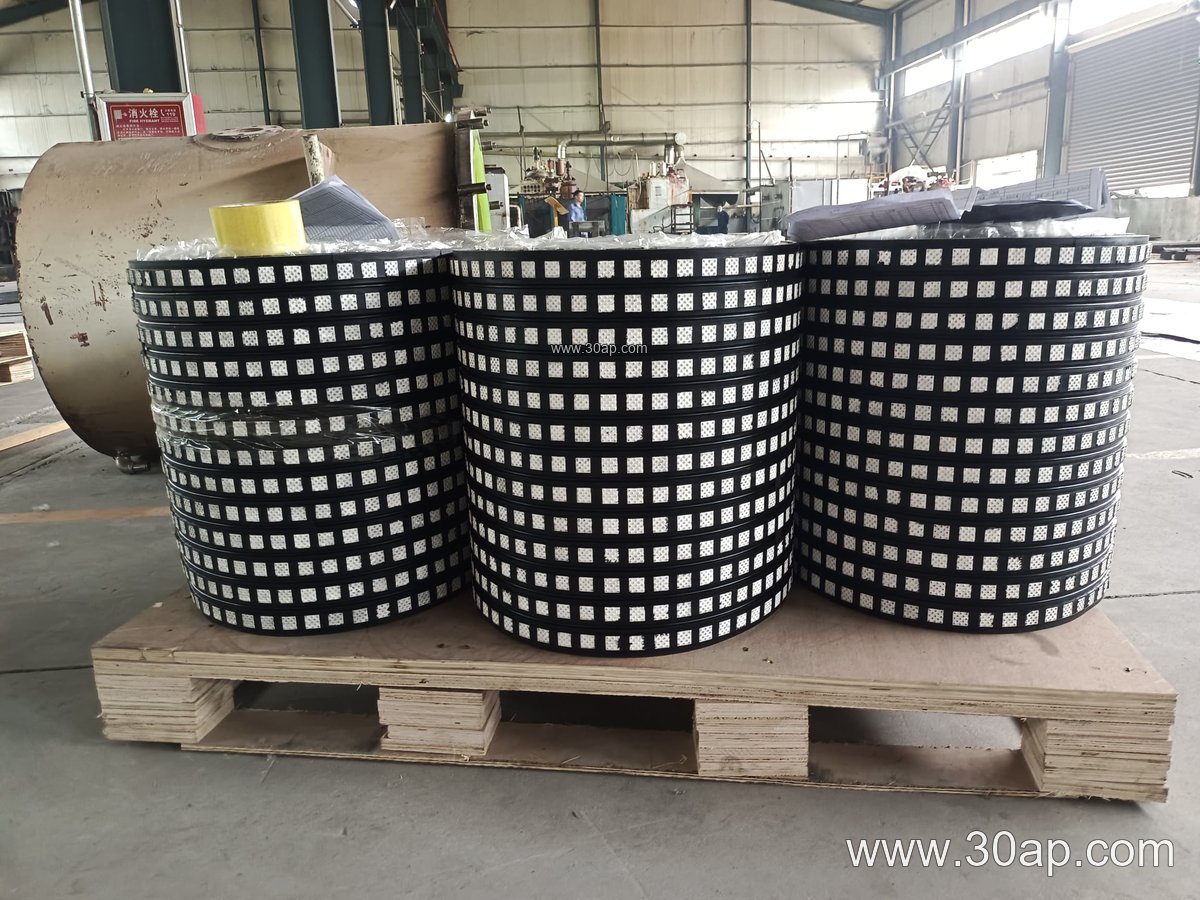
- Ceramic lagging for high-traction, abrasive service
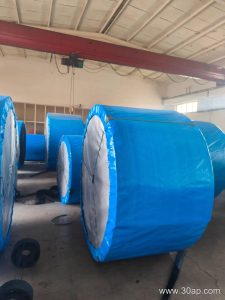
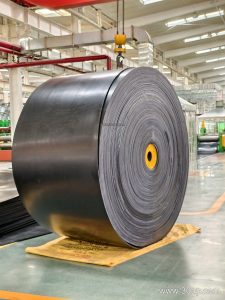
Lagging thickness commonly ranges from 8 mm to 20 mm, with 10 mm and 12 mm frequently seen on coal conveyors. A rubber conveyor belt running over a lagged drum grips better, which reduces slip and extends belt life. In dusty coal yards, abrasive wear is the main enemy, so an abrasion resistant conveyor belt paired with properly lagged pulleys makes a practical combination.
Sizes, Widths and Shaft Diameters
Belt width and drum diameter are related through belt tension and wrap angle, but they are not locked in a one-to-one ratio. Common shell diameters include Ø500, Ø630, Ø800, Ø1000 and Ø1250 mm. Face width usually exceeds belt width so the belt is fully supported. The table below shows typical reference values, not fixed supply rules.
| Belt width | Typical face width | Example drum combination |
|---|---|---|
| B800 | about 950 mm | B800 x Ø500 |
| B1000 | about 1150 mm | B1000 x Ø800 |
| B1200 | about 1400 mm | B1200 x Ø1000 |
| B1400 | about 1600 mm | B1400 x Ø800 |
Shaft diameters commonly fall between Ø80 and Ø200 mm, chosen from calculated torque and bearing load. A wide belt does not automatically mean a large shaft; the drive duty and tension determine it. Buyers should provide belt width, belt type, capacity, wrap angle and starting conditions so the supplier can size the unit correctly.
Where It Fits in the Coal Handling Line
In a power plant coal yard, the head or discharge pulley sits at the transfer point, the tail pulley at the loading end, and bend or snub pulleys guide the belt around curves and tension stations. A drive pulley may be a single drum or part of a dual-drive arrangement on high-capacity lines. The belt itself may be an EP conveyor belt or a steel cord conveyor belt, depending on tension and distance. Flame retardant conveyor belt grades are common in enclosed coal handling galleries for safety reasons, and a fire resistant conveyor belt specification is often requested for underground or confined sections.
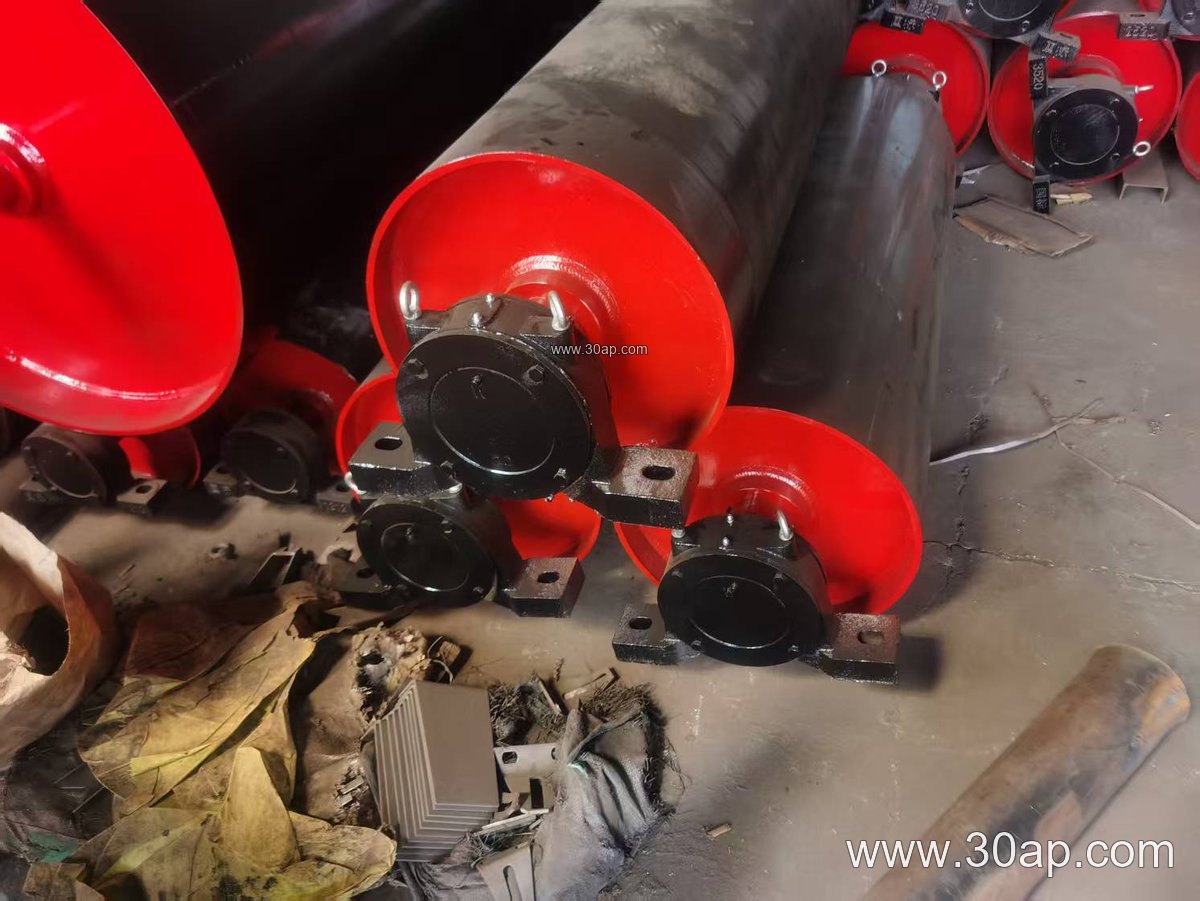
Typical service conditions include coal dust, humidity, and occasional washdown water. This makes anti-static conveyor belt properties and corrosion protection on the drum important. In cement plants, quarry lines and iron ore terminals, similar drums handle abrasive bulk material, but the duty cycle in a power plant is usually continuous and steady.
Buyer Checklist
- Confirm the position: drive, tail, bend, take-up or snub
- State belt width, belt type and maximum tension
- Specify lagging pattern and thickness
- Provide shaft and bearing requirements
- Ask for balancing and runout tolerances
- Plan spare lagging and bearing stock for planned outages
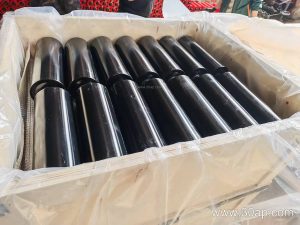
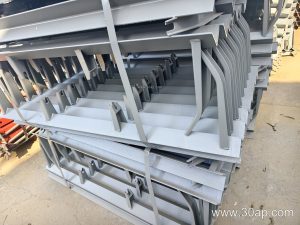
Maintenance teams should check lagging wear, bolt tightness and bearing temperature during each shutdown. Re-lagging a worn drum is usually faster than replacing the whole assembly, and keeping one spare thermal power plant conveyor pulley on site shortens downtime. For related components such as idler roller sets and conveyor bracket frames, order them together with the drum so the whole conveyor section is restored in one pass.