What Conveyor Bracket Procurement Covers
Conveyor bracket procurement is the process of sourcing the structural supports that hold idler rollers in place along a conveyor system. These brackets, also called conveyor support frames or idler support brackets, are the interface between the conveyor structure and the rotating components that carry the conveyor belt. A buyer specifying conveyor brackets needs to match them to belt width, trough angle, roller diameter, and the loading conditions of the site.
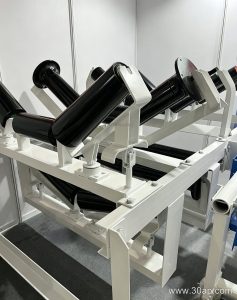
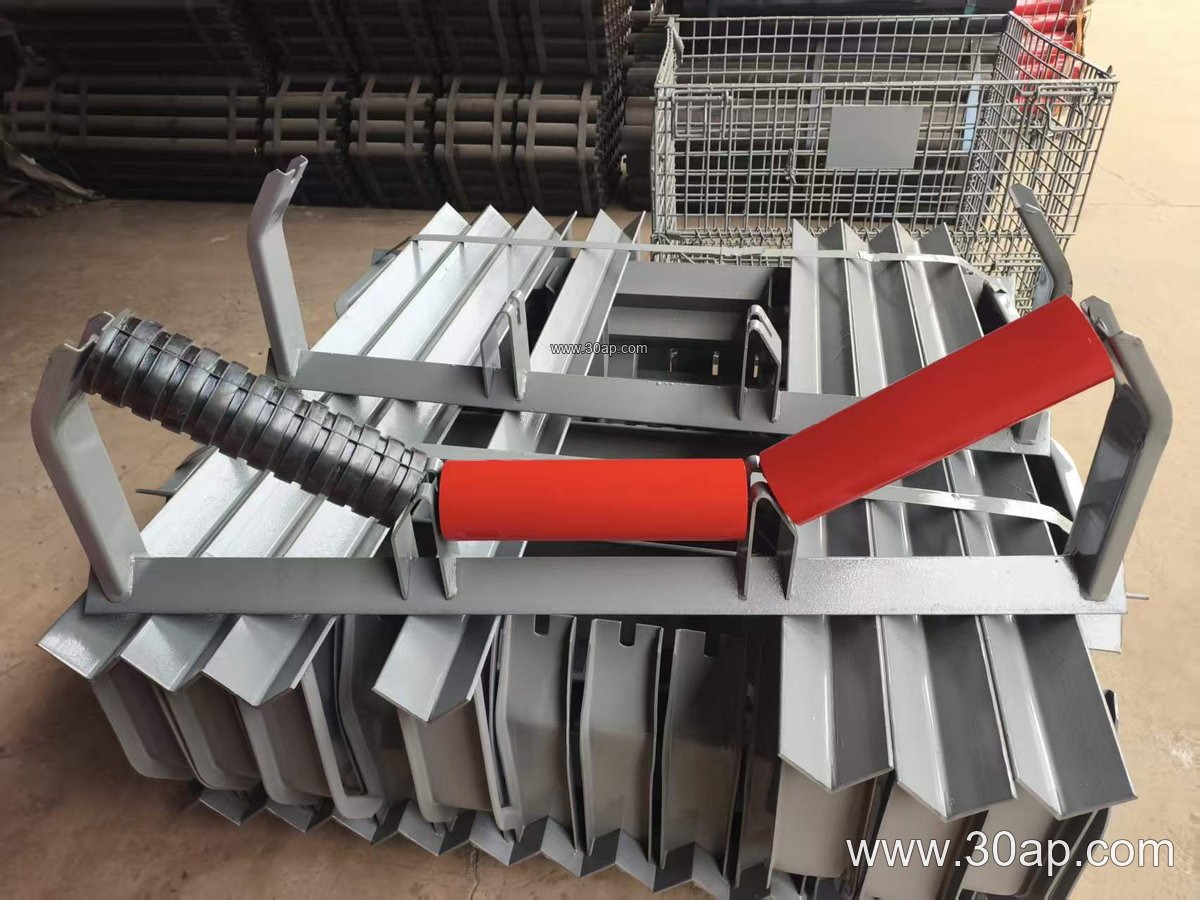
The bracket assembly usually consists of a crossbeam made from angle steel, channel steel, or folded steel plate, with mounting holes or slots for the idler roller shafts. For troughing brackets, the crossbeam is bent or welded to form the trough profile; for return brackets, a flat or V-shaped configuration supports the belt on its return run.
Common Bracket Types and Their Roles
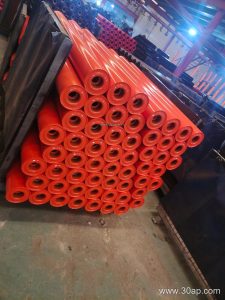
Troughing brackets, including upper trough brackets and transition brackets, carry the loaded side of the belt and set the trough angle. Return brackets, such as lower flat brackets and V-return brackets, support the belt on its return path. Adjustable brackets allow the trough angle to be changed on site, while fixed brackets are welded or bolted to a set angle. Impact brackets and self-aligning brackets serve specific load or tracking duties.
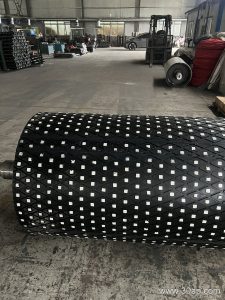
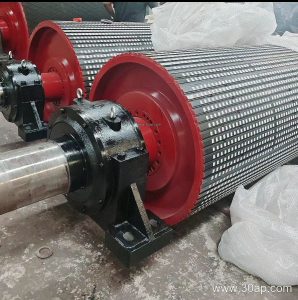
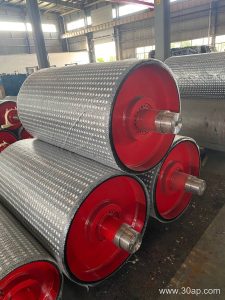
When procuring conveyor brackets, it helps to distinguish them from other support components. For example, a bend pulley redirects the belt, while a troughing bracket shapes it; the two are not interchangeable. Similarly, a drive pulley provides motion, whereas a return bracket simply supports the belt’s return run.
Materials and Construction
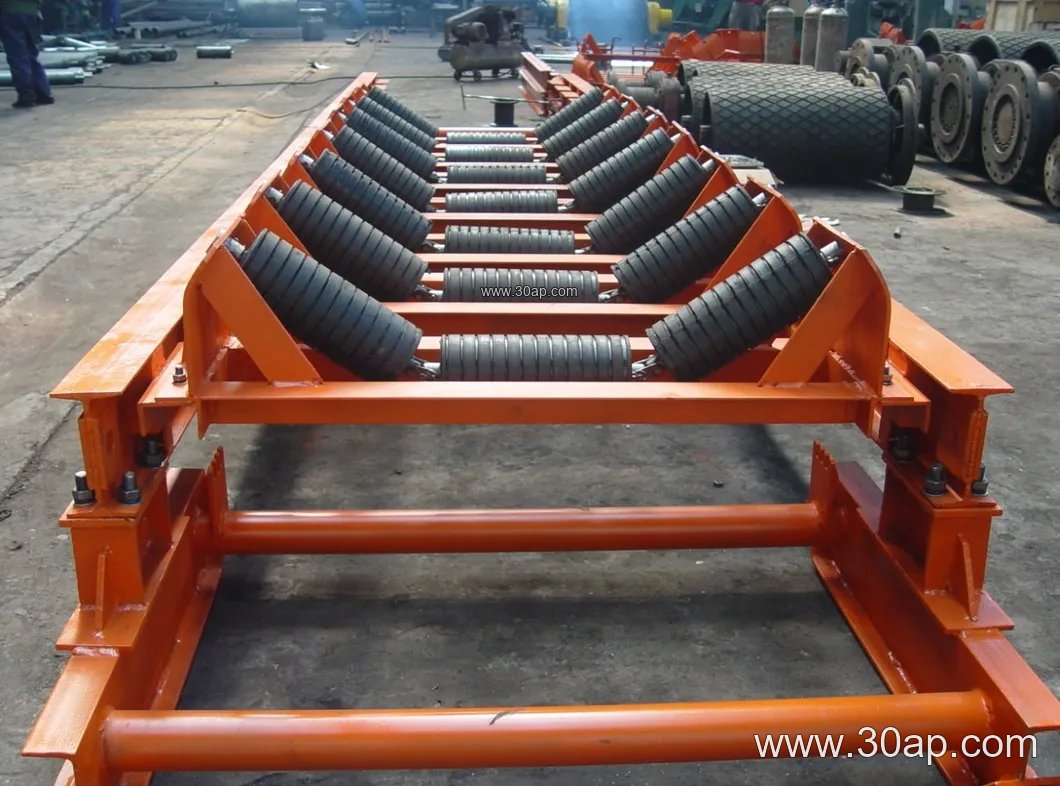
Brackets are typically fabricated from angle steel, channel steel, or folded steel plate, with welded or bolted joints. Surface treatment may include painting or galvanizing, depending on the environment. In dusty or corrosive settings such as a coal mining conveyor belt system or a cement plant, the bracket material and coating should suit the site conditions. The bracket must also align with the idler roller shaft diameter and the belt width to ensure proper fit.
Where Conveyor Brackets Are Used
These brackets appear in a wide range of bulk handling operations. In a quarry or sand and gravel line, troughing brackets support the belt that carries crushed stone. In a power plant coal yard, they hold the idlers under the coal conveyor belt. In a port loading facility, heavy-duty brackets carry the belt that moves ore or aggregate. The same bracket family is used in steel plants, fertilizer plants, and grain silos, though the specific belt and roller sizes vary with the duty.
Key Parameters for Procurement
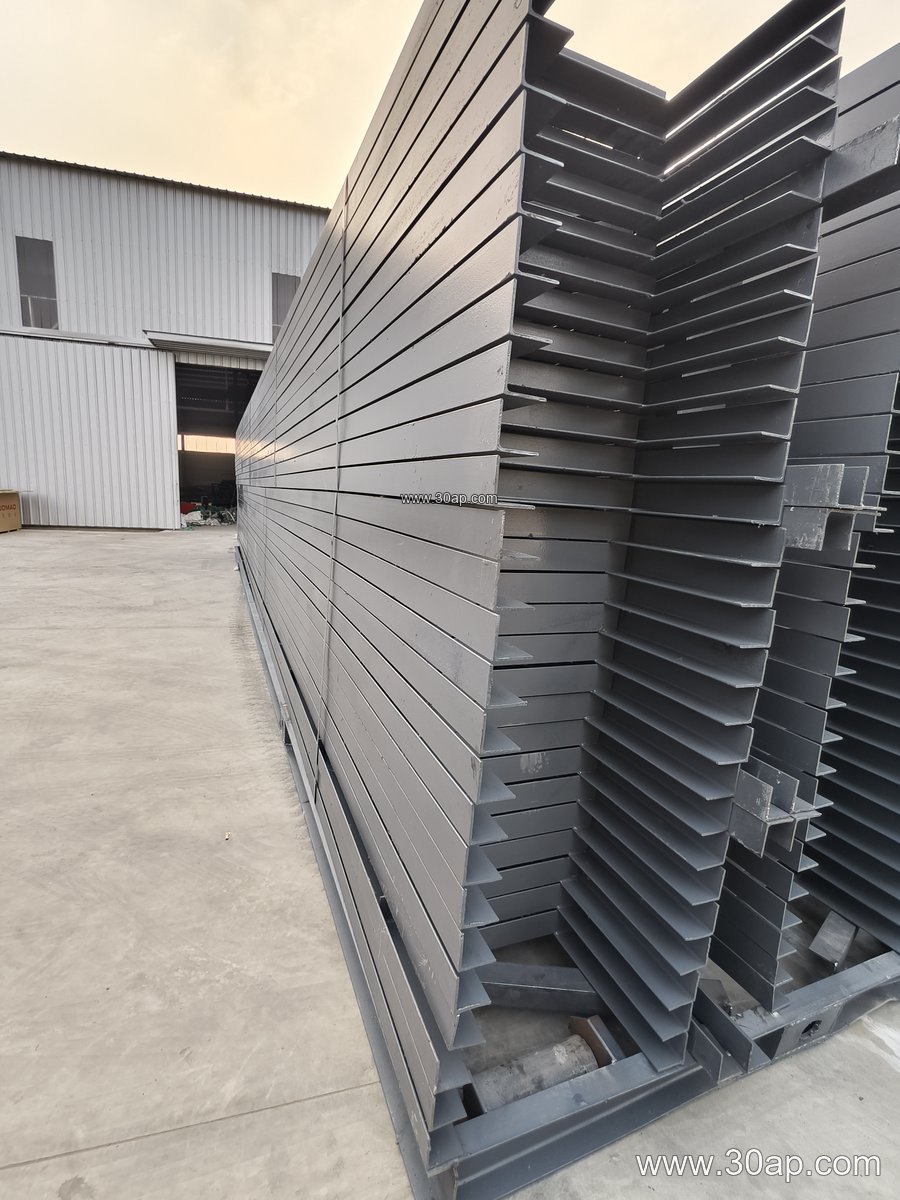
Belt width, trough angle, and roller diameter are the primary variables. Common belt widths range from B500 to B2200, trough angles include 20, 30, 35, and 45 degrees, and roller diameters such as Ø89, Ø108, Ø133, Ø159, and Ø194 are used. The table below lists representative combinations; these are examples, not fixed rules, and actual mounting hole spacing and beam length are determined by design.
| Belt Width | Trough Angle | Roller Diameter | Typical Bracket Type |
|---|---|---|---|
| B500 | 20° | Ø89 | Troughing bracket |
| B650 | 30° | Ø89 | Troughing bracket |
| B800 | 35° | Ø108 | Troughing bracket |
| B1000 | 35° | Ø108 | Troughing bracket |
| B1200 | 45° | Ø133 | Transition bracket |
| B1400 | 35° | Ø133 | Return bracket |
| B1600 | 45° | Ø159 | Troughing bracket |
| B1800 | 35° | Ø159 | V-return bracket |
| B2000 | 45° | Ø194 | Troughing bracket |
| B2200 | 35° | Ø194 | Impact bracket |
Adjustable brackets can be set between these angles on site. Forward-leaning brackets often use a tilt of about 1.5 to 2 degrees to help belt tracking. Buyers should confirm the bracket’s compatibility with the selected idler roller and the conveyor belt width before ordering.
Buyer Checklist
- Confirm belt width and trough angle, and whether adjustment is needed.
- Check roller diameter and shaft size to match the bracket mounting holes.
- Verify the bracket material and coating against the site environment.
- Ensure the bracket type (troughing, return, transition, impact, self-aligning) suits its position in the conveyor.
- Review the mounting interface with the conveyor structure and the idler roller frame.
For procurement teams, sourcing conveyor brackets alongside related components such as the conveyor belt, idler roller, and conveyor pulley helps maintain compatibility. At www.example.com/conveyor-bracket, buyers can find bracket options that align with common belt widths and roller sizes. Matching brackets to the actual conveyor layout, rather than to a single nominal size, reduces installation problems and supports reliable operation.