What a Fabric Core Conveyor Belt Is
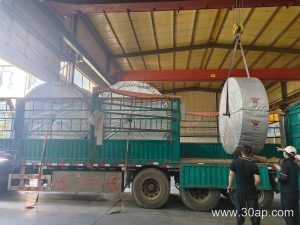
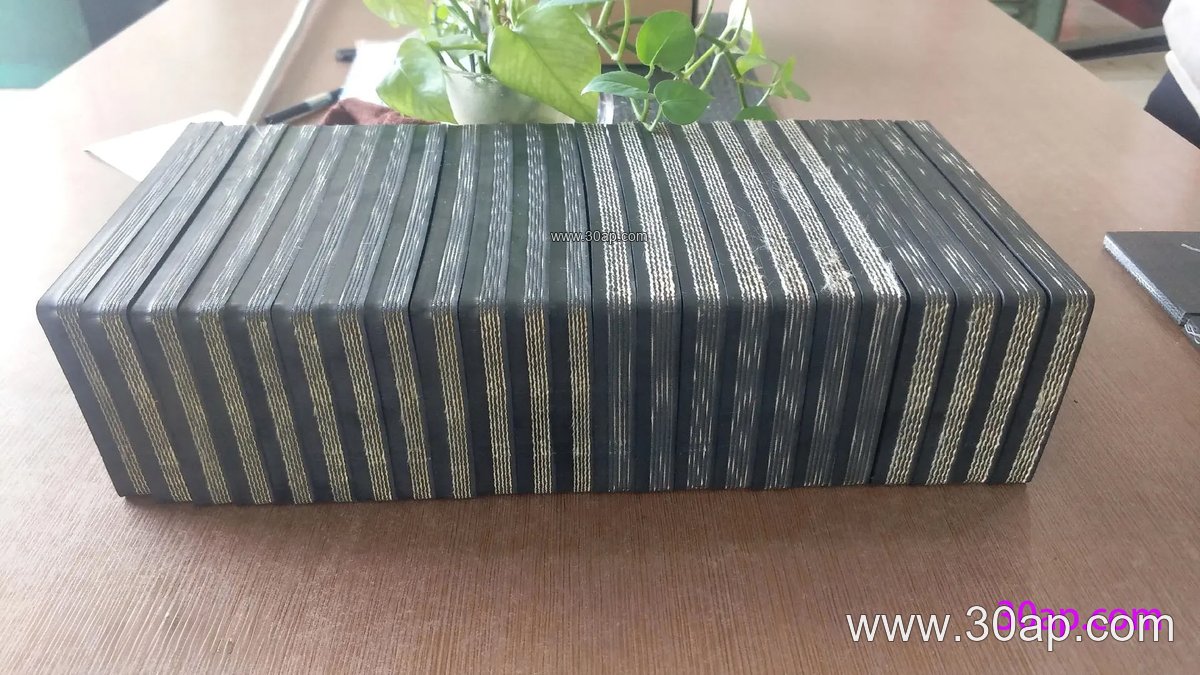
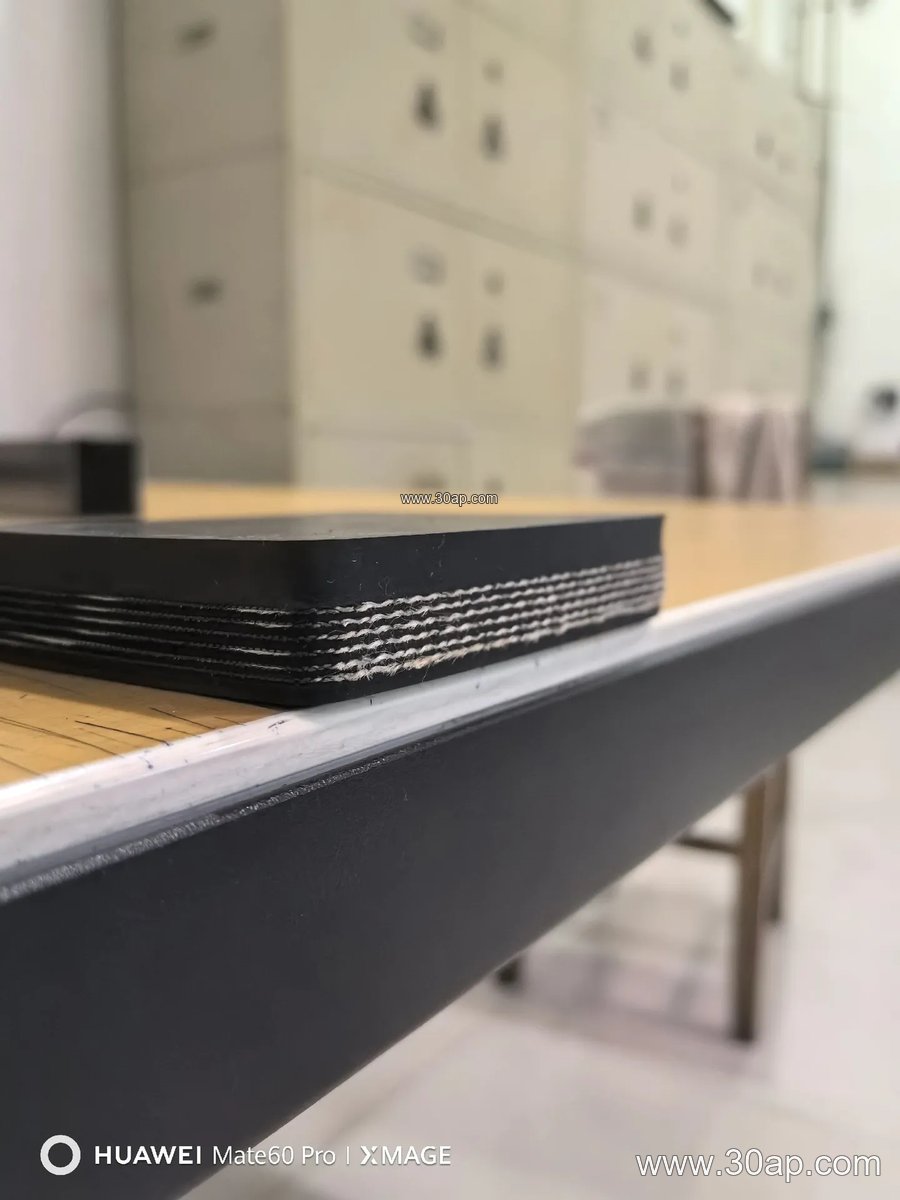
A fabric core conveyor belt is a composite belt built around one or more layers of woven textile fabric that carry the tension load. These plies are bonded under heat and pressure with rubber cover layers on the top and bottom. The result is a flexible, troughable belt used in quarries, cement plants, power stations, coal mines, and port terminals. The most common versions are EP conveyor belt (polyester warp, nylon weft) and NN conveyor belt (nylon warp and weft). Both belong to the same product family and are often specified by strength grade, such as EP200 or NN300. For very high tensions or long overland routes, a steel cord conveyor belt may be chosen instead, but the fabric core design remains the standard for medium-duty and many heavy-duty duties.
Construction and Key Components
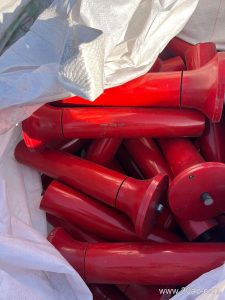
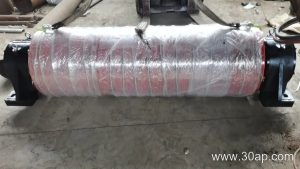
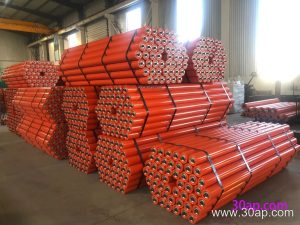
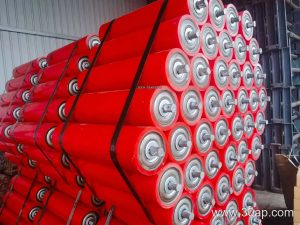
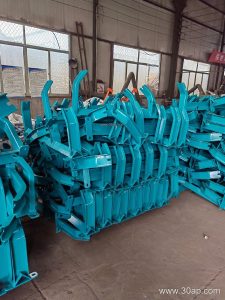
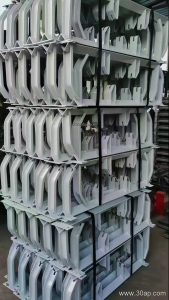
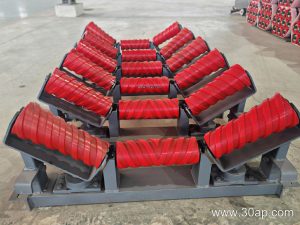
The belt body is made of fabric plies, usually 2 to 6 layers, embedded in rubber. Cover rubber protects the carcass from abrasion, impact, heat, oil, or fire, depending on the grade. Common cover thickness combinations include 3+1.5 mm, 4+2 mm, 5+2 mm, 6+2 mm, and 8+3 mm. Edge construction can be cut edge or moulded edge. In a full conveyor system, the belt runs on idler rollers, wraps around conveyor pulleys, and is held in line by conveyor brackets and frames. The drive pulley, tail pulley, and bend pulley each have a distinct role and are not interchangeable with one another.
Typical Strength Grades and Widths
Fabric core belts are commonly available in strength grades from EP200 up to EP2000 or NN100 to NN400, depending on the manufacturer. Widths are usually stated in millimetres, with B500, B650, B800, B1000, B1200, B1400, B1600, B1800, and B2000 being common references. A wider belt such as a 1200mm wide conveyor belt or 1500mm wide conveyor belt does not dictate a single pulley diameter; pulley size is selected from the belt construction, tension, and shaft load by the system designer. Below is a reference table for common grades and dimensions.
| Parameter | Common reference values |
|---|---|
| Fabric type | EP (polyester-nylon), NN (nylon-nylon) |
| Strength grade | EP200, EP315, EP400, EP500, EP630, EP800, EP1000, EP1250, EP1600, EP2000; NN100, NN200, NN300, NN400 |
| Number of plies | 2 to 6 (often 3 to 5 for general duties) |
| Belt width | B500, B650, B800, B1000, B1200, B1400, B1600, B1800, B2000 |
| Cover thickness | 3+1.5 mm, 4+2 mm, 5+2 mm, 6+2 mm, 8+3 mm |
| Special grades | abrasion resistant, heat resistant, oil resistant, flame retardant, anti-static, cold resistant |
These values are references, not fixed combinations. Final specifications are set by the conveyor design and the material being carried.
Where It Is Used
In a quarry or aggregate plant, a fabric core belt moves crushed stone from the crusher to screens and stockpiles. In a cement plant, it carries clinker, limestone, and additives. Power plants use it for coal and ash handling, while coal mining operations often require flame retardant and anti-static grades for underground service. Port terminals and ship loading systems rely on wide belts for high tonnage. The same belt family also appears in recycling lines, sand making plants, and general bulk material handling. When the duty involves sharp, hot, or oily material, a specialised cover grade such as heat resistant conveyor belt or oil resistant conveyor belt is selected within the fabric core family.
Selection and Maintenance Notes
Buyers should match the belt grade to the duty: abrasion resistant cover for stone and ore, flame retardant for coal, heat resistant for clinker or sinter, and oil resistant for recycled or oily feedstock. Confirm the number of plies and cover thickness with the belt supplier, and check that the pulley diameters and idler spacing suit the belt’s flexibility. During operation, inspect idler rollers for seized bearings, keep pulleys clean, and track belt alignment. A well-matched fabric core belt with proper conveyor brackets and pulley alignment gives long service in demanding industrial environments.
For more information on fabric core belts, idler rollers, and conveyor pulleys, visit beltpulley.com and review the technical pages for your application.