What a Dust-Proof Idler Does on a Conveyor
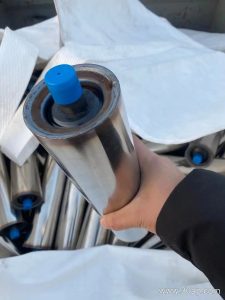
A dust-proof idler is a carrying or return roller built with seals and shielding that keep fine material away from the bearing cavity. On a conveyor belt handling dry, powdery or abrasive bulk solids, the roller body spins continuously while grit settles on the shell and works its way toward the shaft ends. Once that grit reaches the bearing, grease is contaminated, friction rises, and the roller either seizes or wears a flat spot that damages the belt cover. The dust-proof idler addresses the problem at the source by combining a labyrinth seal, a contact lip seal, and often a protective end cap or shield ring.
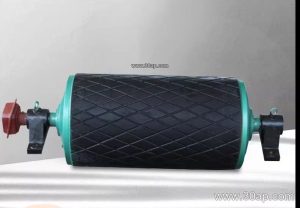
The product is also described as a dust-proof conveyor roller or sealed idler roller. These are equivalent names for the same item, and they should not be confused with a conveyor pulley, which is a separate drive, tail or bend component.
How the Sealing and Shell Are Built
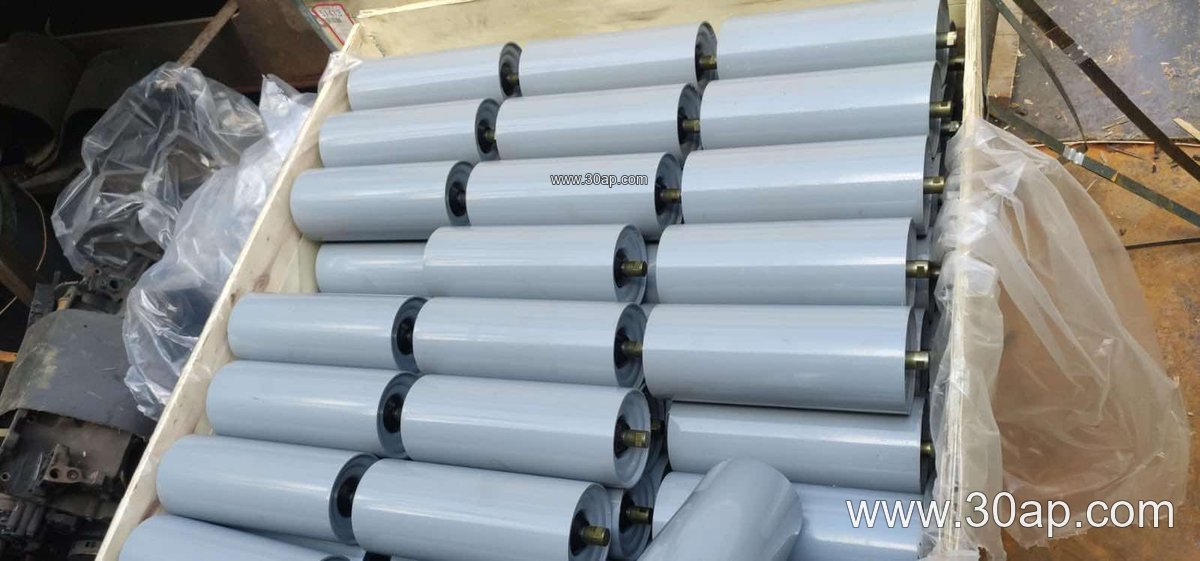
The working parts are simple, but the details decide service life. A typical unit uses a steel tube shell, a through shaft, pressed bearing housings at each end, and deep-groove ball bearings. The seal package usually has three layers: an outer non-contact labyrinth that throws off coarse particles, a grease-filled chamber that traps what gets past the first barrier, and an inner lip seal that protects the bearing directly. Some designs add a rubber or polymer dust cap over the end face.
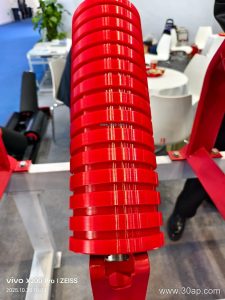
Roller surface options follow the duty. Plain steel suits clean, dry fines; nylon or ceramic covers help in wet or sticky conditions; rubber rings are chosen where impact and noise matter. Common bearing sizes include 6204, 6205, 6305, 6306, 6308 and 6310, matched to the shaft and load rather than to belt width alone.
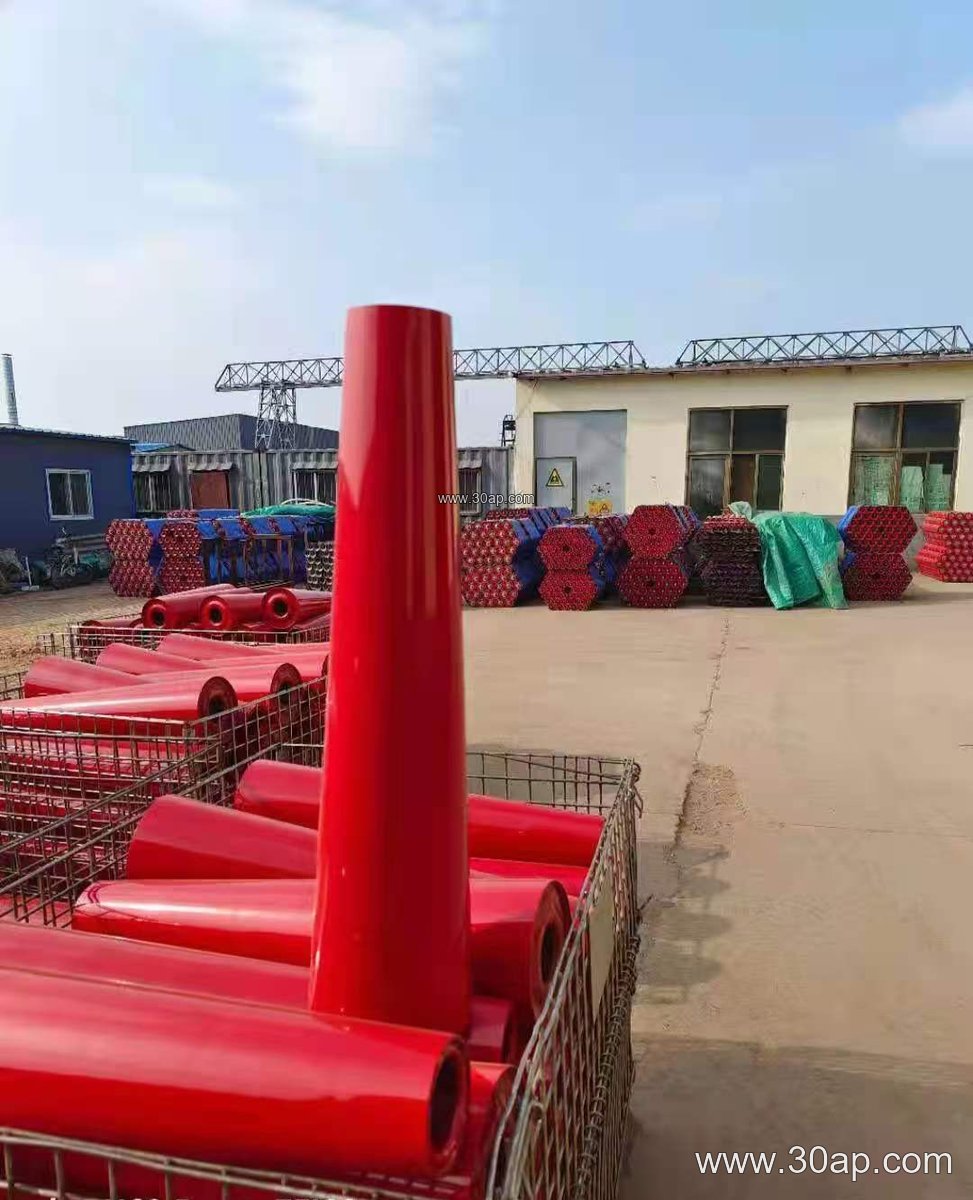
- Shell: steel tube, sometimes with a wear-resistant coating
- Seal: labyrinth plus lip seal, grease retention cavity
- End protection: dust cap, shield ring or both
- Bearing: deep-groove ball bearing, sealed for life
Where Dust-Proof Rollers Are Specified
The strongest case appears in cement plants, where limestone and clinker dust are everywhere, and in coal handling systems at power plants and wash plants. A coal mining conveyor belt or an underground mining conveyor belt also benefits, because fine coal and rock dust combine with moisture to form a paste that destroys ordinary seals. Quarries, crushing and screening lines, and aggregate plants use them on transfer points and load zones where spillage is constant.
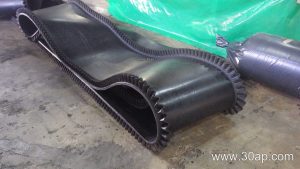
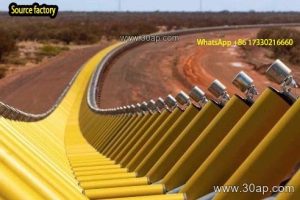
The roller is normally installed as a troughed carrying idler on the upper run, or as a return roller under the belt. In load zones a rubber-ring impact idler may be preferred, and on the return side a V-shaped return set helps center the belt. Those are different subtypes chosen for impact or training duty, not substitutes for the dust-proof function itself. Matching equipment such as a skirted conveyor belt or a corrugated sidewall conveyor belt reduces spillage and therefore reduces the dust load reaching the rollers.
Common Dimensions and How They Relate
Sizing starts with belt width and trough angle, then moves to roller diameter, shaft and bearing. Roller length changes with belt width, trough angle and the number of rolls in the set. The values below are typical references, not fixed combinations; side rollers and center rollers often differ, and final dimensions are set by design.
| Belt width | Typical roller length, three-roll trough |
|---|---|
| B500 | about 200 mm |
| B650 | about 250 mm |
| B800 | about 315 mm |
| B1000 | about 380 mm |
| B1200 | about 465 mm |
| B1400 | about 530 mm |
| B1600 | about 600 mm |
| B1800 | about 670 mm |
| B2000 | about 750 mm |
Roller diameters commonly range from Ø63 and Ø76 for light duty up to Ø159, Ø178, Ø194 and Ø219 for heavy stations. Trough angles of 20, 30, 35 and 45 degrees are standard, and a forward tilt of roughly 1.5 to 2 degrees is used on training idlers. A B1200 conveyor belt line may run Ø133 or Ø159 rollers depending on load, while a B650 unit might use Ø89. None of these pairings is universal.
Buyer Checklist Before Ordering
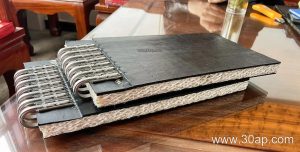
Ask what the seal actually consists of, not just whether the roller is called dust-proof. Confirm the bearing size, the shaft diameter, the shell thickness and the surface finish. State the material being conveyed and whether it is wet, sticky or abrasive, since a heat resistant conveyor belt or an oil resistant conveyor belt application may need a different sealing approach. Give the belt width, trough angle, roll count and mounting dimensions so the idler roller fits the existing conveyor bracket without modification. Finally, confirm lubrication strategy: sealed-for-life units and relubricable units are maintained differently.
For a full conveyor line, remember that the dust-proof idler is one component among many, alongside the belt, the conveyor pulley and the frame. Buying the right roller for the environment is usually cheaper than replacing belts and pulleys damaged by seized rollers.