What a 1000mm Diameter Conveyor Pulley Is
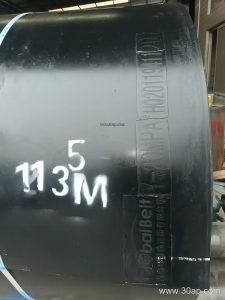
A 1000mm diameter conveyor pulley is a large-diameter drum used in bulk material handling systems to drive, redirect, or tension the conveyor belt. With a nominal diameter of one meter, this pulley is typically found in high-capacity installations where belt tensions are substantial and reliable power transmission is critical. In the field, it is often simply called a Ø1000 pulley or a 1000mm drum pulley, but the full description helps buyers and engineers identify the exact size. Industries such as mining, coal preparation, cement plants, power stations, and quarry operations rely on pulleys of this scale to keep conveyor belts moving efficiently.
Construction and Key Components
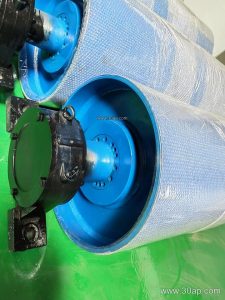
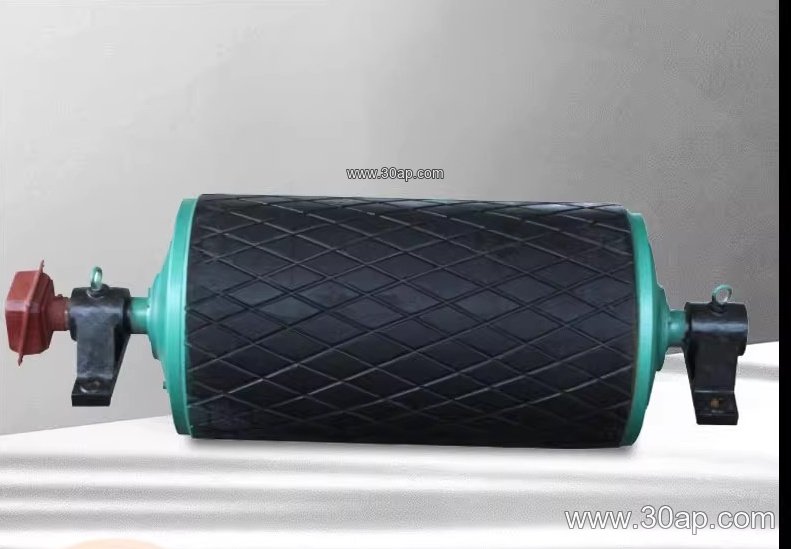
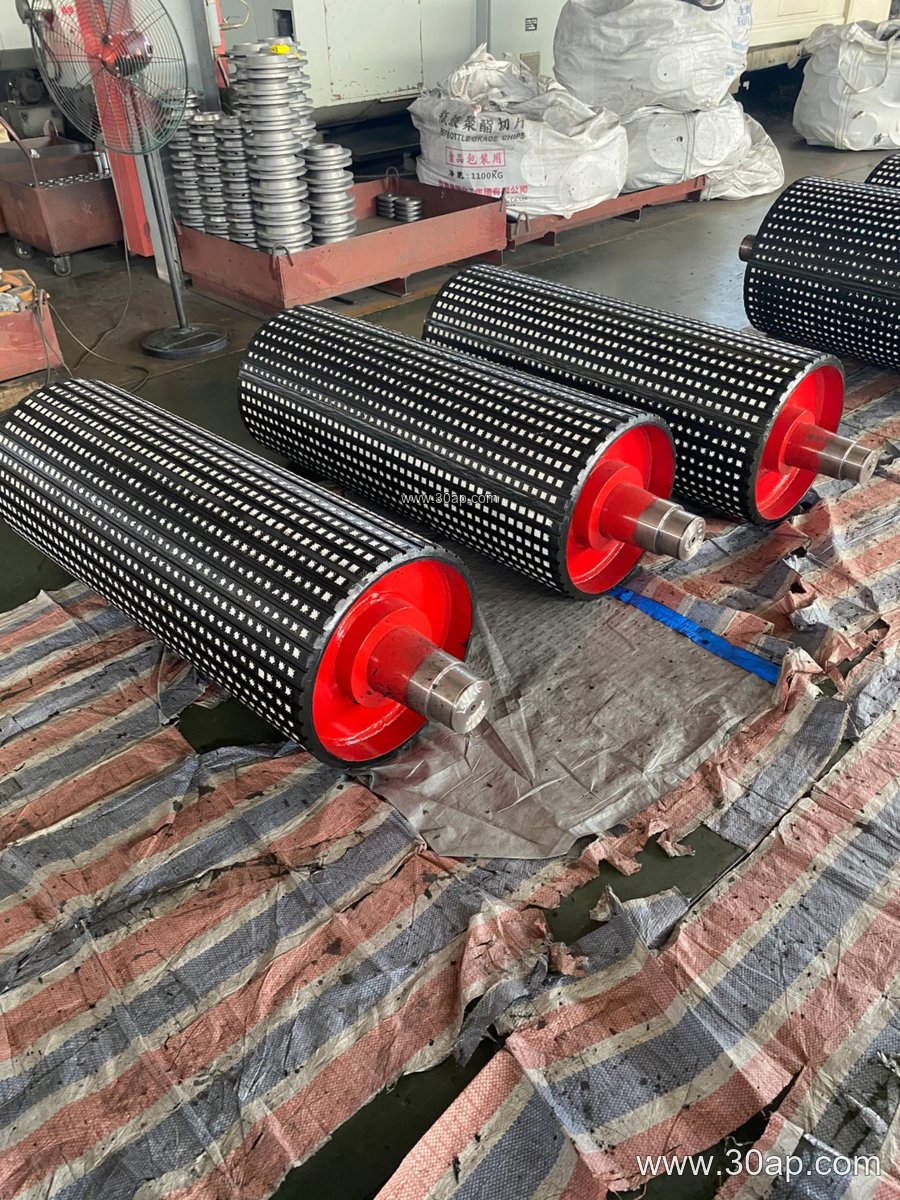
The 1000mm diameter conveyor pulley is built around a sturdy cylindrical shell, usually made from rolled steel plate, with welded end discs and a shaft that transmits torque. The shaft diameter is determined by the required torque and load, not by belt width alone, so common shaft sizes such as Ø120, Ø140, Ø160, or Ø180 may be specified after engineering calculation. Bearings are housed in bearing blocks that mount to the conveyor bracket or frame. Surface options include plain finish for non-drive positions, or lagging for drive pulleys to improve grip. Lagging types range from cold-bonded rubber and hot-vulcanized rubber to diamond pattern, chevron, and ceramic lagging, with thicknesses often between 8 mm and 20 mm. The pulley face width is usually wider than the belt; for example, a B1000 belt may use a pulley face around 1150 mm, while a B1200 belt may need about 1400 mm. These are typical references, not fixed rules.
Where It Fits in the Conveyor System
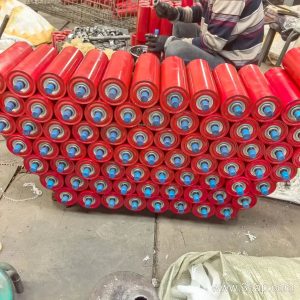
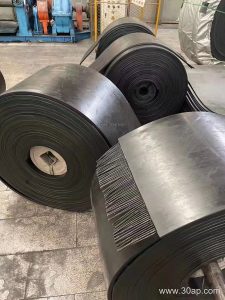
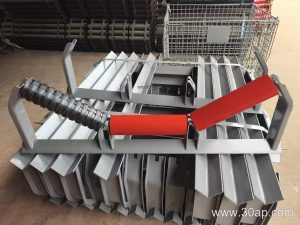
Because of its size, a 1000mm diameter conveyor pulley is most often specified as a drive pulley at the head end, where it must handle high starting torques and maintain grip on a heavily loaded belt. It can also serve as a tail pulley or tension pulley in long overland conveyors, or as a bend pulley where the belt path changes direction. In coal mining and underground mining, such pulleys are paired with flame retardant conveyor belts and steel cord conveyor belts to move large volumes of material safely. In a cement plant, they may work with heat resistant conveyor belts on clinker lines, while a quarry might combine them with abrasion resistant conveyor belts and heavy-duty idler rollers. The pulley must be compatible with the belt type, whether EP conveyor belt, NN conveyor belt, or fabric core conveyor belt, and the overall system design ensures proper alignment with the conveyor belt and troughing idlers.
Selection and Sizing Notes
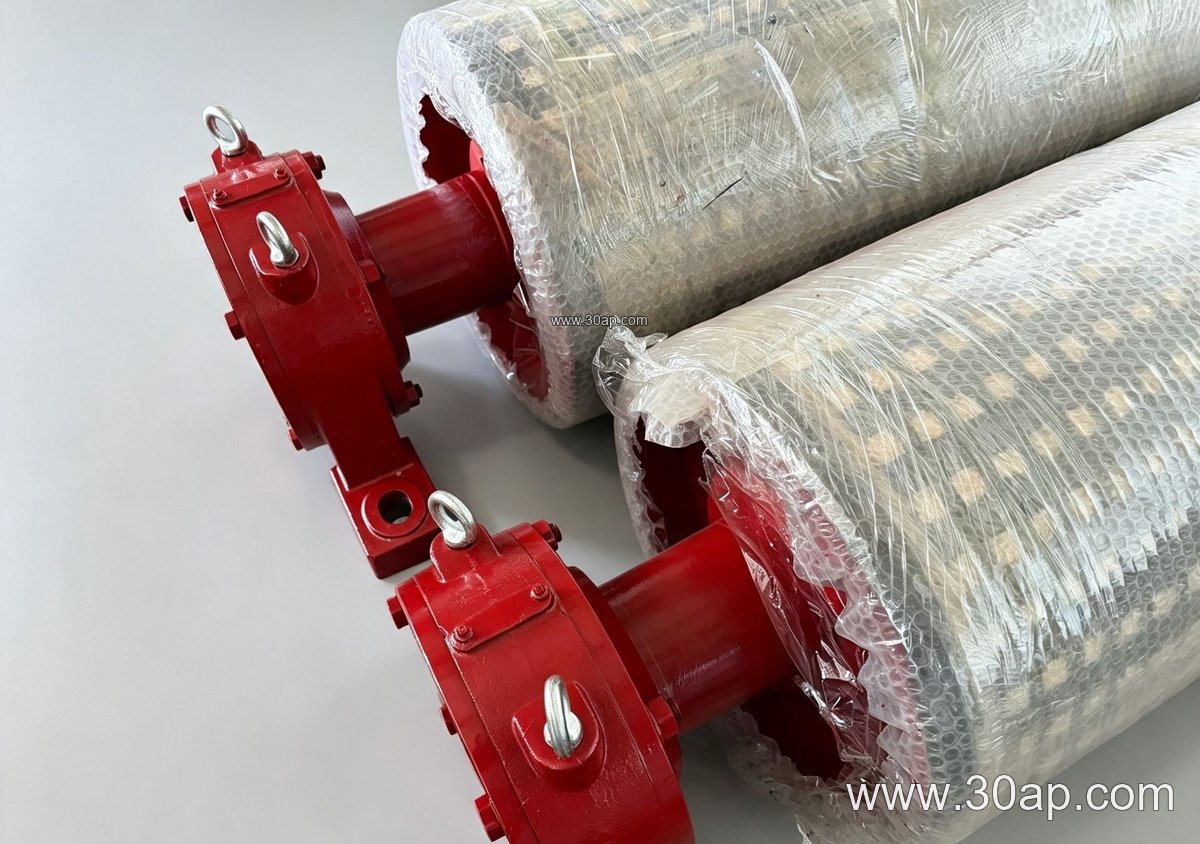
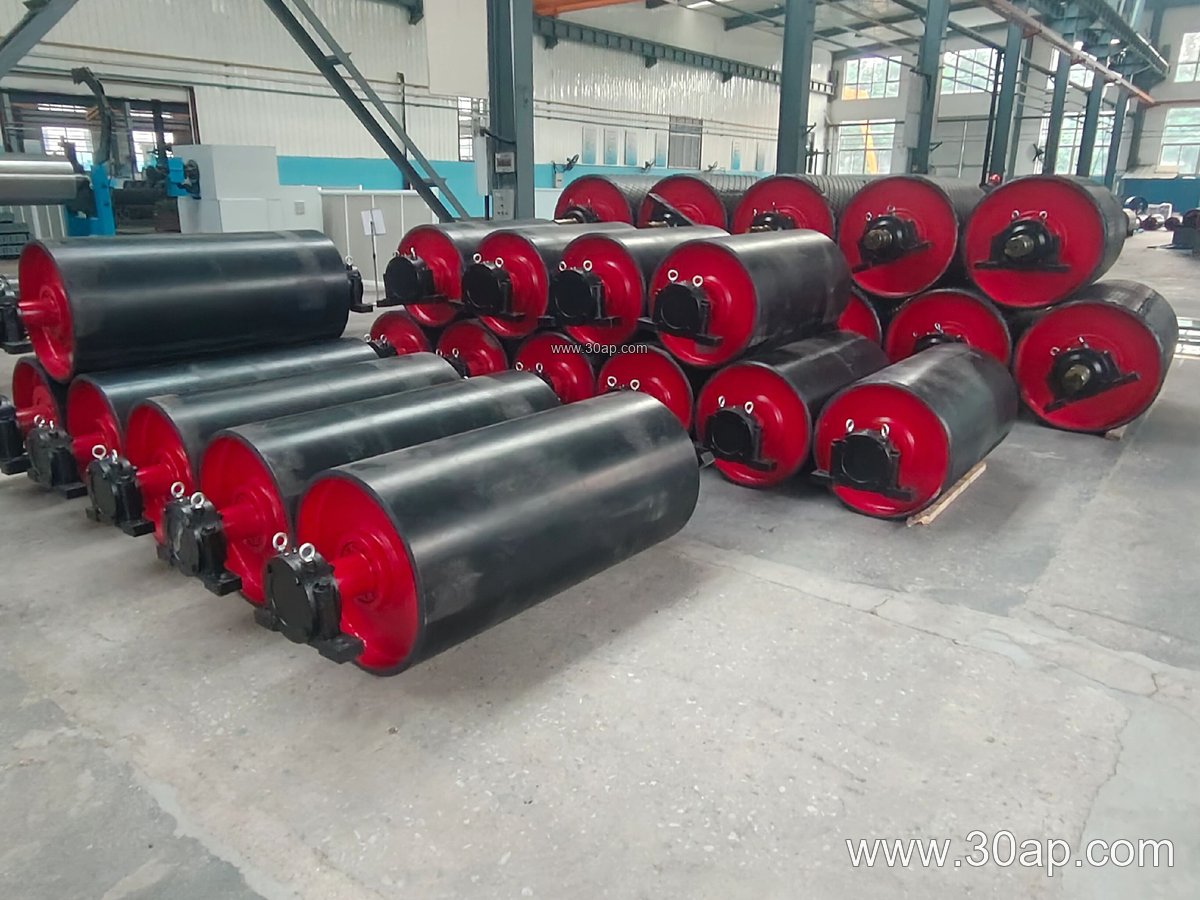
Choosing a 1000mm diameter conveyor pulley involves more than just matching the belt width. The pulley diameter should be large enough to reduce belt bending stress, especially with thick or stiff belts such as steel cord conveyor belt or high-strength fabric belts. The table below lists some common reference combinations, but final selection depends on the specific conveyor design, belt tension, and load conditions. Always confirm shaft size, bearing type, and lagging requirements with the pulley manufacturer.
| Reference Belt Width | Typical Pulley Face Width | Example Diameter | Common Lagging Thickness |
|---|---|---|---|
| B800 | ≈950 mm | Ø1000 mm | 8–12 mm |
| B1000 | ≈1150 mm | Ø1000 mm | 10–15 mm |
| B1200 | ≈1400 mm | Ø1000 mm | 12–15 mm |
| B1400 | ≈1600 mm | Ø1000 mm | 15–20 mm |
Note that a 1000mm diameter pulley can be used with various belt widths, and the same belt width may also work with different pulley diameters depending on the application. Shaft diameter is not directly tied to belt width; it is calculated from torque and radial loads. For instance, a B1200 × Ø1000 drive pulley might use a Ø160 shaft, while a B800 × Ø1000 bend pulley could use a smaller shaft. These are illustrative examples only.
Maintenance and Buyer Checklist
Regular inspection of the 1000mm diameter conveyor pulley helps prevent unplanned downtime. Check lagging wear, especially on drive pulleys, and replace worn lagging to maintain friction. Inspect bearings for temperature rise or noise, and verify that the pulley remains aligned with the conveyor belt and idler roller sets. When purchasing, specify the pulley type (drive, tail, bend, take-up, etc.), diameter, face width, shaft size, lagging type and thickness, bearing arrangement, and any special requirements such as anti-static or fire-resistant properties for underground coal mining conveyor belts. Confirm that the pulley bracket or mounting dimensions match the existing conveyor structure. For harsh environments like iron ore or copper ore operations, consider abrasion resistant lagging and robust sealing. With the right specification, a 1000mm diameter conveyor pulley delivers reliable performance in the most demanding bulk material handling applications.