What an Anti-Tracking Idler Does on a Conveyor
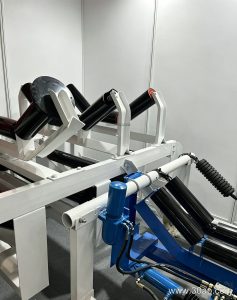
An Anti-Tracking Idler is a self-correcting idler roller designed to keep the conveyor belt centred on its path. When a belt begins to drift toward one side, this idler responds to the misalignment and nudges the belt back toward the centre line. In bulk handling plants, a wandering belt can spill material, damage the edge, and rub against the structure, so a tracking idler works as a small but important control point along the carry or return run.
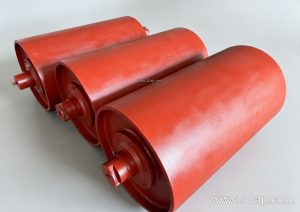
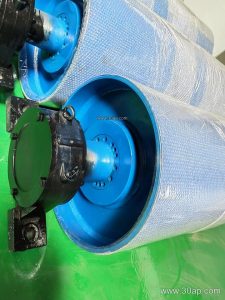
Buyers often meet this product under its equivalent name, the self-aligning idler or training idler. All three refer to the same component; the exact term varies by supplier and region. It is not a drive pulley, tail pulley, or bend pulley, and it does not replace those parts. Those pulleys transmit power or change belt direction, while an Anti-Tracking Idler only influences belt position.
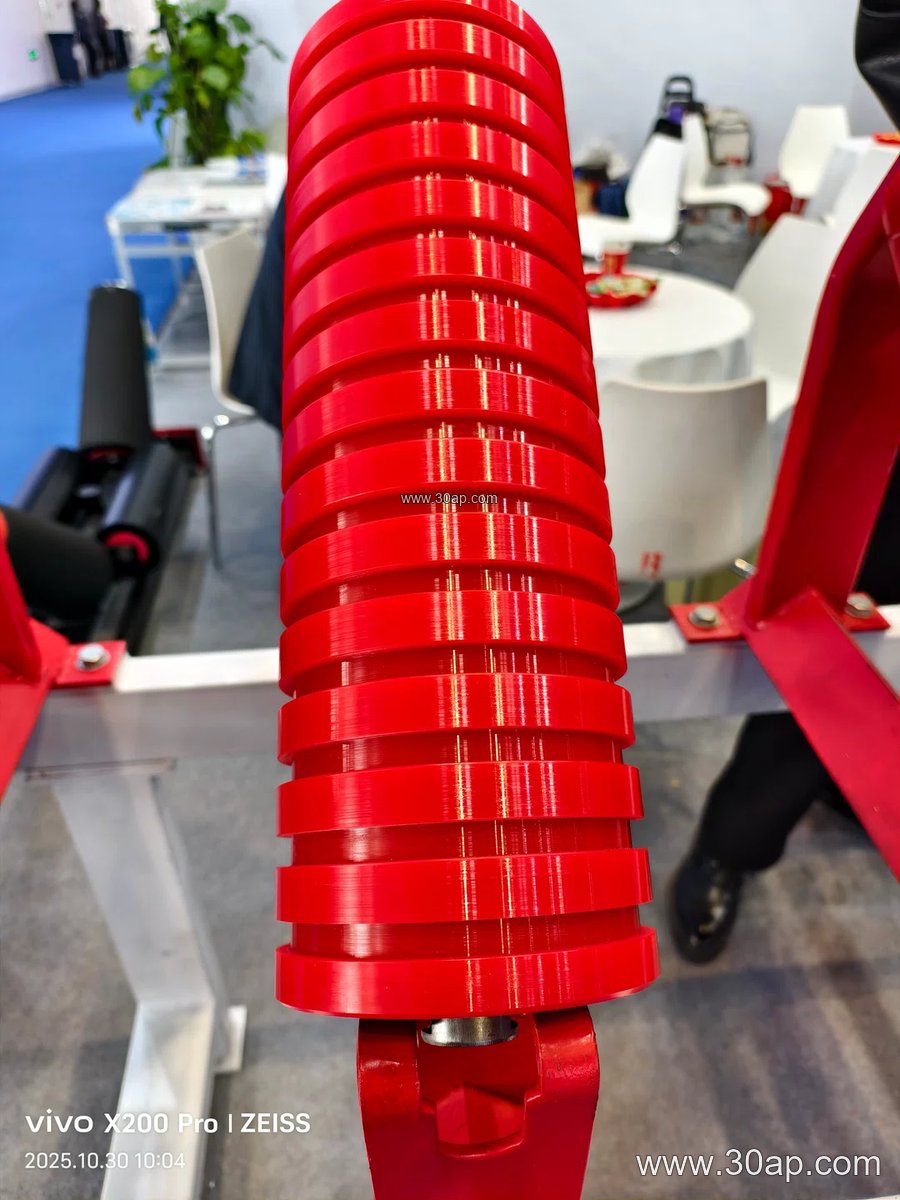
How the Tracking Idler Is Built
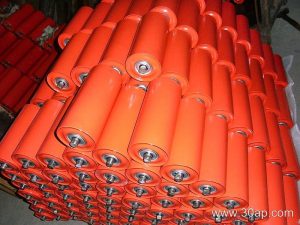
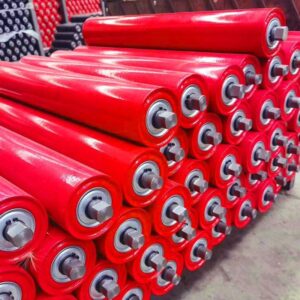
The working principle is simple. The idler is mounted on a frame that can pivot or swivel slightly. When belt contact is uneven, the roller assembly turns a little, and the resulting angle steers the belt back. Some designs use a friction disc or a tapered roller shape to increase the correcting effect. The roller body usually follows standard idler construction: a steel tube shell, bearing housings at each end, and a sealing arrangement to keep out dust and water.
Common shell options include plain steel, nylon, ceramic, and rubber rings. Bearing sizes such as 6204, 6205, 6305, 6306, 6308, and 6310 appear in many idler ranges, but the correct bearing is matched to the roller diameter and load, not chosen from belt width alone. Roller diameters commonly run from Ø63 up to Ø219 depending on the conveyor duty.
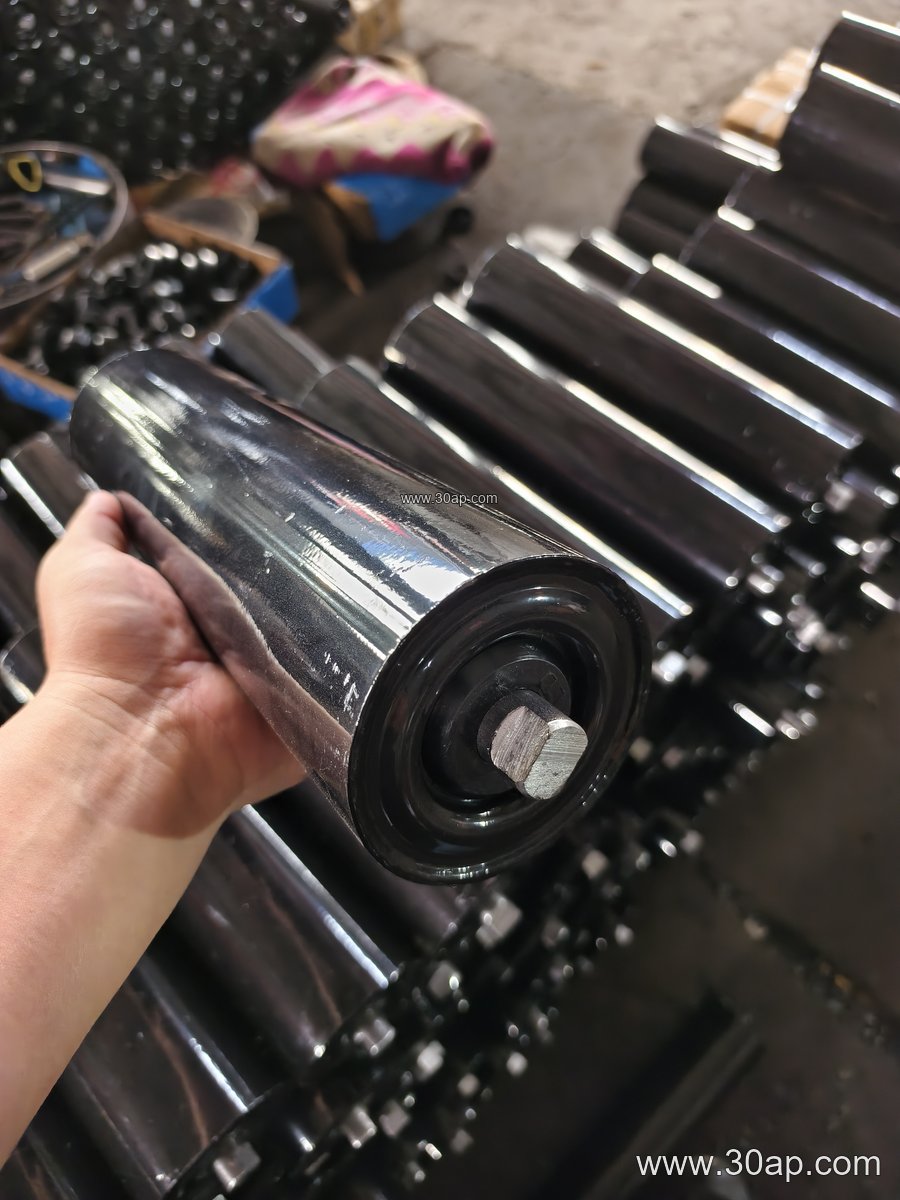
Where It Fits in the Conveyor Layout
Tracking idlers are usually placed where belt misalignment is most likely: after the loading point, along long carry sections, and on the return run. A quarry conveyor handling abrasive rock, a coal mining conveyor in a wash plant, or a cement plant clinker line can all benefit from a few well-positioned training idlers. They are also used in power plant coal handling, steel plant sinter lines, and port ship loading systems.
The idler should work together with correct pulley alignment, proper belt tension, and square frames. A tracking idler cannot fix a badly misaligned drive pulley or a damaged belt edge.
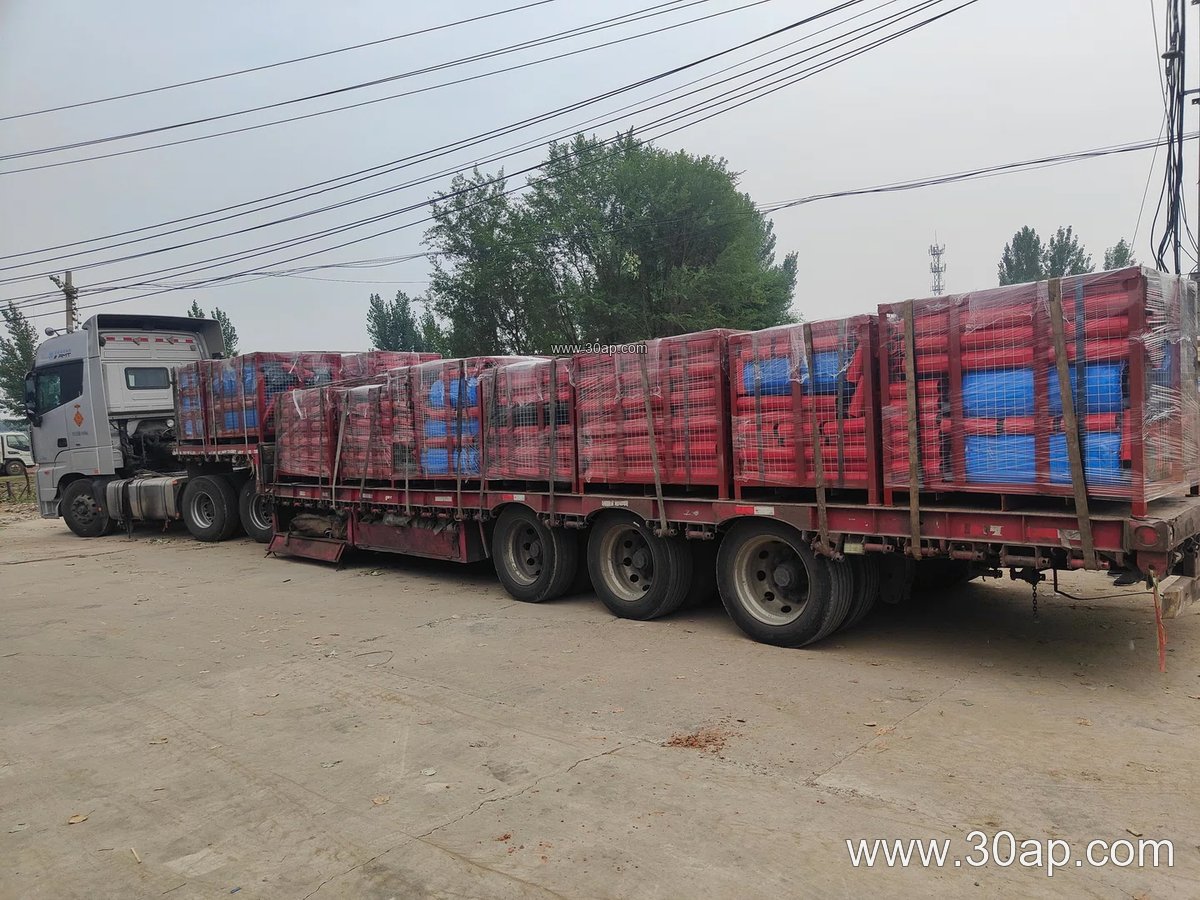
Matching the Idler to Belt and Structure
Selection starts with belt width, trough angle, and the idler group form. The table below gives common reference values; final dimensions are set by the conveyor design.
| Belt Width | Common Roller Length (three-roll trough, example) | Typical Roller Diameter Range |
|---|---|---|
| B500 | about 200 mm | Ø63 to Ø108 |
| B650 | about 250 mm | Ø76 to Ø133 |
| B800 | about 315 mm | Ø89 to Ø159 |
| B1000 | about 380 mm | Ø102 to Ø178 |
| B1200 | about 465 mm | Ø108 to Ø194 |
| B1400 | about 530 mm | Ø127 to Ø194 |
| B1600 | about 600 mm | Ø133 to Ø219 |
| B1800 | about 670 mm | Ø133 to Ø219 |
| B2000 | about 750 mm | Ø159 to Ø219 |
Trough angles of 20, 30, 35, and 45 degrees are common. A slight forward tilt of about 1.5 to 2 degrees is sometimes used on training idlers to improve self-correction. The side rollers and centre roller can differ in length, so the values above are examples rather than fixed pairings.
What a Buyer Should Check
- Confirm the belt width and whether the idler sits on the carry side or return side.
- State the trough angle and the idler group form, such as single-roll, two-roll, or three-roll trough.
- Match the roller diameter and bearing to the load and speed, not to belt width alone.
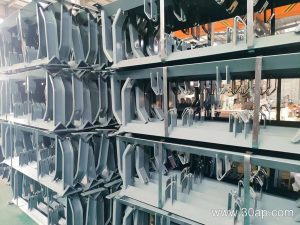
- Check that the mounting frame and conveyor bracket are compatible with the training mechanism.
- Ask about sealing and shell material where dust, moisture, or sticky material is present.
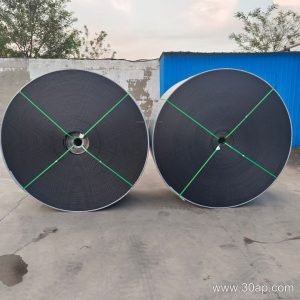
For abrasive duty, a high abrasion resistant conveyor belt paired with well-sealed idlers reduces wear on both parts. In coal or underground work, flame retardant conveyor belt and anti-static conveyor belt grades are often specified alongside the conveyor structure. A reliable Anti-Tracking Idler is a small investment that protects the belt, the conveyor bracket, and the whole conveying line.