What a Four-Roll Trough Idler Does
A four-roll trough idler is a carrying idler assembly that supports the conveyor belt on the load side using four rolls arranged in a trough shape. Unlike the common three-roll set, this design adds an extra roll to create a wider, smoother support profile for the belt and the bulk material it carries. The result is better belt guidance and reduced point loading on the belt cover, especially when the conveyor handles abrasive or heavy material. You will see this idler in quarry and aggregate lines, iron ore and copper ore operations, cement plants, and power plant coal handling. It works alongside the conveyor pulley, conveyor bracket, and idler roller frame to keep the belt tracking properly.
Construction and Roll Arrangement
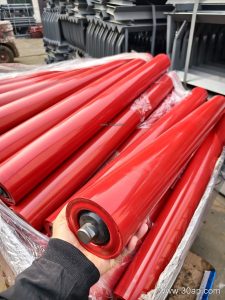
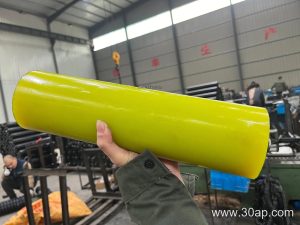
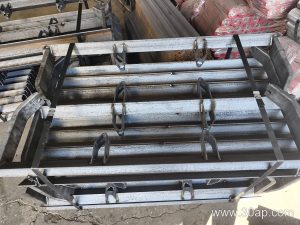
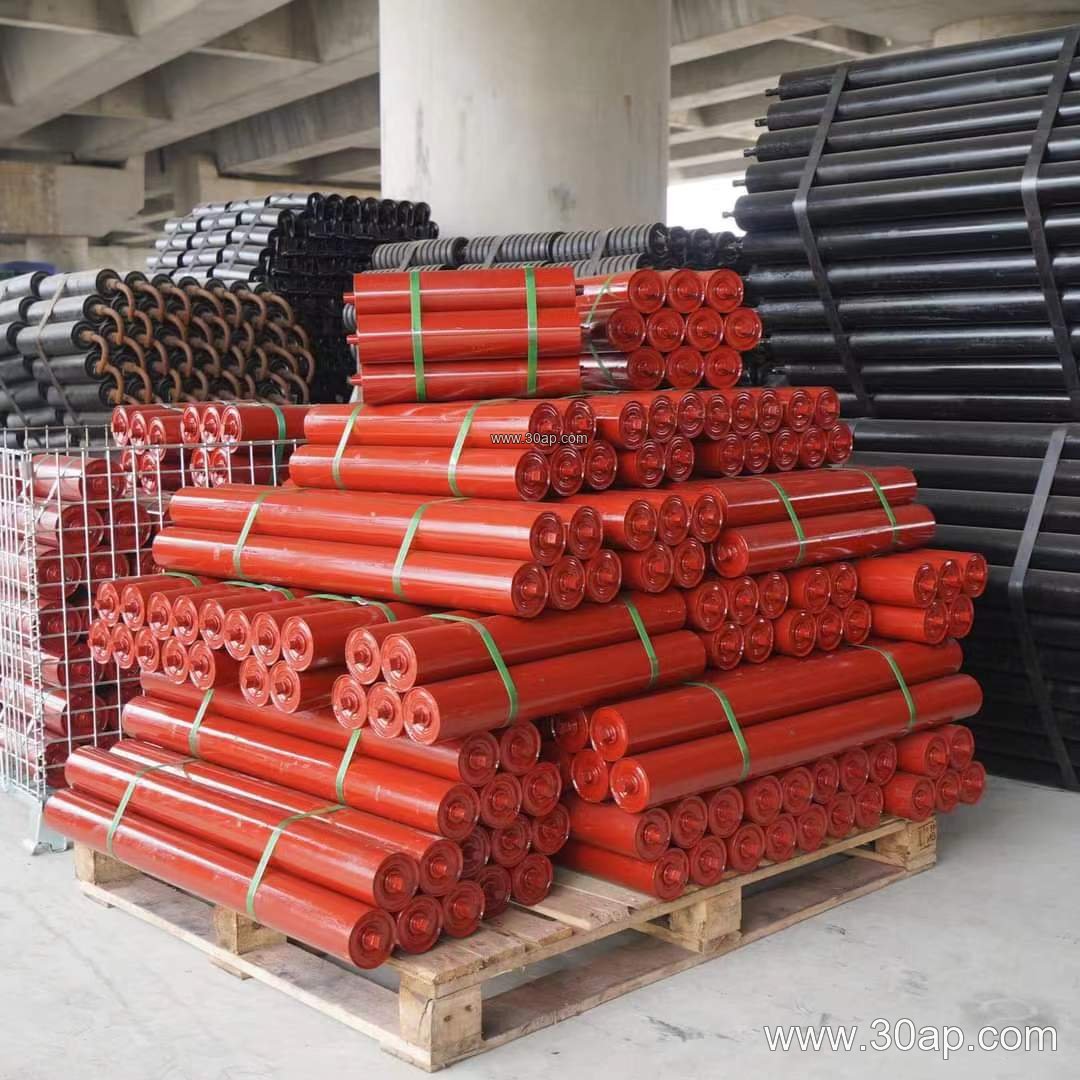
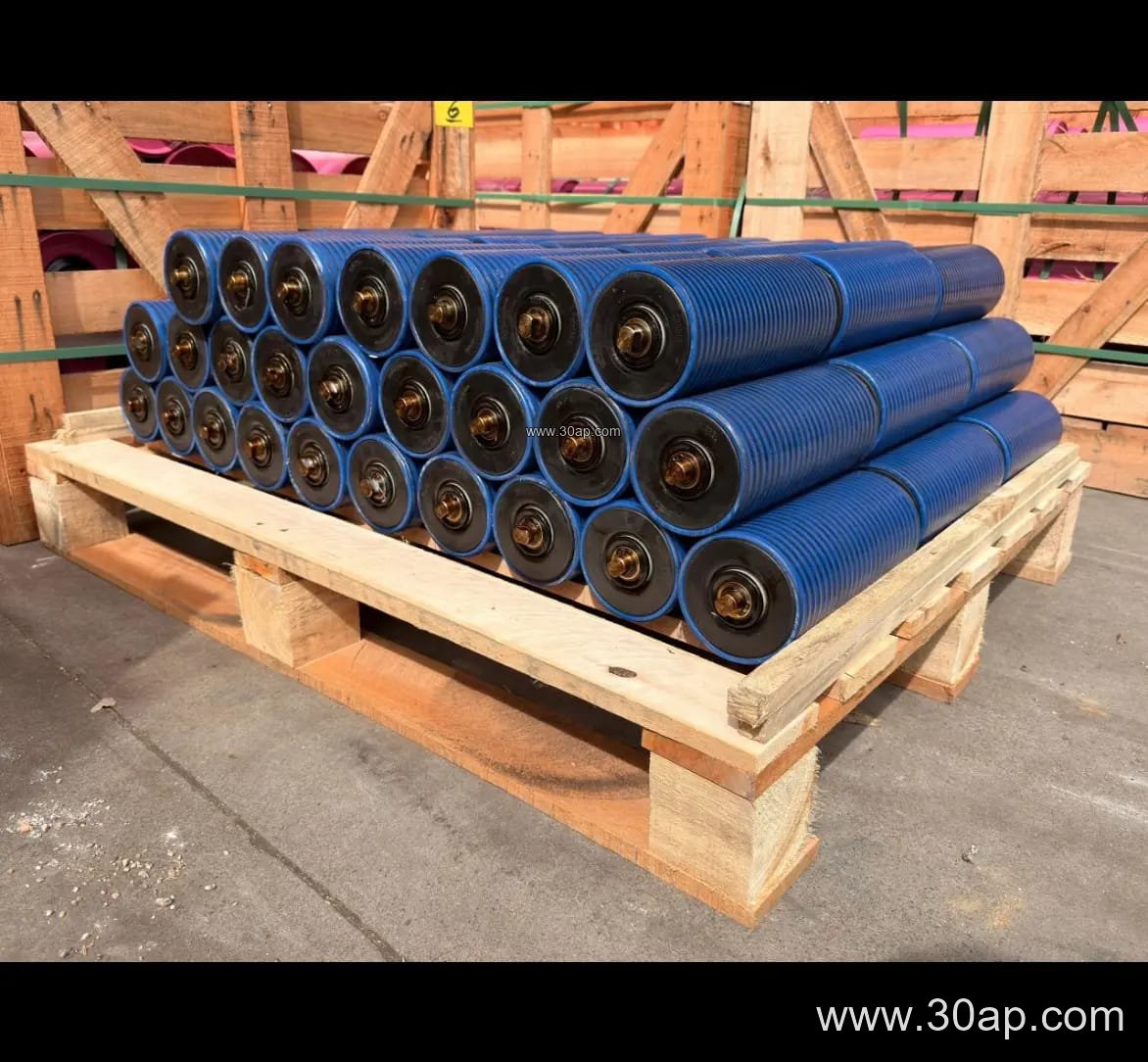
The assembly typically consists of a center roll and two side rolls on each side, mounted in a steel frame. The rolls are made from steel tube with bearing housings at each end, and the shaft is fixed to the frame through brackets. Common roll diameters for this type include Ø89, Ø108, Ø127, Ø133, Ø159, and Ø178 mm, with larger diameters used where belt width and load are greater. Bearings such as 6205, 6305, 6306, and 6308 are frequently fitted, but the bearing size must match the roll diameter and load rating, not just the belt width. Roll surface options include plain steel, nylon, ceramic, and rubber rings. Rubber rings are useful on impact zones, while ceramic or nylon surfaces can help in wet or sticky conditions. The trough angle is usually 20, 30, 35, or 45 degrees, and the four-roll layout allows a lower side roll angle while keeping the same trough depth, which reduces belt edge stress.
Where It Fits on the Conveyor
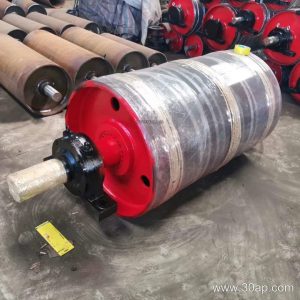
This idler is a carrying idler, so it sits on the upper run. It is not a return idler and does not replace a bend pulley, drive pulley, or tail pulley. In a typical conveyor structure, the four-roll trough idler is installed between the loading point and the discharge, supported by a conveyor bracket on the stringer. It is often used where a three-roll trough idler would create too much pinch at the belt edges, or where the belt is wide and the material load is uneven. For example, in a quarry feeding a crusher, a four-roll set can help center a 1200mm or 1400mm conveyor belt carrying coarse rock. In a coal mining conveyor, it can support a flame retardant conveyor belt or a PVG conveyor belt on the main haul. The extra roll spreads the load, which can extend belt cover life when the material is abrasive.
Common Sizes and Reference Data
The table below gives common reference values for four-roll trough idlers. These are examples, not fixed combinations. Actual roll length, diameter, and bearing selection depend on belt width, trough angle, load, and the idler manufacturer’s design.
| Belt Width (mm) | Typical Roll Diameter (mm) | Typical Roll Length (mm) | Common Bearing | Trough Angle |
|---|---|---|---|---|
| B500 | Ø89 | 200 | 6205 | 30° |
| B650 | Ø89 / Ø108 | 250 | 6205 / 6305 | 30° / 35° |
| B800 | Ø108 / Ø127 | 315 | 6305 / 6306 | 35° |
| B1000 | Ø127 / Ø133 | 380 | 6306 / 6308 | 35° / 45° |
| B1200 | Ø133 / Ø159 | 465 | 6308 / 6310 | 35° / 45° |
| B1400 | Ø159 / Ø178 | 530 | 6310 | 35° / 45° |
| B1600 | Ø159 / Ø178 | 600 | 6310 | 35° / 45° |
| B1800 | Ø178 / Ø194 | 670 | 6310 | 35° / 45° |
| B2000 | Ø194 / Ø219 | 750 | 6310 | 35° / 45° |
Note that the side rolls and center roll may have different lengths. A four-roll set does not mean all four rolls are identical. The frame width and bracket spacing must be checked against the conveyor structure.
Buying Tips for Four-Roll Trough Idlers
When selecting a four-roll trough idler, start with the belt width and the actual load per meter. Check the idler’s load rating at the intended roll speed. For heavy-duty mining conveyor belts or high abrasion resistant conveyor belt applications, choose a larger roll diameter and a robust bearing housing. The seal type matters in dusty conditions such as a cement plant or a stone crushing line; labyrinth seals or felt seals are common. Confirm the trough angle and the roll length with the conveyor bracket dimensions. Also consider the belt type: a steel cord conveyor belt may need a different idler spacing than an EP conveyor belt or NN conveyor belt. For heat resistant conveyor belt or oil resistant conveyor belt service, the roll surface and bearing lubricant should be compatible with the temperature and chemical exposure. Finally, ask for the idler’s dynamic load rating and the recommended spacing, not just the roll diameter. A four-roll trough idler is a carrying idler, so it should not be mixed with return idlers, impact idlers, or self-aligning idlers when you plan the conveyor layout.