What a Conveyor Belt Self-Aligning Idler Does
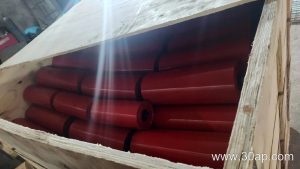
A conveyor belt self-aligning idler is a training idler designed to correct belt misalignment automatically. Unlike fixed troughing idlers that simply support the belt, this idler responds to lateral drift by pivoting slightly, steering the belt back toward the center line. In quarries, coal preparation plants, cement lines, and power station coal handling systems, a conveyor belt self-aligning idler reduces edge damage, spillage, and premature wear on the conveyor pulley and idler roller set.
Construction and Working Principle
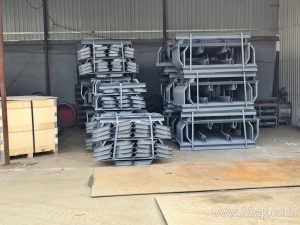
The self-aligning idler usually consists of two or three rolls mounted on a pivoting frame. The frame is connected to a fixed conveyor bracket or base through a vertical axis. When the belt drifts to one side, the edge contacts a vertical guide roller or the angled rolls create a turning moment. This moment rotates the idler assembly slightly, which generates a steering effect on the belt. The belt then returns to a centered position. Common designs include friction self-aligning idlers, conical self-aligning idlers, and return-side V-type self-aligning idlers.
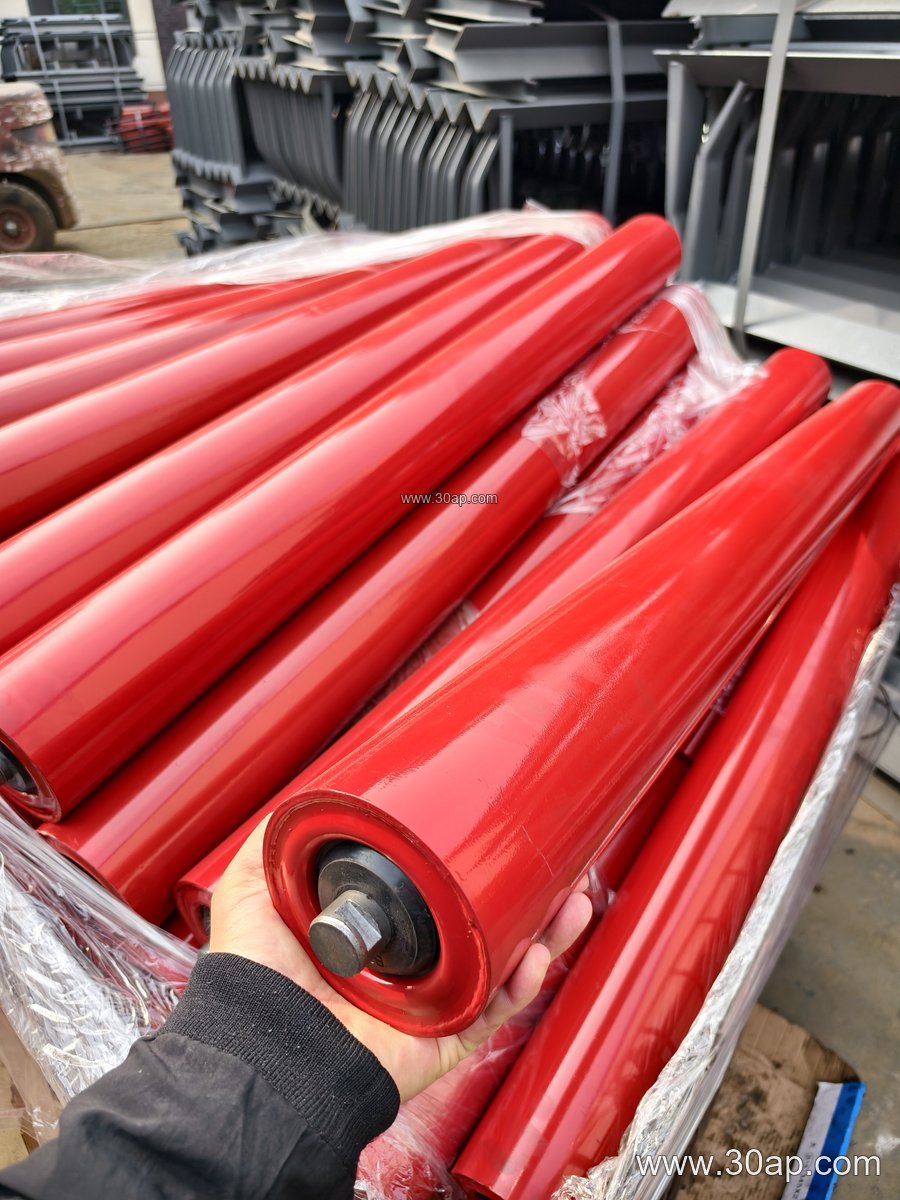
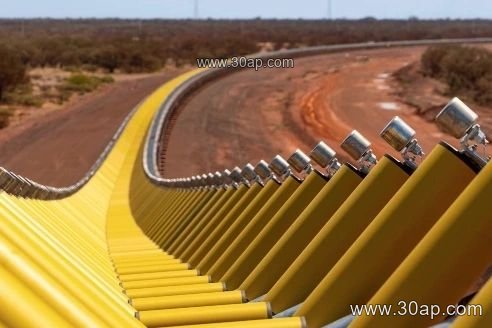
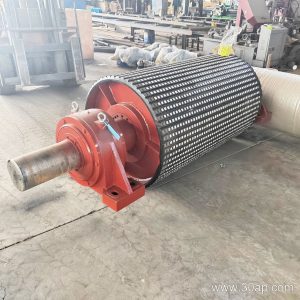
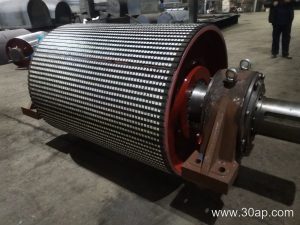
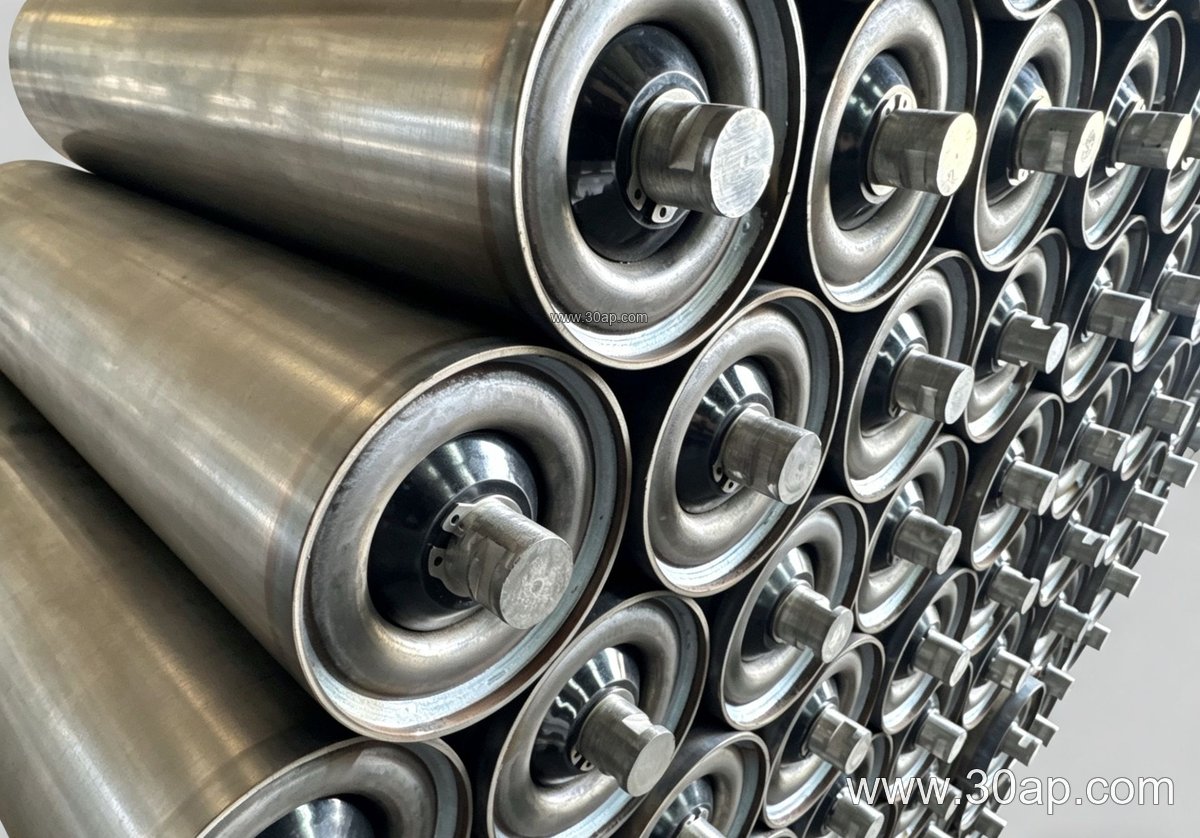
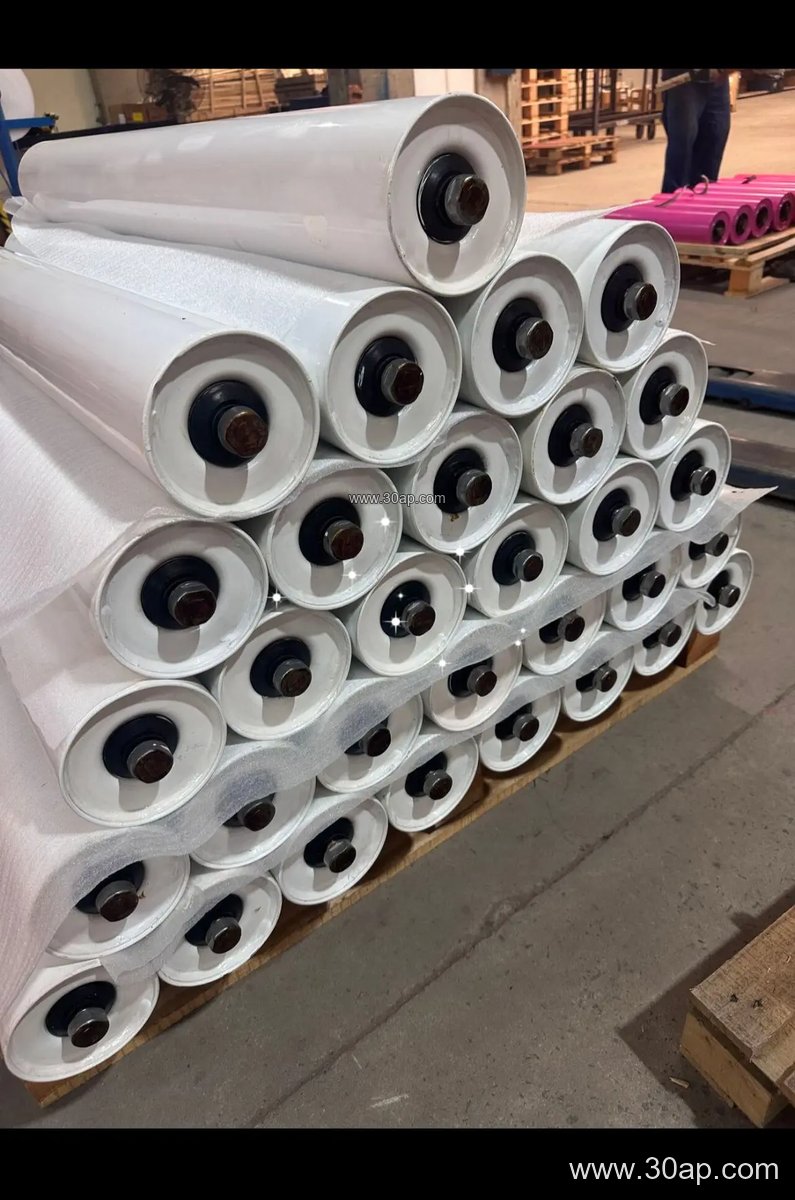
Roll diameters follow the general idler range, such as Ø89, Ø108, Ø133, Ø159, and Ø194. Bearing sizes are selected according to load and speed, with 6205, 6305, 6306, and 6308 being common. The roll surface may be steel tube, nylon, or rubber-covered depending on the environment. The self-aligning function is separate from the drive pulley, tail pulley, or bend pulley, which serve different roles in the conveyor system.
Where It Is Used
This idler is typically installed on the carrying side at intervals along long conveyors, especially where belt training is difficult. It is also used on the return side to keep the belt centered before it enters the tail pulley. In a limestone mine or sand and gravel plant, a self-aligning idler helps maintain belt tracking through curves and transitions. In a coal washing plant or fertilizer handling line, it reduces the risk of belt edge rubbing against the conveyor bracket. It is not a replacement for a bend pulley or a drive pulley; those components handle tension and power transmission.
Common Configurations and Reference Dimensions
Self-aligning idlers are available in two-roll and three-roll troughing arrangements. The table below gives common reference examples. Actual roll length and diameter are determined by belt width, trough angle, and idler group design. These values are for orientation only and should not be treated as fixed combinations.
| Belt Width | Common Roll Length (three-roll troughing) | Typical Roll Diameter Range |
|---|---|---|
| B500 | 200 mm | Ø63–Ø108 |
| B650 | 250 mm | Ø76–Ø133 |
| B800 | 315 mm | Ø89–Ø159 |
| B1000 | 380 mm | Ø108–Ø178 |
| B1200 | 465 mm | Ø108–Ø194 |
| B1400 | 530 mm | Ø133–Ø219 |
Trough angles of 20°, 30°, 35°, and 45° are common. For self-aligning action, a slight forward tilt of about 1.5° to 2° may be incorporated in some designs. The idler frame must match the conveyor bracket spacing and mounting hole pattern.
Buyer Checklist
- Confirm belt width and existing idler roll diameter to maintain consistent belt support height.
- Specify whether the idler is for the carrying side or return side, as the design differs.
- Check the mounting bracket dimensions and pivot mechanism for compatibility with the conveyor structure.
- Consider the environment: dusty, wet, or corrosive conditions may call for sealed bearings and appropriate roll surface.
- Remember that self-aligning idlers complement, but do not replace, proper pulley alignment and belt tensioning.
For cement plants, steel mills, and tunnel spoil lines, selecting the right conveyor belt self-aligning idler helps extend belt life and reduce maintenance downtime. Always review the specific conveyor layout and load conditions with the idler supplier before ordering.