What the PVG800S Conveyor Belt Is
The PVG800S conveyor belt is a solid-woven, PVC-impregnated belt built for underground service where flame resistance and anti-static behavior matter as much as tensile strength. The “800S” designation refers to its nominal tensile class, while “PVG” identifies the whole-belt construction: a single-ply woven carcass fully impregnated and covered with PVC-based compounds rather than the layered rubber skim and cover of a Multi-Ply Fabric Core Conveyor Belt. Because the carcass is a solid woven structure, the belt resists delamination and impact damage from lump coal and rock, which is why it is common in coal mining conveyor systems and other underground haulage duties.
This type is often grouped with PVC conveyor belting, but the PVG800S variant is the grade typically chosen when a mine or tunnel project requires a flame retardant conveyor belt with predictable electrostatic dissipation. It is not a replacement for a Steel Cord Conveyor Belt on very long, high-tension trunk conveyors; it occupies the middle ground where moderate tension, tight troughing, and fire safety all apply.
Construction and Material Layout
A typical PVG800S belt comprises four functional layers working as one:
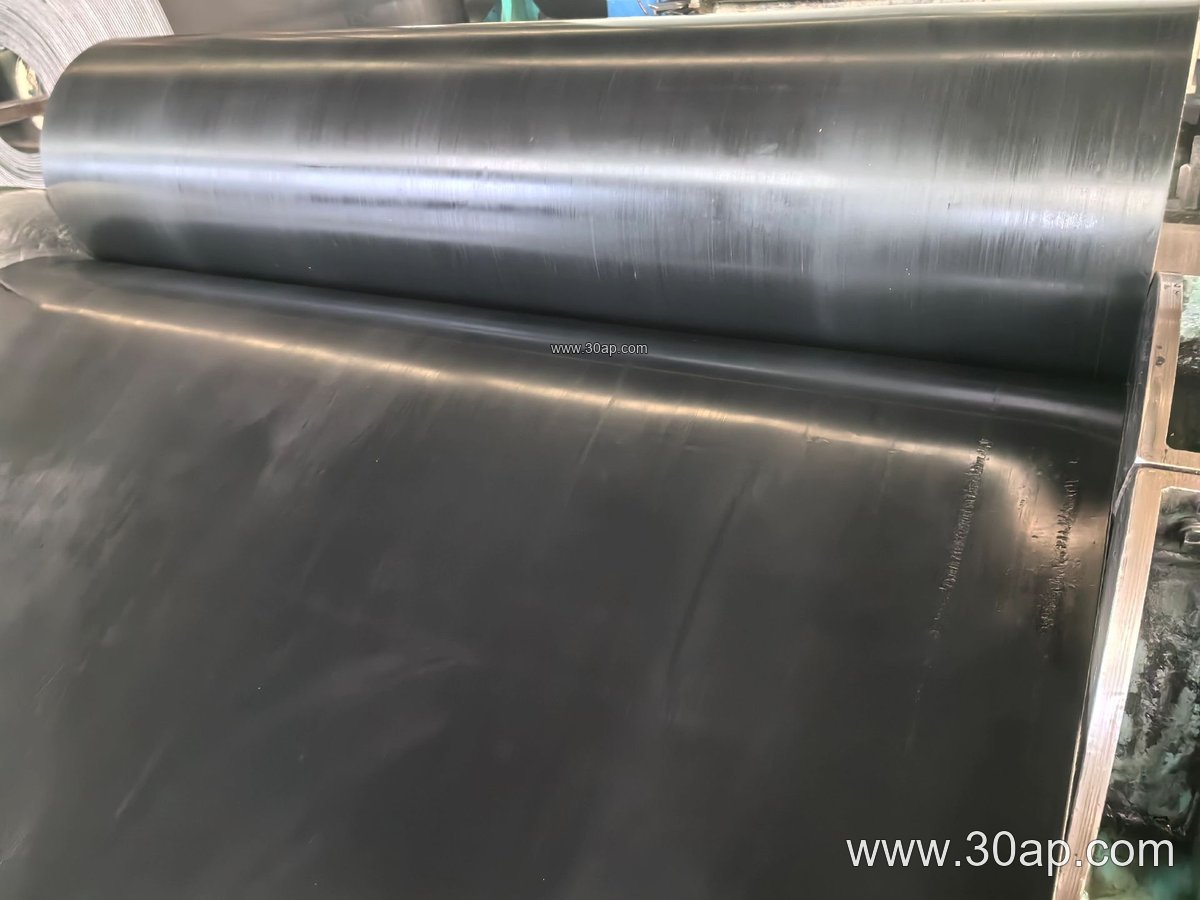
- Solid woven carcass — closely woven synthetic yarns (usually polyester warp with nylon weft) formed into a single body, giving the belt its tensile strength and resistance to tearing.
- PVC impregnant — fills the weave to seal the carcass against moisture, dust, and bacterial attack.
- Bonding layer — ties the carcass to the outer covers so the belt behaves as a unit under repeated flexing over pulleys.
- Cover compounds — PVC-based top and bottom covers, commonly in the 2–6 mm range depending on duty, providing abrasion resistance and flame retardant performance.
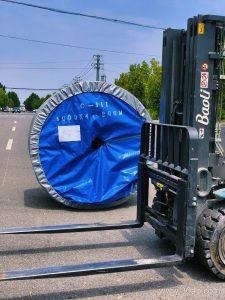
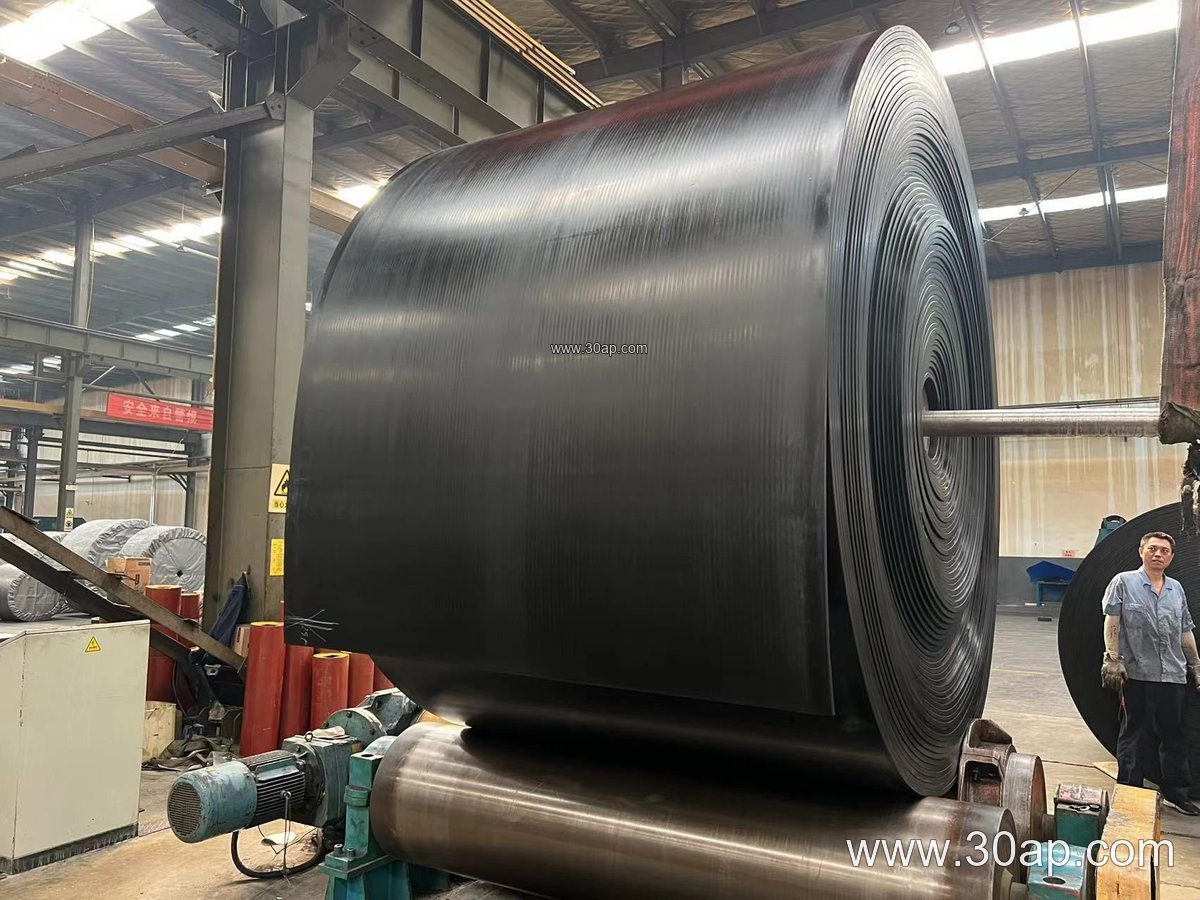
Because the carcass is impregnated rather than layered, the belt can be spliced with finger or stepped joints and still retain much of its strength. The finished belt is usually delivered as an Endless Conveyor Belt for short installations, or in open lengths for splicing on site.
Where It Fits on the Conveyor
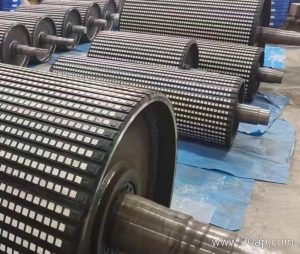
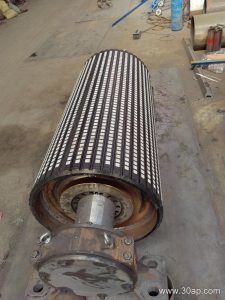
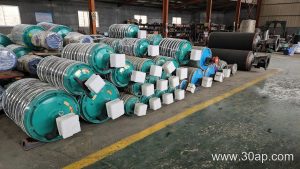
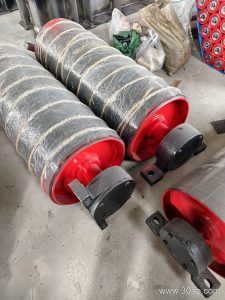
The PVG800S conveyor belt is most at home on underground coal mining conveyor lines, roadway drifts, and transfer conveyors in mines and tunnels. It also appears in cement plants, power plant coal handling, and quarry operations where a flame retardant, anti-static belt is specified for enclosed galleries. In these layouts the belt runs over a sequence of conveyor pulley assemblies: the drive pulley pulls the loaded strand, the tail pulley returns the belt after discharge, and bend pulleys steer it through curves and inclines. These three pulley roles are distinct and are not interchangeable — a bend pulley cannot substitute for a drive pulley, and vice versa.
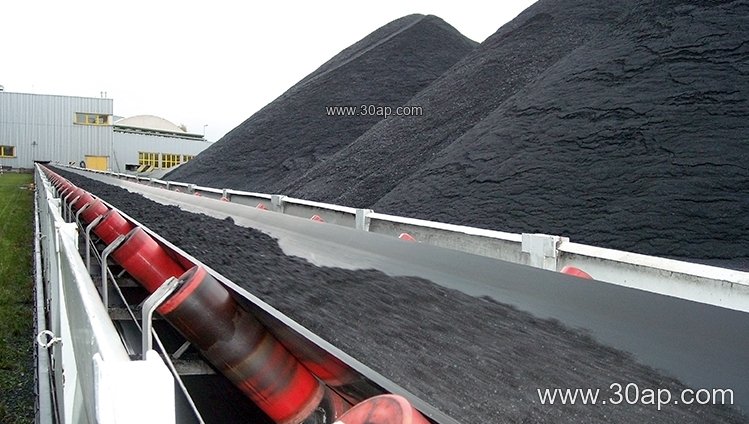
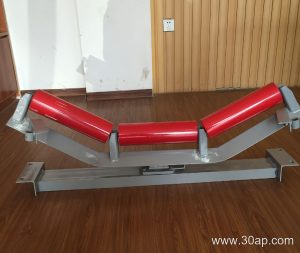
Support along the carrying run comes from idler rollers set in a trough angle, held by conveyor brackets fixed to the stringer. On the return strand, flat return idlers or a return roller arrangement keeps the belt tracking. Correct alignment of idlers and pulleys is critical for this belt because a solid woven carcass is stiff in the transverse direction and will edge-damage quickly if misaligned.
Common Reference Data
The values below are typical reference ranges, not fixed supply promises. Actual construction is confirmed by the manufacturer for each order.
| Parameter | Typical Reference |
|---|---|
| Tensile class | 800 N/mm nominal (PVG800 series) |
| Belt widths | B650, B800, B1000, B1200, B1400 mm common; wider on request |
| Cover thickness | 2+2, 3+1.5, 4+2 mm typical |
| Carcass | Solid woven, single body, PVC impregnated |
| Surface form | Plain cover standard; chevron or patterned covers for inclined duty |
| Service temperature | Generally within the range stated by the maker for PVC grades |
For comparison, an EP Conveyor Belt of similar width uses layered fabric plies and rubber covers, and a Corrugated Sidewall Conveyor Belt adds raised walls for steep inclines — different answers to different problems, not substitutes for the PVG800S.
Selection and Maintenance Notes for Buyers
Start with the duty: coal, ore, or aggregate, lump size, and whether the gallery is classified as a fire-risk zone. Confirm the required flame retardant and anti-static grades, then match belt width to the conveyor’s designed capacity rather than assuming a width dictates a pulley diameter — pulley sizing follows tension, wrap angle, and shaft load calculations, not belt width alone.
On site, keep the belt clean and check splice condition at each shift. Inspect idler rollers for seized bearings, since a locked roller will scuff the cover and can start a friction heat source underground. Verify bend pulleys and tail pulleys turn freely and that skirt rubber does not press hard against the belt. Store spare lengths flat, away from ozone sources and direct sunlight, and re-tension after the first weeks of running.
Related selection resources for conveyor belt, idler roller, and conveyor pulley configurations can help buyers cross-check dimensions before ordering a PVG800S belt for a mining or bulk material conveyor.