What a High-Strength Pulley Is
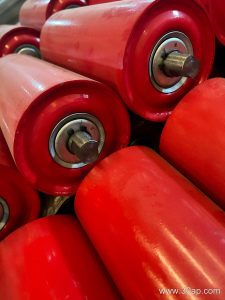
A high-strength pulley is the heavy-duty drum that carries and drives the belt at the critical points of a conveyor. In many plants it is simply called a conveyor pulley, but the high-strength version is built with thicker shells, reinforced end discs and heavier hubs so it can take the belt tension, radial load and torque that ordinary light-duty drums cannot. It is commonly used at the head, tail, tension and bend positions, where the belt wraps the drum and the whole conveyor depends on that one component staying round and true.
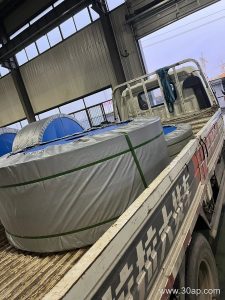
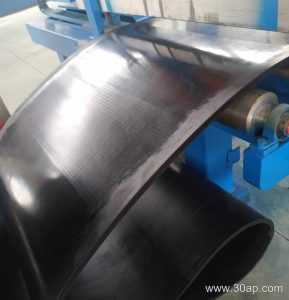
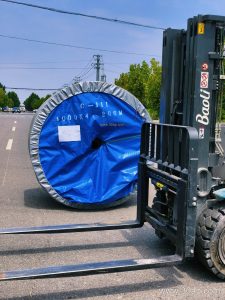
Because it works directly with the conveyor belt, a high-strength pulley is usually matched to the belt type in service. A steel cord conveyor belt, a multi-ply fabric core belt and a high abrasion resistant conveyor belt each put a different load pattern on the drum, so the pulley design should follow the belt, not the other way round.
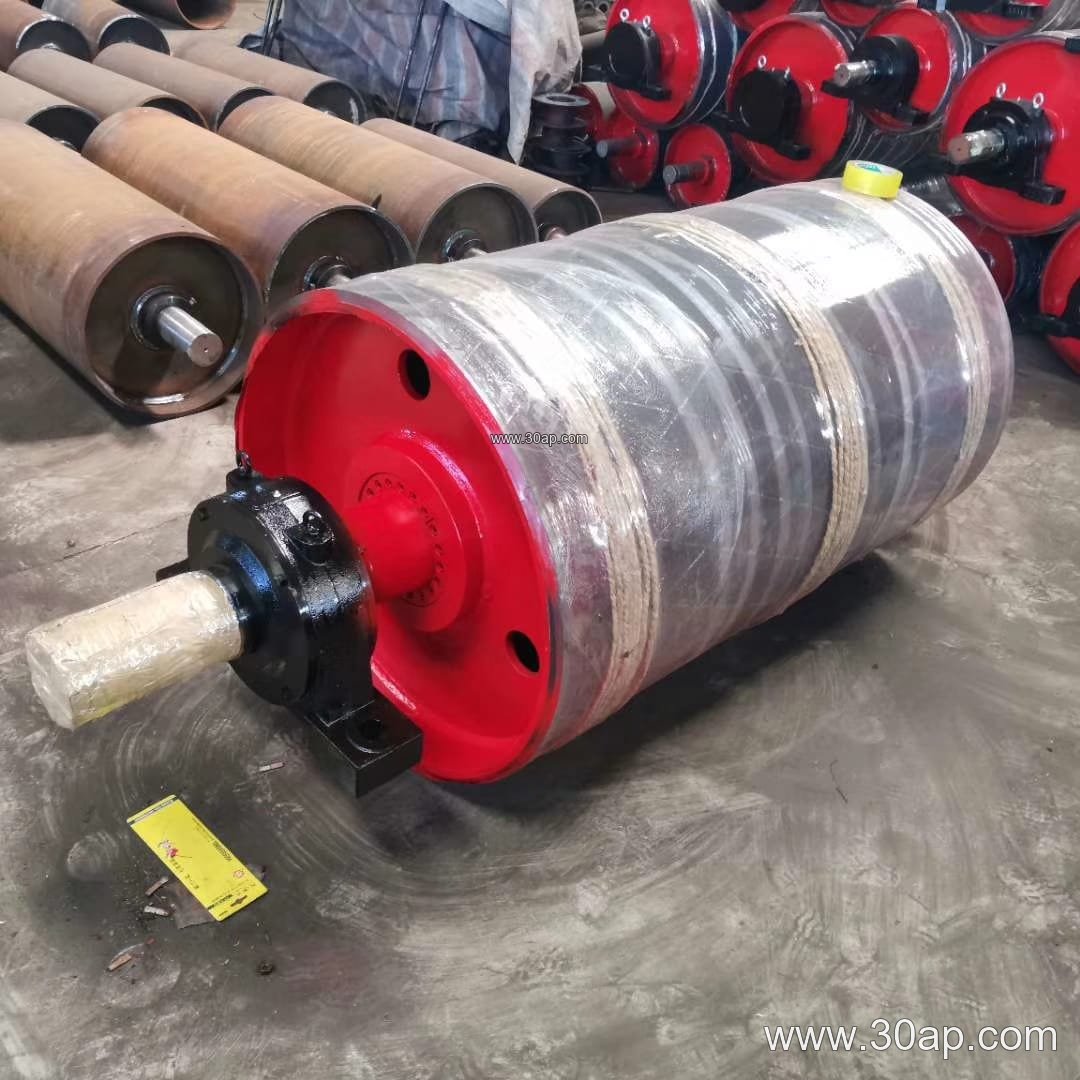
How the Drum Is Built
The core is a rolled steel shell welded to end discs, with the shaft passing through the hub or fixed by a locking assembly. Load-bearing welds are usually stress-relieved, and the shell is machined so the surface runs true at working speed. Larger units often use a turbine-style end disc to spread stress from the hub to the shell.
Surface treatment is chosen for grip and wear. Plain finish suits light wrap angles, while hot-vulcanized rubber, cold-bonded rubber, diamond grooving, herringbone grooving and ceramic lagging are used where slip or abrasion is a concern. Lagging thickness is commonly 8, 10, 12, 15 or 20 mm, depending on duty. In a quarry or a sand and aggregate line, a diamond or ceramic lagged drum often outlasts a plain one on the drive position.
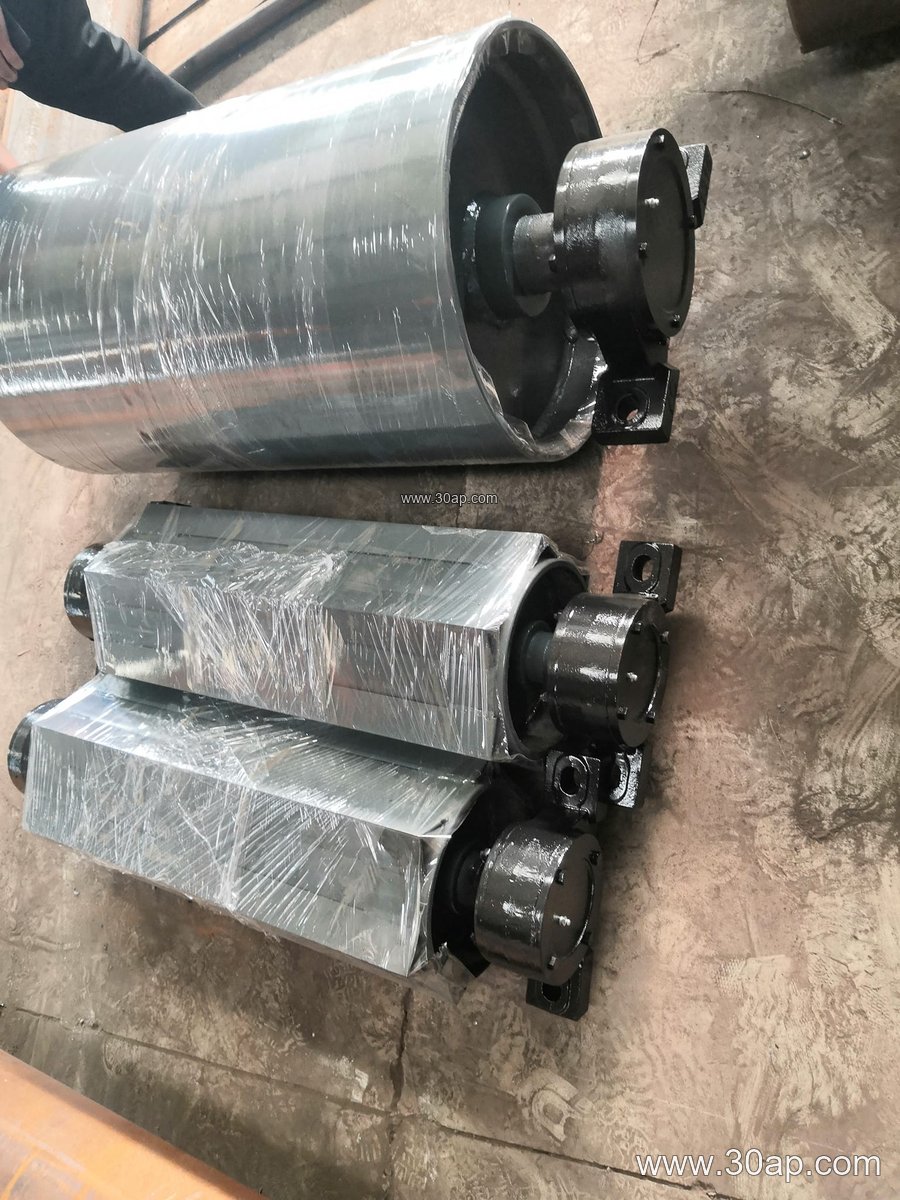
Sizes and Reference Dimensions
Dimensions are normally set by belt width, belt tension and shaft torque. The table below shows typical reference ranges — not fixed pairings, and not a supply promise.
- Belt width: B400, B500, B650, B800, B1000, B1200, B1400, B1600, B1800, B2000, B2200, B2400
- Drum diameter: Ø200, Ø250, Ø315, Ø320, Ø400, Ø500, Ø630, Ø800, Ø1000, Ø1250, Ø1400, Ø1600, Ø1800
- Shaft diameter: Ø50, Ø60, Ø70, Ø80, Ø90, Ø100, Ø120, Ø140, Ø160, Ø180, Ø200
- Face width: usually wider than the belt, for example B800 about 950 mm and B1200 about 1400 mm
- Common combinations seen in design sheets: B800 × Ø500, B1200 × Ø1000, B1400 × Ø800
A wider belt does not automatically mean one fixed drum diameter, and shaft size should be calculated from torque and bearing load rather than copied from belt width.
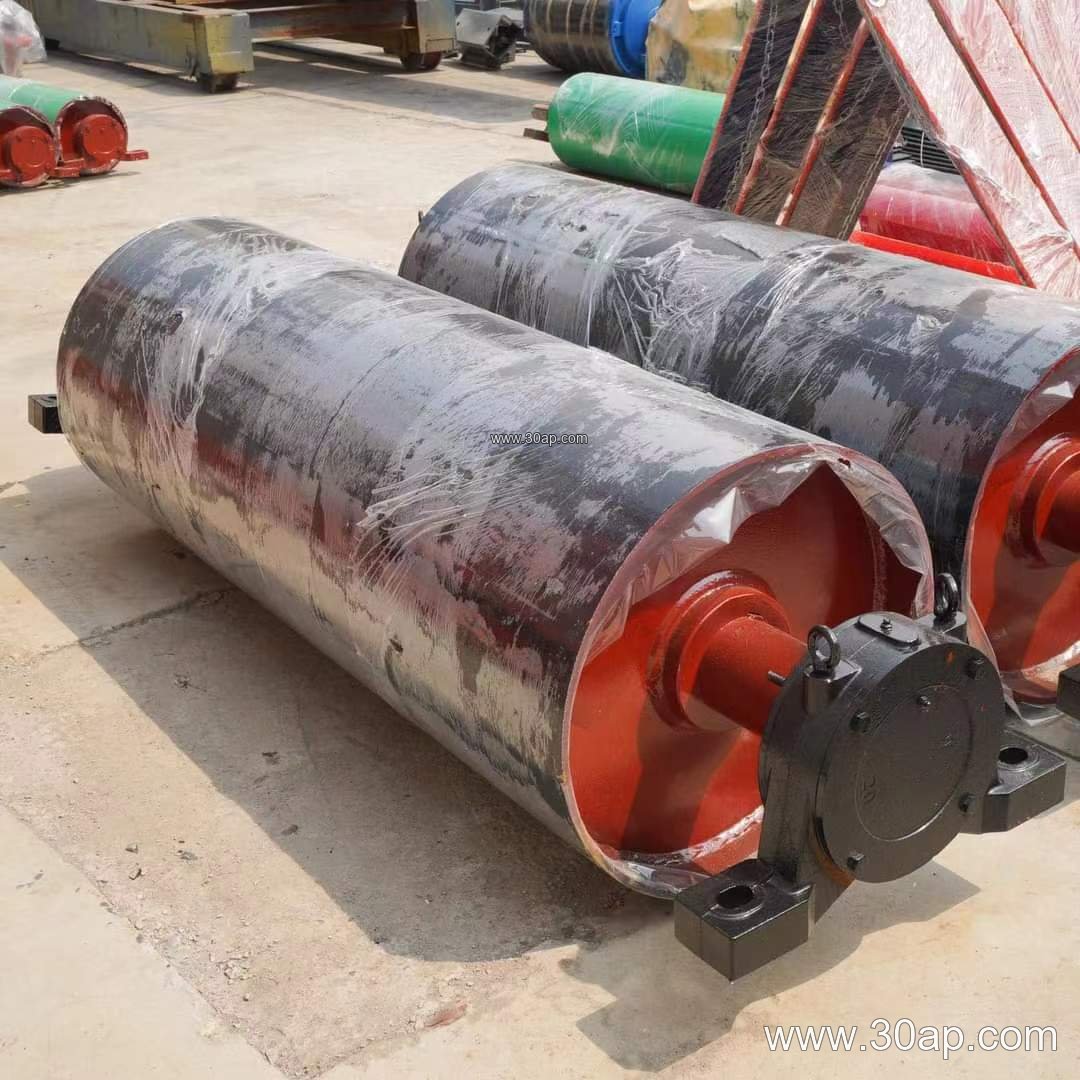
Where It Fits on the Conveyor
Position changes the job. The drive pulley transmits power and needs the strongest lagging and the heaviest shaft. The tail pulley guides the return belt and is often smaller. A bend pulley changes belt direction, a take-up pulley maintains tension, and a snub pulley increases wrap angle on the drive. These are different duties and should not be swapped by name alone — a bend pulley is not a substitute for a drive pulley.
In a coal handling plant or a power plant coal yard, flame retardant conveyor belt and anti-static conveyor belt are usual, and the pulleys are earthed through the frame. In a cement plant, heat resistant conveyor belt may run close to clinker, so bearing temperature and lagging choice deserve attention. In a copper or iron ore concentrator, a heavy-duty mining conveyor belt pairs with a robust high-strength pulley at the crusher discharge.
Buyer Checklist
- Confirm belt width, belt type and maximum working tension before sizing the drum.
- State the mounting position so the supplier knows whether it is a drive, tail, bend, take-up or snub application.
- Ask for the lagging form and thickness, plus the shaft material and bearing arrangement.
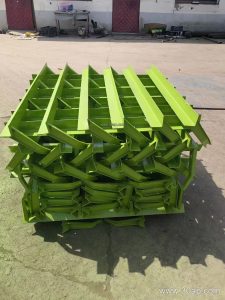
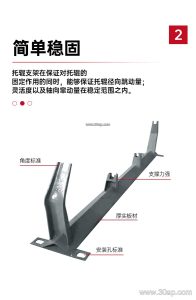
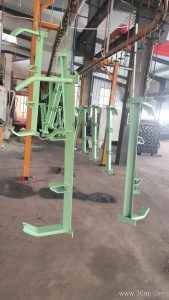
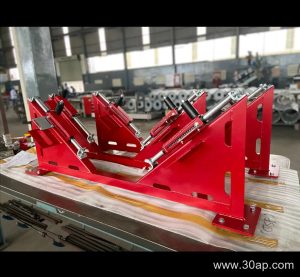
- Check that the pulley face width suits the belt and that the conveyor bracket and idler roller frame align with the shaft ends.
- For underground coal mining conveyor belt duty, request flame retardant and anti-static properties in writing and confirm earthing provisions.
- Plan inspection of lagging wear and shell runout during scheduled shutdowns.
For more on matching drums with rubber conveyor belt, EP conveyor belt and NN conveyor belt systems, or on conveyor pulley and idler roller selection, speak with the design team before ordering. A well-specified high-strength pulley keeps the belt tracking straight and the whole line running quietly.