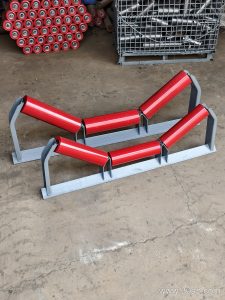
Idler Roller: The Backbone of Reliable Bulk Handling
An idler roller is not just a support cylinder—it dictates belt alignment, energy consumption, and maintenance frequency across your entire conveyor system. Selecting the wrong type can lead to premature belt wear, material spillage, and costly downtime.
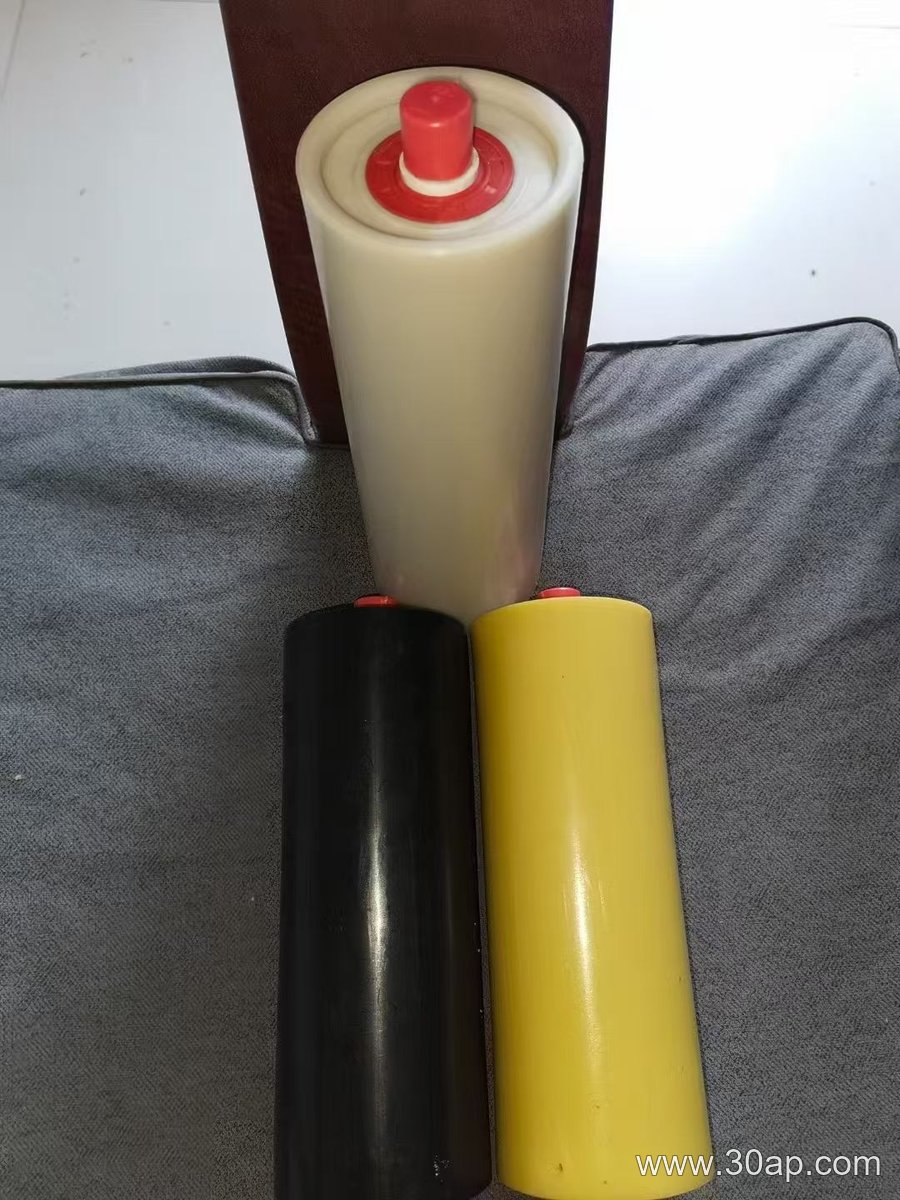
Key Selection Criteria for Idler Rollers
- Belt speed and load: Higher speeds demand precision-balanced rollers with low radial run-out to reduce vibration.
- Material characteristics: Abrasive or corrosive bulk goods require sealed, impact-resistant rollers with steel or HDPE shells.
- Environmental factors: For dust-laden or wet areas, choose rollers with labyrinth seals and a corrosion-resistant finish.
- Roller diameter and trough angle: Match these to your belt width and idler spacing to prevent sagging and ensure proper troughing.
Purchasing Advice for Long-Term Value
Always request load ratings and test certificates from the manufacturer. Compare the total cost of ownership—not just the unit price—including energy losses from friction and replacement intervals. For critical applications, specify idler rollers with greasing options or sealed-for-life bearings to simplify maintenance. Finally, verify that the roller’s shell thickness and bearing size align with your operational duty cycle, and ask for a sample to test under real conditions before bulk ordering.
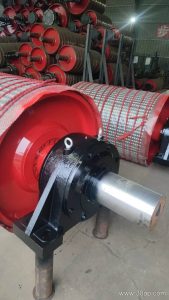
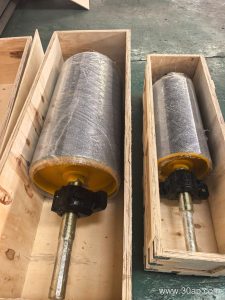
Understanding the Conveyor Pulley’s Core Role
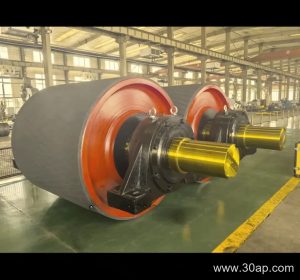
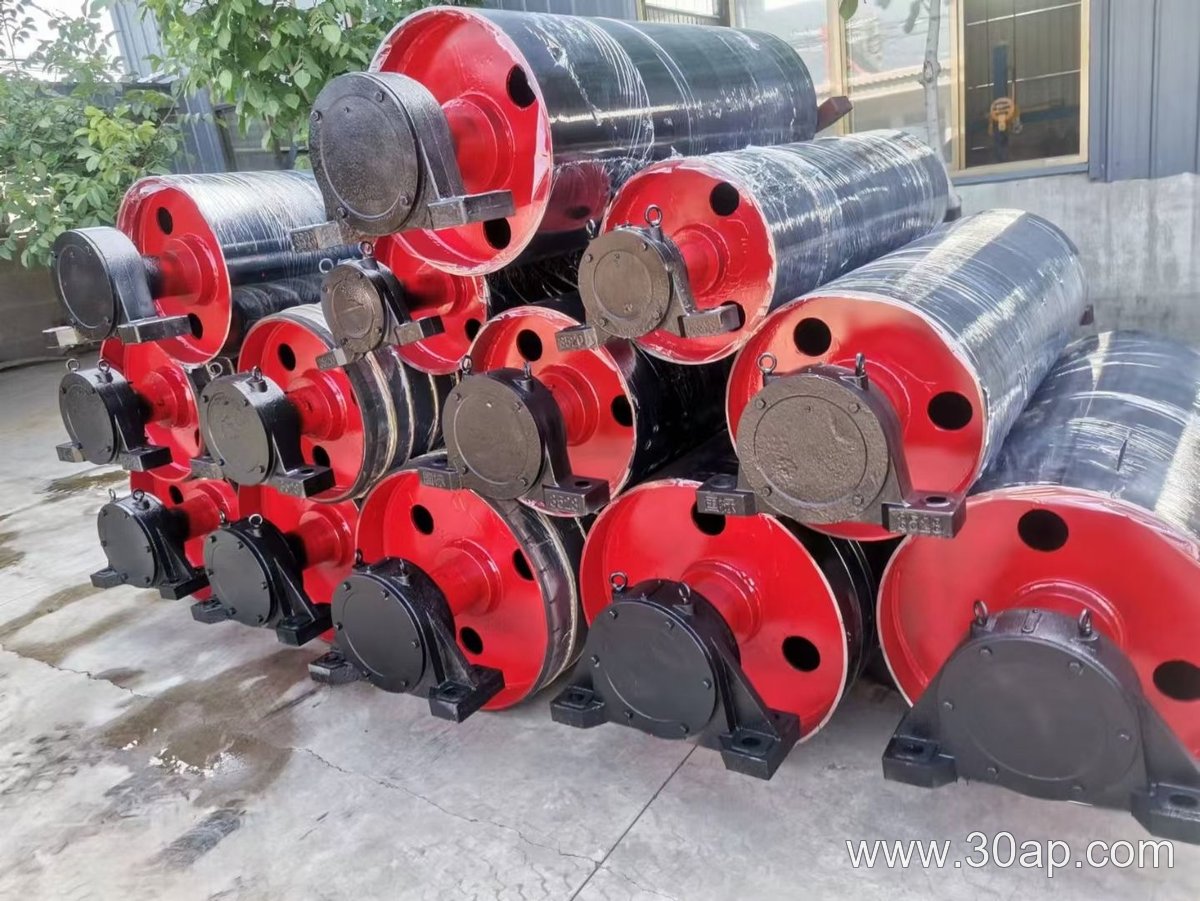
The conveyor pulley is the mechanical heart of any belt conveyor system, transmitting drive torque and maintaining belt tension. Its design directly impacts operational efficiency, belt tracking, and component lifespan.
Key Types and Their Applications
- Drive pulleys: Face high torque and require lagging (ceramic or rubber) for grip.
- Bend pulleys: Change belt direction with minimal stress; choose small diameters for tight angles.
- Take-up pulleys: Manage slack and elongation; opt for crowned faces to improve centering.
Critical Selection Criteria
Match shaft diameter and bearing rating to actual peak load, not average. Verify shell thickness against impact zones—use heavier wall or wing-type pulleys for abrasive materials.
Purchasing Advice
- Request dynamic balancing reports for speeds above 300 m/min.
- Specify lagging compound resistant to oil or moisture in your environment.
- Check for weld quality certifications (e.g., ISO 9001) to avoid premature fatigue failure.
- Consider quick-change hubs for reduced downtime during pulley replacement.
Always simulate your worst-case start-up torque to avoid pulley slippage and premature wear.
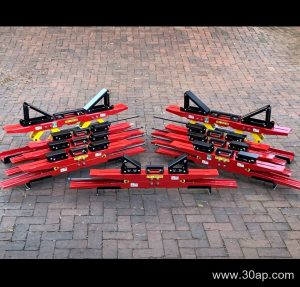
Why the Conveyor Bracket Defines System Reliability
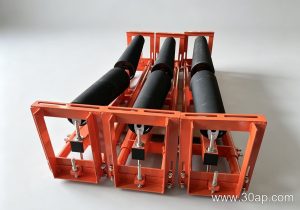
The conveyor bracket is the silent load-bearing interface between your belt structure and support frame. A mis-specified bracket causes misalignment, vibration, and premature roller failure.
Key Selection Criteria
- Material grade: Choose hot-dip galvanized steel for corrosive or outdoor lines; stainless for food and washdown zones.
- Slot geometry: Verify slotted holes match your existing rail pitch—metric and imperial variants are not interchangeable.
- Load rating: Check dynamic capacity at your belt speed, not just static weight. Dynamic loads increase with impact zones.
Purchasing Advice
Order spare brackets with the same weld or bolt pattern. For retrofit projects, measure the center distance between rollers before ordering. Request a sample bracket to test fit on your actual conveyor frame—never rely on nominal drawings alone.
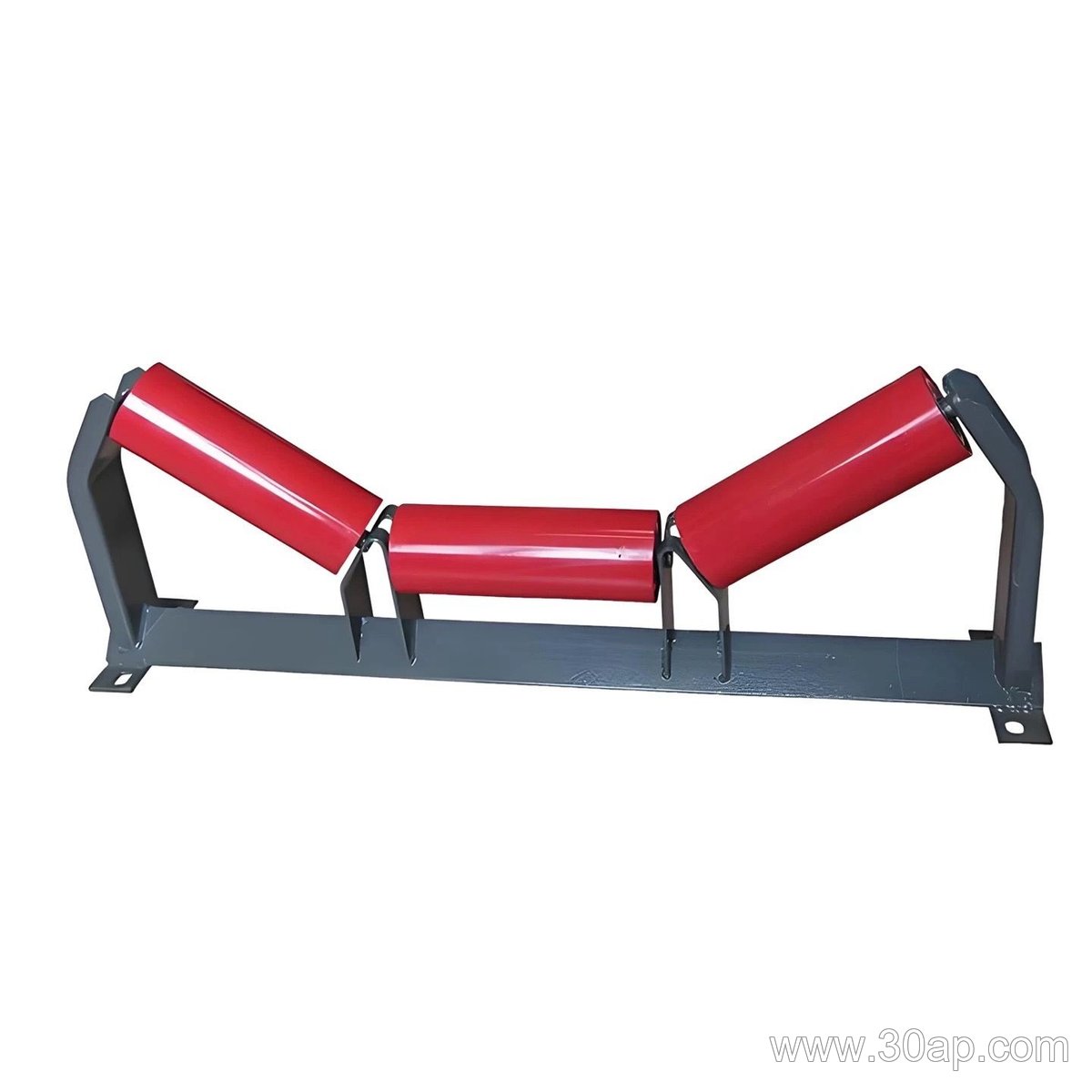
Prioritize brackets with gusset reinforcement for overhung loads, and confirm the thickness (typically 4–6 mm) matches your roller shaft diameter.
Why the Conveyor Belt Remains the Backbone of Material Handling
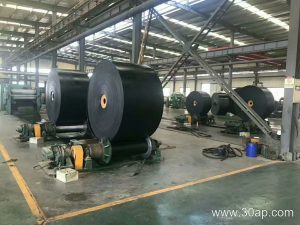
The conveyor belt is more than a moving surface; it is a precision-engineered system that determines throughput, safety, and operating costs. Choosing the wrong belt leads to downtime, spillage, and premature wear.
Core Factors for Industrial Conveyor Belt Purchasing
Assess the material being transported—its weight, abrasiveness, temperature, and oil exposure. Match the belt’s carcass (fabric, steel, or solid woven) to the tension and impact demands of your line.
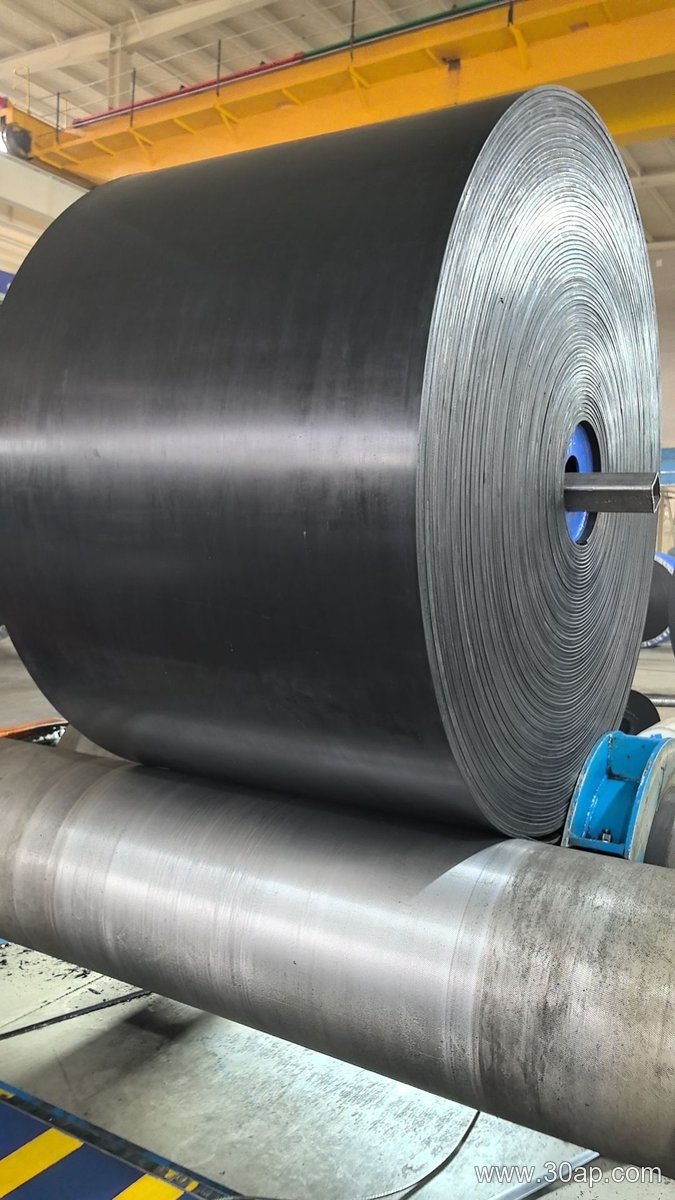
- Cover thickness: Thicker rubber resists cuts from sharp ore or scrap, while thinner covers suit light aggregates.
- Profile geometry: Chevron or cleated belts handle inclines above 15 degrees; flat belts excel on horizontal runs.
- Joining method: Vulcanized splices offer stronger, smoother joints than mechanical fasteners for high-tension applications.
- Environmental rating: Specify flame-resistant, antistatic, or food-grade compounds to meet site and hygiene regulations.
Practical Selection Advice
Calculate belt speed and width from your required tonnage, then add a 10% safety factor for surge loads. Always request a flex fatigue test report from the supplier—this predicts long-term belt life better than static breaking strength alone.
For retrofits, measure existing pulley diameters and idler spacing to avoid bending stress. Finally, prioritize belts with a proven track record in your industry; generic low-cost options often fail in harsh conditions, raising total ownership costs.