What an Automatic Belt Tracking Idler Does
An automatic belt tracking idler is a self-adjusting roller assembly that keeps a conveyor belt centered on its path. Unlike a standard carrying idler, it senses belt drift and pivots or skews slightly to guide the belt back into line. This reduces edge damage, spillage, and premature wear on the conveyor belt and conveyor pulley. In industries such as mining, coal preparation, cement plants, power plant coal handling, and aggregate quarries, keeping the belt aligned is essential for continuous operation.
How It Is Built
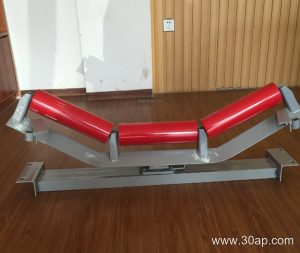
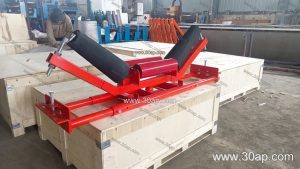
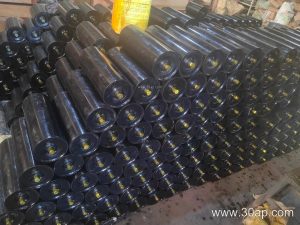
The tracking idler usually consists of a set of rollers mounted on a pivoting frame or bracket. Common designs include friction tracking idlers, conical tracking idlers, and return-side tracking idlers. The rollers may have a rubber or ceramic surface for better grip and wear resistance. The frame connects to the conveyor bracket and allows limited rotation when the belt contacts a vertical guide roller or side roller. Bearings such as 6204, 6205, 6305, 6306, 6308, and 6310 are often used, depending on load and roller diameter. Roller diameters commonly range from Ø63 to Ø219 mm, and belt widths from B400 to B2400 mm are handled by different frame sizes.
Where It Fits on the Conveyor
Automatic tracking idlers are typically installed on the carrying side, just after the tail pulley or before the drive pulley, and on the return side to control the return belt. They are not a replacement for a drive pulley, tail pulley, or bend pulley. In a stone crushing line, a self-aligning idler before the head pulley helps prevent belt misalignment caused by uneven loading. In a coal mining conveyor, return-side tracking idlers reduce belt wandering that can lead to spillage and structural contact.
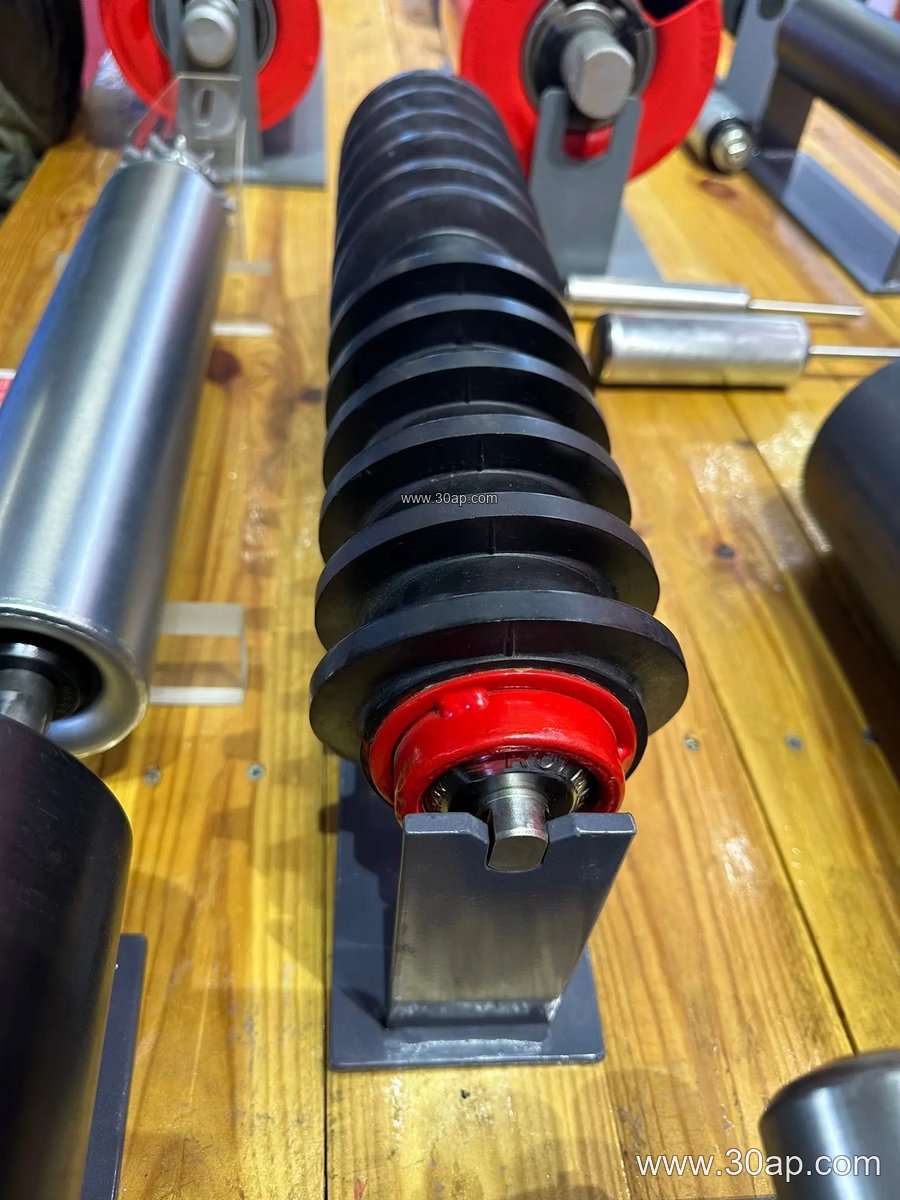
Common Configurations and Size References
Buyers will encounter several configurations. The table below shows typical examples, not fixed rules. Actual selection depends on belt width, trough angle, load, and conveyor design.
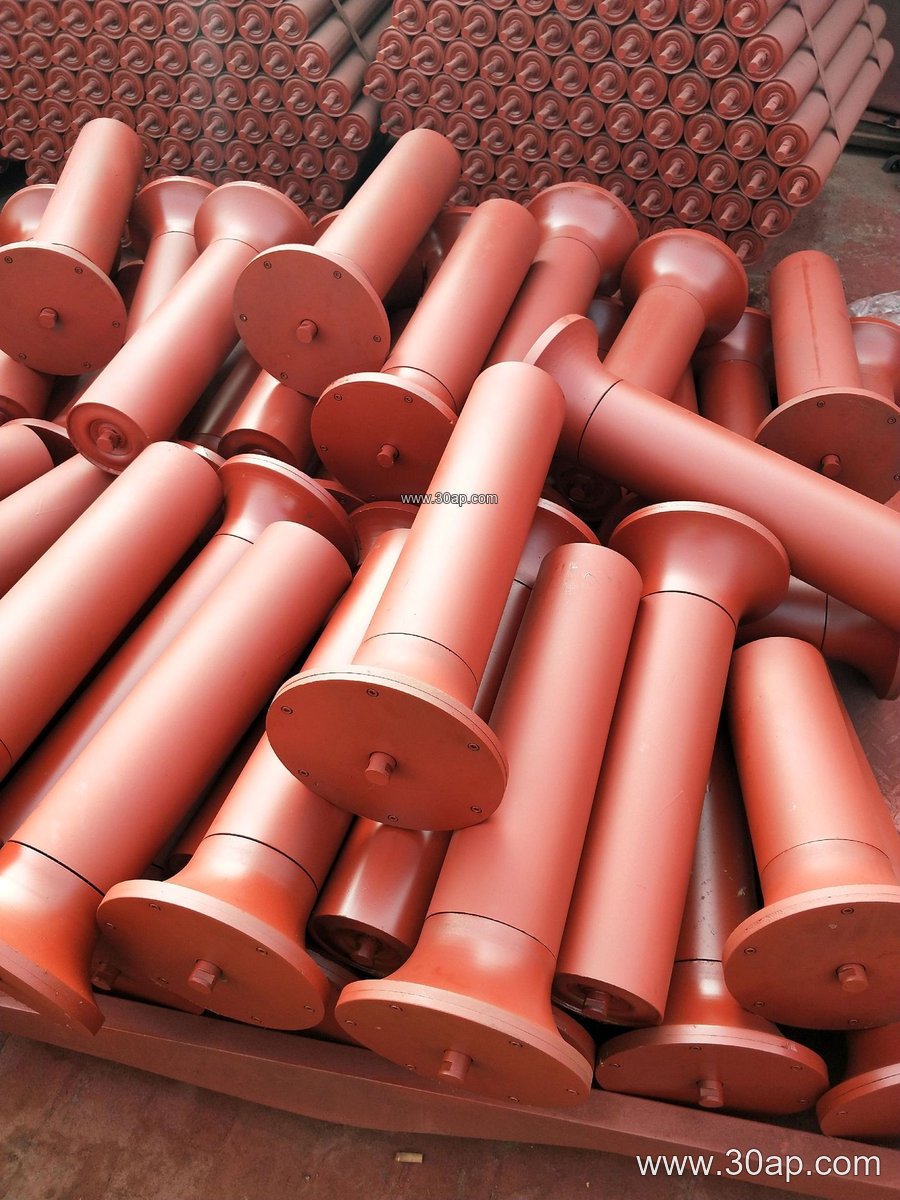
| Configuration | Typical Roller Diameter | Common Belt Width Range | Typical Bearing |
|---|---|---|---|
| Friction tracking idler (carrying) | Ø89 – Ø133 mm | B500 – B1200 | 6205, 6305, 6306 |
| Conical tracking idler (return) | Ø102 – Ø159 mm | B650 – B1400 | 6306, 6308 |
| Heavy-duty tracking idler | Ø133 – Ø194 mm | B1000 – B2000 | 6308, 6310 |
Roller length changes with belt width and trough angle. For a three-roll troughing set, common roller lengths are approximately 200 mm for B500, 250 mm for B650, 315 mm for B800, 380 mm for B1000, 465 mm for B1200, 530 mm for B1400, 600 mm for B1600, 670 mm for B1800, and 750 mm for B2000. These are examples only; side rollers and center rollers can differ. Trough angles of 20°, 30°, 35°, and 45° are common, and a forward tilt of about 1.5° to 2° may be used on tracking idlers to assist alignment.
Selection and Maintenance Notes
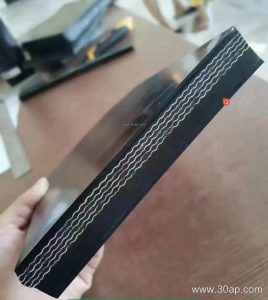
When choosing an automatic belt tracking idler, match the roller diameter and bearing to the conveyor load and belt speed. Consider the conveyor belt type: a heavy-duty mining conveyor belt or steel cord conveyor belt may require larger rollers and stronger bearings than a lightweight fabric core conveyor belt. For abrasive materials, a rubber or ceramic roller surface can extend service life. Regular inspection of the tracking idler, conveyor bracket, and pivot points helps maintain alignment. Worn bearings or seized rollers reduce tracking effectiveness and can damage the belt edge.
Buyer Checklist
- Confirm belt width (e.g., B800, B1000, B1200) and trough angle.
- Check whether the idler is for carrying or return side.
- Verify roller diameter and bearing size against load and speed.
- Ensure the frame fits the existing conveyor bracket.
- Consider material abrasiveness and choose roller surface accordingly.
An automatic belt tracking idler is a practical component for keeping conveyors aligned in mining, cement, power, and quarry operations. Proper selection and routine maintenance help protect the conveyor belt and pulley system from misalignment damage.