What a Custom Conveyor Belt Tracker Does
A custom conveyor belt tracker is a engineered belt alignment device built to suit a specific conveyor layout, belt width, and operating condition. Unlike a one-size-fits-all accessory, it is configured to match the actual frame, pulley arrangement, and material flow of a plant. In industries such as mining, coal preparation, cement, power generation, and aggregate crushing, even a small amount of belt misalignment can cause edge damage, spillage, and unplanned downtime. A properly specified tracker helps keep the belt centered on the idler roller and conveyor pulley, reducing wear on the conveyor belt and structural components.
The term is often used interchangeably with belt training idler or self-aligning idler, but a custom unit is tailored rather than selected from a catalog. It may be a carrying-side or return-side design, and it can be mechanical, hydraulic, or electric depending on the project. The goal is the same: detect or correct belt drift before it becomes a maintenance problem.
Construction and Working Principle
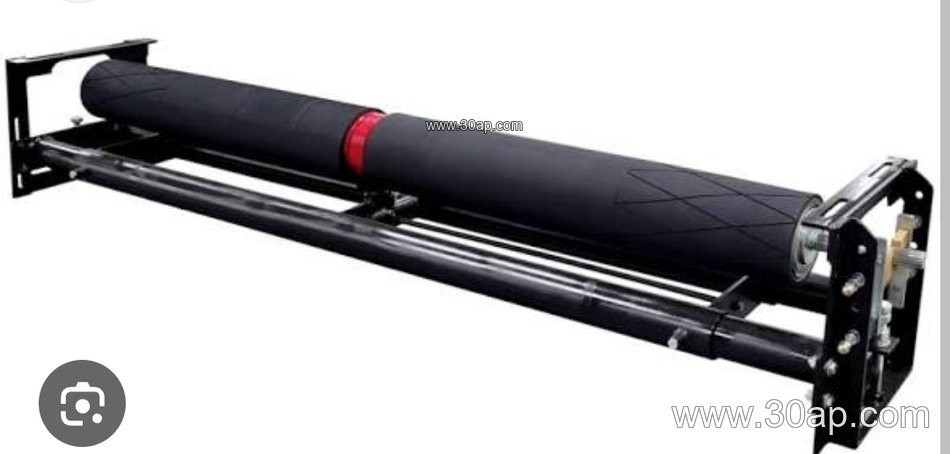
Most trackers use a pivoting frame fitted with rollers that contact the belt edge or surface. When the belt shifts sideways, the roller senses the change and the frame rotates slightly, steering the belt back toward the center. Some designs use a vertical edge roller, while others rely on a tapered roller or a linkage that amplifies small movements. The housing and brackets must be robust enough for dusty, wet, or high-impact environments.
Key components typically include:
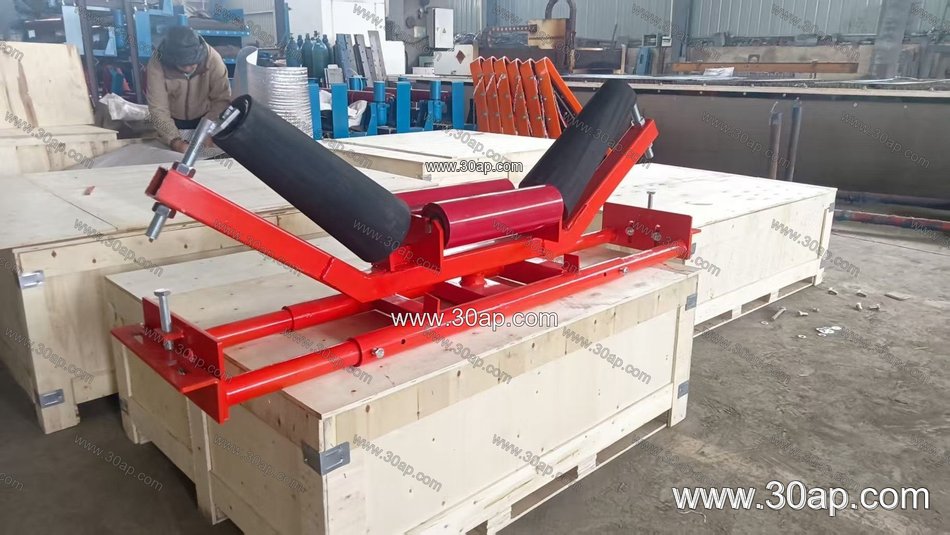
- Pivot shaft and bearing assembly for smooth rotation
- Guide rollers or edge sensing rollers
- Mounting bracket matched to the conveyor frame
- Return spring or counterweight for reset
- Optional sensors for position feedback or alarm
For a custom build, the supplier will ask for the belt width, belt speed, running direction, trough angle, and the location of the problem. A tracker on the carrying side of a 1200 mm wide EP conveyor belt is not the same as a return-side unit on a 2000 mm steel cord conveyor belt. The bracket hole pattern and shaft diameter must match the existing conveyor bracket and frame.
Where Custom Trackers Are Used
Belt misalignment is common in harsh bulk handling. In a coal mining conveyor belt system, for example, uneven loading and sticky material can push the belt off course. A custom tracker can be positioned after the loading point to correct the drift before it reaches the drive pulley. In a cement plant, heat resistant conveyor belt and abrasion resistant conveyor belt lines often run at high speeds, so a stable tracker helps protect the belt edges.
Other typical applications include:
- Quarry and aggregate conveyor belts handling rock and sand
- Power plant coal conveyor belts with variable load
- Port and ship loading conveyors with long spans
- Crusher discharge belts with impact and surge loads
- Recycling and bulk material conveyor belts with irregular feed
In each case, the tracker is not a substitute for proper installation. Pulley alignment, idler roller condition, and belt splicing quality still matter. A tracker helps manage the symptoms, but it cannot fix a badly skewed frame or a damaged conveyor pulley.
Selection Details Buyers Should Confirm
Before ordering a custom conveyor belt tracker, gather the following information. This list is a guide, not a fixed specification sheet.
- Belt width and type, such as EP conveyor belt, NN conveyor belt, or steel cord conveyor belt
- Belt speed and running direction, including reversing operation if applicable
- Mounting position: carrying side, return side, or near the tail pulley
- Conveyor frame dimensions and existing bracket spacing
- Environmental conditions: dust, moisture, temperature, and corrosion
- Available space for the tracker and its moving parts
For example, a 1000 mm wide fabric core conveyor belt on a cement plant conveyor may need a different tracker frame than a 1600 mm wide flame retardant conveyor belt in an underground coal mine. The supplier should confirm the shaft and bearing size from the actual conveyor drawing, not from the belt width alone.
Maintenance and Safe Operation
Trackers should be inspected during scheduled shutdowns. Check for worn rollers, loose brackets, and material buildup that can restrict movement. Always lock out and isolate the conveyor before touching any moving part. During operation, observe belt tracking from a safe distance and note whether the drift is constant or load-dependent. A tracker that is correctly installed will reduce edge wear and extend the service life of the conveyor belt, but it needs periodic attention like any other component.
For plant engineers sourcing a custom conveyor belt tracker, clear drawings and operating data are the best starting point. A tracker built for the actual conveyor will perform more predictably than a generic add-on.