What a Sealed Idler Actually Does
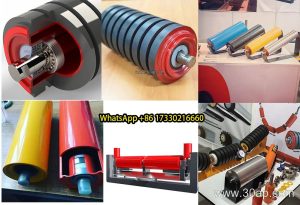
A sealed idler is a carrying or return roller whose bearing housings are closed against dust, grit and moisture before the roller ever reaches the conveyor frame. On a quarry conveyor or a coal handling line, the difference between a standard roller and a properly sealed idler roller shows up in bearing life. Fine material that reaches the bearing cavity mixes with grease, turns into an abrasive paste, and the roller seizes. A sealed design interrupts that path at the housing, using labyrinth rings, lip seals or a combination of both, often backed by a protective cap.
The seal is only one part of the story. The roller still has to match the belt width, the trough angle and the load it carries, so buyers should treat sealing as a specification item, not a label.
How the Sealing Is Built
Most sealed rollers follow a similar architecture. A steel tube forms the shell, with pressed bearing housings welded or fitted at each end. Inside sit the bearings, typically deep-groove ball bearings in sizes such as 6204, 6205, 6305, 6306, 6308 or 6310, depending on shaft and load. Outside the bearing, a multi-stage labyrinth creates a tortuous path for particles, and a rubber or plastic lip seal adds contact protection. Some designs add a grease retention chamber so that purging pushes contaminants outward rather than into the bearing.
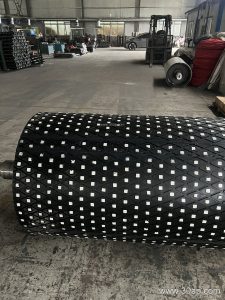
Shaft ends are usually machined flat to lock into the conveyor bracket without rotation. Shell surface may be plain steel, nylon, ceramic or rubber rings; rubber rings are common on impact zones, while ceramic is chosen where sticky material builds up. None of these surface options replaces the seal, but they work together.
Where Sealed Idlers Fit Best
Two working environments justify the extra cost most clearly. The first is a wet or wash-down duty, such as a sand and gravel plant where spray bars control dust and the conveyor belt stays damp. The second is a fine, abrasive duty, such as a cement plant clinker or limestone transfer, where dust is persistent and hard to exclude. In both cases the sealed idler protects the bearing rather than the belt, and the payoff is fewer seized rollers and less belt tracking trouble.
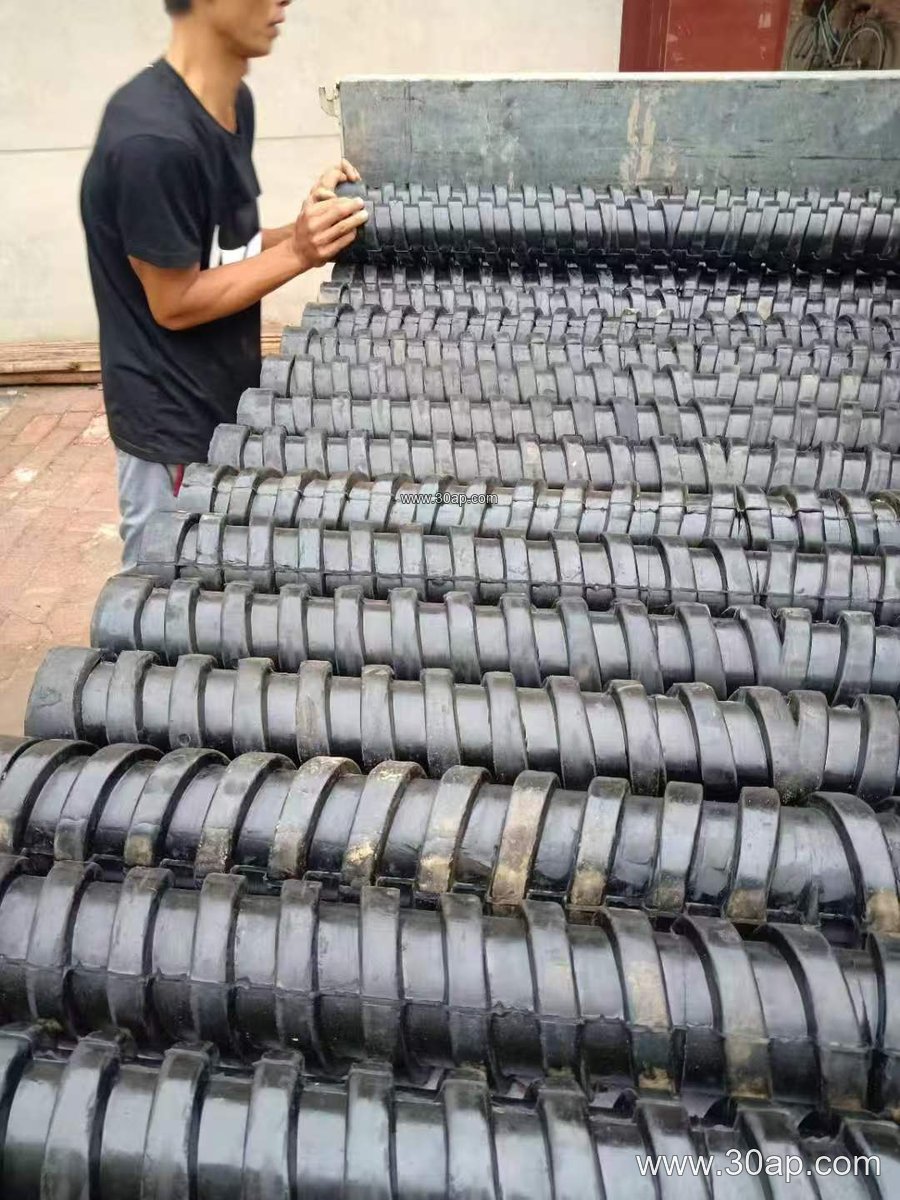
Sealing also matters on long overland runs and on inclined sections where a failed roller can cause belt damage before maintenance arrives. Where the material is coarse and heavy, a buffer or impact idler may still be needed at the loading point; a sealed idler is not a substitute for impact absorption, it is a bearing protection choice.
Trough, Return and Alignment Positions
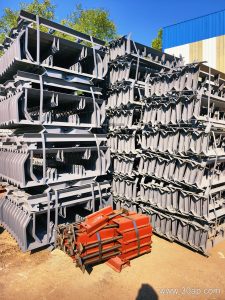
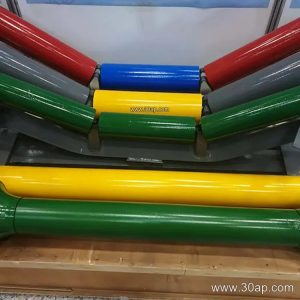
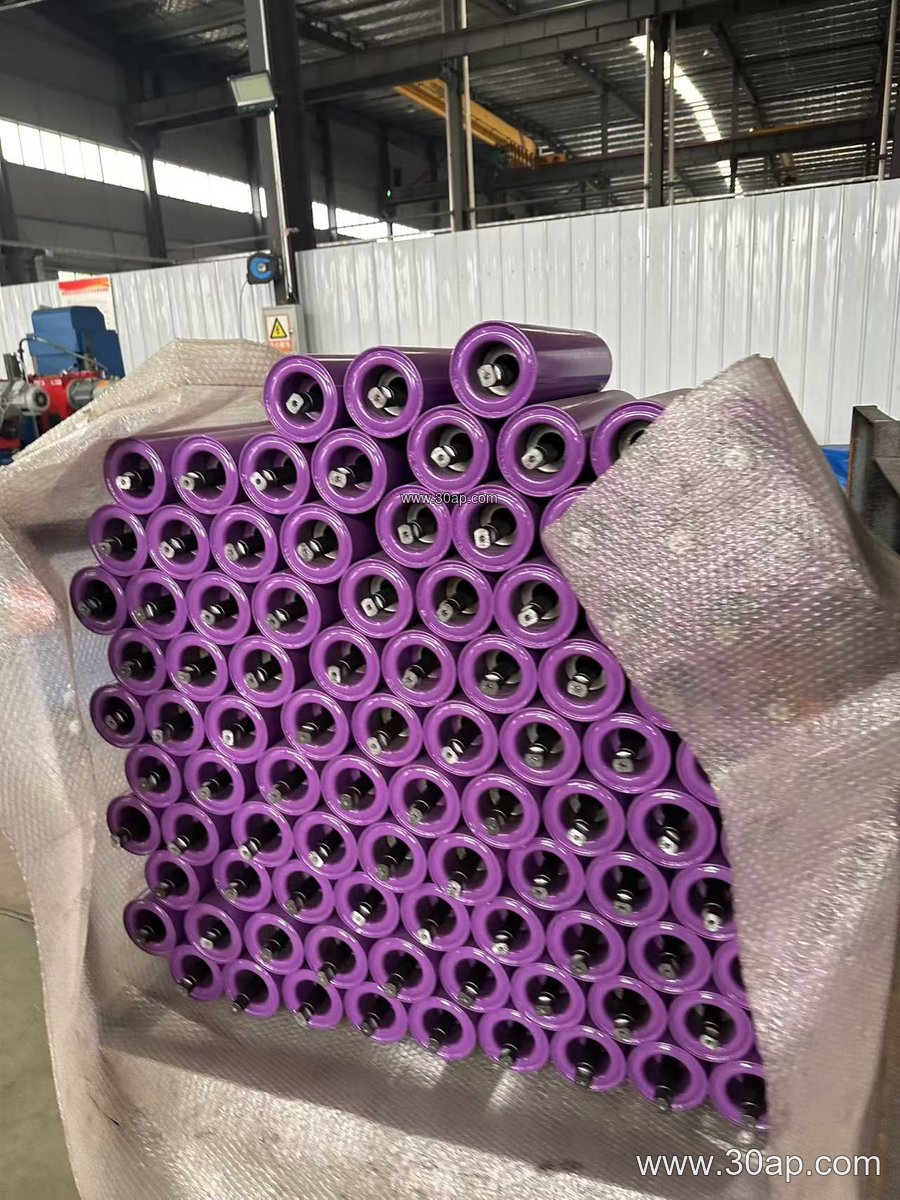
Sealed idlers are made in the same functional forms as open rollers. Troughing sets use two or three rolls at 20, 30, 35 or 45 degrees; return positions use a single flat roll or a V-return pair; alignment positions use forward-tilted or tapered rolls. A three-roll trough set on a B1000 belt commonly uses rolls around 380 mm long, but the exact roll length follows belt width, trough angle and frame design, so it should be confirmed per project rather than assumed.
Common roll diameters include Ø63, Ø76, Ø89, Ø102, Ø108, Ø127, Ø133, Ø159, Ø178, Ø194 and Ø219 mm. Smaller diameters suit light return runs, while larger diameters handle higher belt speeds and heavier loads. There is no rule that one belt width can only use one roll diameter.
Reference Data for Early Planning
The table below groups typical reference values. Treat them as starting points for discussion, not as fixed supply commitments.
- Roll diameter: Ø63 to Ø219 mm in common steps
- Belt width range: B400 to B2400
- Trough angle: 20°, 30°, 35°, 45°
- Bearing sizes: 6204, 6205, 6305, 6306, 6308, 6310
- Shell surface: steel, nylon, ceramic, rubber ring
- Seal style: labyrinth, lip seal, combined
Buyer Checklist Before Ordering
Confirm the belt width and the number of rolls per set, since a two-roll and a three-roll frame need different roll lengths. Confirm the shaft end type and the conveyor bracket dimensions so the roller seats correctly. State the environment clearly, because a wash-down area and a dry coal yard call for different seal arrangements. Ask how the bearing is lubricated and whether the seal allows relubrication without removing the roller.
Also check the belt itself. A heavy-duty mining conveyor belt running at high tension transfers more load into the idler, and a heat resistant conveyor belt in a cement kiln area may need a roller that tolerates elevated temperature at the bearing. The idler and the belt are selected together, not in isolation.
Maintenance Notes
Sealed does not mean maintenance-free. Walk the line and listen for squealing or rumbling, check for rollers that have stopped turning, and look for material buildup on the shell. A seized roller drags on the belt and can wear through the cover. Replace rollers in matched sets where possible, and keep spare seals and bearings of the same size on hand so repairs do not wait on delivery.
For related conveyor components, see the belt and roller pages at www.cndingxin.com for reference on matching dimensions and duty levels.