What an EP100 Conveyor Belt Is
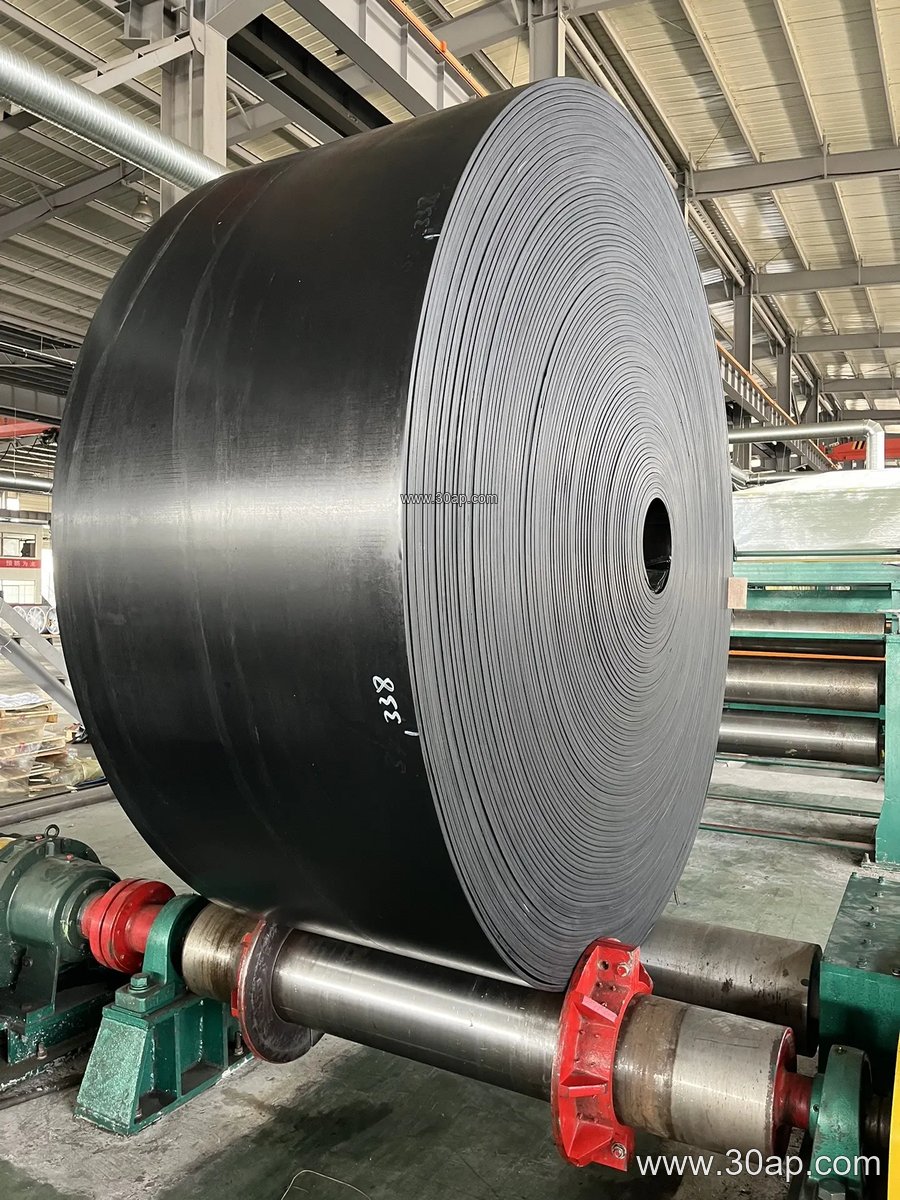
An EP100 Conveyor Belt is a fabric-core rubber belt built on polyester-polyamide (EP) plies. The number 100 refers to the nominal tensile strength of the carcass, commonly expressed in N/mm per ply. In practice, this places EP100 among the lighter general-purpose grades in the EP family, above everyday NN cotton-nylon constructions in many duty ranges but below heavier EP200, EP315 or EP400 builds used on long, high-tension lines.
Because the carcass is an EP fabric, the belt combines low elongation with good resistance to fatigue and moisture. That balance makes it a practical choice for plant conveyors, transfer points and yard systems where the belt must track well and hold its length over time. When buyers ask for an EP Rubber Conveyor Belt of modest strength, EP100 is usually the reference point they are comparing against.
Construction and Typical Specification Range
The belt is normally made up of a rubber top cover, one or more EP fabric plies, and a rubber bottom cover. Cover thickness and ply count are selected to suit the material being carried and the pulley diameters on the conveyor. The values below are common reference ranges, not fixed supply commitments; actual construction is confirmed per design and per manufacturer.
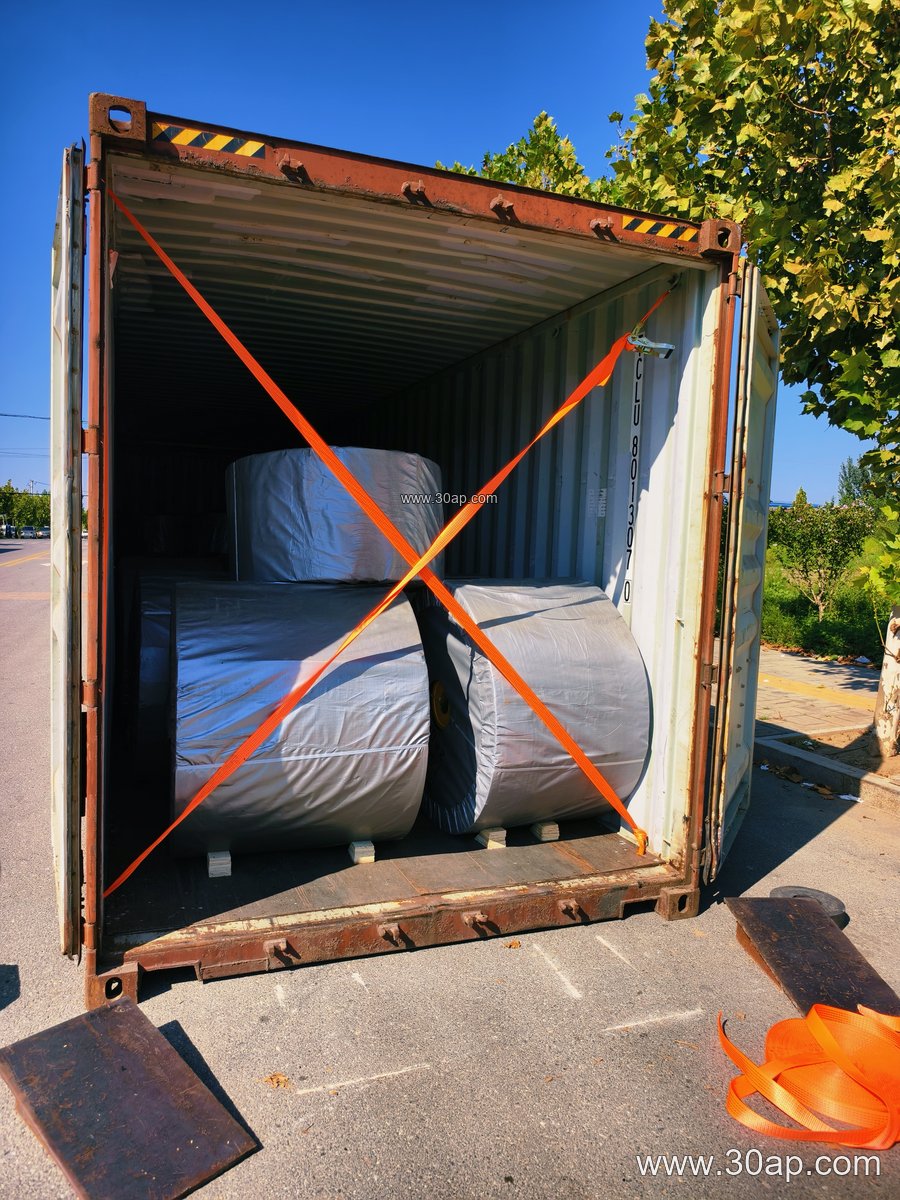
- Carcass: EP fabric plies, usually 2 to 6 layers depending on strength requirement
- Cover grades: abrasion resistant, flame retardant, heat resistant, oil resistant, anti-static
- Top and bottom cover combinations often quoted as 3+1.5, 4+2, 5+2, 6+2 or 8+3 mm
- Belt widths commonly discussed from B500 up to B2000, with B650, B800, B1000 and B1200 among the most requested
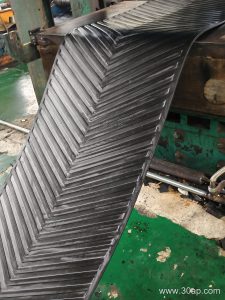
Surface forms can also vary. Plain surfaces suit general bulk handling, while a Chevron Conveyor Belt profile helps on inclines, and a Corrugated Sidewall Conveyor Belt is chosen where material must be contained on steep or space-limited routes. These are different constructions, not substitutes for the standard EP100 belt.
Where the Grade Fits in Real Plants
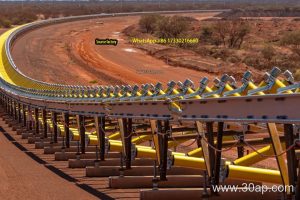
EP100 belts appear across many industries because their strength band covers a large share of medium-duty conveying tasks. In a cement plant they may run on clinker or raw meal transfer conveyors; in a power plant they handle coal and ash; in a quarry or sand making plant they move crushed stone and aggregate. A stone crushing line often uses them as short link belts between screens and stockpiles, while a bulk material terminal may apply them on yard conveyors where tension demand stays moderate.
Environmental conditions decide the cover compound more than the strength grade does. A Heat Resistant Conveyor Belt cover is needed near hot clinker or sinter, a Flame Retardant Conveyor Belt cover is typical in coal handling and underground coal mining, and an Oil Resistant Conveyor Belt cover suits recycled material or oily scrap. Cold resistant and anti-static versions are also available for specific climates and hazardous areas.
Buyer Checklist Before Ordering
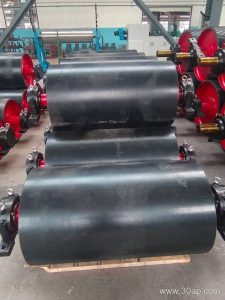
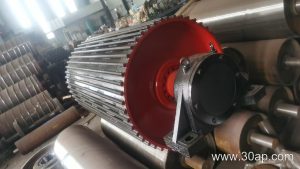
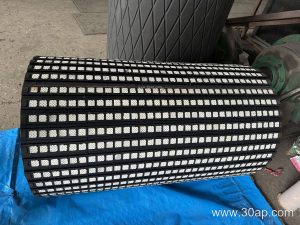
A correct order starts with the duty data, not the belt name alone. Buyers should confirm the material type, lump size, tonnage per hour, trough angle and the pulley arrangement, including drive, tail and bend pulleys. Those pulleys are separate components with different roles and are not interchangeable; belt width does not by itself fix a pulley diameter, and shaft sizing must come from the conveyor designer.
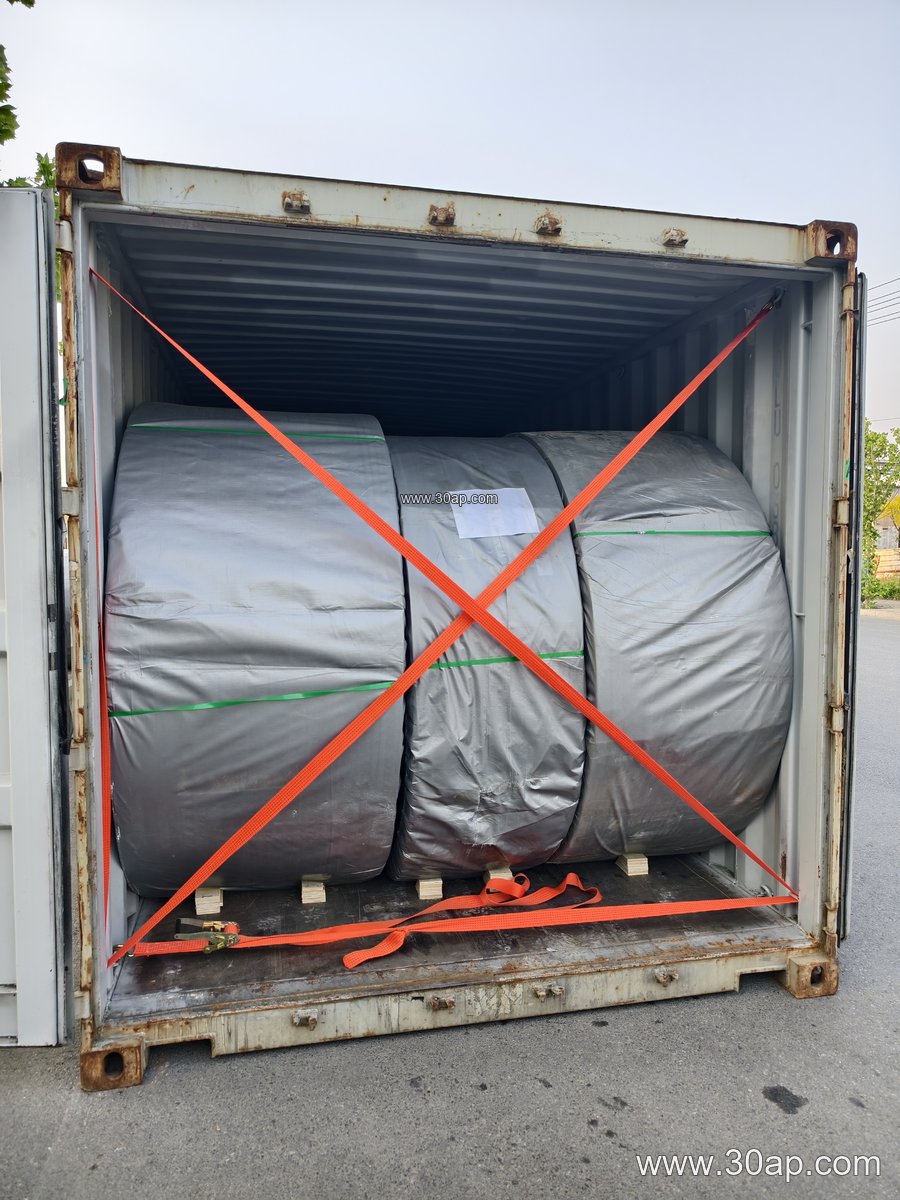
Useful information to prepare includes:
- Required belt width and carcass strength, for example an EP100 belt in B800 or B1000
- Cover thickness and grade for abrasion, heat, oil or flame exposure
- Number of plies and preferred splice method, endless or mechanical
- Conveyor layout, including incline and any need for a chevron or sidewall profile
- Ambient temperature and any anti-static requirement
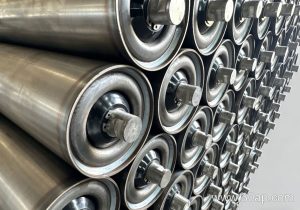
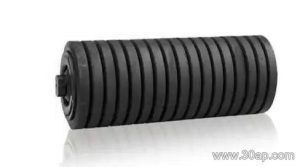
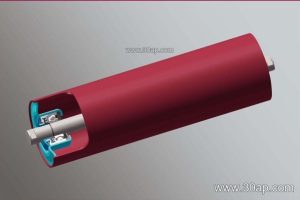
It also helps to review the supporting hardware. Worn idler rollers increase belt wear, and a misaligned conveyor pulley or loose conveyor bracket can cause edge damage long before the carcass is worn out. Matching belt grade to the whole conveyor, rather than to the belt alone, gives the longest service life.
Maintenance Notes
Inspect covers for cuts, gouges and edge fraying, and check splices at regular intervals. Keep the belt centered, maintain pulley lagging and replace damaged idlers promptly. Store spare belts flat and away from direct sunlight and ozone sources. For a plant comparing EP100 with an NN Conveyor Belt or a heavier Steel Cord Conveyor Belt, the decision should follow calculated tension, take-up travel and pulley geometry rather than habit.