What an EP500 Conveyor Belt Is
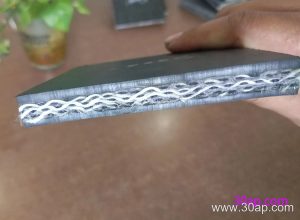
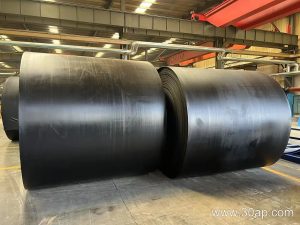
An EP500 conveyor belt is a fabric-core rubber belt built around polyester-polyamide (EP) warp and weft cords. The number 500 refers to the nominal tensile strength of the carcass, commonly expressed as 500 N/mm per ply. In practical terms, this places the belt in the mid-to-high strength range of fabric belts, above lighter EP200 and EP315 constructions but below very heavy EP1000 or EP1250 builds. It is a workhorse choice for EP Conveyor Belt users who need more load capacity than a light belt can offer, yet do not want the stiffness and splice demands of a steel cord carcass.
Because the EP carcass stretches less than a cotton or ordinary nylon weave, an EP500 belt tends to hold tension well on long runs. That characteristic matters on inclined haulage and on conveyors that start under load, where elongation control keeps the belt tracking and reduces take-up travel.
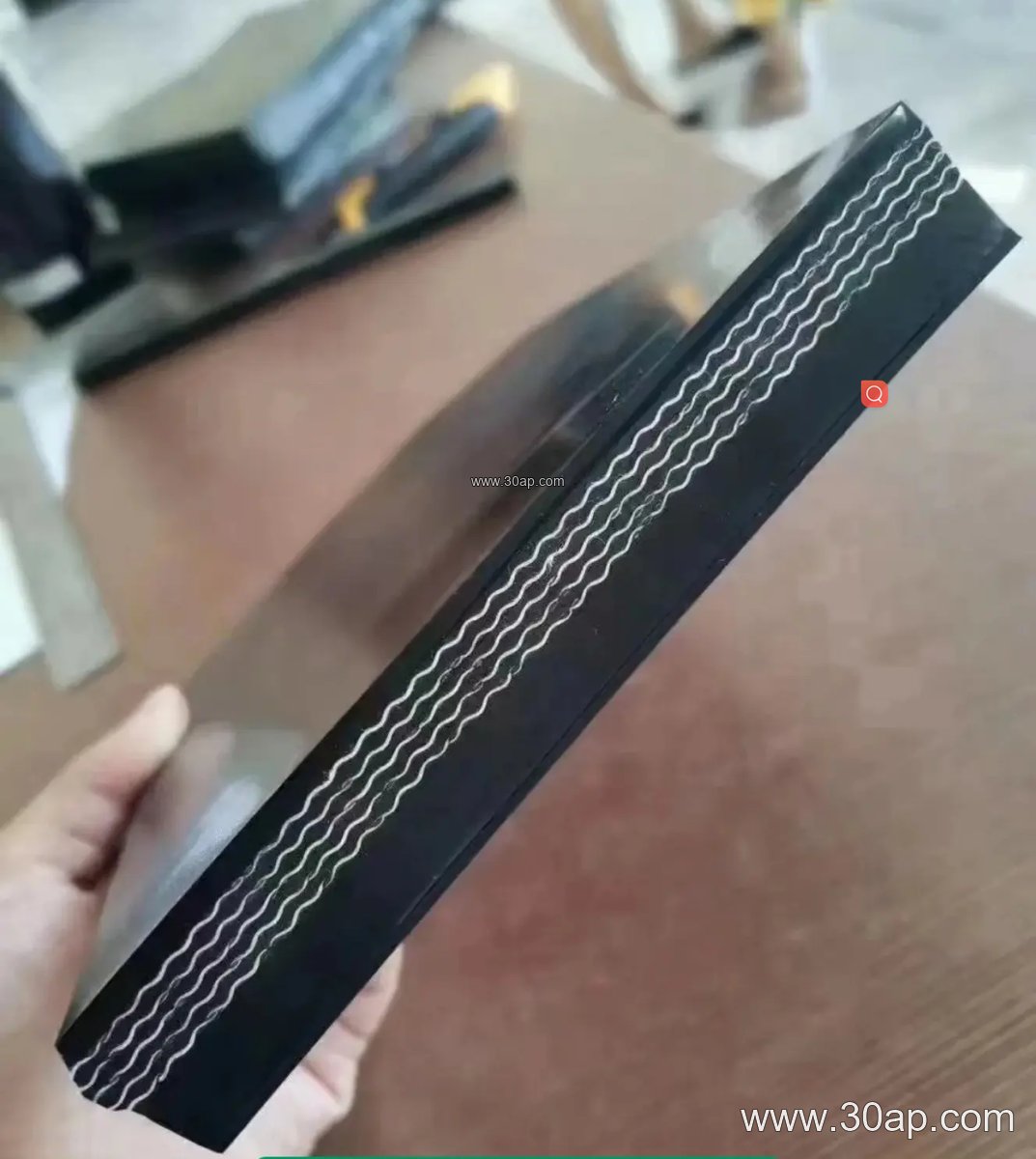
Construction and Typical Build
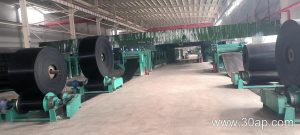
The belt is usually assembled from two to six EP plies, bonded with a rubber skim between layers, then finished with top and bottom cover rubber. Cover thickness is selected for the duty: common combinations include 4+2 mm, 5+2 mm, 6+2 mm and 8+3 mm. The covers can be formulated for abrasion resistance, heat, oil, flame retardancy or anti-static service, and the edge can be cut square or moulded.
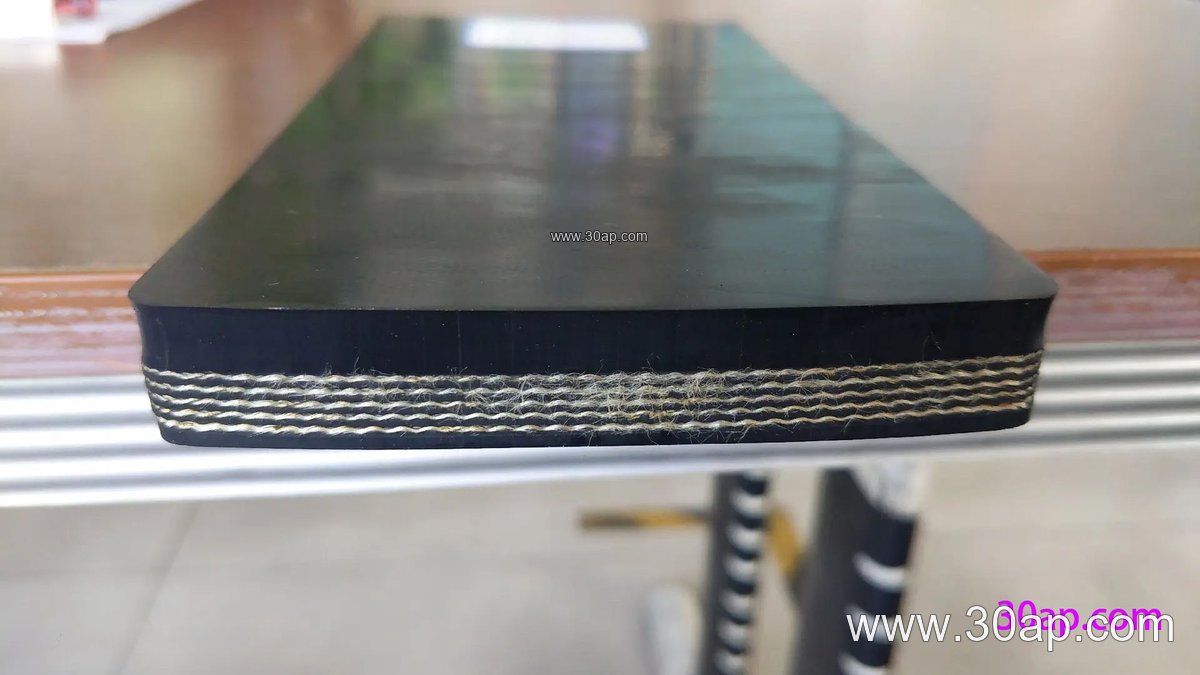
Typical reference data for this strength class is summarized below. Values vary by manufacturer and should be confirmed against the actual datasheet rather than treated as fixed supply promises.
- Nominal strength grade: EP500 (about 500 N/mm per ply)
- Carcass plies: usually 2 to 6, depending on belt width and load
- Common widths: B650, B800, B1000, B1200, B1400, B1600
- Cover combinations: 3+1.5, 4+2, 5+2, 6+2, 8+3 mm
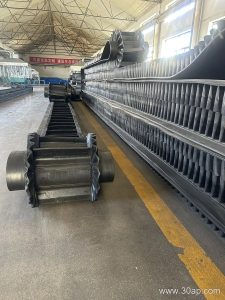
- Surface options: smooth, patterned, or with corrugated sidewalls
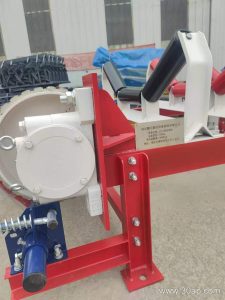
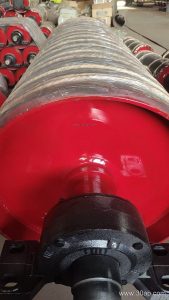
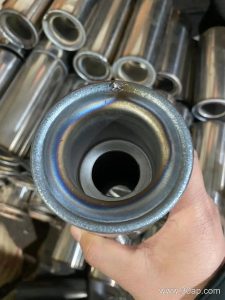
A buyer should note that belt width and pulley diameter are matched by conveyor design, not by a single fixed rule. A 1000 mm wide EP500 belt may run on different pulley sizes in two different plants, because the drive pulley, tail pulley and bend pulleys are sized from torque, wrap angle, belt stiffness and space. Drive, tail and bend pulleys are distinct components and are not interchangeable.
Where It Fits in the Plant
The EP500 grade suits primary and secondary haulage in Mining Conveyor Belt duty, quarry and aggregate lines, cement plants, power stations, steel works and port loading systems. It handles crushed rock, ore, clinker, limestone, coal and similar bulk materials where impact is moderate and the conveyor profile is long enough to reward low stretch.
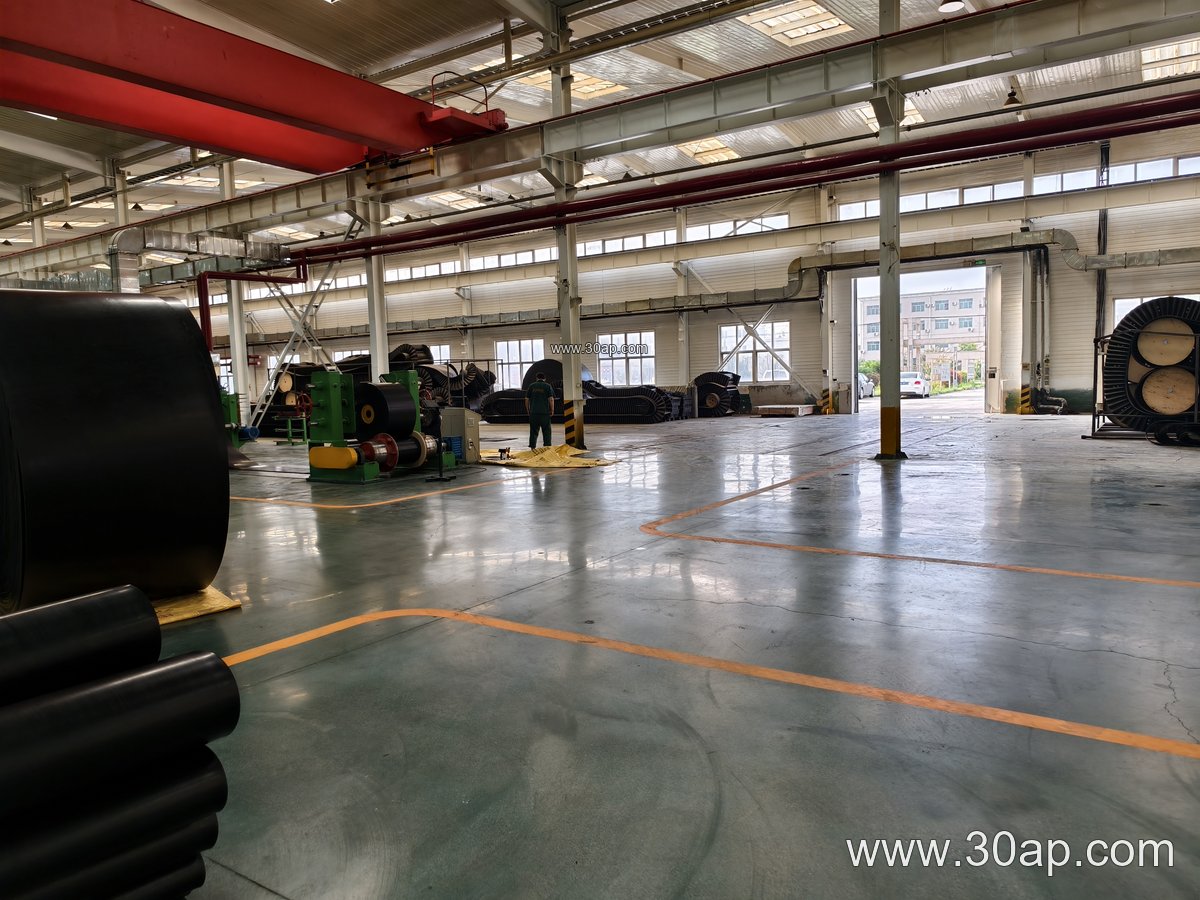
In a sand and gravel yard it often feeds a crusher discharge belt; in a cement plant it may carry raw meal or clinker; in a coal handling system a flame retardant version is normally specified. For very abrasive iron ore or copper ore duty, a high abrasion resistant cover grade is worth considering. Where the belt must run through tight, confined galleries, a pipe or corrugated sidewall design can be compared, but these are different belt types rather than substitutes for a flat EP500 carcass.
Selection Points for Buyers
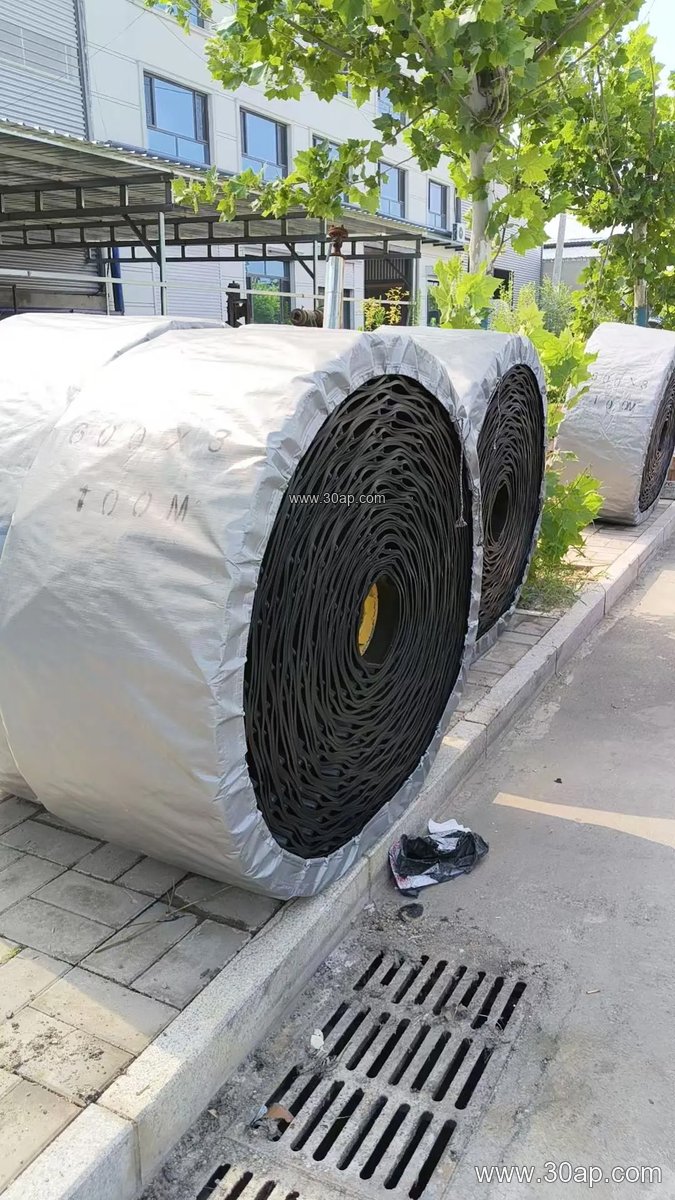
Start with the duty: material, lump size, throughput, incline, ambient temperature and any fire or oil exposure. Then confirm the required tensile grade with the conveyor designer. An EP500 belt may be adequate on a medium-length inclined conveyor, while a longer or higher-lift route might call for EP630 or a steel cord construction.
Check how the belt will be joined. Vulcanized splices generally give the smoothest running and highest joint efficiency; mechanical fasteners suit shorter, lower-tension lines. Also verify the pulley faces, idler roller spacing and conveyor bracket condition, since poor support shortens cover life regardless of carcass strength.
- Confirm cover grade against abrasion, heat or oil exposure
- Match ply count and cover thickness to load and impact
- Review take-up travel and splice method for the EP carcass
- Inspect pulley lagging and alignment before installation
- Store belts flat, away from ozone and direct sunlight
Finally, ask for the manufacturer’s tension rating, elongation and cover hardness data. Those figures, rather than the grade number alone, determine whether a given Fabric Core Conveyor Belt will deliver the service life expected in a mine, cement kiln line or power plant coal yard.