What a Head Bend Pulley Does
A head bend pulley is a direction-changing pulley mounted near the head of a conveyor, where it guides the returning belt into the drive or take-up area without acting as the main drive itself. In many layouts it sits close to the head pulley and helps the belt wrap correctly around the drive drum. Because it changes belt direction rather than transmitting the main driving torque, it belongs to the bend or deflection family, not to the drive or tail group. Those three are separate functions and are not interchangeable on a conveyor.
Typical duty is modest compared with a drive pulley, but the position is sensitive. Any misalignment here shows up quickly as belt wander, edge wear or spillage at the transfer point. In a quarry, a cement plant or a power plant coal yard, a well-chosen bend pulley keeps the belt path clean and reduces the load on the conveyor bracket and frame.
Construction and Surface Options
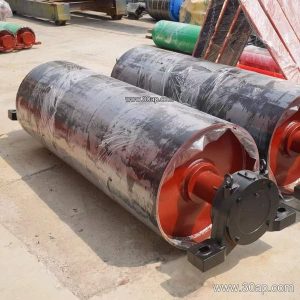
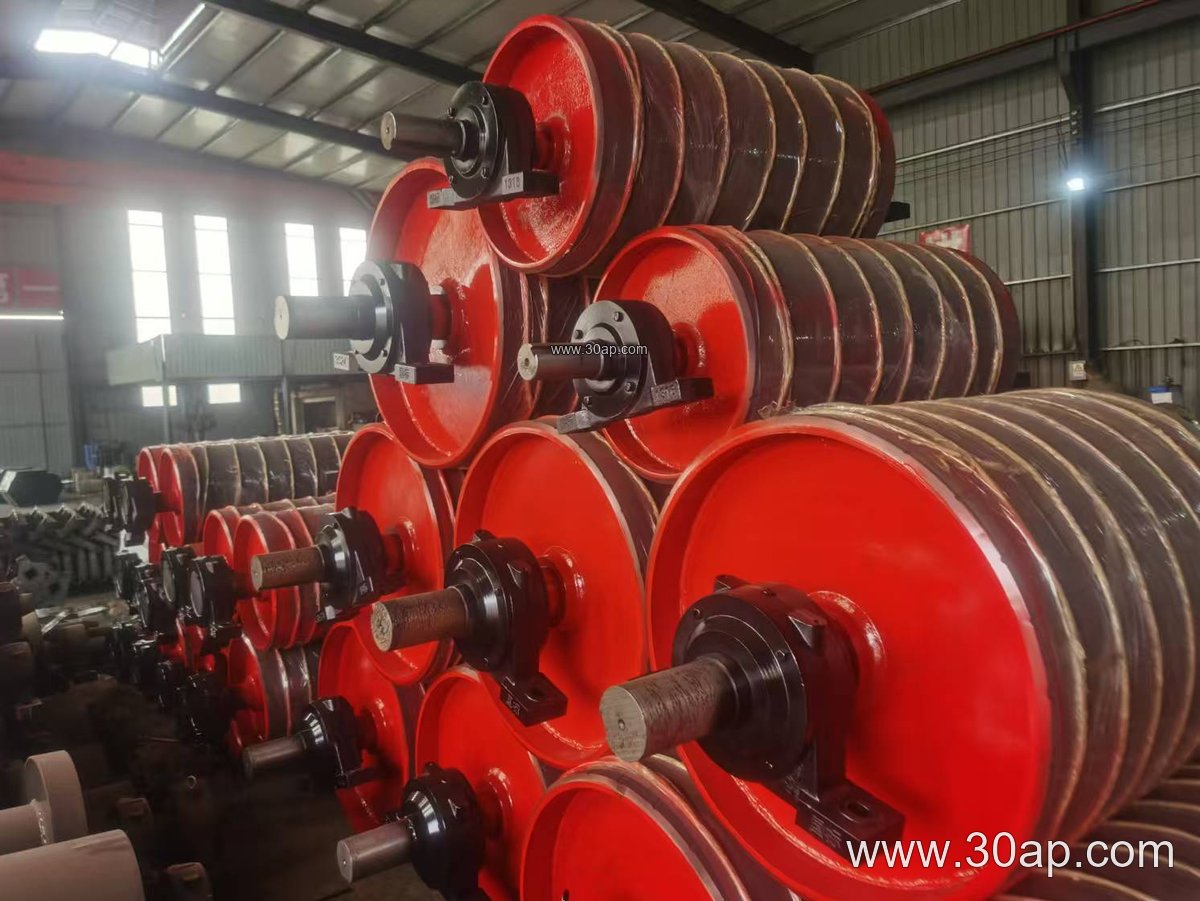
The body is usually a welded steel shell with machined end discs, fitted with a shaft, bearing housings and a suitable bearing arrangement. Shell diameter and face width follow the belt width and the required bending radius, while shaft diameter is set by torque and radial load, not by belt width alone. Common face widths run slightly wider than the belt, for example about 750 mm for B650 and about 1150 mm for B1000.
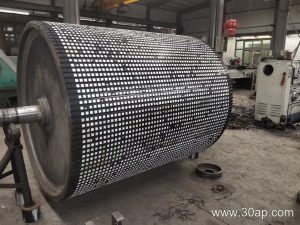
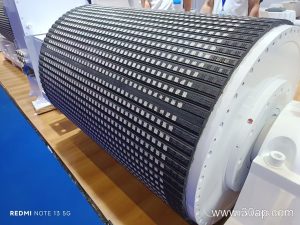
Surface finish depends on the job. Plain finish suits clean, dry running. Rubber lagging, applied by cold bonding or hot vulcanizing, improves grip and protects the shell. Diamond or herringbone grooving helps water drainage on wet lines, while ceramic lagging is chosen where abrasive dust is heavy. Lagging thickness is often 8, 10, 12, 15 or 20 mm according to the duty.
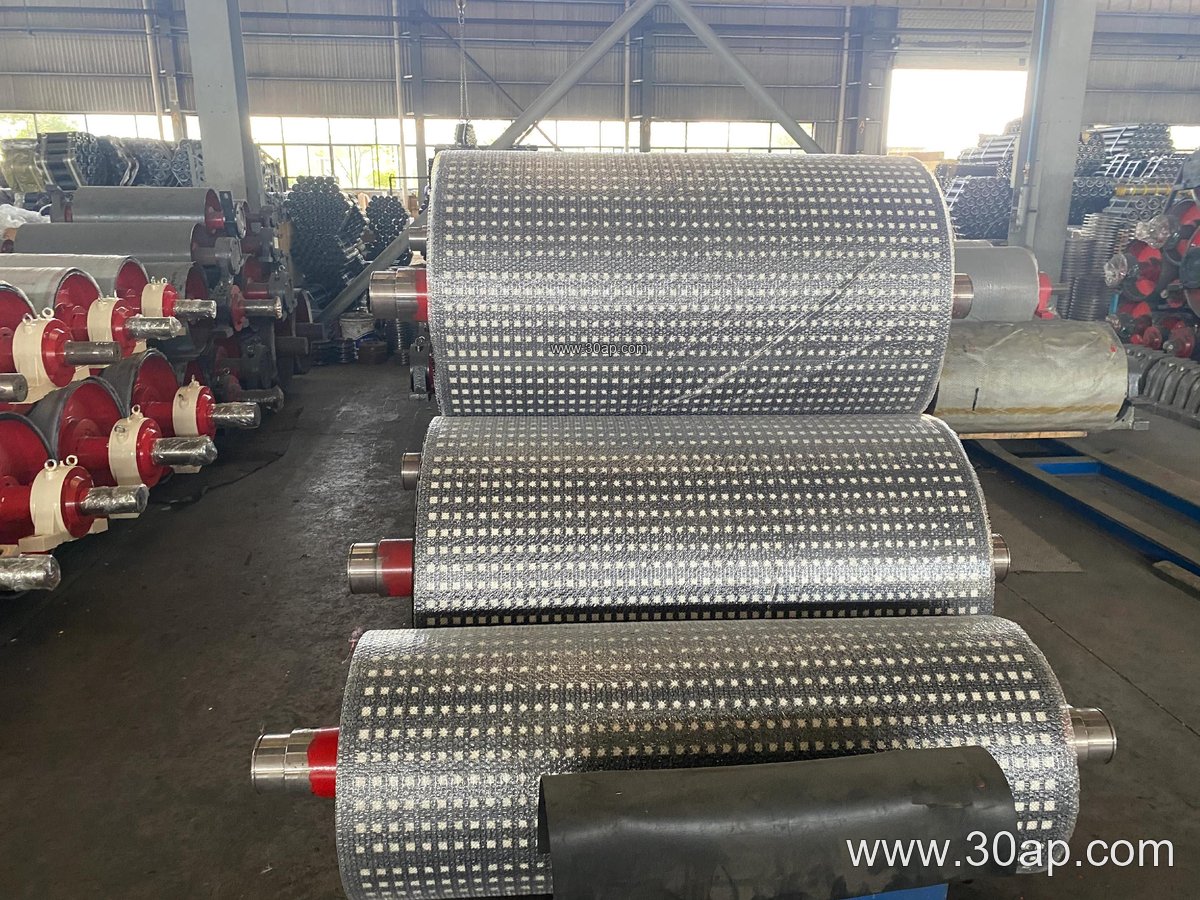
- Shell: welded steel, machined for balance
- Shaft: sized by torque and load, common ranges from Ø50 to Ø200
- Bearings: grease or oil lubricated, protected by seals
- Lagging: plain, rubber, diamond, herringbone or ceramic
Where It Fits in a Conveyor
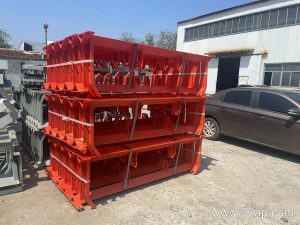
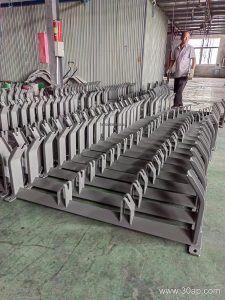
Besides the head area, similar bend pulleys are found at take-up and transition points, but the head position has its own geometry. On a long overland line or a ship loading boom, the pulley may be combined with a conveyor pulley frame that also carries the drive. In an underground coal mining conveyor, space is tight, so a compact bend pulley with a well-protected bearing housing is easier to maintain.
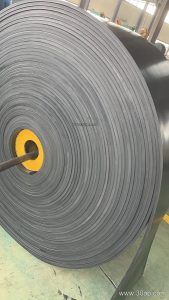
Belt selection matters here too. A heavy steel cord conveyor belt needs a larger bending radius than a thin fabric core belt, and a stiff EP conveyor belt or NN conveyor belt may call for a larger shell diameter to avoid ply stress. Where the belt carries hot clinker or sinter, a heat resistant conveyor belt is used, and the pulley should be positioned so radiant heat does not cook the lagging.
Sizing Notes for Buyers
There is no single rule that ties one belt width to one pulley diameter. Common combinations such as B800 × Ø500 or B1200 × Ø1000 are starting references, not fixed matches. The final diameter should consider belt thickness, minimum bend radius, wrap angle and available space. The table below gives typical reference data only.
| Belt width | Typical pulley face width | Reference shell diameter |
|---|---|---|
| B650 | about 750 mm | Ø315 to Ø500 |
| B800 | about 950 mm | Ø400 to Ø630 |
| B1000 | about 1150 mm | Ø500 to Ø800 |
| B1200 | about 1400 mm | Ø630 to Ø1000 |
| B1400 | about 1600 mm | Ø800 to Ø1250 |
Ask for the shaft diameter to be confirmed by calculation. A Ø100 shaft on one B1000 conveyor may be perfectly adequate, while another with a longer span or higher tension needs more. The same applies to bearing size and lagging grade.
Maintenance and Selection Tips
Check alignment at installation, keep the lagging clean, and inspect bearings for temperature rise. On abrasive duty such as iron ore or copper ore handling, ceramic lagging and sealed bearings last longer. On food or chemical lines, choose a grade that matches the environment, and remember that a flame retardant conveyor belt or anti-static belt may require earthing of the pulley frame.
When ordering, specify belt width, belt type, wrap angle, load, ambient conditions and whether the pulley is at the head, take-up or transition. Mentioning the conveyor bracket and idler roller layout helps the supplier confirm clearances. For a reliable head bend pulley, match the pulley to the belt, not the other way around.