What a Belt Tracking Idler Does
A belt tracking idler is a self-correcting carrying or return roller arrangement that nudges a drifting conveyor belt back toward the center line of the structure. Instead of relying only on pulley alignment, it uses angled rollers, tapered end rolls, or a pivoting frame so that any sideways movement of the belt produces a small restoring force. In a quarry or a sand and aggregate line, this kind of roller is often the cheapest way to stop edge damage before it becomes a belt replacement job.
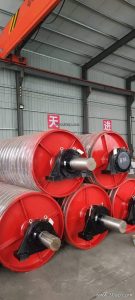
The same component is also called a self-aligning idler or training idler. Those names describe the same product. A belt tracking idler is not a drive pulley, not a tail pulley, and not a bend pulley; those are conveyor pulleys that transmit power or change belt direction. The tracking idler only guides. Its work becomes visible on a 1200mm wide conveyor belt carrying crushed stone, where a few millimeters of wander at each cycle can slowly wear the edge.
Construction and Common Forms
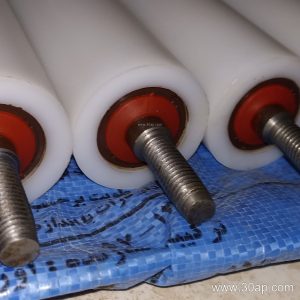
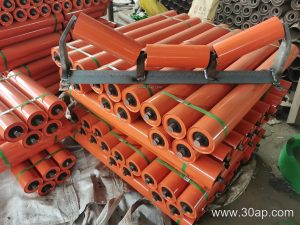
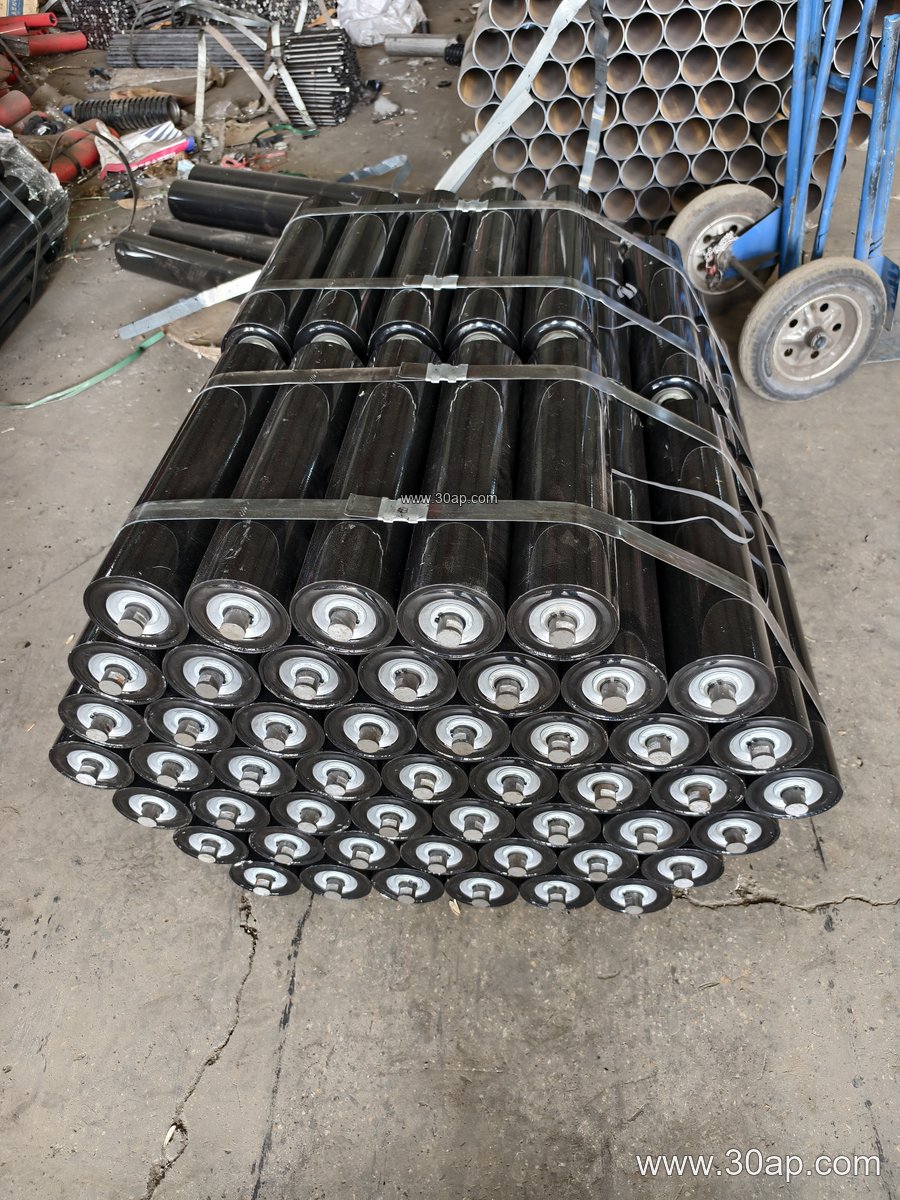
Most units combine a steel frame with two or three rollers. The roller shell is usually steel tube, and the surface may be plain, covered with a rubber ring for grip, or fitted with a nylon or ceramic sleeve in abrasive service. Bearings such as 6204, 6205, 6305 or 6308 appear across many sizes, matched to the load and shaft design rather than to one fixed roll diameter.
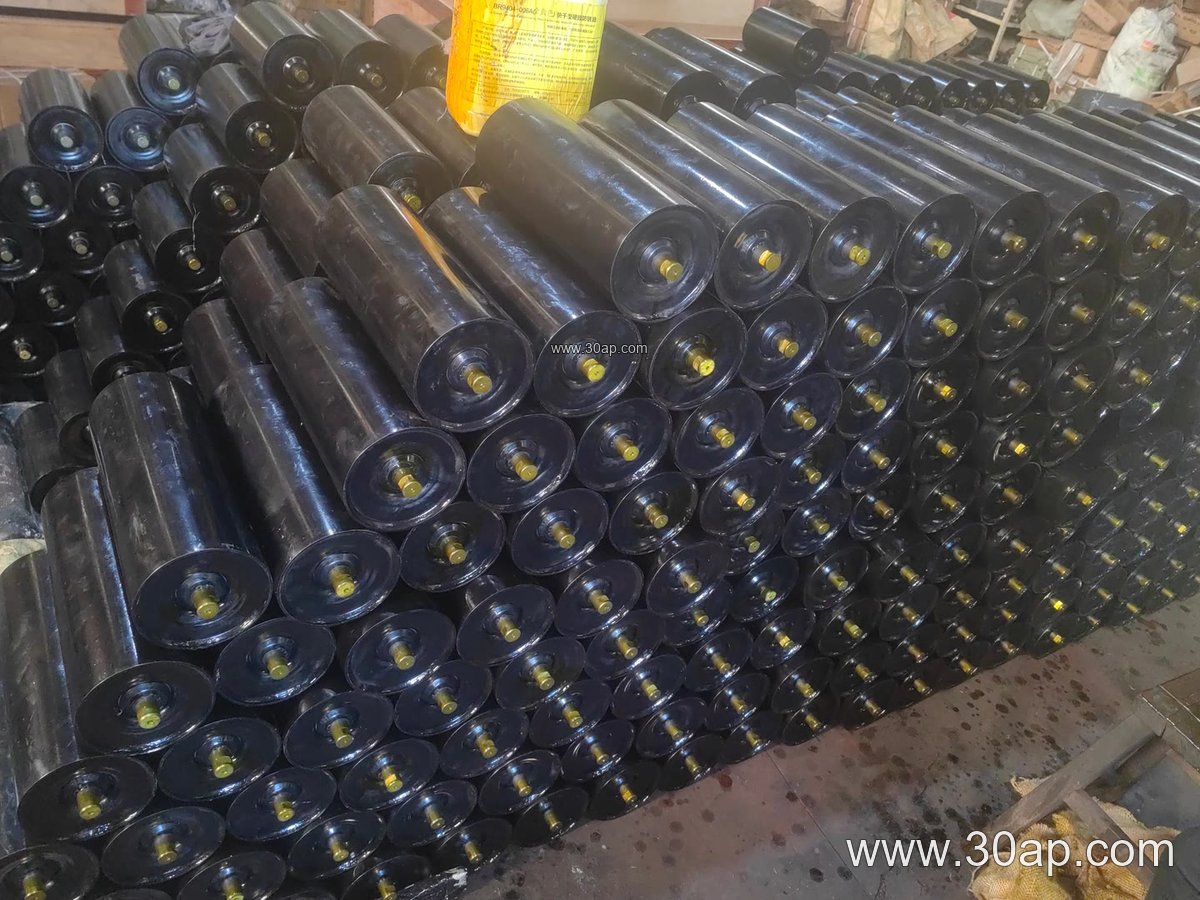
Tracking idlers appear in several working shapes:
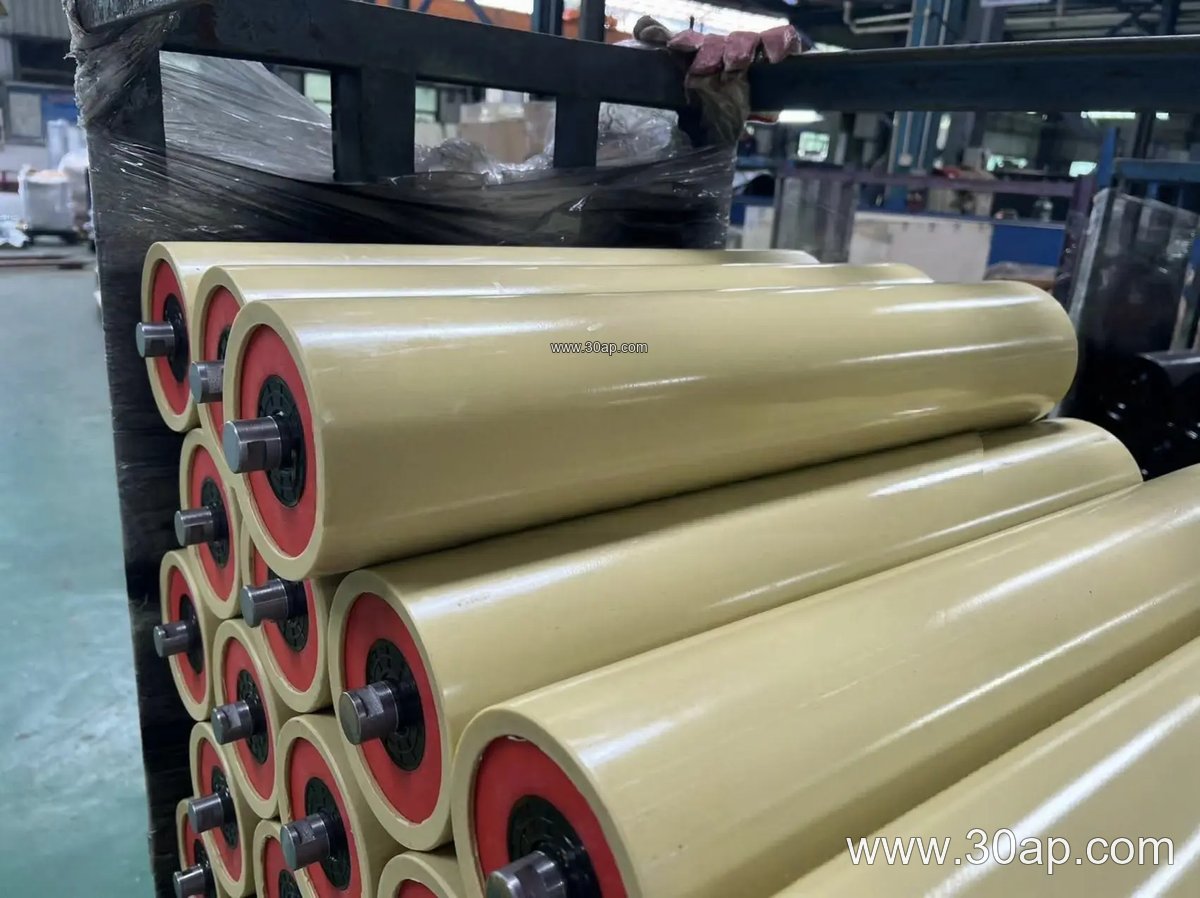
- Friction tracking idlers, which use contact with the belt to swing the frame.
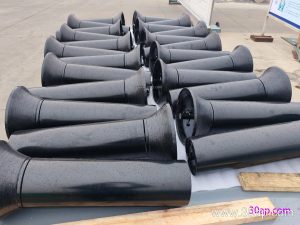
- Tapered tracking idlers, with cone-shaped ends that steer the belt inward.
- V-return tracking sets, commonly used on the return strand to correct misalignment under the belt.
These are subtypes of the same guiding function. A three-roll troughing set, a transition idler, or an impact idler does a different job and should not be treated as a substitute.
Sizes and Fit With the Belt
Roll diameter and belt width are selected together with the conveyor layout. Common roll diameters include Ø89, Ø108, Ø127, Ø133, Ø159 and Ø194, while belt widths run from B500 through B2000 and beyond. A 650mm conveyor belt and a 1800mm conveyor belt will not use the same frame, shaft or roll length. The table below shows typical reference values, not fixed pairings.
| Belt width | Typical roll diameter range | Typical three-roll troughing roll length | Common trough angle |
|---|---|---|---|
| B500 | Ø89 to Ø108 | about 200 mm | 20 to 35 degrees |
| B650 | Ø89 to Ø127 | about 250 mm | 20 to 35 degrees |
| B800 | Ø108 to Ø133 | about 315 mm | 30 to 35 degrees |
| B1000 | Ø108 to Ø159 | about 380 mm | 30 to 35 degrees |
| B1200 | Ø127 to Ø159 | about 465 mm | 30 to 45 degrees |
| B1400 | Ø133 to Ø178 | about 530 mm | 30 to 45 degrees |
| B1600 | Ø133 to Ø194 | about 600 mm | 30 to 45 degrees |
| B1800 | Ø159 to Ø194 | about 670 mm | 35 to 45 degrees |
Forward tilt of about 1.5 to 2 degrees is often used on tracking sets to help centering. The final choice depends on belt speed, load, and the pulley and bracket arrangement, so the values above should be confirmed by design.
Where It Earns Its Place
Tracking idlers are common at transfer points where a belt is loaded off-center. In a coal washing plant, a cement plant, or a power plant coal yard, a short misaligned section can throw a flame retardant conveyor belt or an abrasion resistant conveyor belt against the frame within days. Fitting a tracking set near the tail and before the head keeps the belt on the pulleys and reduces edge wear.
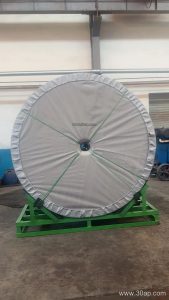
They also help on long overland runs in iron ore or copper ore handling, where a steel cord conveyor belt is stiff and slow to correct itself. On lighter fabric constructions such as an EP conveyor belt or NN conveyor belt, the same roller works, but the frame response should match the belt stiffness.
Buyer Checklist
- Confirm belt width, trough angle, and whether the unit is for the carrying or return side.
- Match roll diameter to the existing idler roller series so the belt line stays level.
- Check shaft and bracket dimensions against the conveyor bracket already installed.
- Choose the roller surface for the duty: rubber ring for grip, ceramic or nylon for abrasive fines.
- Ask how the frame pivots and whether it can be locked during maintenance.
- Keep spare bearings and seals for the sizes actually used on site.
A belt tracking idler is a small part of the conveyor, but it protects the belt, the pulleys and the structure. For more on rollers, pulleys and belts for mining, quarry and bulk material duty, see jsconveyor.com.