What a Custom Conveyor Bracket Really Does
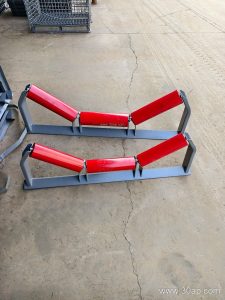
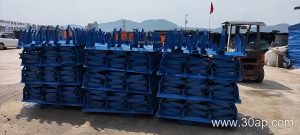
A custom conveyor bracket is the fabricated support that positions and secures idler rollers along a conveyor frame. Unlike a one-size-fits-all catalog part, it is engineered around a specific belt width, trough angle, roller diameter, and loading condition. In a quarry or a cement plant, the bracket often determines how well the belt tracks, how long the rollers last, and how quickly maintenance can be completed. The same component is sometimes called a made-to-order idler support bracket, and that alternative name refers to the identical product.
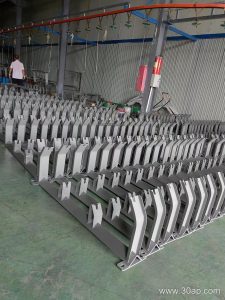
Because every conveyor line has its own geometry, the bracket is rarely a simple piece of angle iron. It may be a welded assembly, a folded steel plate, or a bolted adjustable unit. The goal is always the same: hold the idler roller in the correct position so the conveyor belt runs smoothly under load.
Construction and Mounting Positions
Most brackets are built from angle steel, channel steel, or bent steel plate. The material thickness and weld pattern follow the load case, not a single universal rule. A heavy-duty mining conveyor bracket may use thicker channel sections, while a smaller aggregate line can use lighter folded plate.
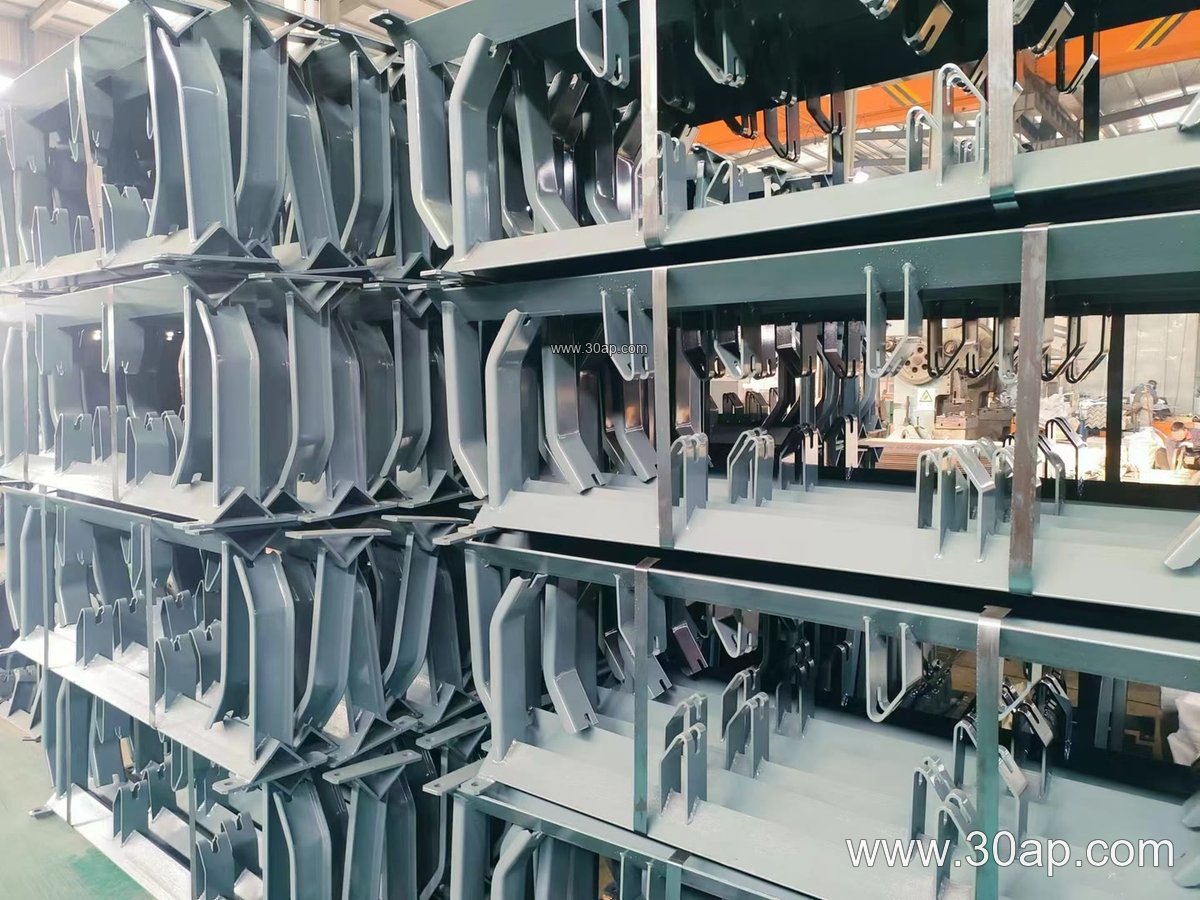
Mounting position defines the type. Troughing brackets carry the upper carrying idlers and set the trough angle. Return brackets support the lower run, and V-return brackets help center the belt on the return side. Transition brackets guide the belt from a flat pulley area into a troughed section. Impact brackets sit under loading points to absorb shock, and self-aligning brackets correct minor misalignment. Adjustable brackets allow the trough angle to be changed on site, which is useful when a line handles more than one material or when fine tuning is needed.
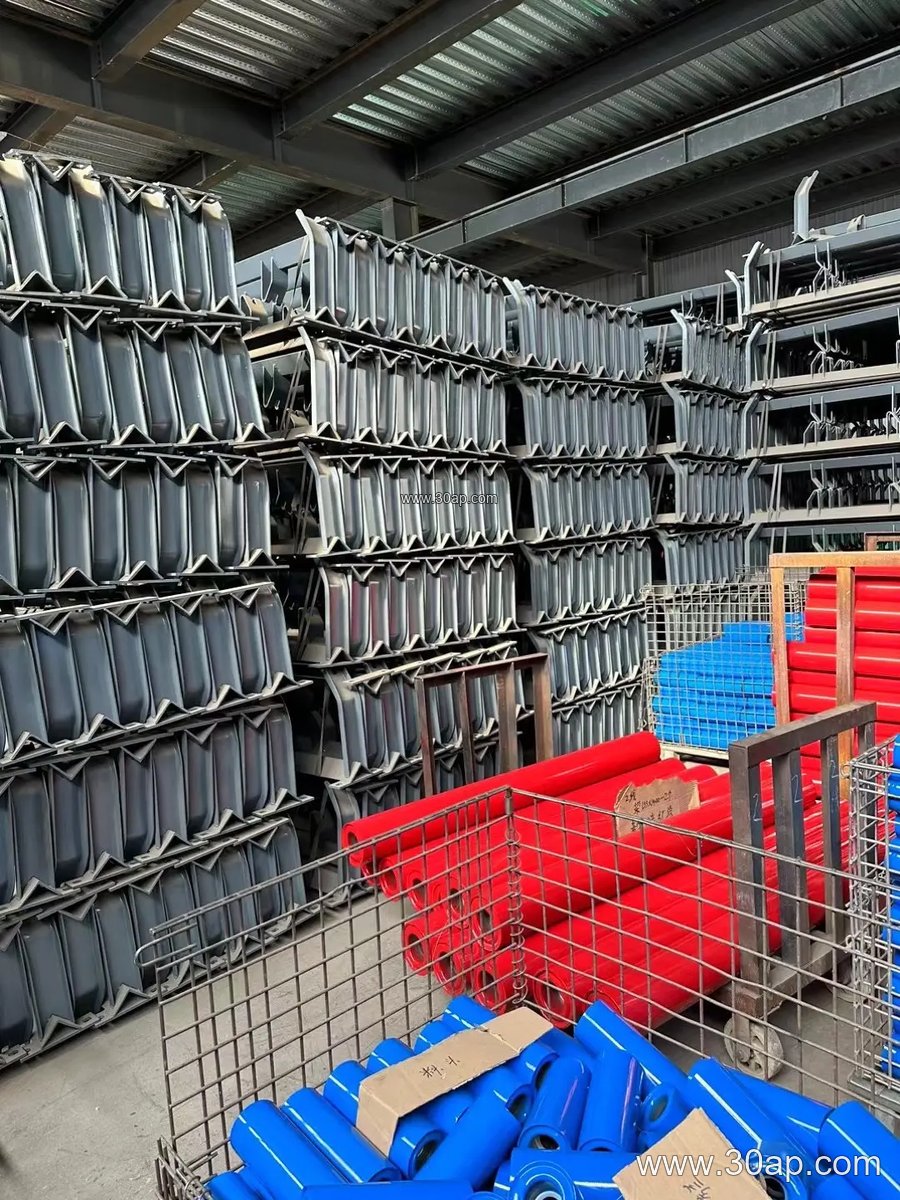
Common reference dimensions (not fixed combinations)
| Parameter | Typical reference values |
|---|---|
| Belt width | B500, B650, B800, B1000, B1200, B1400, B1600, B1800, B2000, B2200 |
| Trough angle | 20°, 30°, 35°, 45° (adjustable brackets can move between these) |
| Idler diameter | Ø89, Ø108, Ø133, Ø159, Ø194 |
| Material | Angle steel, channel steel, bent steel plate |
These values are references for design discussion. A B800 bracket at 35° with Ø108 rollers is a common example, but it is not the only valid match. Hole spacing and crossbeam length change with belt width and trough angle, so they are determined per drawing rather than taken from a table.
Where Custom Brackets Are Used
In a limestone quarry, brackets on the primary discharge conveyor must survive sharp rock and constant impact. In a coal washing plant, flame retardant conveyor belt and anti-static properties matter, and the brackets must be easy to clean and inspect. A power plant coal yard may use wider belts and heavier idlers, so the bracket design follows the roller load. In a sand and gravel line, adjustable brackets help when the same conveyor handles different moisture levels.
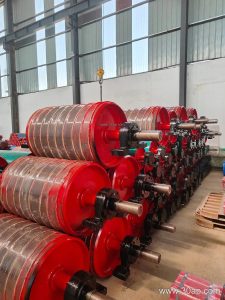
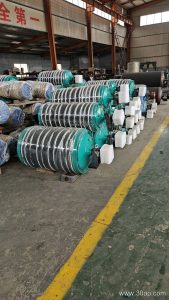
Other industries include iron ore handling, cement clinker transport, port ship loading, steel plant sintering, and tunnel spoil removal. In each case, the bracket works together with the conveyor pulley, the idler roller, and the belt itself. A poorly matched bracket can cause edge wear on an EP conveyor belt or premature failure of a steel cord conveyor belt splice.
Selection Points for Buyers
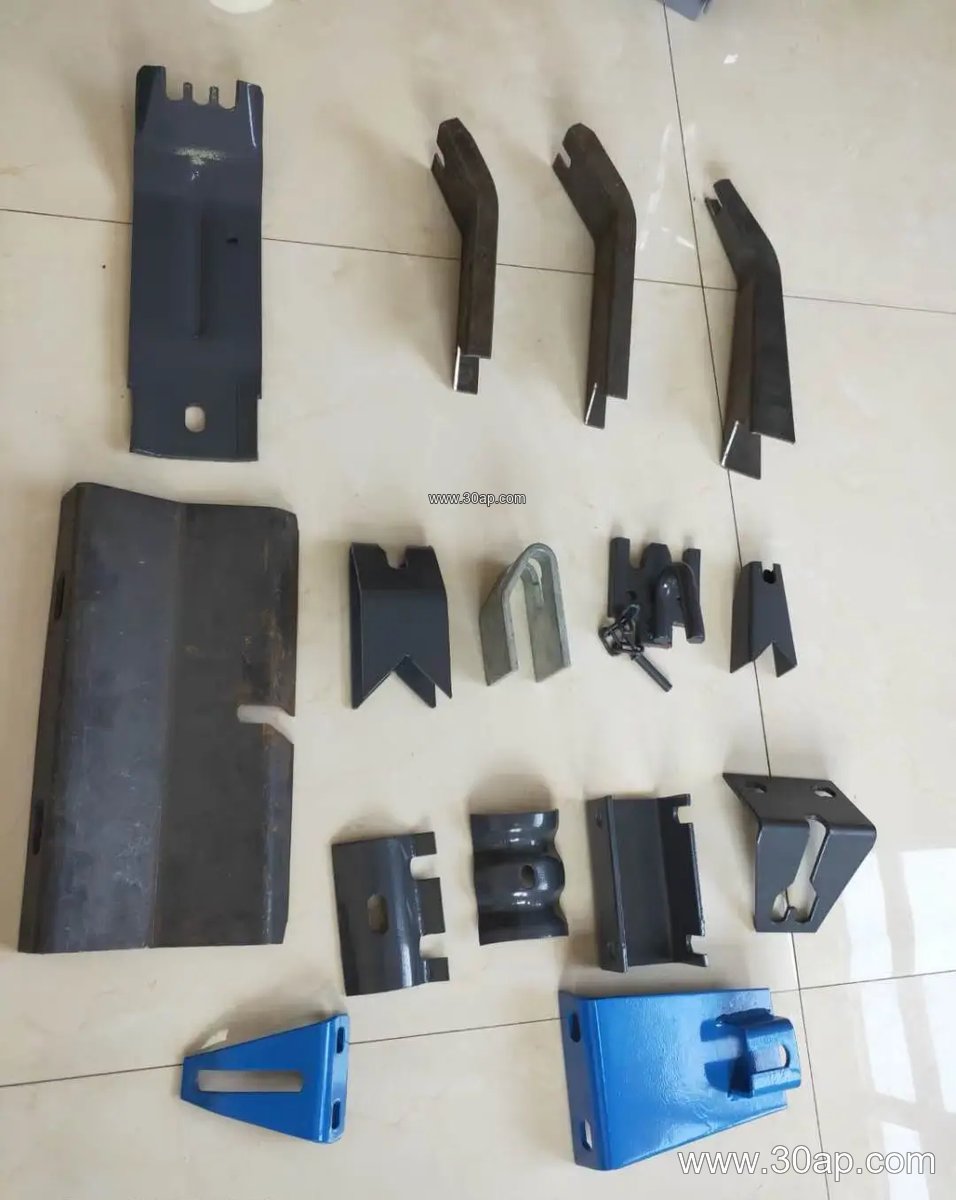
Start with the belt width and the required trough angle, then confirm the idler diameter and the mounting hole pattern. Ask whether the bracket is fixed or adjustable, and whether it is for the carrying side or the return side. For high-impact loading zones, specify a buffer or impact bracket rather than a standard troughing bracket.
Material and surface treatment should match the environment. A washdown area may need galvanized or painted steel, while a dry cement plant may accept standard painted finish. Check that the bracket fits the existing frame without field modification, and request drawings that show hole spacing and crossbeam length. On long overland lines, alignment accuracy at each bracket reduces belt tracking problems and extends roller life.
Finally, consider maintenance access. A bracket that allows one person to replace an idler roller quickly is worth more than a slightly cheaper fixed design. Whether the conveyor handles abrasive ore, heat-resistant conveyor belt loads, or oil-resistant conveyor belt applications, the bracket should be treated as an engineered part of the system, not an afterthought.