What a Custom Conveyor Bracket Does on the Line
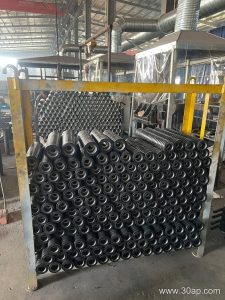
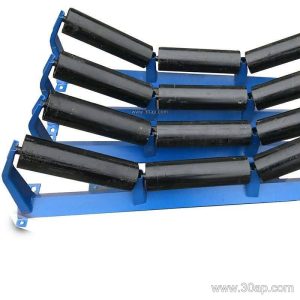
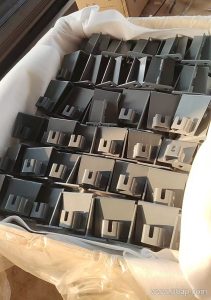
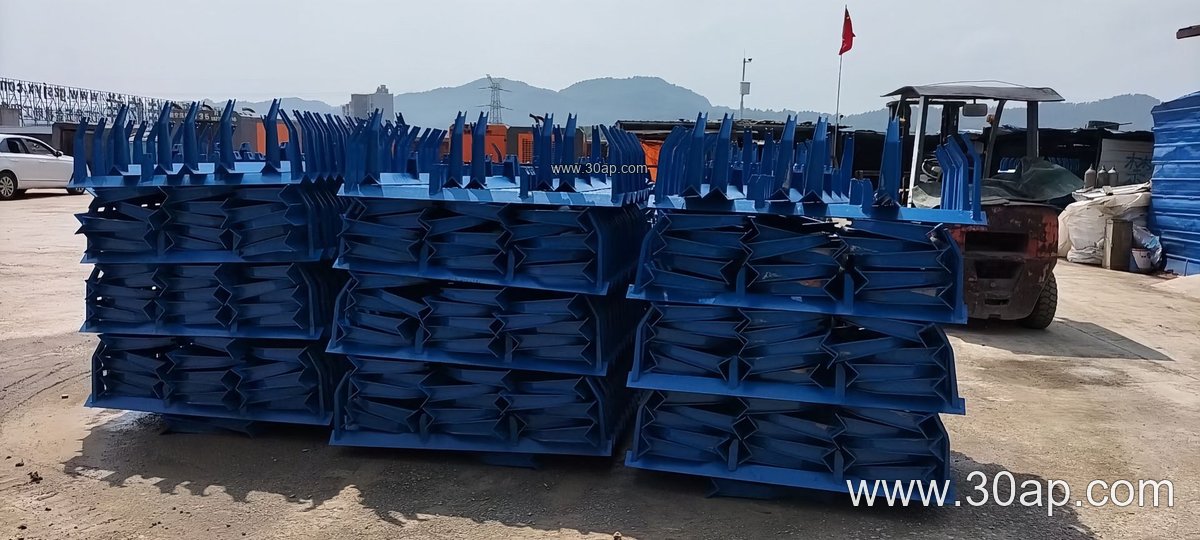
A custom conveyor bracket is a fabricated support component made to match a specific conveyor layout rather than a catalog standard. It carries the idler roller, sets the trough angle of the conveyor belt, and keeps the load centered between the pulleys. On a new project or a retrofit, the bracket often has to fit a frame that already exists, so mounting holes, crossbeam length, and tilt are built to the drawing instead of the other way around.
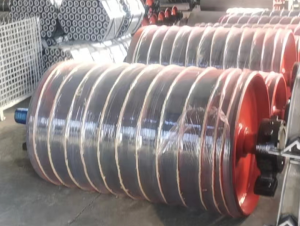
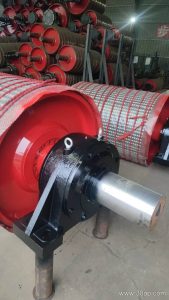
Engineers sometimes call this part a bespoke idler support frame or made-to-order roller mounting bracket. Both names describe the same item. It is not a drive pulley, tail pulley, or bend pulley, and it should never be ordered as a substitute for one of those components.
How the Bracket Is Built
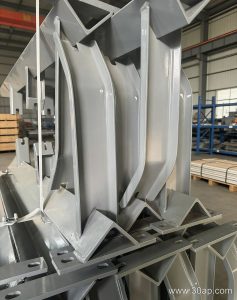
Fabrication usually starts with angle steel, channel steel, or folded steel plate. The choice depends on span, load, and corrosion exposure. A typical build includes:
- Two side rails cut to the required crossbeam length
- Slotted or drilled mounting plates for the idler roller shaft
- Welded or bolted angle plates that set the trough angle
- Gussets for stiffness where the frame is long or heavily loaded
- Surface treatment such as primer, paint, or galvanizing
Because hole spacing changes with belt width and trough angle, the drawing must state both before fabrication begins. A bracket built for B800 will not fit a B1200 frame without modification.
Trough Angle, Belt Width, and Roller Diameter
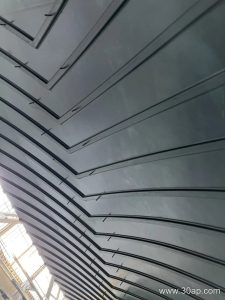
The trough angle controls how deeply the conveyor belt sits in the frame. Common values are 20, 30, 35, and 45 degrees. Adjustable brackets allow the same frame to move between these settings, which helps when a line handles different materials or when field tuning is needed. Forward tilt of about 1.5 to 2 degrees is used on some training arrangements to help keep the belt centered.
Belt width and roller diameter are selected together with the bracket, not in isolation. The table below shows typical reference combinations; these are examples, not fixed rules.
| Belt Width | Trough Angle | Roller Diameter | Typical Use |
|---|---|---|---|
| B500 | 20-30 degrees | Ø89 | Light aggregate, small transfer points |
| B650 | 30 degrees | Ø89-Ø108 | Sand and gravel lines |
| B800 | 35 degrees | Ø108 | Cement plant and power plant coal handling |
| B1000 | 35-45 degrees | Ø108-Ø133 | Iron ore and heavy bulk material |
| B1200 | 35-45 degrees | Ø133 | Mining and quarry main lines |
| B1400 | 35-45 degrees | Ø133-Ø159 | High tonnage primary conveying |
| B1600 | 35-45 degrees | Ø159 | Port and stockyard systems |
| B1800-B2000 | 35-45 degrees | Ø159-Ø194 | Large bulk terminals |
One belt width does not lock the design to a single angle or a single shaft diameter. Final values come from the conveyor design, the material being carried, and the load per idler station.
Where These Brackets Are Used
Bespoke supports appear wherever a standard frame will not fit. In a limestone quarry, a transition bracket may be needed where the belt moves from a flat section into a deep trough. In a coal washing plant, impact brackets sit under the loading point to absorb shock from large lumps. A cement plant may use adjustable frames on a clinker line that runs at a high trough angle. Port and steel plant conveyors often need longer crossbeams and heavier steel because of wide belts and dense ore.
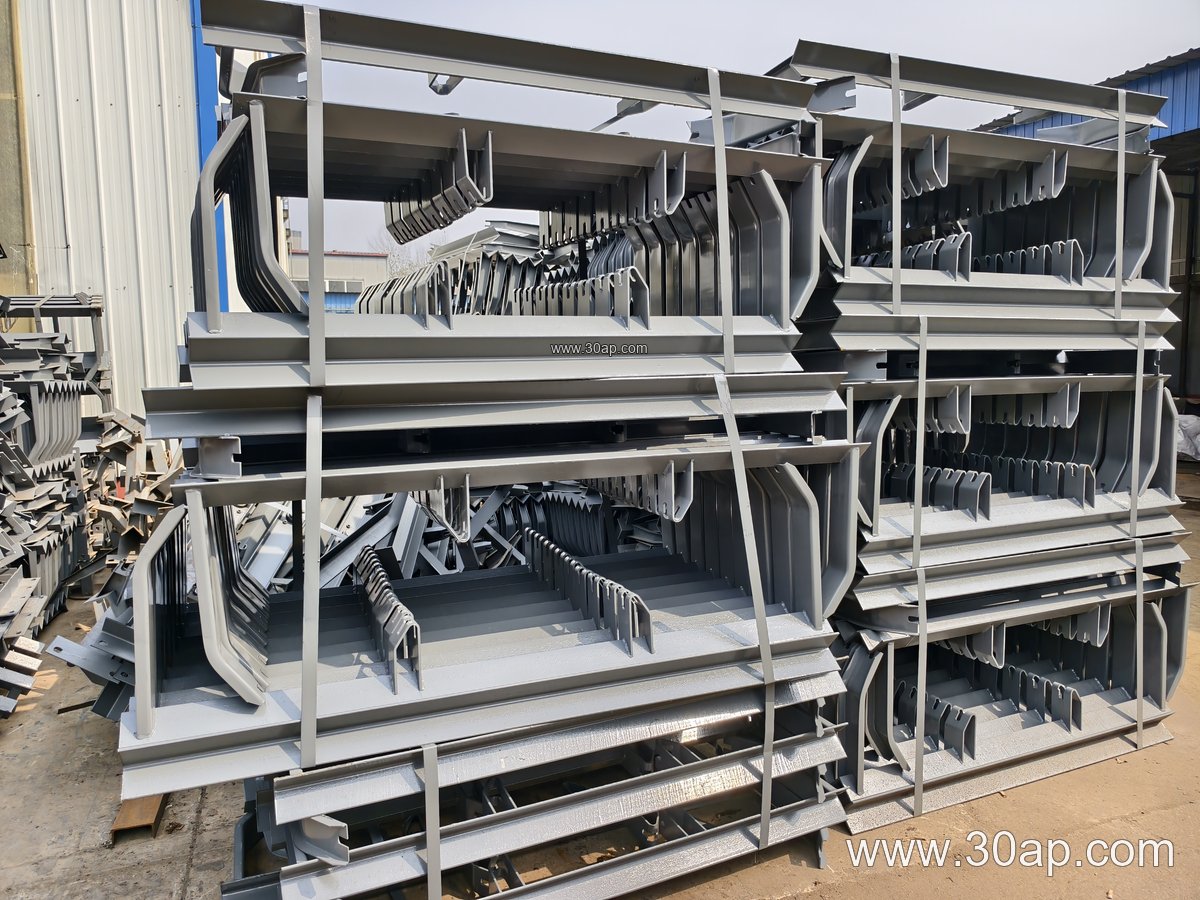
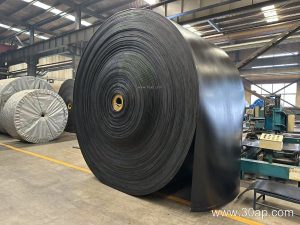
The bracket works alongside the conveyor belt, idler roller, and conveyor pulley, but it does not replace any of them. A worn idler can be changed without touching the frame; a bent bracket, however, will misalign every roller on that station.
Buyer Checklist Before Ordering
Send the fabricator a clear package so the first article fits:
- Belt width and required trough angle, plus any adjustable range
- Roller diameter and shaft end type
- Mounting hole spacing and crossbeam length, taken from the existing frame
- Material grade and surface finish, especially for wet or corrosive service
- Quantity, plus a small spare set for wear replacement
Ask for a drawing approval before cutting steel. A short review of hole centers and angle settings prevents field rework. For heavy-duty mining conveyor belt duties, confirm the bracket steel size against the actual load rather than assuming a standard section will do.
For matching components, browse the roller and frame range at beltconveyorparts.com and review the bracket options at conveyor-bracket.com before finalizing the order.