What a Steel Pulley Does on a Conveyor
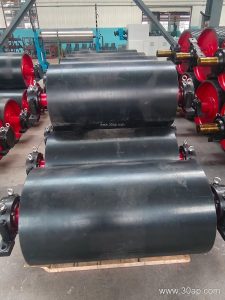
A steel pulley is the rotating drum that carries and guides a conveyor belt at the head, tail, and intermediate points of a conveyor frame. In many plants the same component is simply called a conveyor pulley, and the two names describe the same fabricated steel drum with a shaft, hubs, and a belt-contact shell. Its job looks simple, but the pulley sets belt tension, controls tracking, and transfers drive torque, so it deserves more attention than its plain appearance suggests.
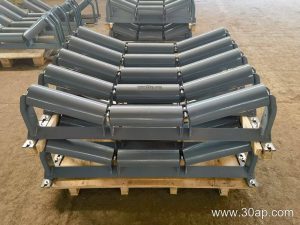
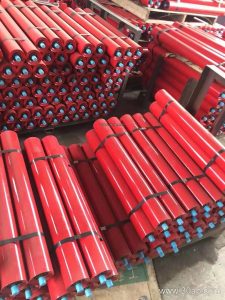
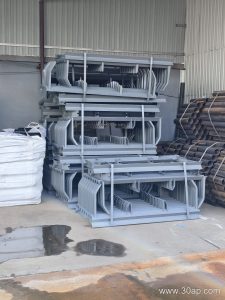
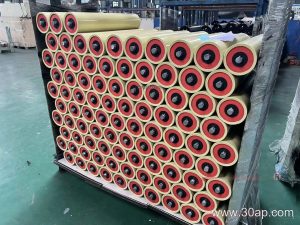
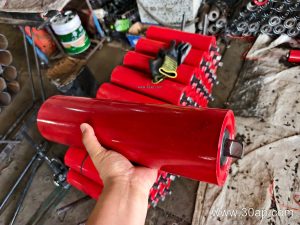
In a quarry or a coal handling line, a poorly chosen drum shows up quickly as belt slip, edge wear, or a hot bearing. The equipment around it matters too: the conveyor belt, idler roller sets, and conveyor bracket assemblies all interact with the pulley, and small misalignments between them shorten service life.
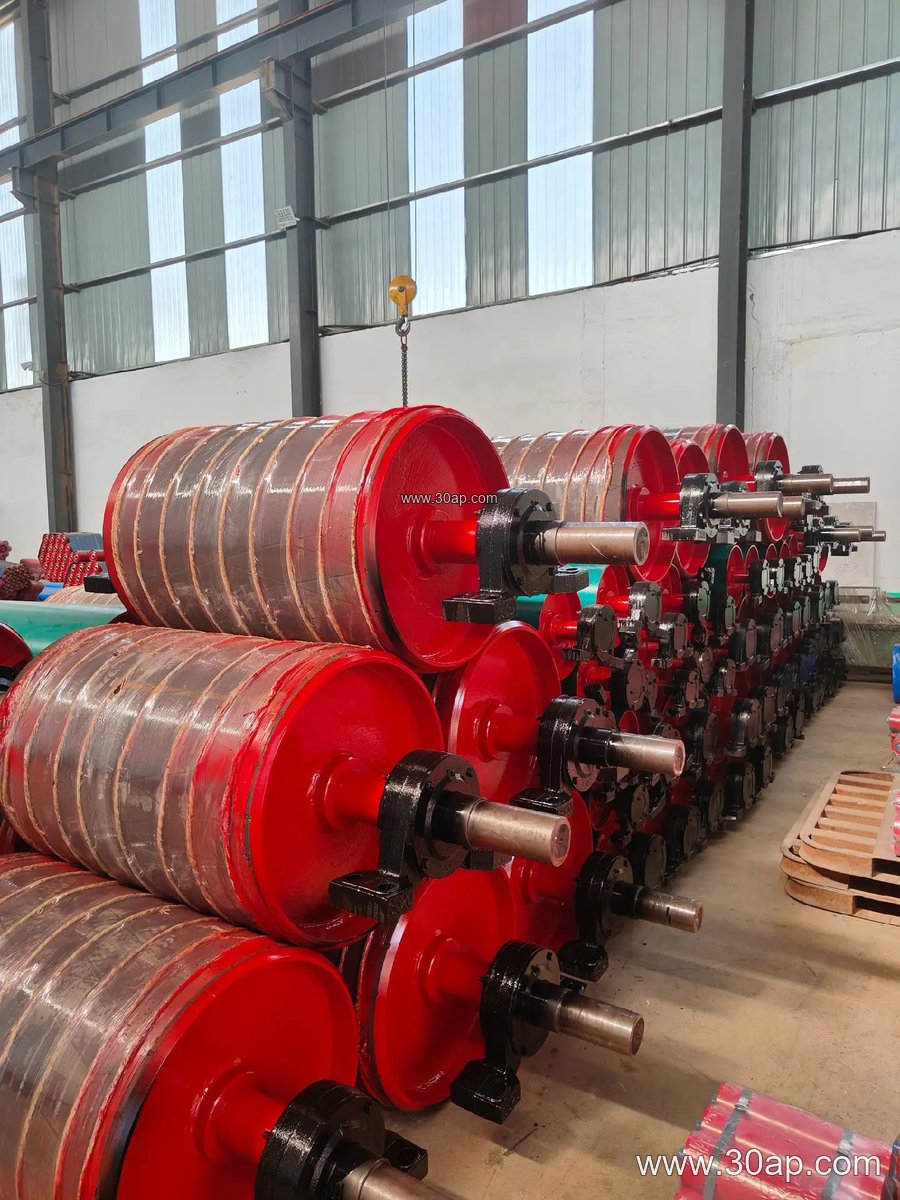
How the Drum Is Built
Most units start with a rolled steel shell welded to end discs, which are in turn connected to a shaft through hubs. The shaft is usually keyed or shrink-fitted, and bearing housings sit at each end. Shell thickness, weld quality, and shaft diameter are chosen from torque and load, not from belt width alone. A B1200 face may run on a Ø1000 drum in one conveyor and a smaller diameter in another, depending on wrap angle and belt speed. Typical shaft sizes in catalogues include Ø80, Ø100, Ø120, and Ø140, but the final value should follow the design calculation.
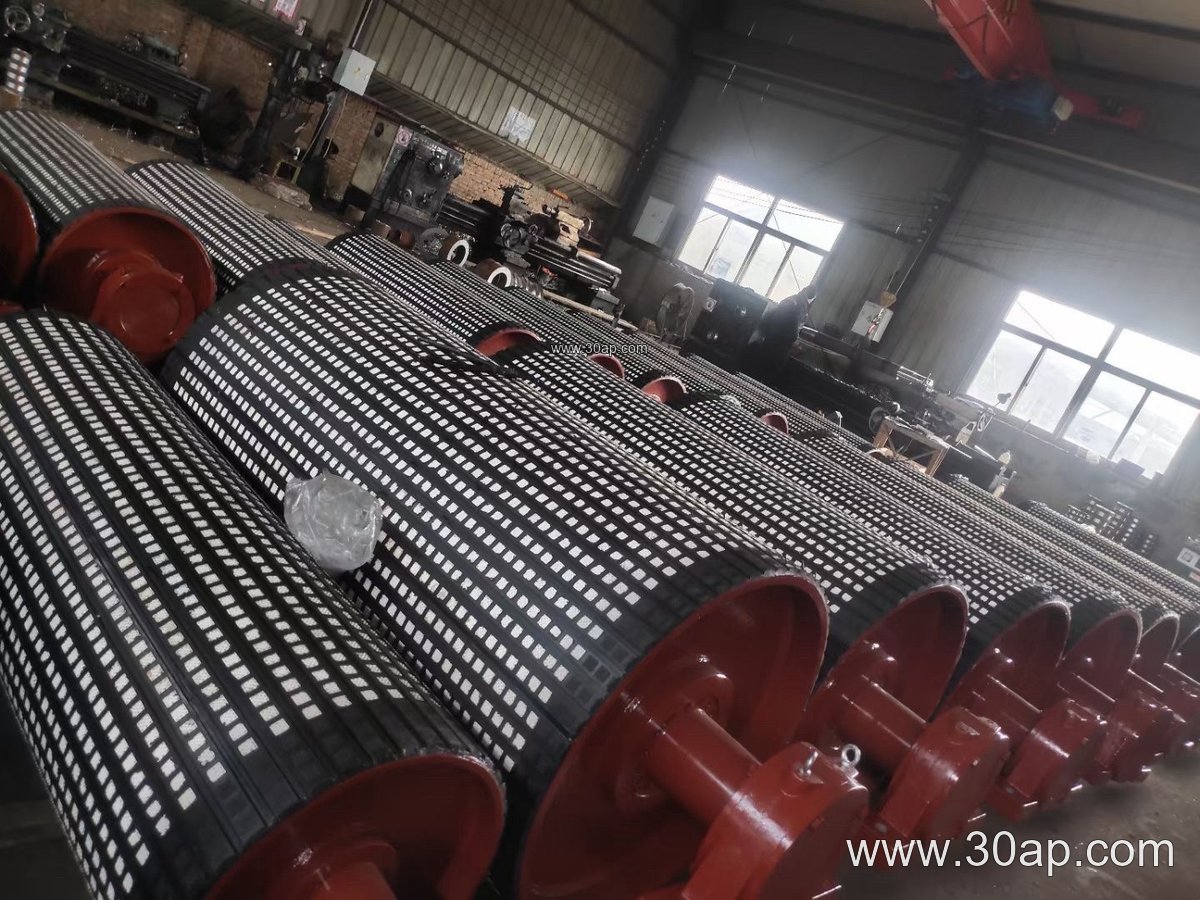
Surface finish changes the friction story. A plain face suits light duty and reversing sections, while lagging in rubber or ceramic raises grip on the drive side. Lagging thickness is commonly 8, 10, 12, 15, or 20 mm, and the pattern may be diamond or herringbone. A ceramic-lagged drum is often paired with an abrasion resistant conveyor belt in a crusher discharge, where fines and sharp rock are constant.
Face Width and Diameter in Practice
Face width usually exceeds belt width so the belt stays supported during slight tracking movement. The table below gives common reference combinations; these are starting points for discussion with a supplier, not fixed rules.
| Belt width | Typical face width | Common drum examples |
|---|---|---|
| B400 | approx. 500 mm | Ø200, Ø250 |
| B650 | approx. 750 mm | Ø315, Ø400 |
| B800 | approx. 950 mm | Ø500, Ø630 |
| B1200 | approx. 1400 mm | Ø800, Ø1000 |
| B1400 | approx. 1600 mm | Ø1000, Ø1250 |
| B1800 | approx. 2000 mm | Ø1250, Ø1400 |
Larger diameters reduce belt bending stress and help with high-tension drives, while smaller drums save space at the tail. The balance is a design decision, so avoid assuming that one belt width has only one matching diameter.
Where These Drums Are Used
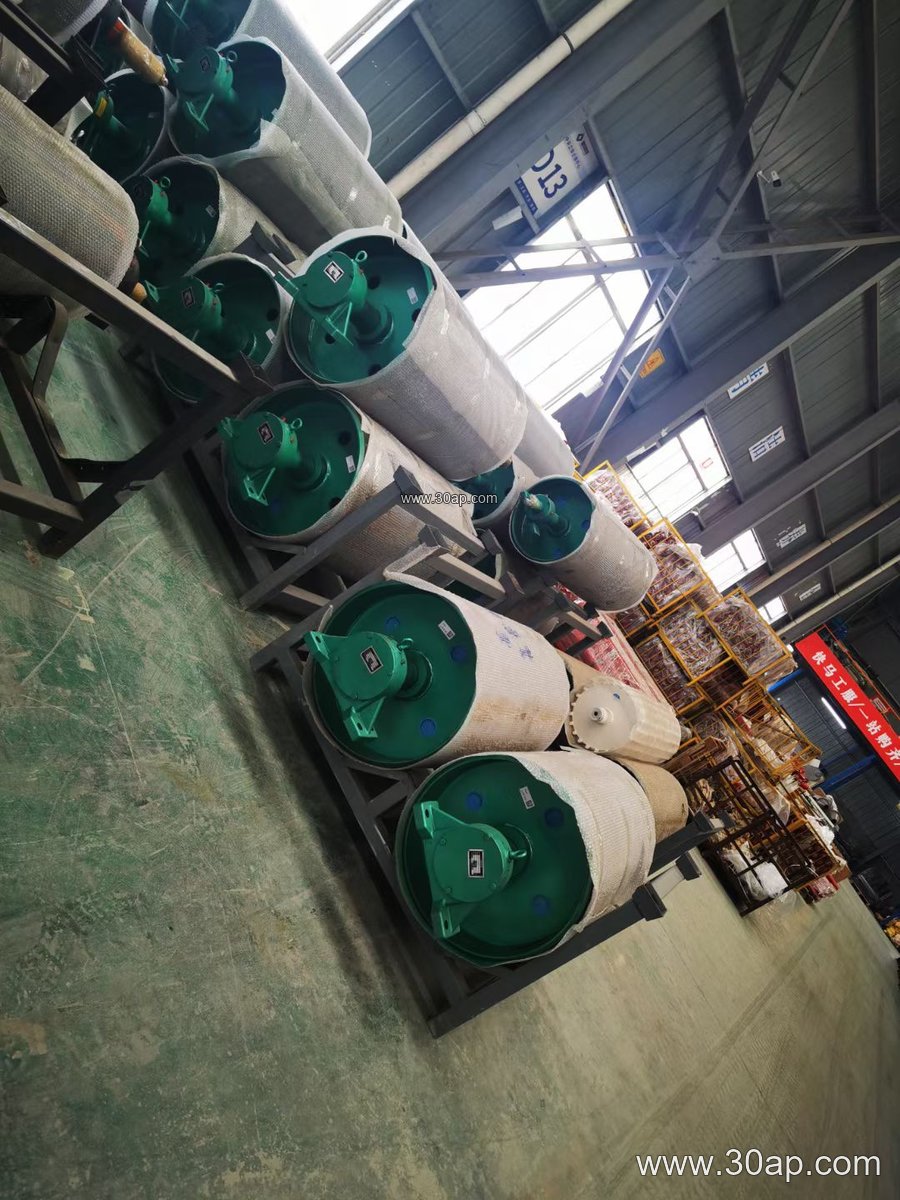
Steel pulleys appear across bulk handling industries. In a limestone mine they turn the head of a long overland conveyor; in a cement plant they carry clinker from the cooler; in a power plant coal yard they drive the feed to the bunkers. Port bulk terminals use large drums on ship loading conveyors, and aggregate lines use them after the primary crusher. The belt type often differs by site: a heat resistant conveyor belt near a sinter plant, a flame retardant conveyor belt underground, or an EP conveyor belt on a general stacking conveyor. The drum itself stays a steel pulley, but lagging and bearing protection should match the environment.
Position Matters
A drive or head pulley transmits power and usually carries lagging. A tail pulley at the loading end guides the returning belt and may be plain-faced. A bend pulley changes belt direction without driving, and a take-up pulley maintains tension. These are distinct roles and should not be treated as interchangeable when specifying a replacement.
Buyer Checklist
- Confirm belt width, drum diameter, face width, and shaft size as a set, not separately.
- State the duty: continuous, reversing, or high-torque start.
- Choose lagging for grip and wear; ceramic for abrasive ore, rubber for general service.
- Check bearing type, sealing, and lubrication access before ordering.
- Ask for the balance grade and run-out tolerance, since vibration shortens belt life.
- Match the drum to the conveyor bracket and idler roller layout during installation.
For more on related components, see the conveyor pulley range and conveyor bracket options on the site. A well-specified steel pulley, matched to its belt and frame, keeps a quarry, coal plant, or cement line running with fewer stoppages.