What an Aggregate Conveyor Belt Does
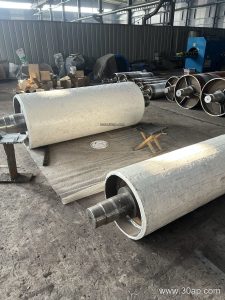
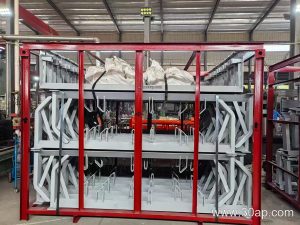
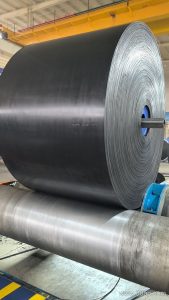
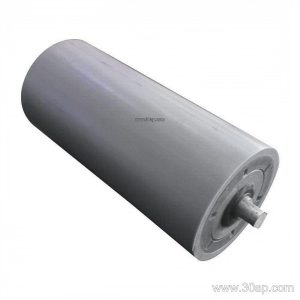
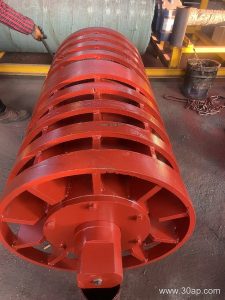
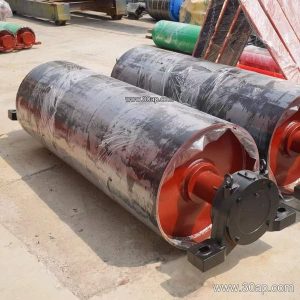
An aggregate conveyor belt is the load-carrying element that moves crushed stone, sand, gravel and screened rock between crushers, screens and stockpiles. In a quarry or sand making plant, the belt runs over troughing idler rollers, wraps the drive and tail pulleys, and returns on lower rollers held by conveyor brackets. The belt is expected to handle sharp, abrasive particles, varying lump sizes and often a wet or dusty environment. A well-chosen aggregate conveyor belt keeps a crushing line flowing; a poor one causes edge damage, tracking faults and frequent splicing.
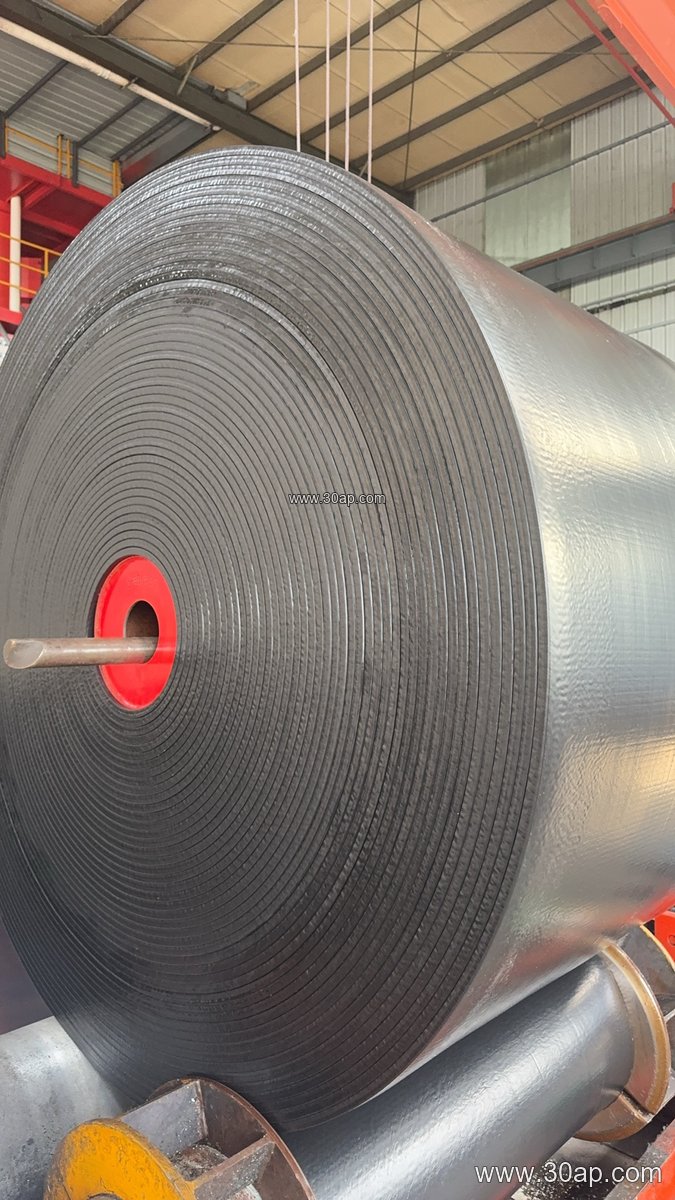
Construction of the Belt
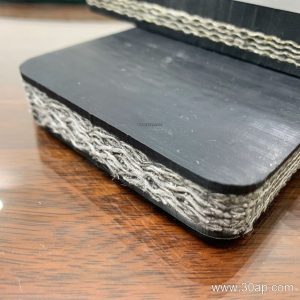
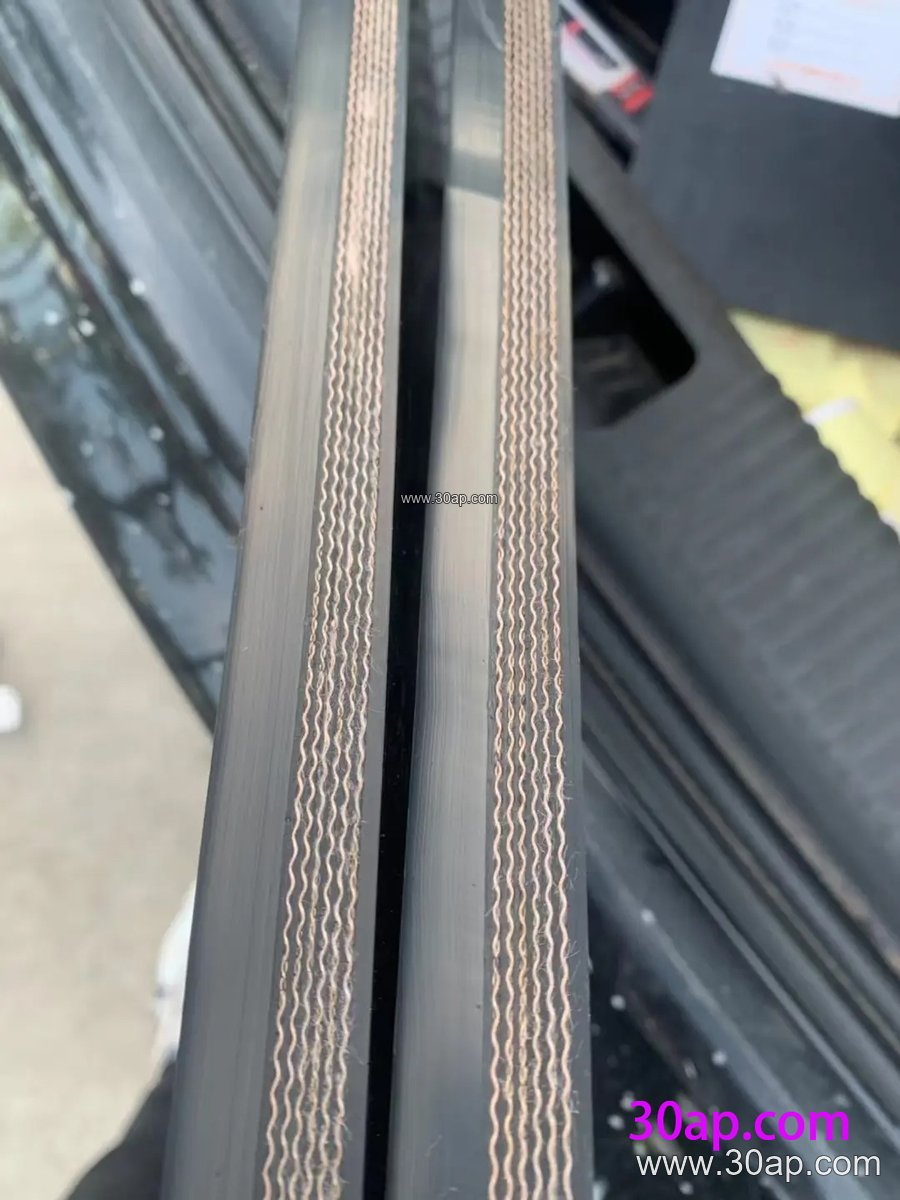
Most belts for this duty are fabric-core rubber belts. The carcass is made of multiple plies of EP fabric or NN fabric, and the top and bottom covers protect the carcass from abrasion and moisture. A multi-ply fabric core gives good resistance to impact and tearing, which suits primary and secondary crushing sections. Where tension is high or the conveyor is long, a steel cord conveyor belt may be considered, but for typical quarry and stone crushing lines, EP and NN constructions remain common.
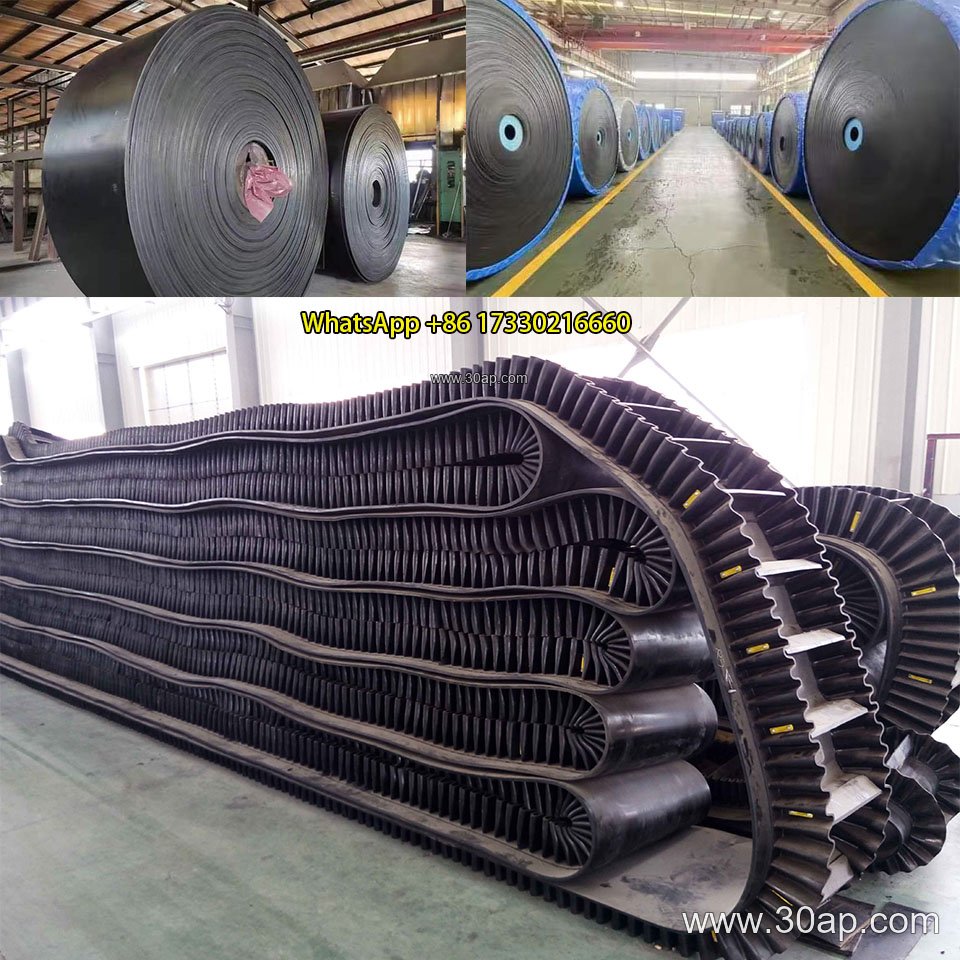
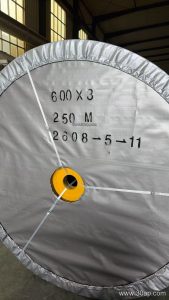
Cover thickness is usually stated as top plus bottom, for example 4+2 mm, 5+2 mm or 6+2 mm. Heavier covers are normal at transfer points where rock drops onto the belt. The carcass may be 2 to 6 plies depending on the duty. An abrasion resistant conveyor belt grade is often selected for gravel and granite, while a heat resistant conveyor belt may be needed after a dryer or in cement plant sections. In coal handling or enclosed plants, a flame retardant conveyor belt or anti-static grade is common.
| Property | Common Range |
|---|---|
| Belt width | B500, B650, B800, B1000, B1200, B1400 |
| Strength grade (EP) | EP200, EP400, EP630, EP800, EP1000 |
| Cover thickness | 3+1.5 mm, 4+2 mm, 5+2 mm, 6+2 mm |
| Carcass plies | 2 to 6 plies, by design |
Where It Is Used
The same belt design appears across mining, cement, power plant and construction sites. A quarry conveyor belt carries blasted rock from the primary crusher; a crusher conveyor belt links a cone or jaw crusher to a screening deck; a sand making plant conveyor belt handles fine and abrasive product. In cement plants and power plants, belts feed limestone or coal, and in port and ship loading operations they move bulk material over long distances. Ore conveyor belts in iron ore, copper ore and gold mining circuits may demand higher strength and heavier covers.
Types and Special Forms
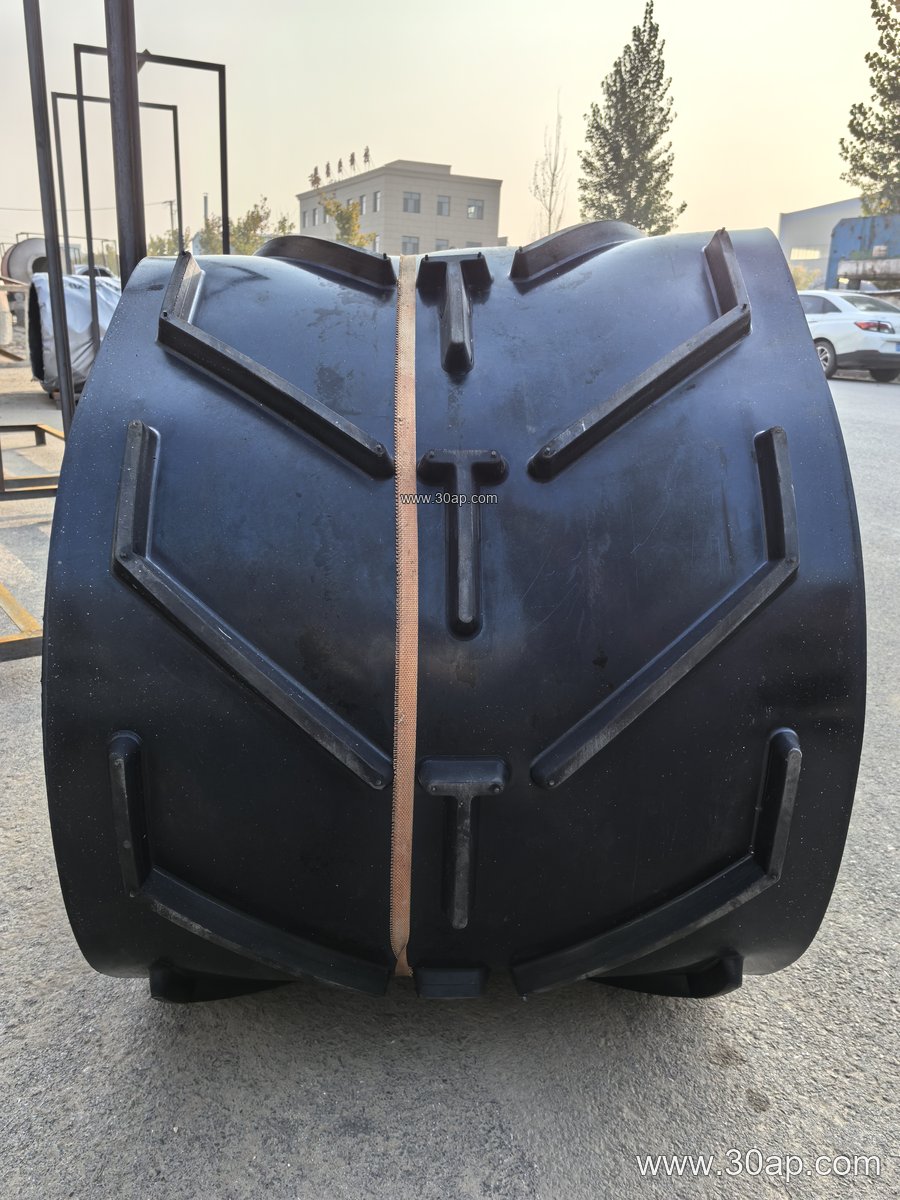
Steep inclines may call for a chevron conveyor belt or a corrugated sidewall belt to stop material rolling back. A skirted conveyor belt is used where spillage must be contained at the loading point. Enclosed routes may use a pipe conveyor belt to reduce dust. In cold regions, a cold resistant grade can prevent cover cracking, and an oil resistant belt is chosen where lubricants or oily feed are present. These are options within the belt family; they do not replace the basic aggregate conveyor belt.
Buyer Checklist
- Confirm the belt width, strength grade and cover thickness against the conveyor design, not by habit.
- Check pulley diameters and shaft sizes with the conveyor designer; belt width alone does not fix pulley size.
- Match the cover grade to the material: abrasive rock, hot clinker, oily feed or coal.
- Review splice type and whether an endless conveyor belt is required for long runs.
- Inspect idler roller alignment, pulley lagging and conveyor bracket condition before blaming the belt for tracking issues.
For Chinese buyers and project teams, sourcing from a supplier who can quote the carcass, cover grade and width together makes selection easier. A clear specification helps avoid a belt that is too light for the crusher discharge or too stiff for the tail pulley. Visit www.example.com/conveyor-belt for related belt and component references, and keep the aggregate conveyor belt specification aligned with the whole conveyor system.