What the 2200mm Conveyor Belt Is
A 2200mm conveyor belt is a wide-format belt designed for conveyor systems that move large volumes of bulk material. At this width, the belt is typically built as a heavy-duty component, often using a fabric core or steel cord construction to handle high tension and heavy loads. It is commonly found in mining, coal preparation, cement plants, power stations, and large quarry or aggregate operations where throughput and stability matter. The 2200mm conveyor belt is not a one-size-fits-all item; its construction, cover grade, and core type are selected according to the conveyor design, material characteristics, and operating environment.
Construction and Common Configurations
A belt of this width usually combines a strong carcass with protective rubber covers. The carcass may be multi-ply fabric, such as EP or NN, or steel cord, depending on the required strength and splice method. Cover compounds are chosen for abrasion resistance, heat resistance, oil resistance, flame retardancy, or anti-static properties. Common cover thickness combinations include 4+2 mm, 5+2 mm, 6+2 mm, and 8+3 mm, while fabric cores often range from 2 to 6 plies. For 2200mm belts, edge stability and transverse rigidity become important, so the manufacturer may adjust the core lay-up and edge design accordingly.
Typical reference data for wide belts can be organized as follows. These values are indicative and should be confirmed with the actual conveyor design:
| Parameter | Common Reference | Notes |
|---|---|---|
| Belt width | 2200 mm | Wide format for high capacity |
| Fabric core strength grades | EP200 to EP2000, NN100 to NN400 | Selected by tension calculation |
| Steel cord grades | ST1000 to ST3150 | For heavy-duty and long-distance conveyors |
| Cover thickness | 3+1.5, 4+2, 5+2, 6+2, 8+3 mm | Top and bottom cover combination |
| Number of fabric plies | 2 to 6 | Depending on strength requirement |
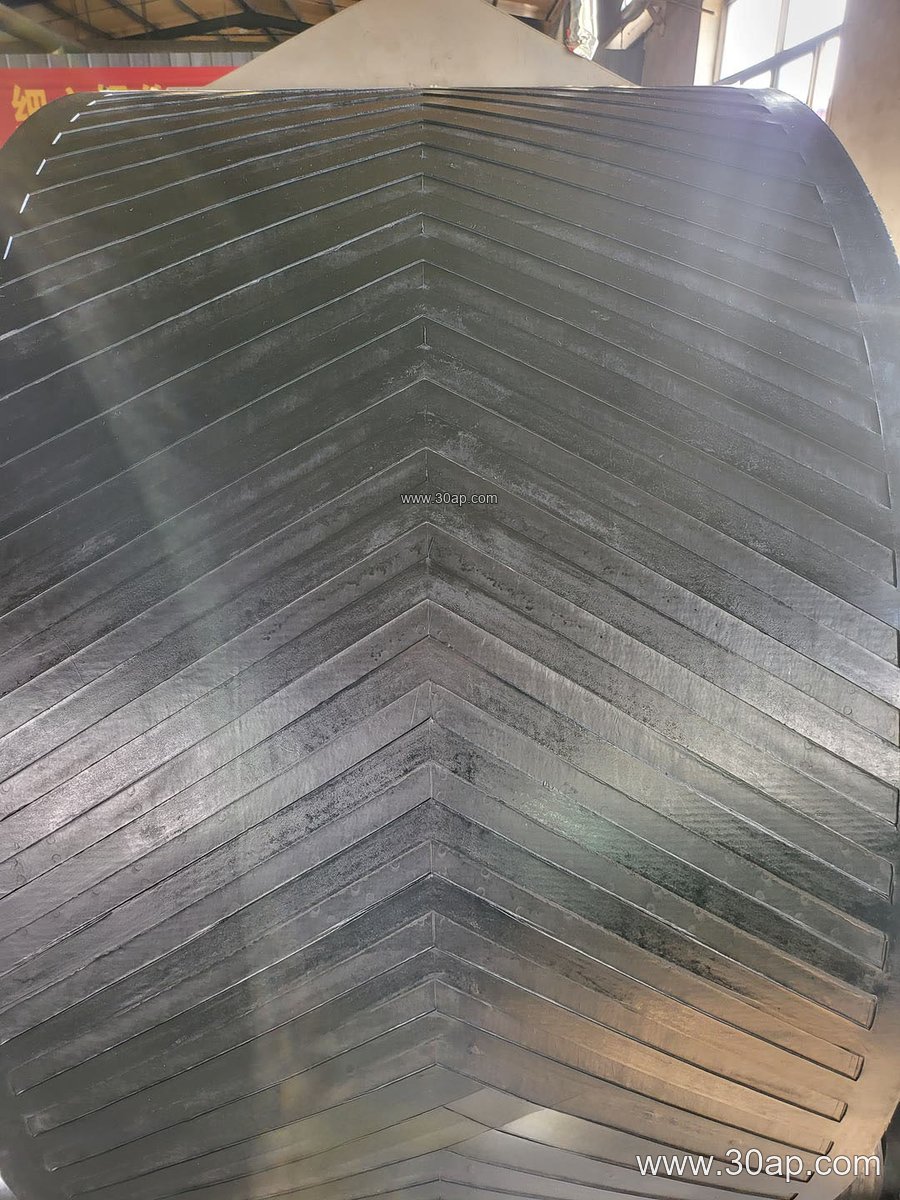
Special constructions such as chevron, skirted, corrugated sidewall, and pipe conveyor belts are available in other widths and designs, but they serve different conveying functions and are not direct replacements for a standard 2200mm belt.
Where It Is Used
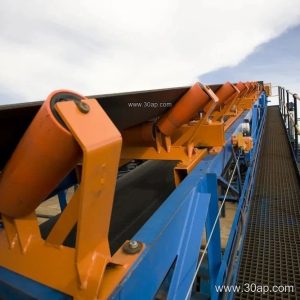
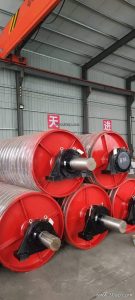
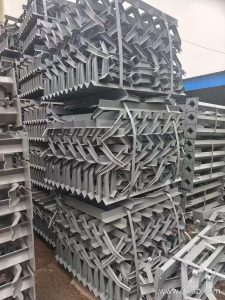
This belt width suits high-capacity main haulage lines. In coal mining and underground mining operations, a 2200mm conveyor belt may be used on trunk conveyors that collect material from multiple sections. In cement plants and power plants, it can handle limestone, clinker, coal, or gypsum at high tonnage. Quarries and aggregate plants use wide belts to move crushed rock and sand, often in combination with idler rollers, conveyor pulleys, and sturdy conveyor brackets. Port facilities and ship loading systems also employ wide belts for fast bulk transfer. Because the belt is wide, the conveyor structure must be designed to support it properly, including adequate pulley face width and correctly spaced idlers.
Selection and Buyer Considerations
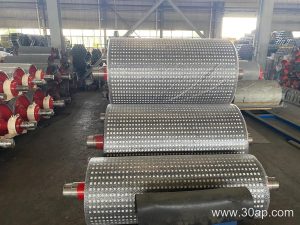
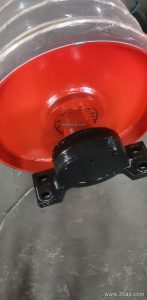
Buyers should start with the conveyor design data rather than the belt width alone. Key inputs include the material type, lump size, bulk density, conveying capacity, incline angle, loading conditions, and ambient temperature. The required belt strength is determined by the tension calculation, not by the width. A 2200mm conveyor belt can be paired with different pulley diameters and shaft sizes depending on the conveyor layout; there is no fixed rule that one belt width matches one pulley diameter. The drive pulley, tail pulley, and bend pulley each have specific roles and should be specified separately. Idler roller type, spacing, and trough angle also affect belt training and service life.
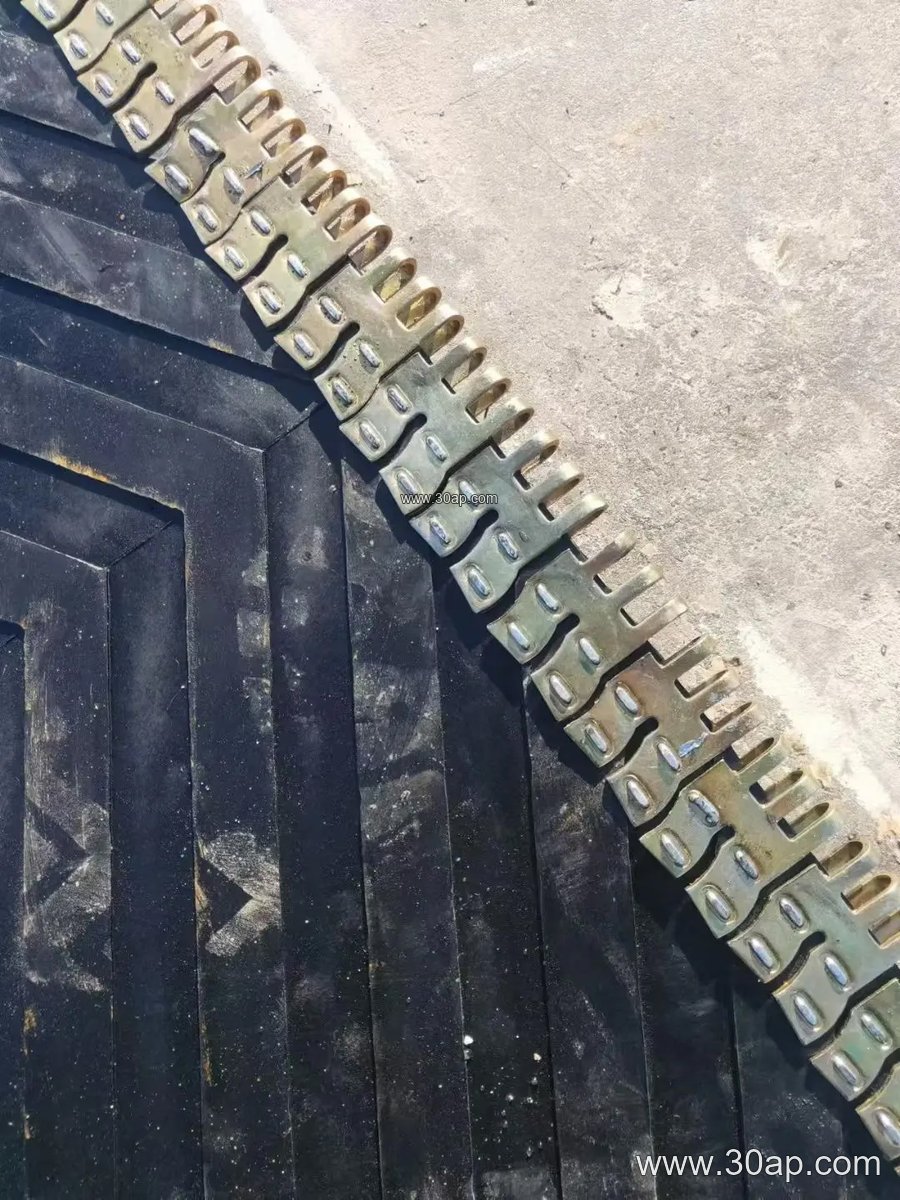
For harsh conditions, consider the appropriate cover grade: abrasion resistant for rock and ore, heat resistant for clinker or sinter, flame retardant for coal mining, oil resistant for oily materials, and anti-static where required. Cold resistant grades are available for low-temperature environments. The belt splice method, whether vulcanized or mechanical, should be chosen to match the carcass and the operating tension. Finally, confirm the belt’s edge condition and dimensional tolerances with the supplier, since wide belts are more sensitive to mistracking if the edges are not straight and stable.
Maintenance Notes
Regular inspection helps prevent unexpected downtime. Check for edge damage, cover wear, and splice integrity. Keep idler rollers turning freely and aligned, and verify that conveyor pulleys are not worn or out of round. Cleanliness around the conveyor bracket and frame reduces material buildup that can cause belt misalignment. For high-capacity systems, maintain correct belt tension and monitor the belt path after any structural adjustment.