What a Galvanized Conveyor Bracket Does
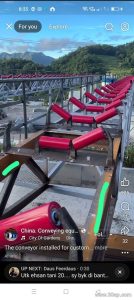
A galvanized conveyor bracket is the structural component that holds idler rollers in position along a belt conveyor. Often called a galvanized conveyor support bracket, it connects the roller shaft to the conveyor frame and maintains the correct trough angle so the conveyor belt stays centered and supported under load. In quarry and cement plant operations, these brackets are exposed to dust, moisture, and occasional washdown, which is why hot-dip galvanizing is a common finish choice.
The bracket itself is not a wear part like the belt or roller, but its alignment directly affects belt tracking, roller life, and energy consumption. A well-galvanized bracket resists corrosion long enough to match the service life of the frame, reducing the need for frequent replacement in damp or outdoor installations.
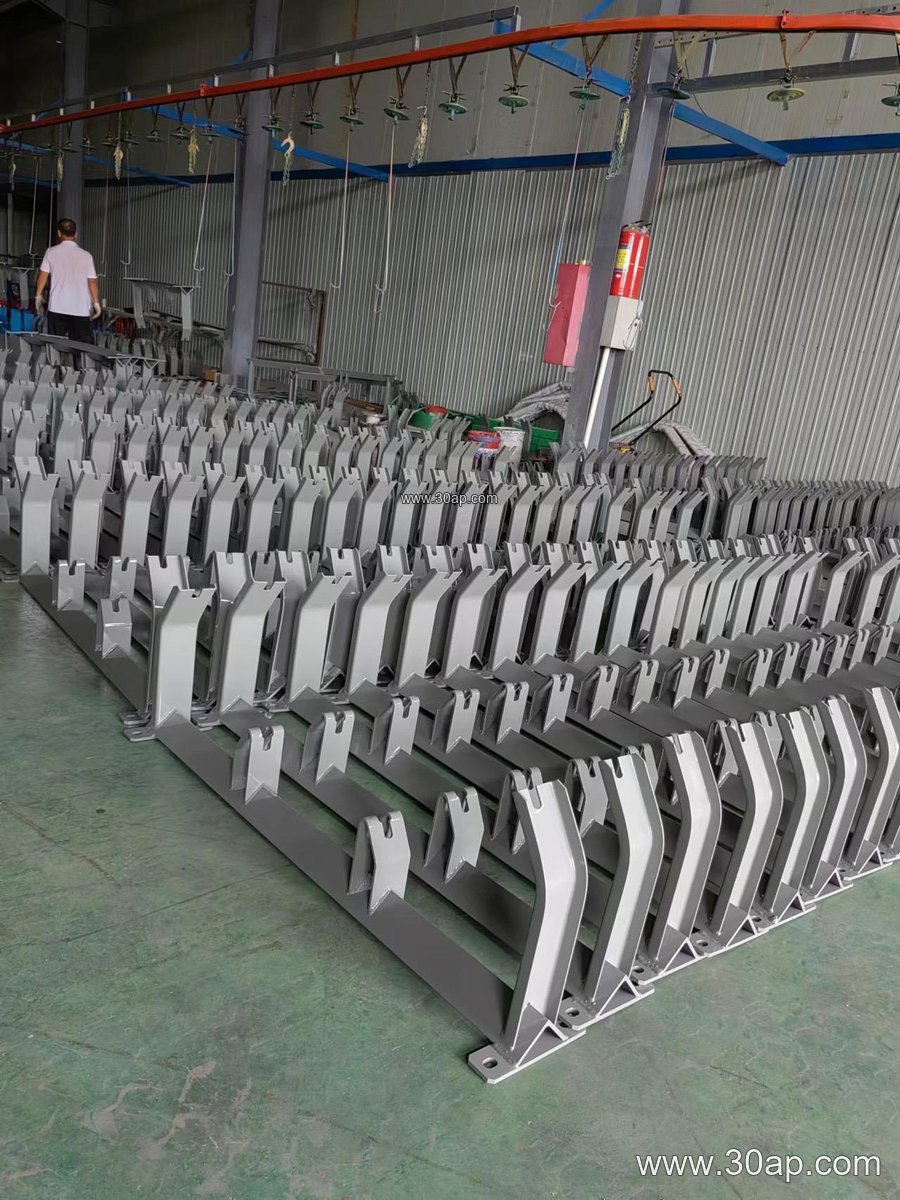
Construction and Surface Finish
Most galvanized conveyor brackets are fabricated from angle steel, channel steel, or folded steel plate. The galvanizing process—usually hot-dip—coats the entire surface, including edges and bolt holes, with a zinc layer that provides barrier and sacrificial protection. This matters in coal preparation plants and power plant coal handling systems where humidity and fine dust combine to accelerate rust.
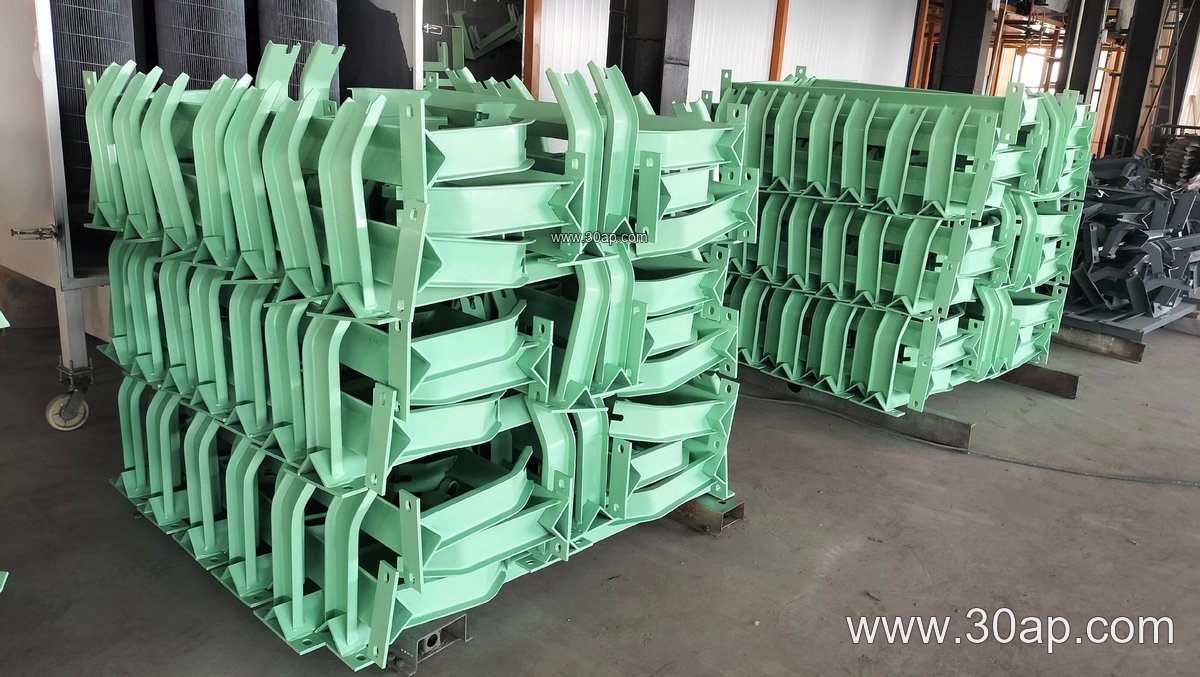
Typical bracket designs include fixed trough brackets, transition brackets, return brackets, V-return brackets, impact bracket sets, and adjustable brackets. Adjustable versions allow the trough angle to be set between common values such as 20, 30, 35, and 45 degrees, which helps when a conveyor is designed for one angle but later needs fine-tuning for belt training.
Where These Brackets Are Used
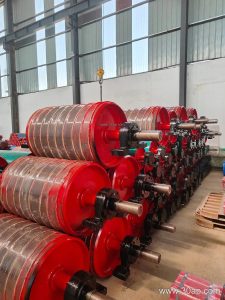
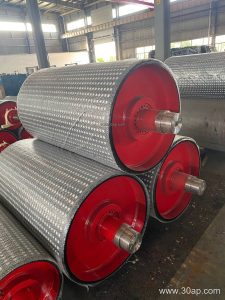
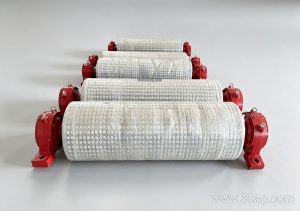
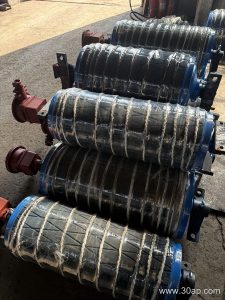
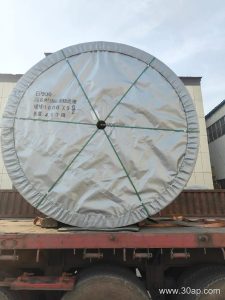
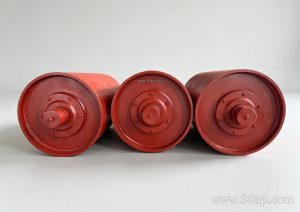
You will find galvanized conveyor brackets in limestone quarries, iron ore processing plants, sand and gravel lines, crushing and screening circuits, and cement plant raw material handling. They also appear in less abrasive environments such as fertilizer blending, grain silos, and tunnel muck removal. In each case, the bracket works together with the conveyor belt, idler roller, and conveyor pulley to keep material moving efficiently.
For heavy-duty mining conveyor belt systems, the bracket must match the roller diameter and belt width. Common belt widths include B500, B650, B800, B1000, B1200, B1400, B1600, B1800, B2000, B2200, and B2400. Roller diameters typically range from Ø89 to Ø194. A bracket for B800 at 35 degrees with Ø108 rollers is a common combination, but it is not the only valid one—designers may pair B1200 with 45 degrees and Ø133 rollers depending on the load and material characteristics.
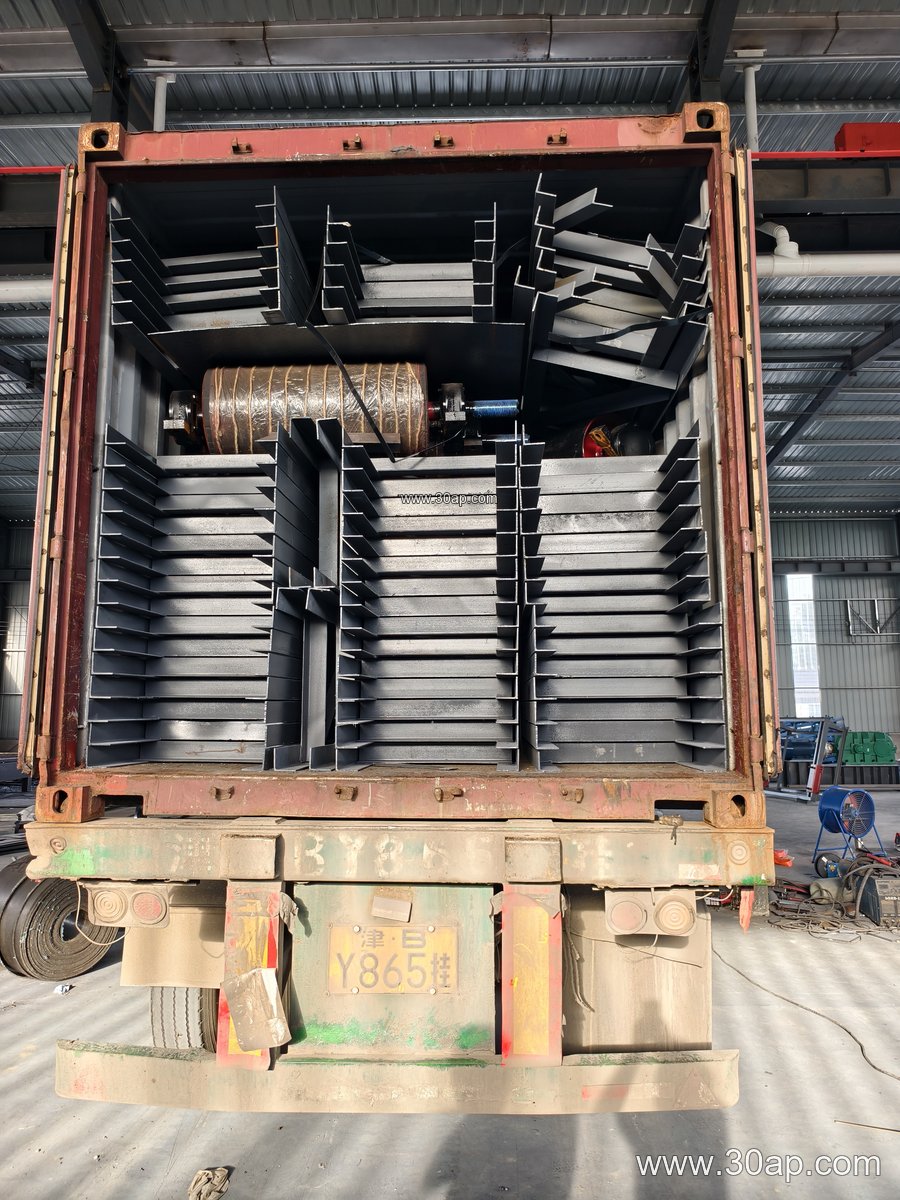
Selection Notes for Buyers
When specifying a galvanized conveyor bracket, confirm the belt width, trough angle, roller diameter, and mounting hole spacing with the conveyor frame drawing. Do not assume that one belt width matches only one pulley diameter or one bracket size. The bracket crossbeam length and hole centers usually vary with belt width and trough angle, so these should be confirmed per project rather than taken from a generic table.
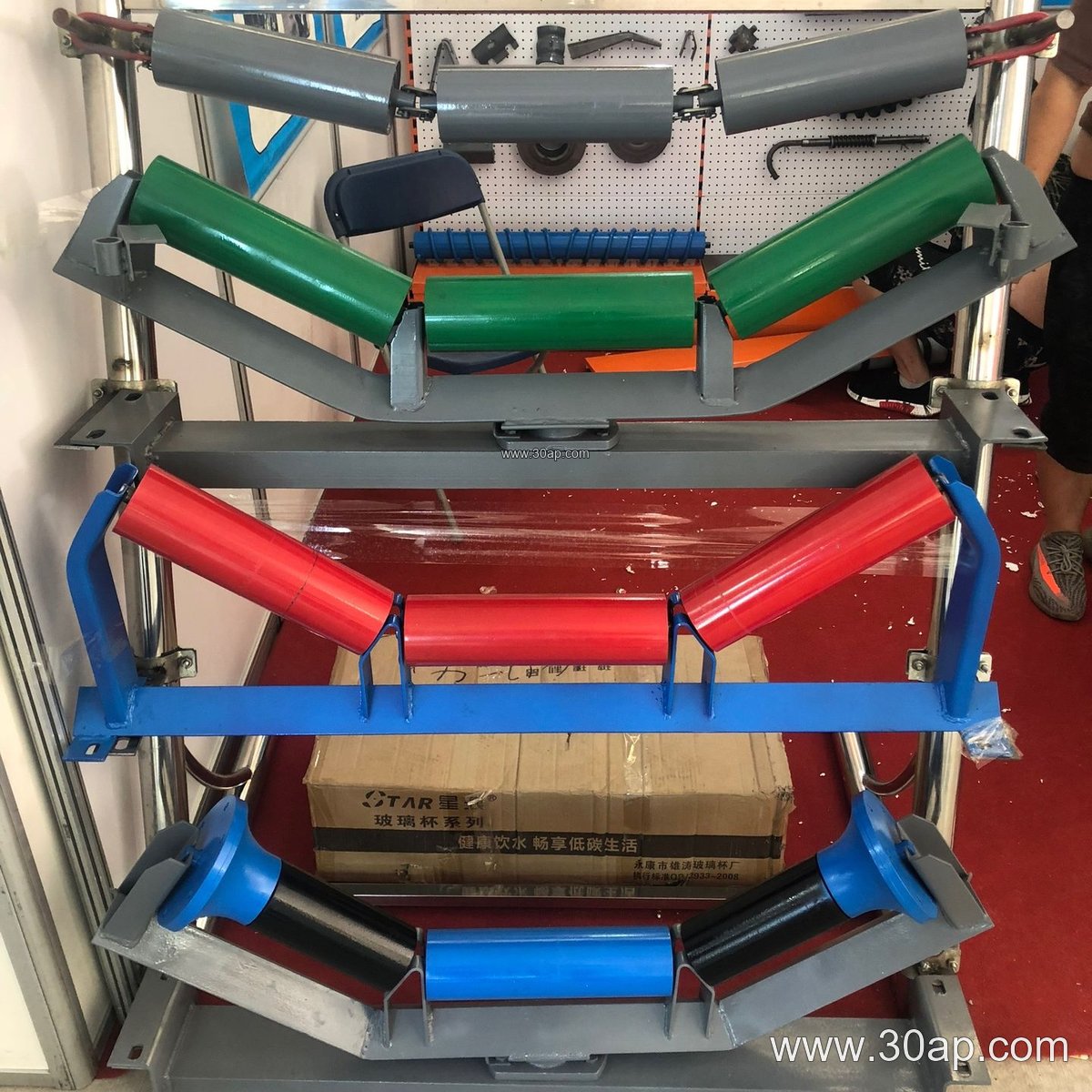
- Check the galvanizing thickness and finish quality, especially at weld seams and cut edges.
- Confirm whether the bracket is fixed or adjustable; adjustable types suit conveyors that may need future belt training adjustments.
- Match the bracket to the roller shaft diameter and the frame bolt pattern.
- For corrosive or wet conditions, verify that the galvanized coating is suitable for the environment.
Related conveyor components such as the conveyor pulley, idler roller, and conveyor bracket should be specified together so that the entire support system is compatible. In cement plant and quarry conveyor lines, a small misalignment in the bracket can lead to belt edge damage and premature roller failure, so accurate installation matters as much as the galvanized finish itself.
Installation and Maintenance Tips
Install brackets squarely to the frame and torque bolts to the conveyor manufacturer’s recommendation. After the first week of operation, recheck bolt tightness and bracket alignment, because settling and vibration can shift the support structure. Inspect galvanized surfaces periodically for white rust or coating damage; touch up minor scratches with a zinc-rich repair coating if needed.
Keep the area around the bracket clean so that material buildup does not force the belt against the roller. In dusty operations such as coal mining conveyor belt systems, regular cleaning and inspection extend both bracket and roller life. When replacing a roller, check the bracket for bending or corrosion before installing the new roller, since a distorted bracket will cause tracking problems even with a new idler.