What a Steel Plant Conveyor Idler Does
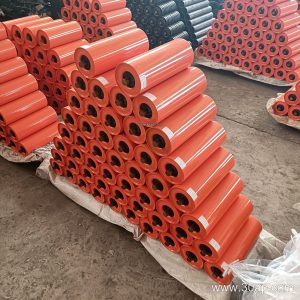
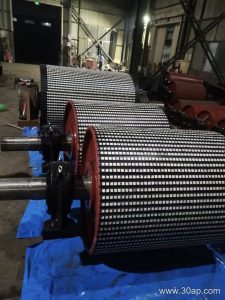
A steel plant conveyor idler is a rotating roller assembly that supports the conveyor belt along its carrying and return runs. In a steel plant, belts move sinter, pellets, coke, limestone, and hot or abrasive burdens between stockyards, bunkers, and furnace charging points. The idler roller must tolerate dust, heat, and heavy loading while keeping the belt tracking smoothly. Unlike a conveyor pulley, which drives or redirects the belt at the ends, the idler works continuously along the line and is often the most numerous component on the conveyor.
This article looks at how these idlers are built, where they appear in steel plant circuits, and what a buyer should check before ordering. Related equipment such as the conveyor bracket and conveyor pulley is mentioned only where it affects idler choice.
Construction and Common Roller Forms
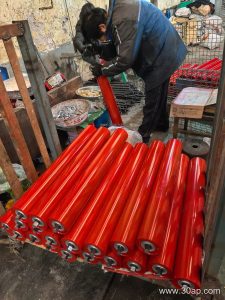
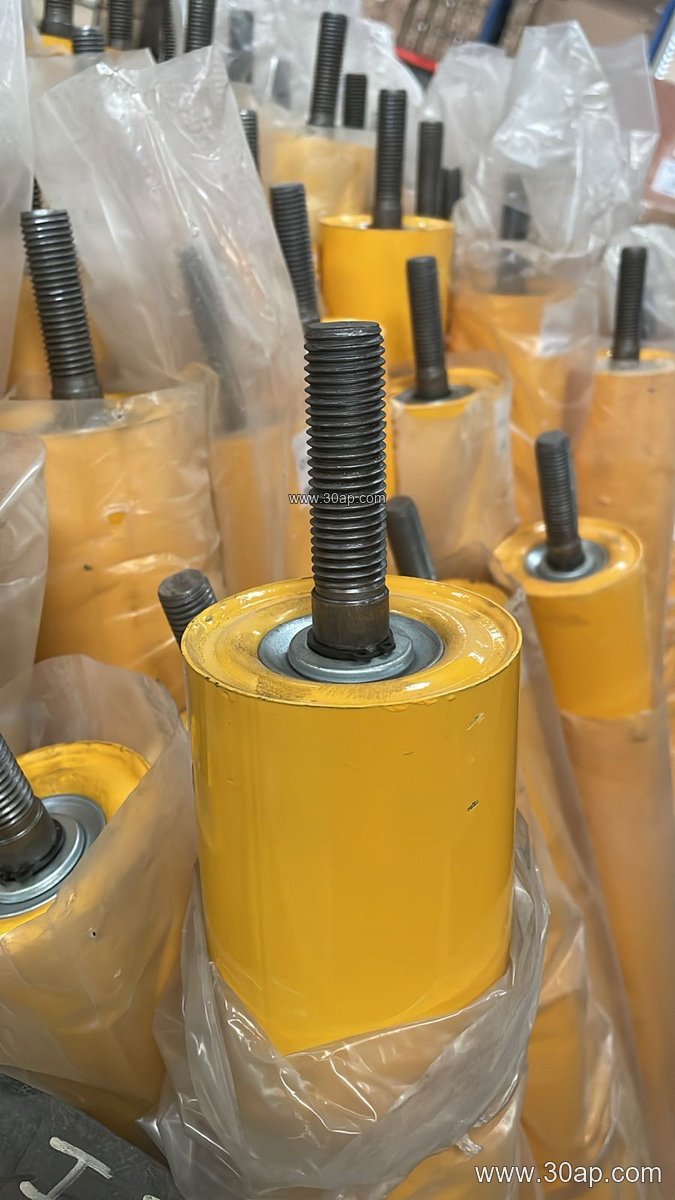
The basic steel plant conveyor idler has a steel tube shell, bearing housings, a shaft, and a sealing arrangement. Roll face options include plain steel, nylon, ceramic, and rubber rings. Rubber ring impact idlers are common under transfer chutes where sinter or lump ore drops onto the belt. Return idlers may be flat or V-shaped; a spiral idler can help shed sticky fines in coke or limestone service.
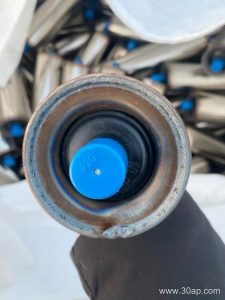
Bearing selection is not tied to one roller diameter. Common bearing numbers include 6204, 6205, 6305, 6306, 6308, and 6310, and the final choice depends on load, speed, and sealing design rather than on belt width alone. Roller diameters commonly range from Ø63 to Ø219, with Ø89, Ø108, Ø127, Ø133, Ø159, and Ø178 often seen in steel plant duties. Trough angles of 20, 30, 35, and 45 degrees are used; a 35-degree trough is frequent on high-capacity lines, while 45 degrees can help contain a wide burden.
Idler Sets and Roll Length
Three-roll trough sets are typical on the carrying side. Roll length varies with belt width, trough angle, and set design. Common examples for a three-roll trough set are about 200 mm roll length at B500, 250 mm at B650, 315 mm at B800, 380 mm at B1000, 465 mm at B1200, 530 mm at B1400, 600 mm at B1600, 670 mm at B1800, and 750 mm at B2000. Side rolls and center rolls can differ, so these are examples, not fixed matches. Belt widths from B400 to B2400 appear across steel plant conveyors, and a wider belt does not by itself dictate a single pulley diameter or shaft size.
Where Steel Plant Conveyor Idlers Are Used
In a steel plant, idlers appear on raw material yard belts, sinter plant feed lines, coke handling conveyors, and slag or scale transport. Dust and heat are routine, so a heat resistant conveyor belt may run alongside idlers fitted with heat-tolerant seals and lubricant. Where coal or coke is handled, a flame retardant conveyor belt is often specified, and the idler sealing must resist fine, conductive dust. An abrasion resistant conveyor belt paired with well-sealed idlers reduces spillage and wear on the return run.
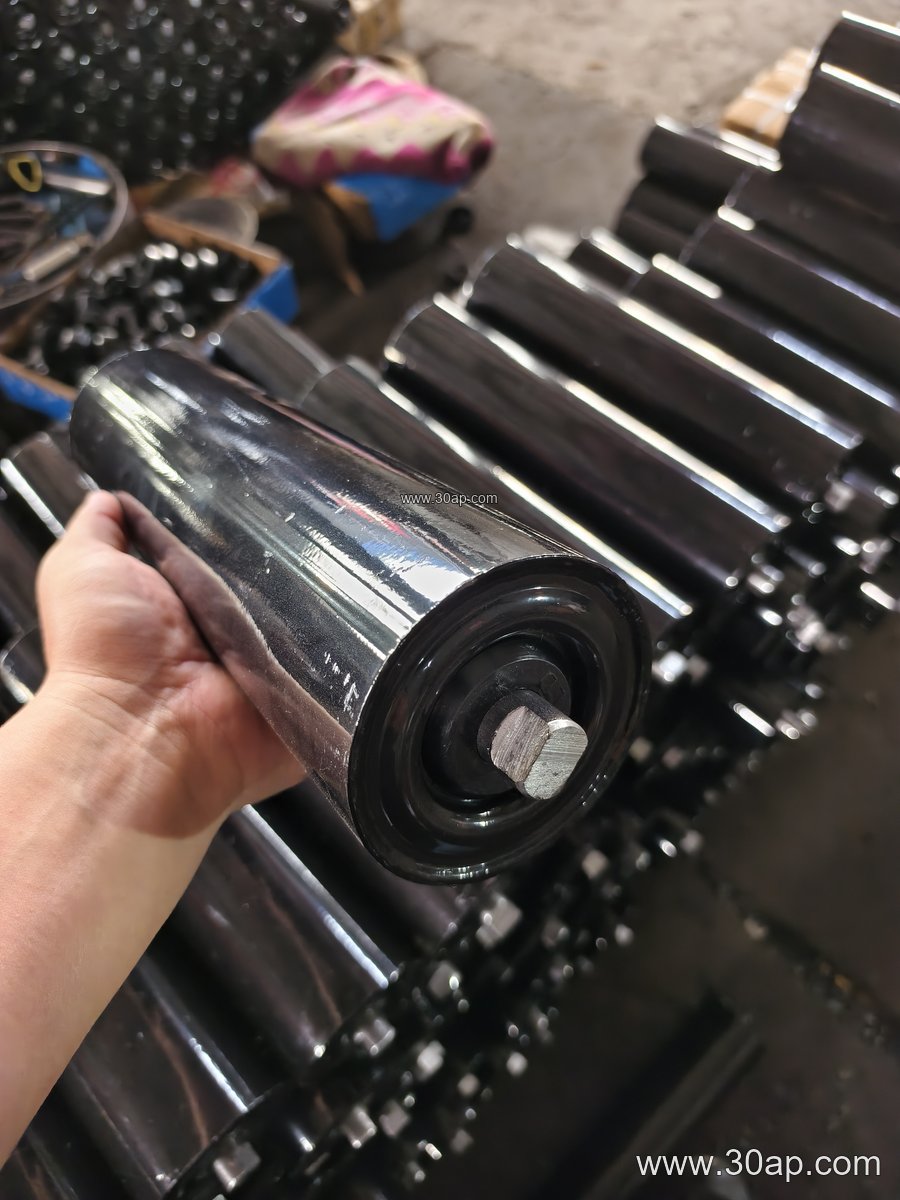
Steel plant conveyors also connect to screening stations, bunker charging belts, and transfer points. At these points, impact idlers and rubber ring idlers absorb drop energy, while training idlers with about 1.5 to 2 degrees of forward tilt help keep the belt centered. The conveyor bracket and frame must align with the chosen idler set so the roll sits square to the belt path.
Buyer Checklist for Steel Plant Service
Before ordering, confirm the belt width, trough angle, idler set type, and roller diameter. Check whether the duty calls for impact resistance, heat tolerance, or dust protection. Ask for the bearing number and sealing style, and confirm the shaft end fit with the conveyor bracket. If the line uses an EP conveyor belt or a steel cord conveyor belt, note the belt speed and load so the idler dynamic rating can be reviewed. A steel plant conveyor idler is not a universal part; the same roller diameter can carry different bearings and seals for different circuits.
Reference Data for Discussion
The following values are common references for discussion only. They are not a supply promise and should be confirmed against the actual conveyor design.
- Roller diameters: Ø63, Ø76, Ø89, Ø102, Ø108, Ø127, Ø133, Ø159, Ø178, Ø194, Ø219.
- Belt widths: B400, B500, B650, B800, B1000, B1200, B1400, B1600, B1800, B2000, B2200, B2400.
- Trough angles: 20, 30, 35, 45 degrees.
- Bearing examples: 6204, 6205, 6305, 6306, 6308, 6310.
For steel plant projects, match the idler roller to the conveyor belt, the conveyor pulley at the drive and tail, and the bracket geometry. A well-chosen idler reduces belt wear and keeps material moving from stockyard to furnace without unnecessary downtime.