Preparing Detailed Technical Specifications for Bulk Handling Imports
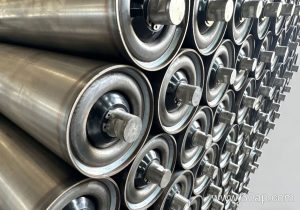
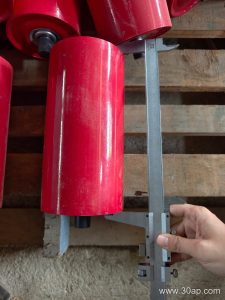
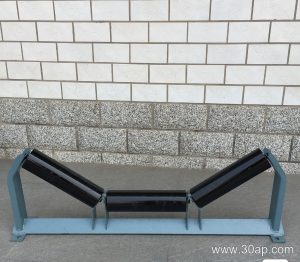
Sourcing an idler roller from overseas manufacturing partners requires an engineering datasheet that leaves no room for ambiguous interpretations. At a mineral-processing plant handling abrasive run-of-mine ore, specifying only the overall length and tube diameter invites premature failure. Procurement teams must define tube wall thickness, steel grade designations, shaft diameter tolerances, and bearing housing retention methods explicitly. For instance, stating whether the shell relies on continuous resistance welding or press-fit insertion dictates how the assembly handles severe torsional stress and cyclic impact beneath heavy transfer points.
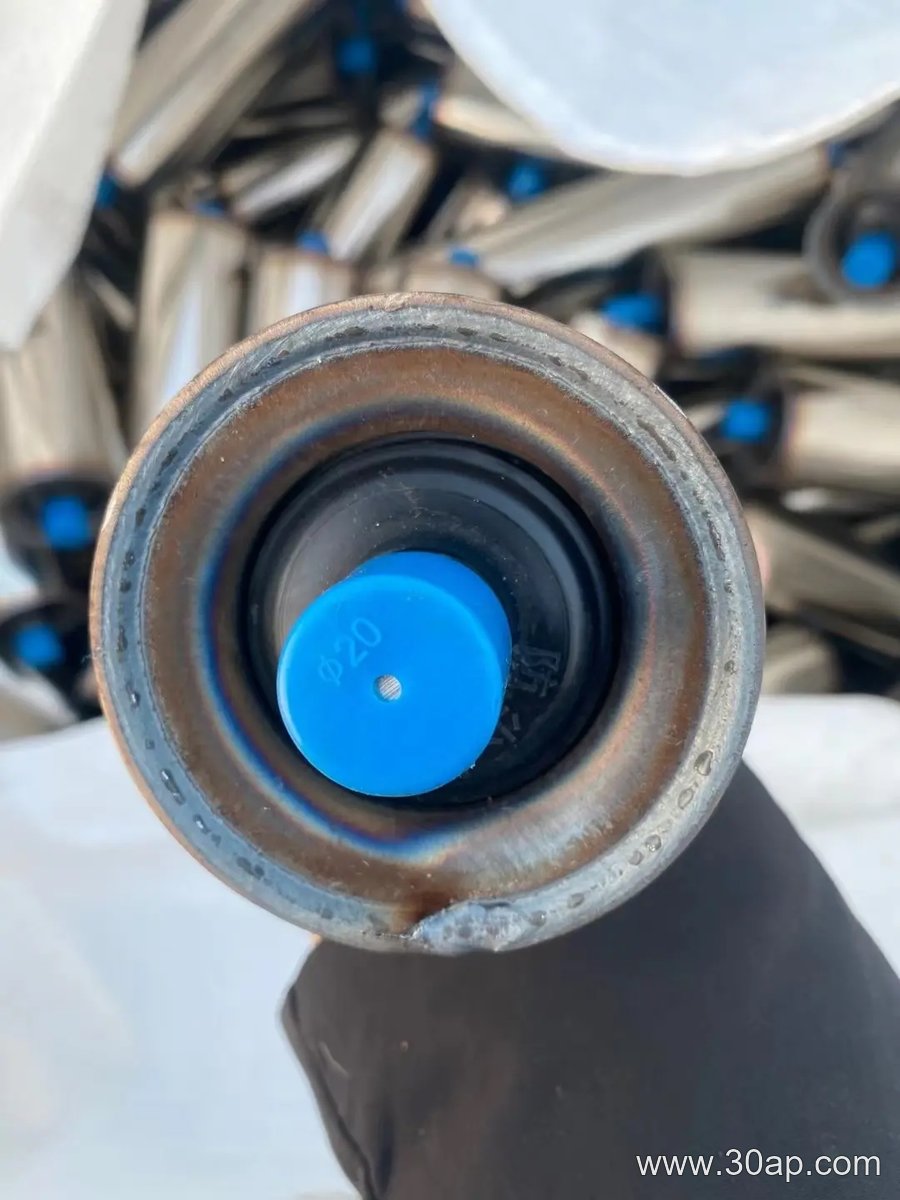
Seal arrangement represents another critical parameter that must appear clearly in the specification document. A labyrinth seal combined with multiple contact lips prevents fine mineral dust from migrating past the grease cavity and entering the rolling elements. Documenting operational speed ranges and expected ambient temperature thresholds ensures that the chosen lubricant viscosity remains stable during continuous, heavy-duty running cycles.
Evaluating Chinese Manufacturing Capabilities and Quality Controls
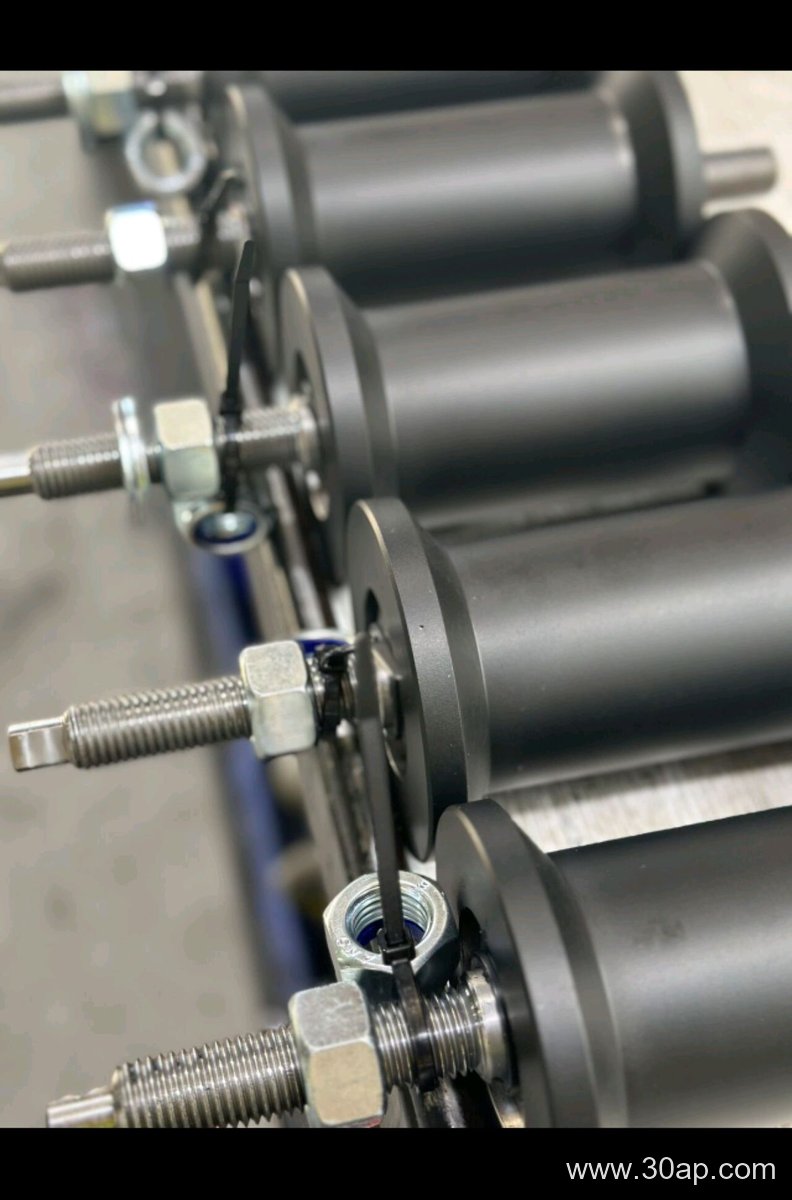
Once engineering parameters are locked, evaluating potential suppliers involves auditing their manufacturing consistency and material traceability rather than relying on promotional brochures. A qualified fabrication partner for an idler roller should demonstrate automated tube-cutting precision, robotic concentricity welding to minimize runout, and dynamic balancing capabilities for high-speed belt applications. Excessive radial runout causes vibration, accelerates bearing fatigue, and increases overall power consumption along long overland conveyors.
- Verify raw material mill test certificates to confirm carbon steel chemistry meets structural requirements without excessive impurity inclusions.
- Inspect bearing housing alignment fixtures to ensure press-fit tolerances prevent premature race distortion during assembly.
- Review salt spray corrosion test reports for protective coatings, verifying that primer and topcoat dry-film thicknesses match agreed-upon export standards.
- Confirm the supplier’s internal inspection protocols for rotational resistance testing before packaging and crating.
Managing Logistics and Pre-Shipment Inspection Milestones
Translating approved engineering drawings into delivered hardware involves strict quality control checkpoints throughout production. Establishing clear acceptance criteria before mass production begins avoids costly delays at the port of destination. Third-party or internal quality assurance personnel should witness sample destructive tests, check dimensional accuracy against engineering blueprints, and verify that preservative oils or protective wraps guard against marine corrosion during ocean transit.
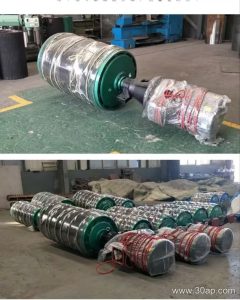
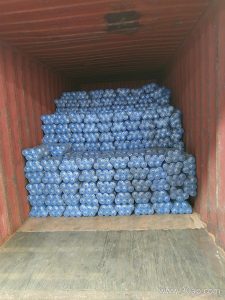
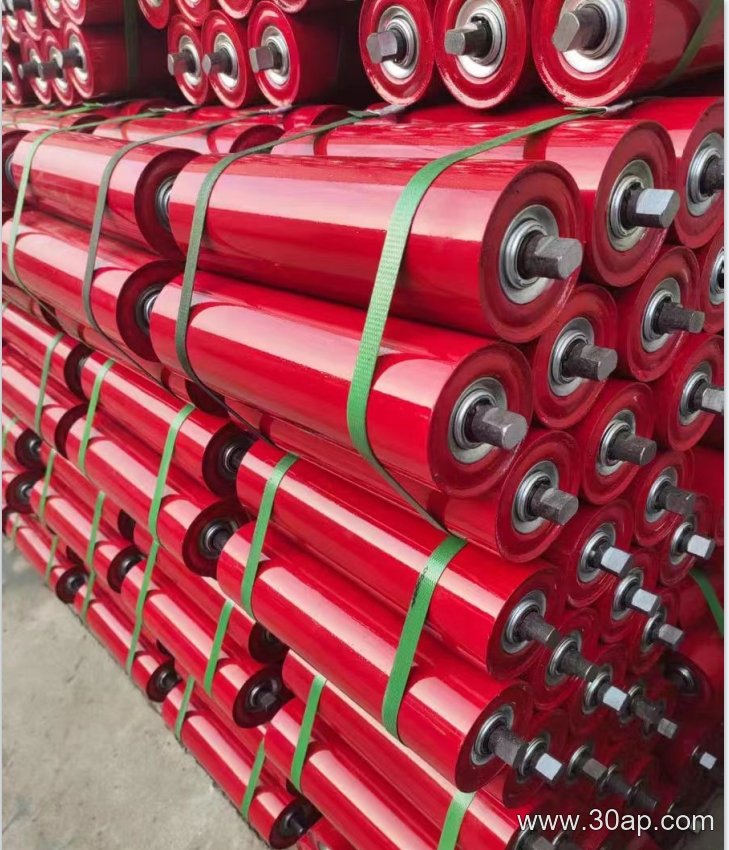
Packaging integrity is equally vital when importing industrial components. An idler roller must be secured on heavy-duty pallets with robust corner protection and weather-resistant wrapping to prevent shifting or moisture ingress in transit. By combining rigorous upfront technical documentation with systematic factory evaluations, plant operators secure dependable conveyor components that minimize unexpected downtime and reduce total lifecycle maintenance costs.