What a Coal Mining Conveyor Belt Does Underground and Above Ground
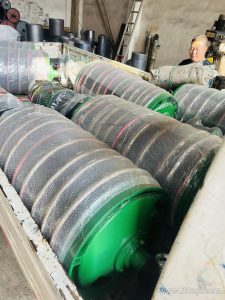
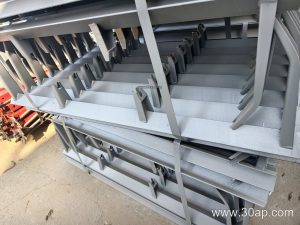
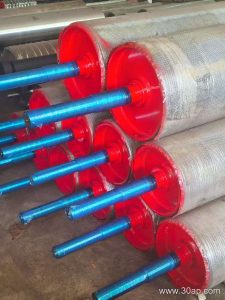
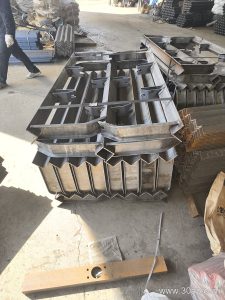
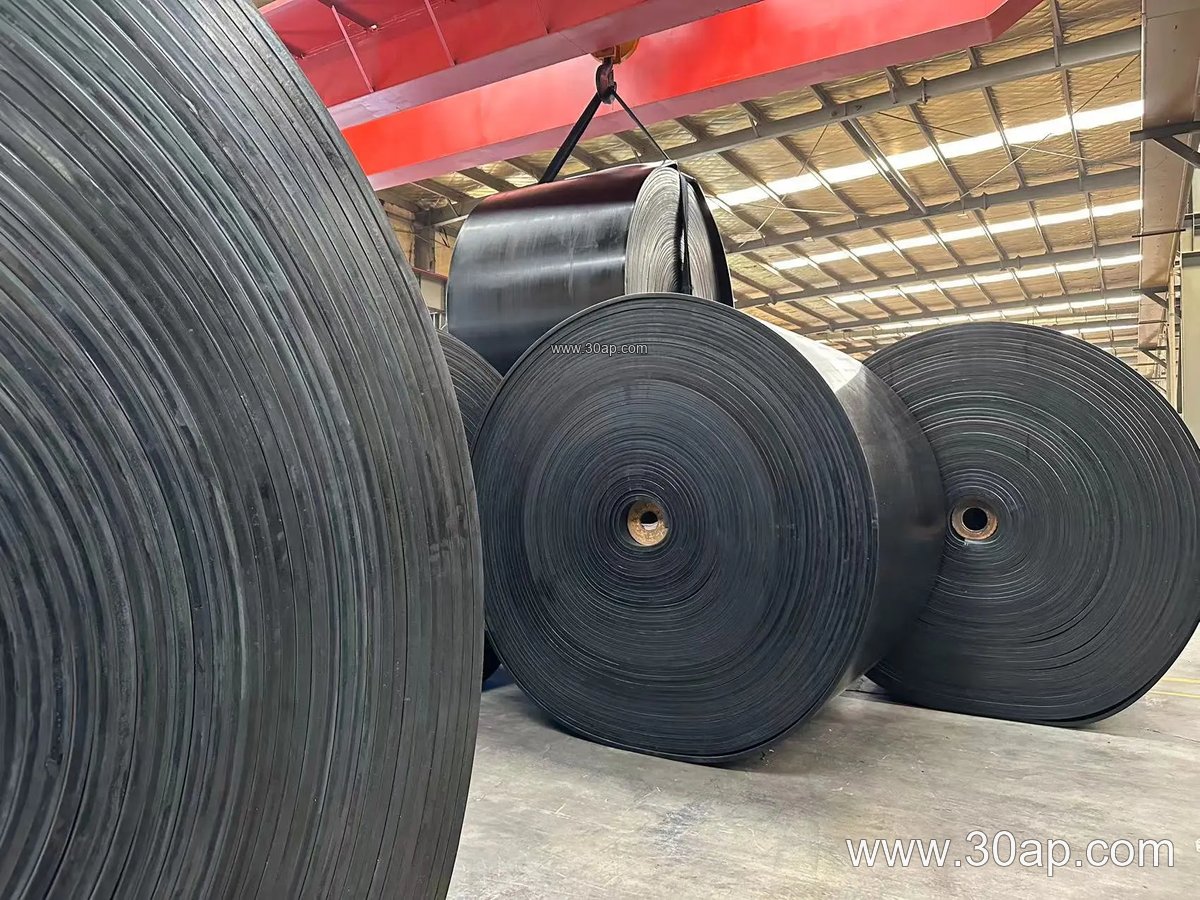
A coal mining conveyor belt is the load-carrying element of a continuous haulage system that moves raw coal from the face, transfer point, or stockpile to screening, washing, or loading. Unlike a general-purpose conveyor belt used in a warehouse, this belt works under severe conditions: sharp lump coal, wet fines, dust, varying loads, and often limited space in a drift or incline. The belt itself is only one part of the circuit; idler roller frames, conveyor pulley assemblies, and conveyor bracket structures determine how well the belt tracks and how long the cover lasts.
The product is also described by equivalent names in tenders and drawings, such as a coal conveyor belt or an underground coal mining conveyor belt. These terms refer to the same article, and the required properties are usually stated through cover grade, carcass type, and flame retardancy rather than through the name alone.
Construction of the Belt
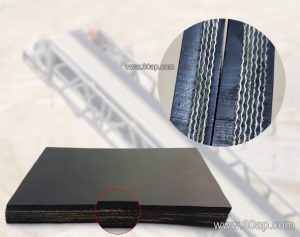
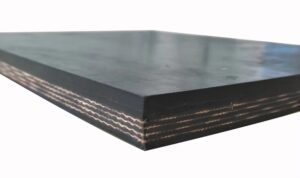
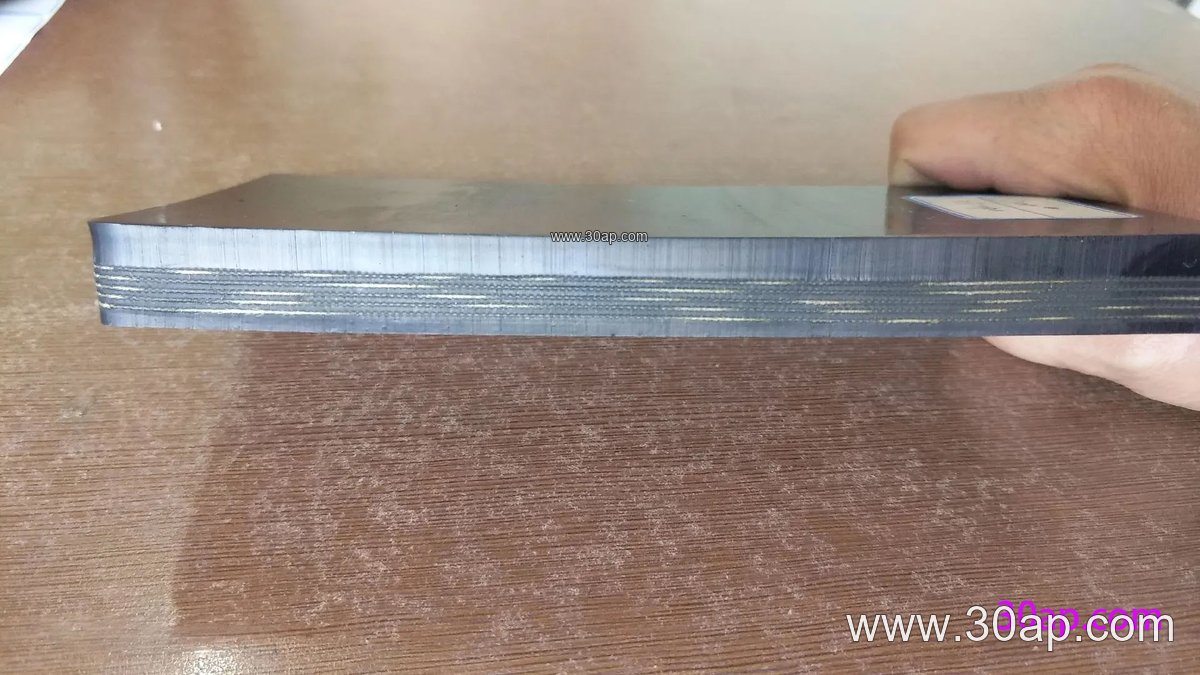
Most coal haulage belts are built from three functional layers. The top and bottom covers are rubber compounds that resist abrasion, cutting, and in some cases oil or heat. The carcass carries tension and may be fabric or steel cord. An adhesion layer bonds cover to carcass.
- Fabric carcass: EP Conveyor Belt (polyester warp, nylon weft) and NN Conveyor Belt (nylon both directions) are common. Multi-ply construction, often 2 to 6 plies, allows strength to be tuned to the conveyor length and lift.
- Steel cord carcass: a Steel Cord Conveyor Belt uses parallel brass-plated wires for very long runs and high tension, typically on main trunk conveyors.
- Solid woven carcass: PVC and PVG belts are widely used in underground roadways where a compact, flame retardant belt is preferred.
Cover thickness is usually written as top plus bottom, for example 4+2 mm or 6+2 mm, with heavier covers on the carrying side where coal impacts at the loading point.
Common Specifications at a Glance
The values below are reference ranges, not fixed combinations. Actual selection depends on conveyor design, coal lump size, gradient, and the required safety level.
| Parameter | Typical reference values |
|---|---|
| Belt width | B650, B800, B1000, B1200, B1400, B1600, B1800, B2000 |
| Fabric strength grades | EP200, EP315, EP400, EP500, EP630, EP800, EP1000, EP1250, EP1600 |
| Steel cord grades | ST1000, ST1250, ST1600, ST2000, ST2500 |
| Cover thickness | 3+1.5, 4+2, 5+2, 6+2, 8+3 mm |
| Carcass plies | 2 to 6 layers for fabric belts |
A 1200mm wide belt on a main slope and a 650mm belt on a gate road serve different duties, so width should never be matched to a pulley diameter by rule of thumb. Shaft size, pulley face, and take-up travel are calculated from the conveyor design.
Safety-Related Properties for Coal Service
Coal dust and methane make fire behavior a primary concern. A Flame Retardant Conveyor Belt or Fire Resistant Conveyor Belt is normally specified for underground and enclosed transfer galleries. Anti-Static Conveyor Belt construction helps dissipate static charge. In addition, an Abrasion Resistant Conveyor Belt extends cover life at crusher discharge and transfer chutes, while a Heat Resistant Conveyant Belt type may be needed near drying or boiler feed areas in a power plant.
Where the route climbs steeply, a Chevron Conveyor Belt or a Corrugated Sidewall Conveyor Belt can hold material on the incline. For dusty, spill-prone junctions, a Skirted Conveyor Belt reduces fugitive coal. Enclosed routing may use a Pipe Conveyor Belt to protect the environment and the material.
Where the Belt Is Used
Coal mining is the core application, but the same belt family appears in a cement plant, steel plant, power plant, quarry, and port. A Cement Conveyor Belt may share the abrasion-resistant cover specification with a Mining Conveyor Belt, while a Port Conveyor Belt handling coal at a ship loader needs a robust cover and reliable splicing. In a sand making plant or stone crushing line, an Aggregate Conveyor Belt or Crusher Conveyor Belt handles similar abrasive loads. The common thread is bulk material, continuous duty, and limited maintenance windows.
Buyer Checklist
- State the coal size, moisture, and expected tonnage per hour.
- Give the conveyor length, lift, trough angle, and pulley arrangement.
- Confirm the required flame retardancy and anti-static class for the site.
- Choose carcass grade from tension calculation, not from habit.
- Match cover thickness to impact and wear points.
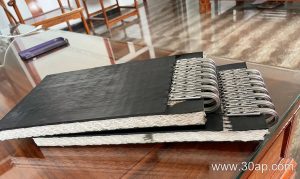
- Plan splicing: an Endless Conveyor Belt reduces joint risk on long runs.
- Confirm belt width and edge condition suit the idler roller and conveyor bracket layout.
For conveyor pulley, idler roller, and conveyor bracket inquiries, buyers can visit www.hnconveyorbelt.com to align belt specifications with the rest of the conveyor. A carefully specified coal mining conveyor belt, correctly matched to its pulleys and idlers, keeps coal moving with fewer stoppages and lower long-term cost.