What Idler Procurement Covers
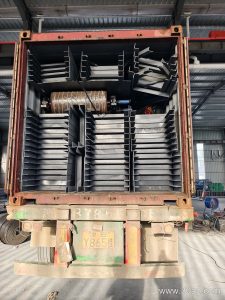
Idler procurement is the process of selecting and purchasing the idler rollers that support and guide the conveyor belt along its carrying and return runs. These components, often called conveyor idlers or simply idlers, are not a single part but a family of rollers mounted in frames or brackets. On a typical bulk handling conveyor, idlers may account for a large share of the total component count, so buying them well affects belt life, energy use, and maintenance downtime. This guide focuses on idler procurement for applications such as a quarry, a coal preparation plant, a cement plant, or a power plant coal yard.
How an Idler Roller Is Built
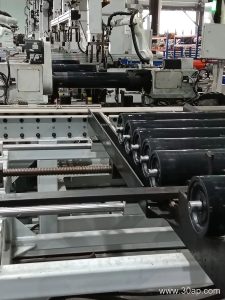
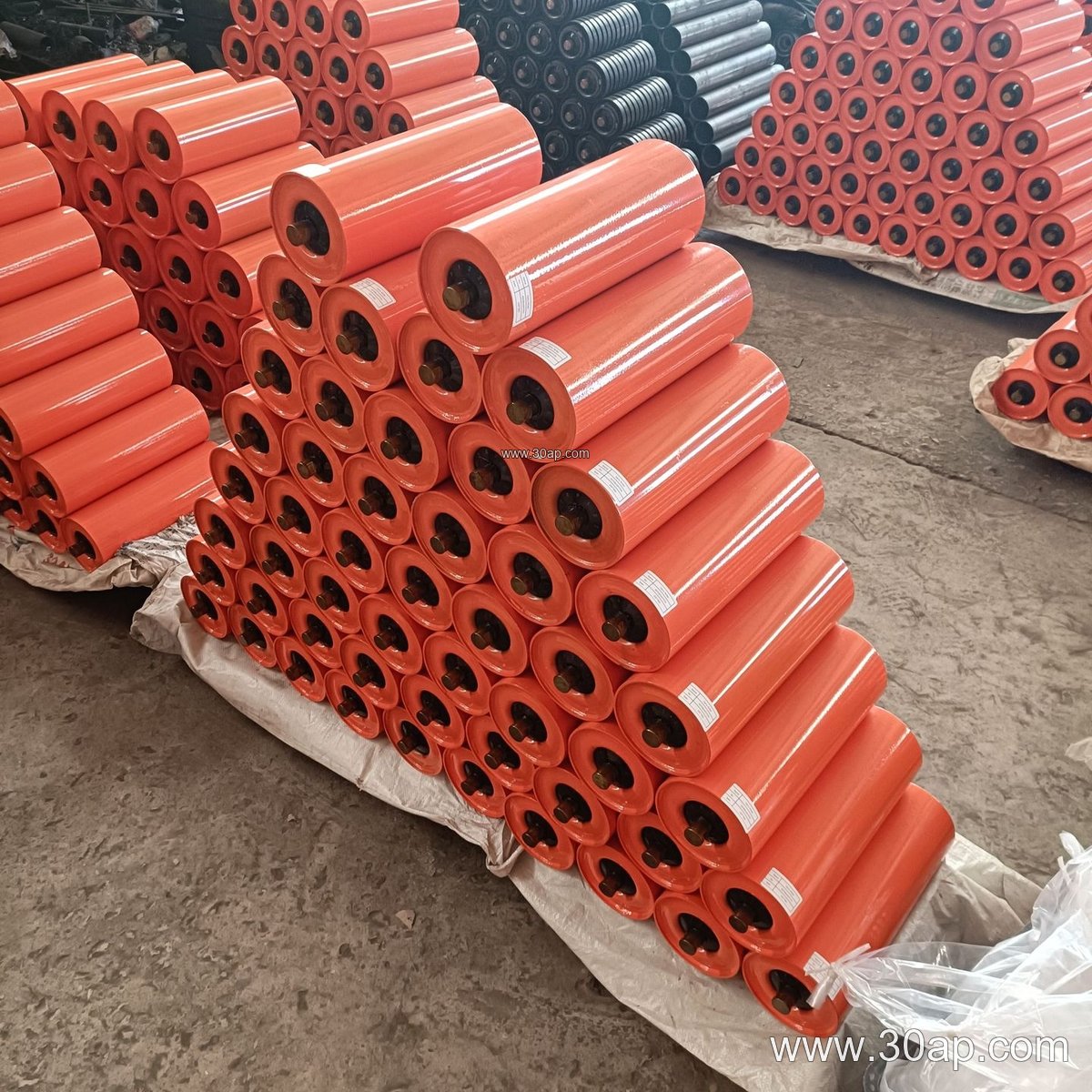
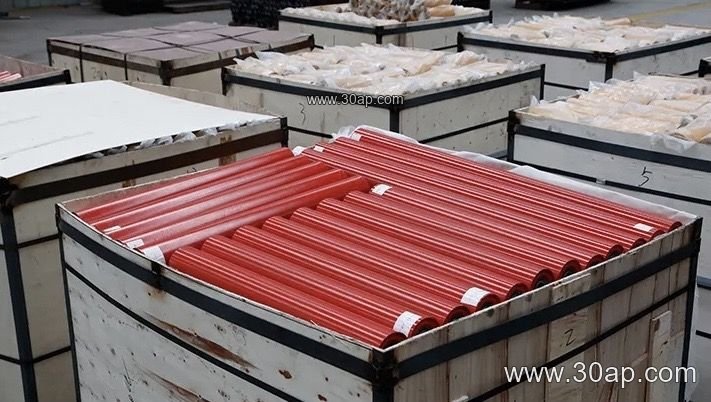
A standard idler roller consists of a steel tube shell, a shaft, bearing housings, bearings, and a sealing system. The shell may be plain steel, nylon-coated, ceramic-covered, or fitted with rubber rings for impact absorption. Common bearing sizes include 6204, 6205, 6305, 6306, 6308, and 6310. The seal design matters as much as the bearing itself: in dusty or wet conditions, a labyrinth seal or a multi-stage seal helps keep grit and moisture out. Roller diameter is usually chosen from a range such as Ø63, Ø76, Ø89, Ø102, Ø108, Ø127, Ø133, Ø159, Ø178, Ø194, or Ø219 mm, depending on belt width, load, and speed. No single bearing or diameter is tied to one belt width; the combination is determined by the conveyor design.
Common Idler Types and Where They Sit
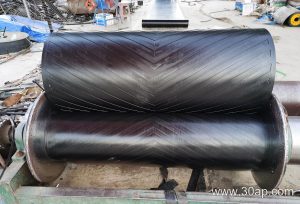
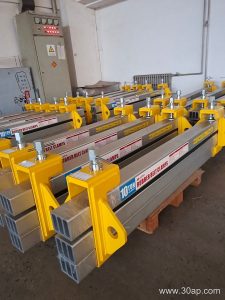
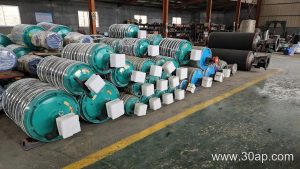
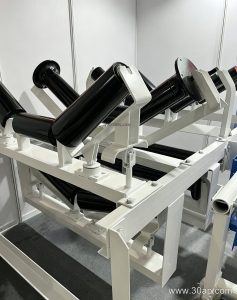
Procurement usually mixes several idler types on one conveyor. Troughing idlers, also called carrying idlers, support the loaded belt on the top run and are commonly supplied in two-roll or three-roll arrangements. The trough angle may be 20, 30, 35, or 45 degrees. Impact idlers with rubber rings are placed at transfer points below a chute. Return idlers support the empty belt on the bottom run, and V-type return idlers help with belt training. Self-aligning idlers, including friction and tapered types, correct belt misalignment. Spiral idlers are sometimes used where sticky material tends to build up on the roller surface. When comparing, note that drive pulleys, tail pulleys, and bend pulleys are different components and are not interchangeable with idlers.
Dimensions, Belt Width, and Roll Length
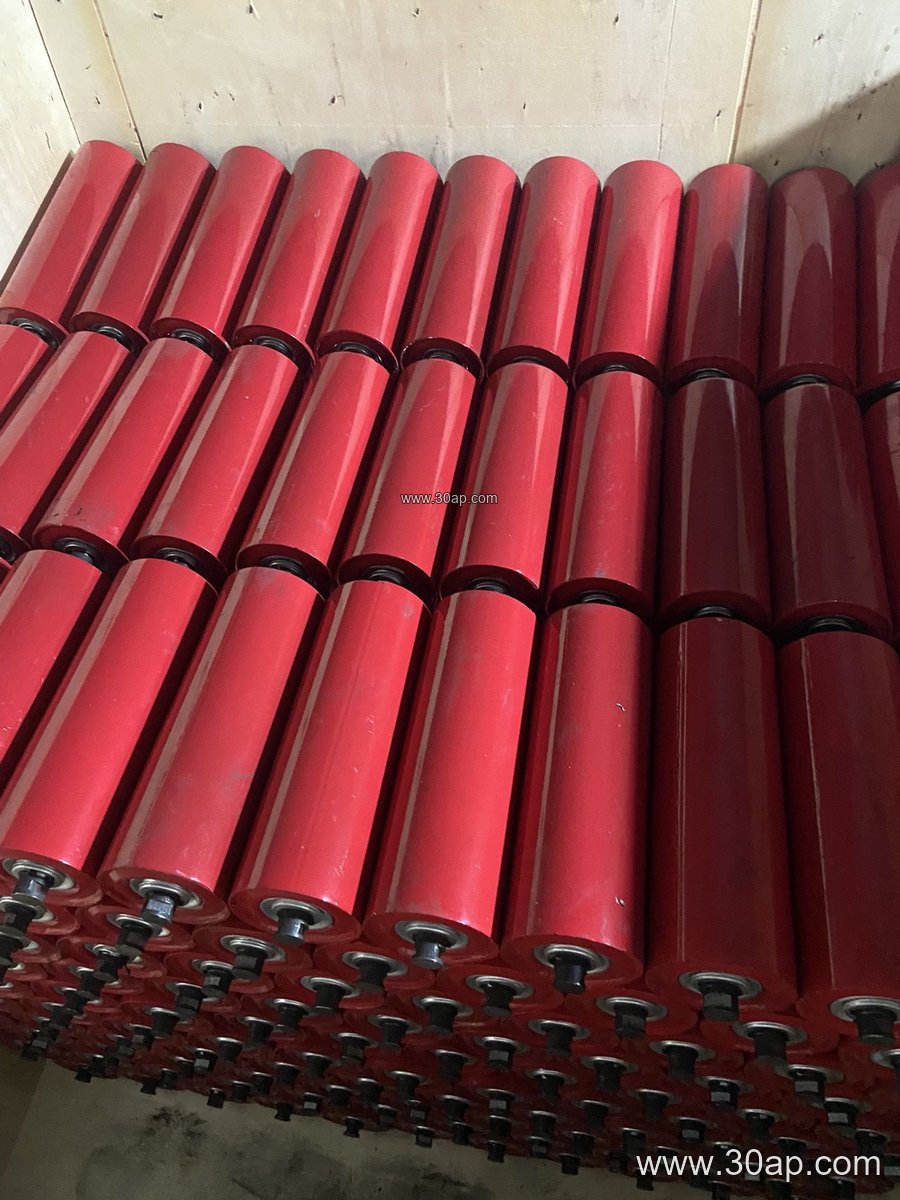
Idler length is not fixed by belt width alone; it changes with belt width, trough angle, and idler arrangement. The following table gives common reference examples for three-roll troughing sets, not mandatory combinations.
| Belt Width | Typical Roll Length (Example) |
|---|---|
| B500 | about 200 mm |
| B650 | about 250 mm |
| B800 | about 315 mm |
| B1000 | about 380 mm |
| B1200 | about 465 mm |
| B1400 | about 530 mm |
| B1600 | about 600 mm |
| B1800 | about 670 mm |
| B2000 | about 750 mm |
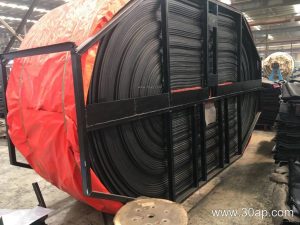
Side rolls and center rolls can differ in length, and the final value should come from the conveyor drawing. Belt width itself is often specified as B400, B500, B650, B800, B1000, B1200, B1400, B1600, B1800, B2000, B2200, or B2400. The belt that runs on these idlers may be an EP conveyor belt, an NN conveyor belt, or a steel cord conveyor belt, and the duty affects idler choice through load and speed.
Matching Idlers to the Application
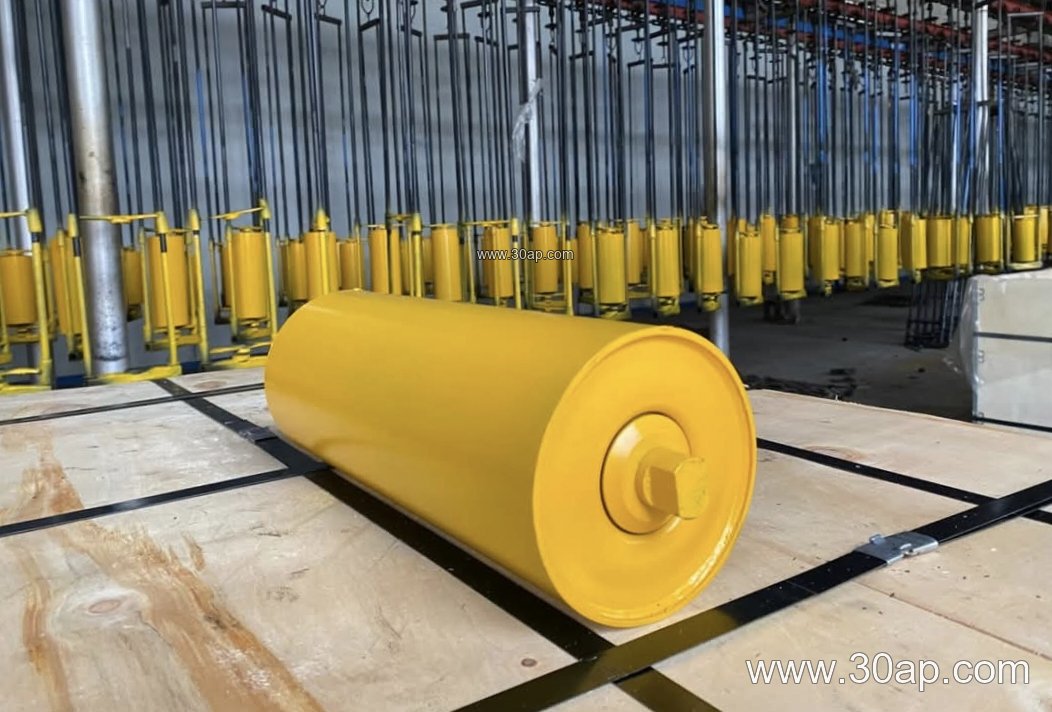
In a limestone quarry or a sand and aggregate line, abrasion and impact are the main concerns, so heavy-duty shells and impact idlers at transfer points are common. In a coal preparation plant or an underground coal mining conveyor, flame retardant and anti-static properties are usually specified for the belt, and idler seals must cope with wash-down and fine dust. A cement plant may face high temperatures near the kiln area, where heat-resistant belts and appropriately selected idlers are needed. In a power plant coal yard or a port ship-loading system, long conveyors favor low rolling resistance and reliable sealing. The conveyor belt, conveyor pulley, and conveyor bracket all interact with the idler, so procurement should consider the whole system rather than the roller alone.
What a Buyer Should Check
- Confirm shaft diameter, bearing size, and seal type against the conveyor drawing, not against belt width alone.
- Ask for the roller diameter and shell thickness, and verify the load rating for the intended belt speed.
- Specify the trough angle and idler arrangement for each position on the conveyor.
- For dusty or wet sites, review the sealing system and consider nylon or ceramic covers where buildup is a problem.
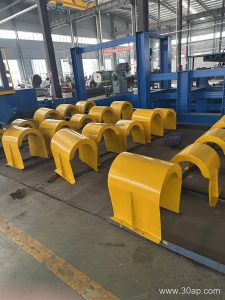
- Check that brackets and frames match the existing mounting dimensions before ordering.
- Request inspection records for rotation and seal fit, and keep spare idlers for high-wear positions.
Good idler procurement is a matter of matching roller type, diameter, bearing, seal, and length to the actual conveyor duty. On a quarry, cement, or power plant site, that usually means a mix of troughing, impact, and return idlers rather than one universal roller. Buyers who work from the conveyor layout and the operating environment will get longer belt life and fewer stoppages.