What an Endless Conveyor Belt Is
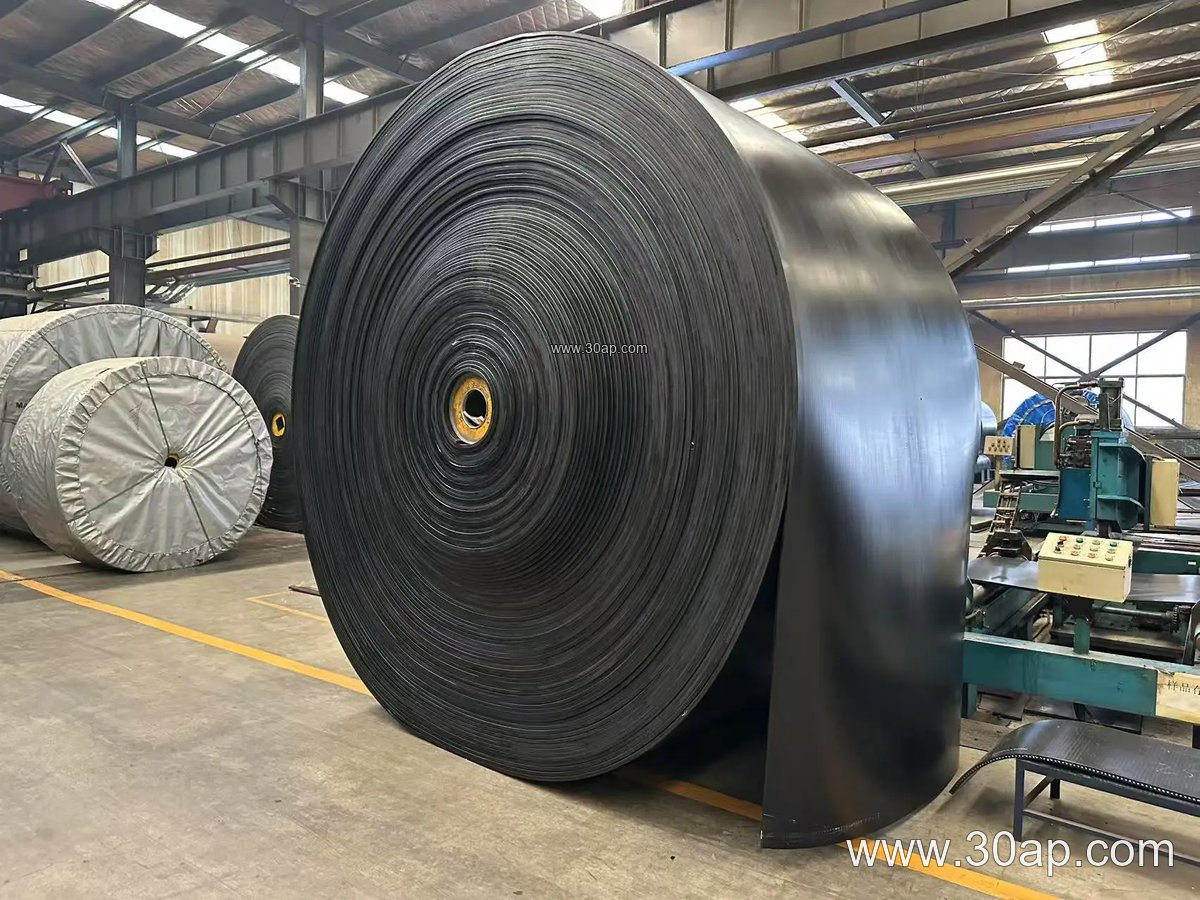
An endless conveyor belt is a belt that has been joined into a continuous loop before it is installed on the conveyor structure. Instead of being connected on site with mechanical fasteners, the belt is spliced at the factory or in a controlled workshop, so the finished loop runs without a joint opening at every revolution. In practice, buyers often call this a jointless belt or a factory-spliced belt, but the product is the same: one closed loop of fabric or steel cord carcass with rubber covers.
The loop format matters most on long runs, steep inclines and drives where a fastener would be a weak point. A properly made endless loop keeps tension more even, reduces the chance of edge damage at the splice and gives a smoother surface for scrapers and transition zones.
How the Loop Is Built
The construction starts with a conventional carcass. A fabric core conveyor belt uses multiple plies of EP or NN fabric, while a steel cord conveyor belt uses brass-plated cords running lengthwise. The ends are stepped, stripped and spliced with rubber and heat, then the covers are rebuilt and vulcanized so the loop becomes one body.
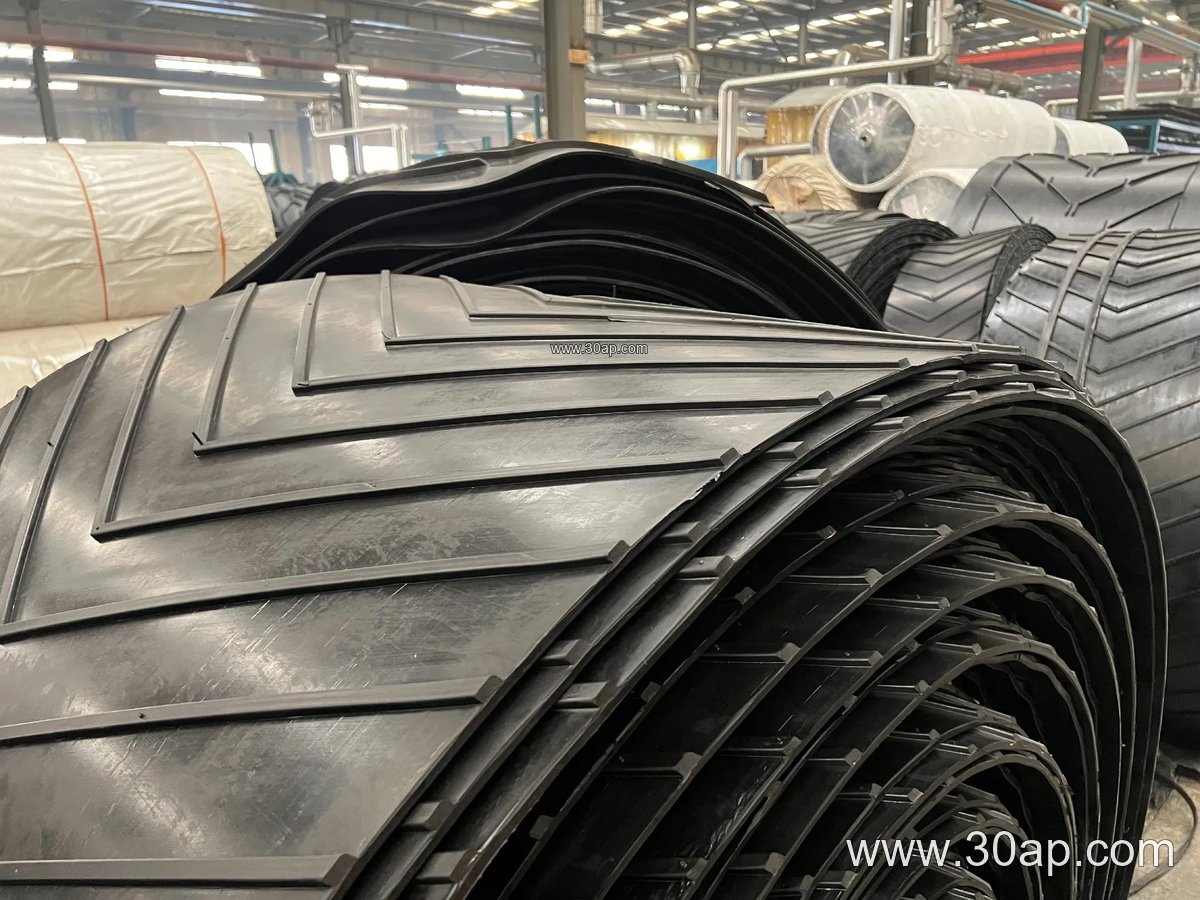
Common carcass options include:
- EP conveyor belt grades such as EP200, EP400, EP630, EP1000 and EP1250
- NN conveyor belt grades such as NN200, NN300 and NN400
- Steel cord grades such as ST1250, ST1600 and ST2000
- PVC or PVG belts for lighter or fire-sensitive duties
Cover rubber is chosen for the duty: abrasion resistant conveyor belt compounds for rock, heat resistant conveyor belt grades for clinker, oil resistant conveyor belt grades for recycled material, and flame retardant conveyor belt or anti-static conveyor belt builds for underground coal mining conveyor belt systems. Belt widths commonly range from B500 to B2000, and cover thicknesses such as 4+2 mm or 6+2 mm are selected according to load and impact.
Belt Structure and the Parts Around It
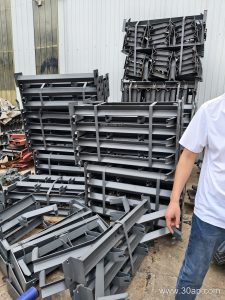
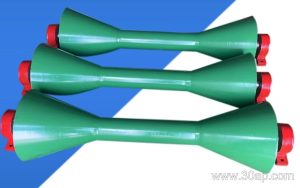
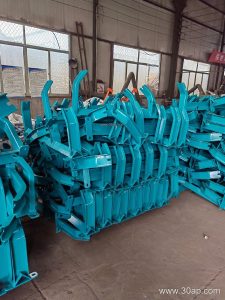
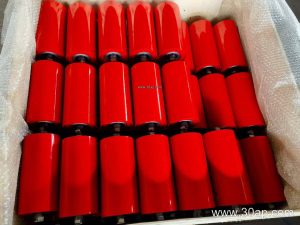
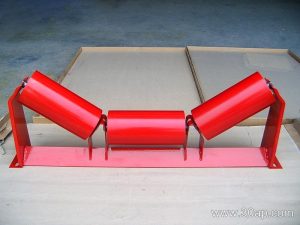
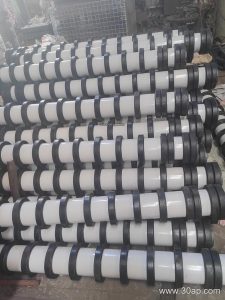
The endless loop does not work alone. A conveyor pulley at the head and tail carries the belt, while bend pulleys and take-up pulleys guide it through the return side. Drive pulleys transmit power and must be matched to the belt tension and splice strength, not to a single belt width. Idler roller sets support the carrying and return strands, and conveyor bracket frames hold the idlers and pulleys in line. On a long overland system the loop may pass through several transfer points, so alignment and pulley condition have a direct effect on splice life.
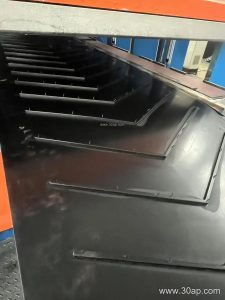
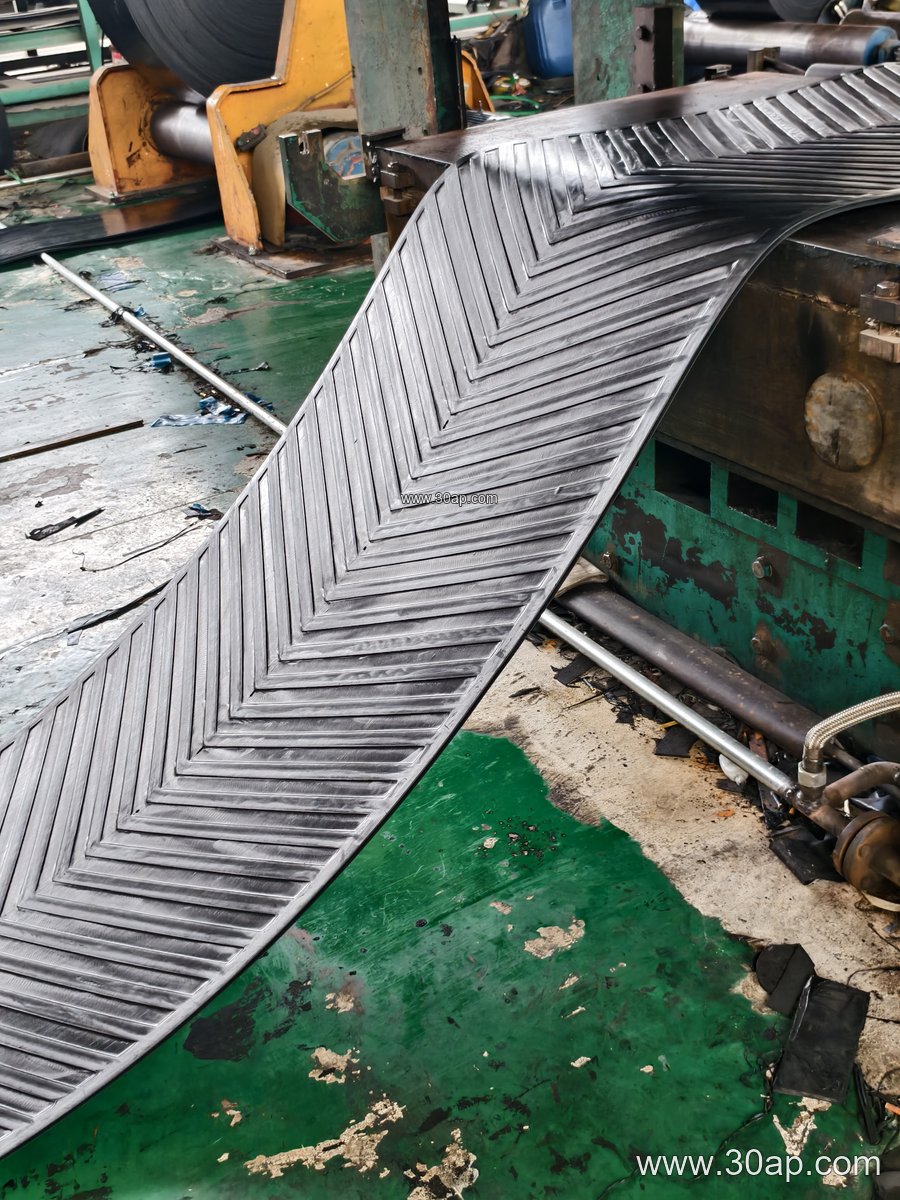
Specialty builds can also be supplied as an endless loop when the application allows. A chevron conveyor belt, corrugated sidewall conveyor belt or skirted conveyor belt is sometimes ordered jointless for steep or contained conveying, but these are different belt types and should be specified on their own terms.
Where Endless Belts Are Used
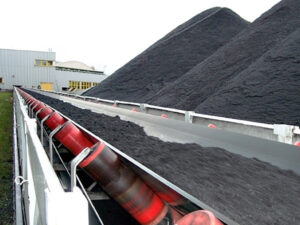
Typical industries include mining, coal preparation, cement plants, power plants, steel plants, quarries, sand and aggregate yards, ports and recycling lines. A quarry conveyor belt handling crushed stone benefits from a strong abrasion resistant cover, while a cement plant conveyor belt moving hot clinker needs a heat resistant grade. Underground coal mining conveyor belt installations usually require flame retardant and anti-static properties. Iron ore, copper ore and other ore conveyor belt duties call for heavy-duty covers and high-strength carcass. Ship loading conveyor belt and port conveyor belt systems often use wide loops for high capacity.
Because the loop is closed, it also suits systems with limited space for on-site splicing, or where maintenance windows are short. For more belt, pulley and idler options, see chinabeltconveyor.com and conveyoraccessories.com.
What a Buyer Should Confirm
Before ordering an endless conveyor belt, confirm the center distance and the exact loop length, since a closed loop cannot be shortened easily after delivery. State the material, lump size, temperature, moisture and any oil or chemical exposure. Confirm the carcass grade, number of plies, cover thickness, belt width and whether the belt must be flame retardant or anti-static. Ask how the belt will be packed and whether it is folded or coiled for transport. Check that the drive pulley, tail pulley and bend pulleys are in good condition, and that idler roller spacing suits the belt stiffness.
Also agree on the splice method and inspection records. A factory splice is only as good as its process control, and the loop should be checked for square ends, uniform thickness and correct step length. Store the loop on a suitable support, away from sharp edges and direct sunlight, and inspect it before installation. When the belt finally goes into service, monitor tracking, splice temperature and cover wear during the first weeks, because early signs usually show where the conveyor structure needs adjustment.