What a V-Type Idler Bracket Does
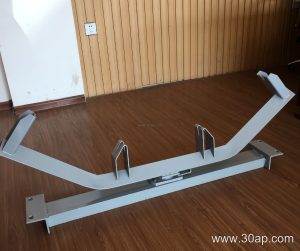
A V-Type Idler Bracket is a support frame that holds two idler rollers in a V-shaped arrangement, usually on the return run of a belt conveyor. Instead of a single flat roller, the bracket positions the rollers at an angle so the belt sits in a shallow trough. This helps the belt track better, sheds loose material, and reduces the chance of the belt wandering off to one side. In a quarry or a sand and gravel line, where fines and spillage are constant, that self-cleaning effect is often the main reason engineers specify this bracket.
The V-Type Idler Bracket is sometimes called a V-return idler bracket or V-type return bracket. These names refer to the same product. It should not be confused with a troughing bracket on the carrying side, nor with a bend pulley or tail pulley, which are entirely different components.
How the Bracket Is Built
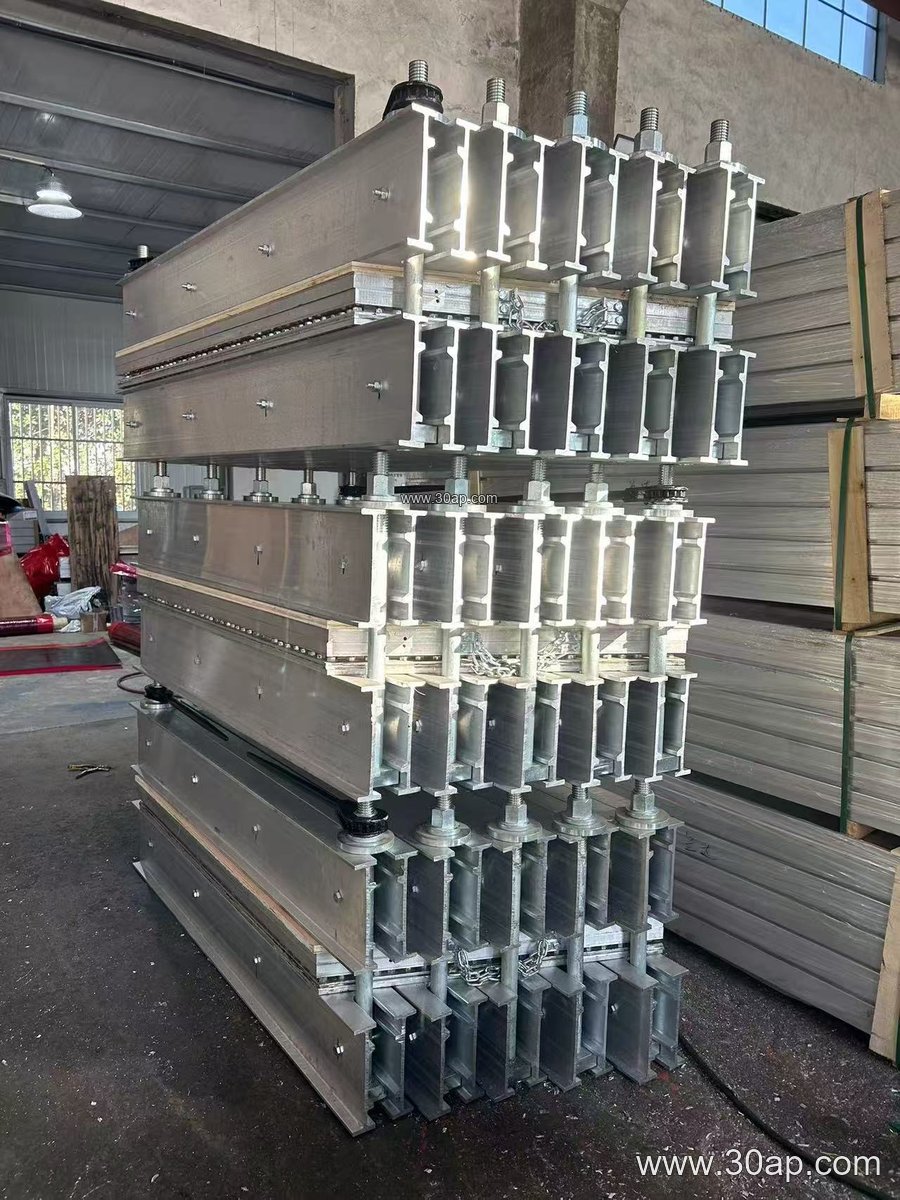
Most V-Type Idler Brackets are fabricated from angle steel, channel steel, or folded steel plate. The two inclined arms are welded or bolted to a central base, and the angle between them is fixed at the design stage. Mounting slots are positioned to match the conveyor frame, and the arm length and hole spacing change with belt width and roller diameter. Common roller diameters used with these brackets include Ø89, Ø108, Ø133, Ø159 and Ø194 mm, matched to the load and belt speed rather than to one fixed rule.
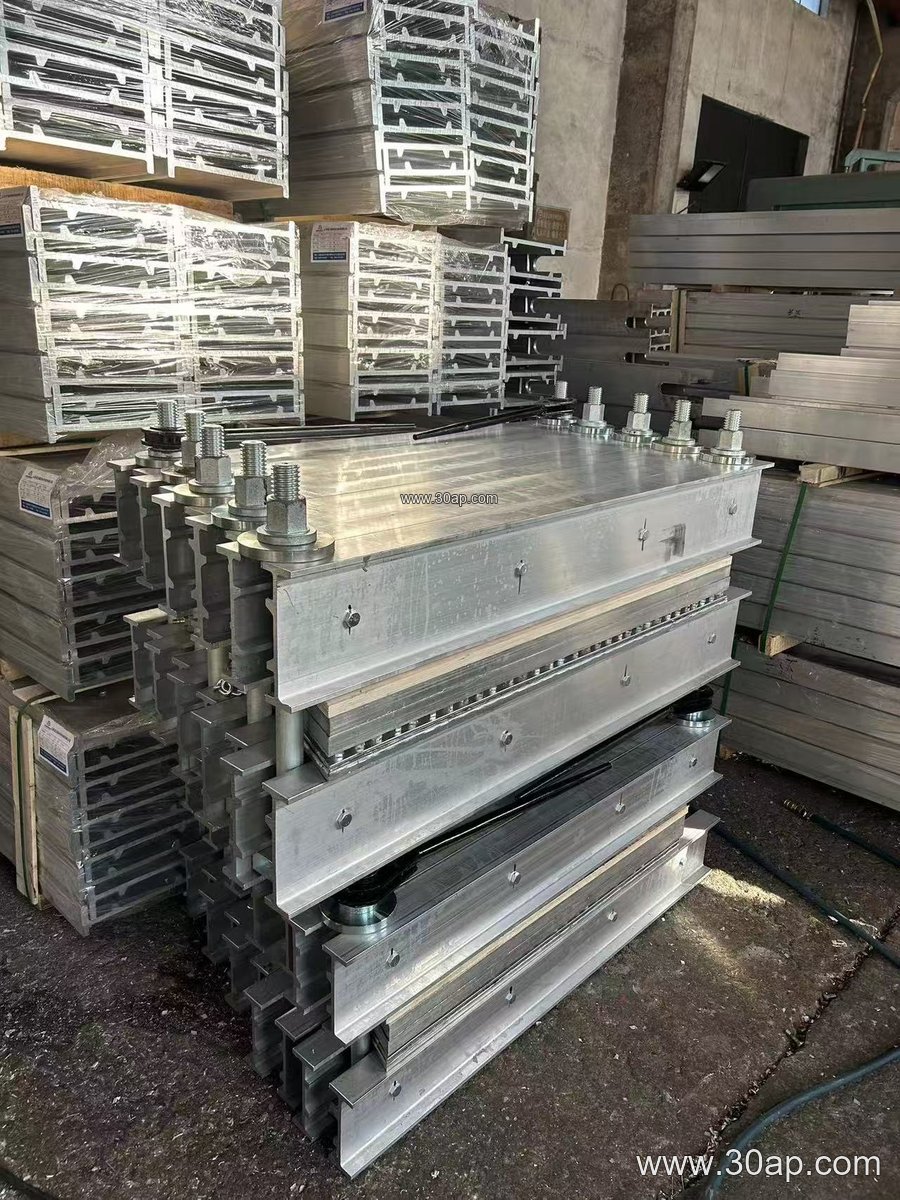
Surface treatment matters in wet or dusty plants. A coal mining conveyor belt system or a power plant coal handling line will usually ask for painted or galvanized frames, while a cement plant may prefer a heavier section because of grit and vibration.
Typical Sizes and Configurations
The table below shows reference combinations, not fixed supply rules. Actual hole spacing and crossbeam length are determined by the conveyor design.
| Belt Width | Typical Roller Diameter | V Angle | Frame Material |
|---|---|---|---|
| B500 | Ø89 | 10°–20° | Angle steel |
| B650 | Ø89 / Ø108 | 10°–20° | Angle steel |
| B800 | Ø108 / Ø133 | 10°–20° | Channel steel |
| B1000 | Ø108 / Ø133 | 10°–20° | Channel steel |
| B1200 | Ø133 / Ø159 | 10°–20° | Folded plate |
| B1400 | Ø133 / Ø159 | 10°–20° | Folded plate |
| B1600 | Ø159 / Ø194 | 10°–20° | Folded plate |
| B1800 | Ø159 / Ø194 | 10°–20° | Folded plate |
| B2000 | Ø194 | 10°–20° | Folded plate |
For comparison, a troughing bracket on the carrying side usually uses 20°, 30°, 35° or 45° trough angles, while a V-return bracket keeps a much shallower V. The two are not interchangeable.
Where It Fits in a Conveyor
The bracket is bolted to the return strand frame, below the belt, at intervals set by the conveyor designer. In an iron ore or copper ore operation, it works together with the conveyor belt and the carrying idler rollers to keep the return belt centred. In a stone crushing line, it is often paired with a skirted conveyor belt or a chevron conveyor belt on the load side, though the V bracket itself stays on the return side.
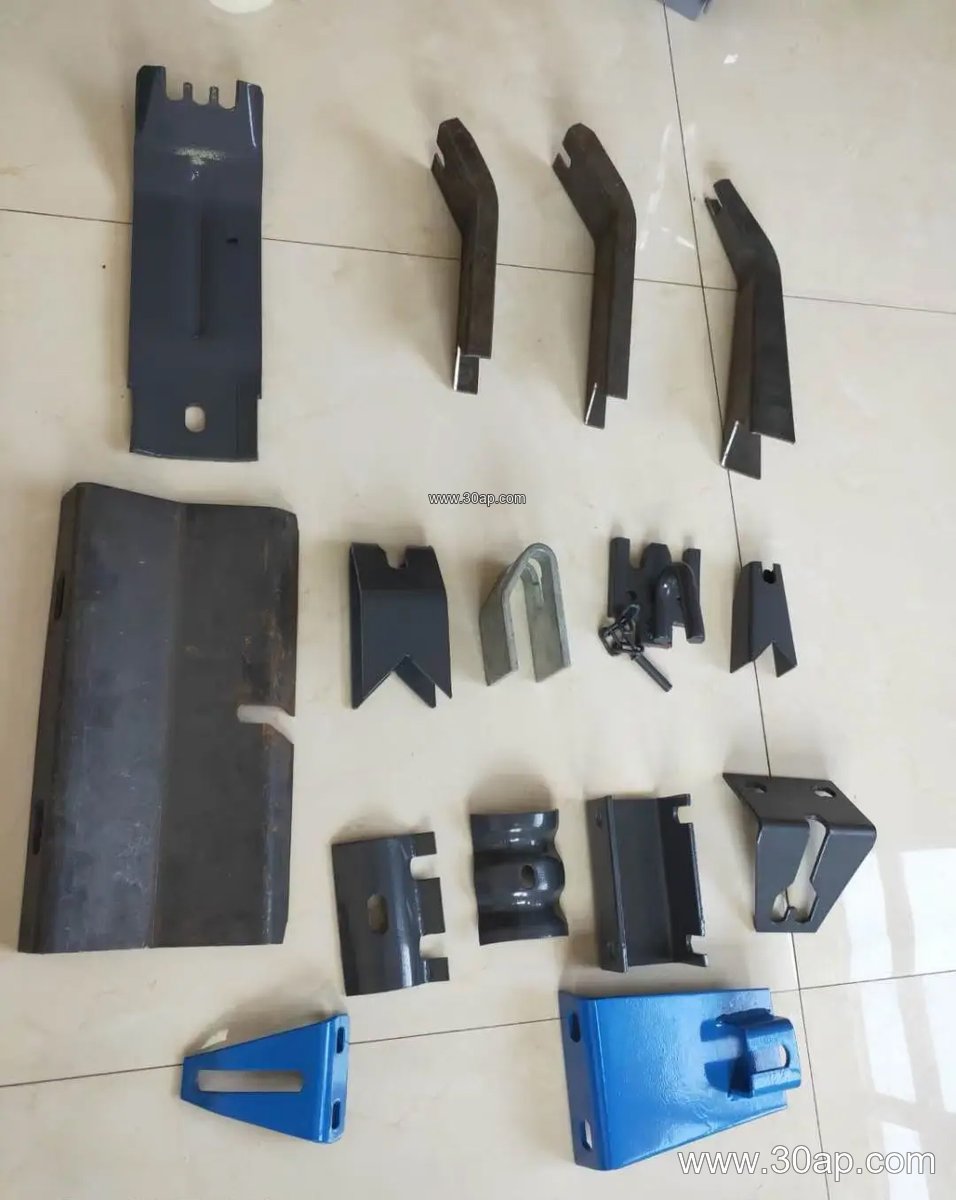
A typical installation includes:
- V-Type Idler Bracket frames spaced along the return run
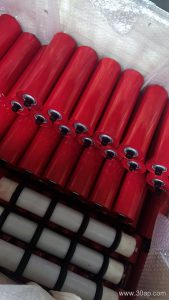
- Two return idler rollers per bracket
- Bolts and mounting plates matched to the frame
- Optional rubber disc or plain steel roller shells
Plants handling abrasive bulk material, such as an EP conveyor belt or NN conveyor belt system in a cement plant, benefit from the reduced belt edge contact that a V arrangement provides.
Buyer Checklist
Before ordering, confirm the belt width, the roller diameter, the V angle, the frame material and the mounting hole pattern. Ask whether the bracket is fixed or adjustable, since an adjustable version can accommodate small alignment corrections on site. Check that the bracket matches the existing conveyor bracket holes; a mismatch means drilling or rework.
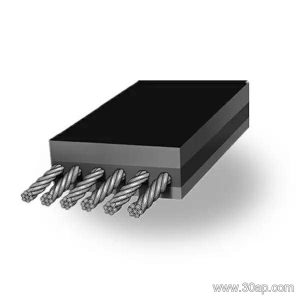
For high-abrasion duties, a heavy-duty steel cord conveyor belt line may call for thicker bracket sections. For food or clean applications, a painted finish may be preferred over bare steel. Whatever the plant, the V-Type Idler Bracket should be selected together with the rollers and the belt, not in isolation.